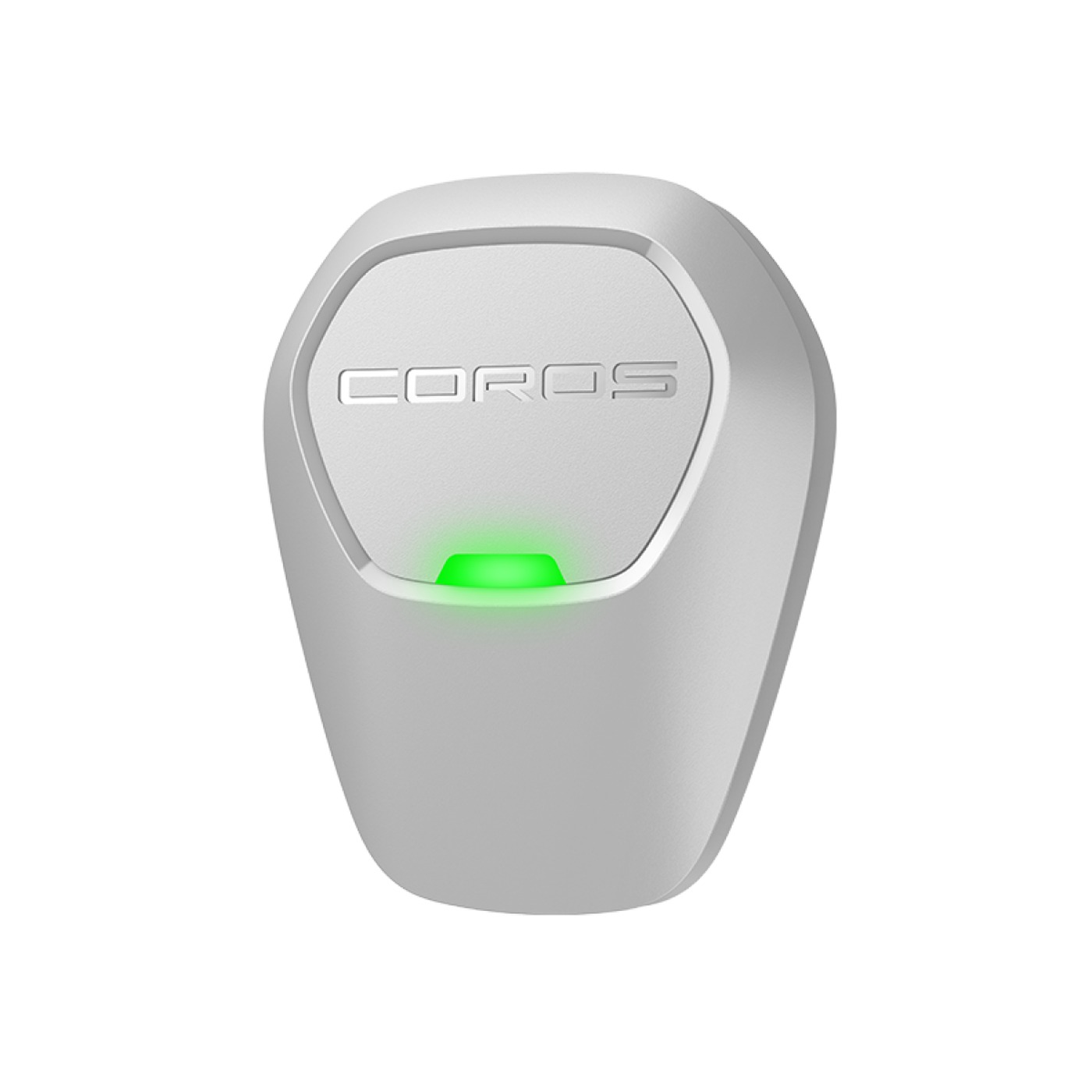
Ever since Garmin, Polar and Suunto dropped their dedicated foot pods, Stryd has had this segment almost to itself, at more than €200. Coros is taking a shot at that monopoly with the Pod 2, a dual-use sensor (shoe or waist) at $99 that doesn't claim to give you power in watts but bets on its own metric, Effort Pace. Three French reviews, carried out at different points in the product's life, let us check whether the promise holds up over time.
© Coros, official photo used for editorial purposes
A segment the competition walked away from, leaving Stryd alone
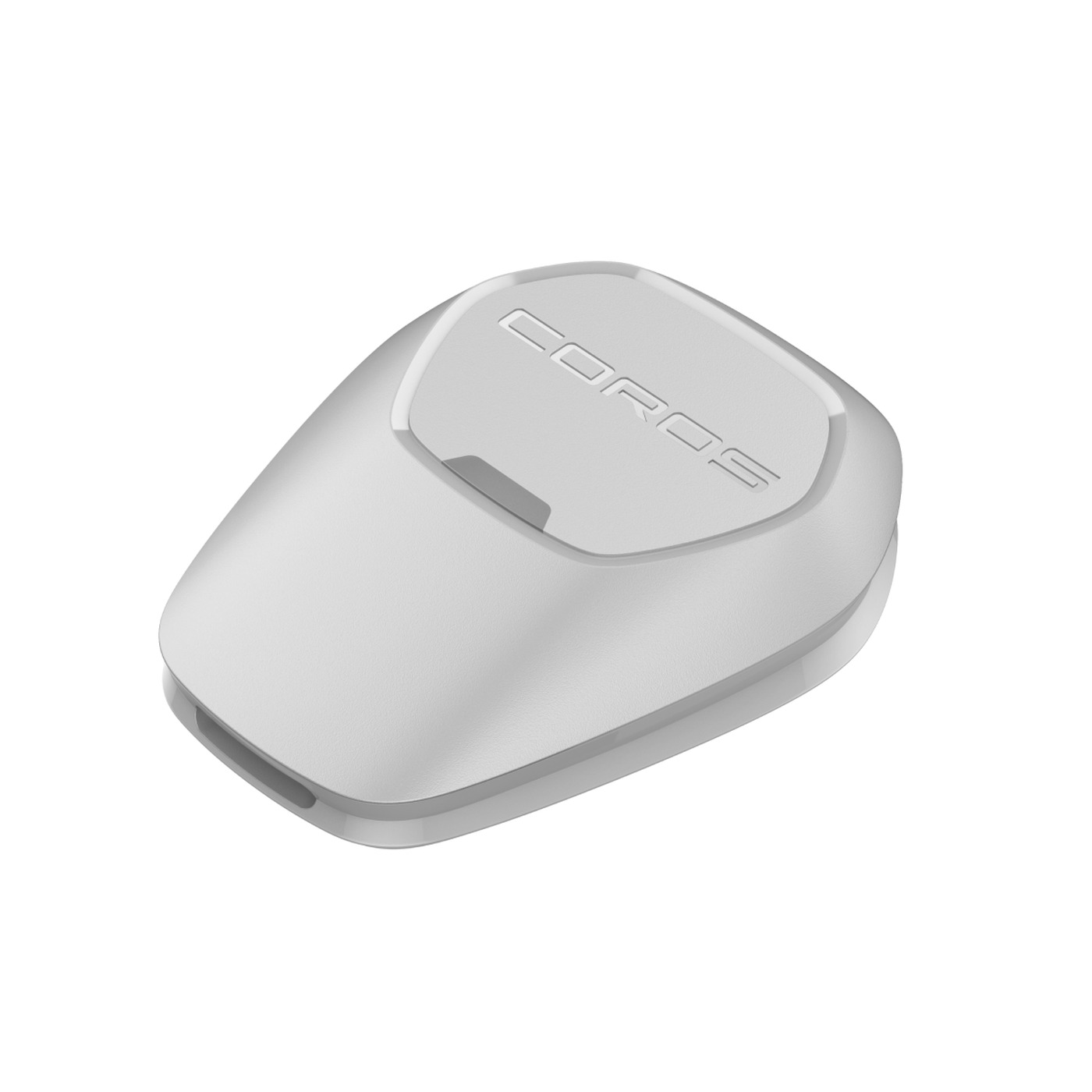
One after another, Garmin, Polar and Suunto pulled their dedicated foot pods from their lineups and went all in on the GPS built into their watches. The upshot: Stryd ended up nearly alone in the advanced running sensor segment, at a price north of €200. Coros had already tried once in 2019 with the Coros Running Pod, a coin-cell sensor worn only on the waistband. The Pod 2, launched in late 2022, revisits the idea with a redesigned shape, a USB-C rechargeable battery and the option to wear it either on your shoe or at your waist.
RunMorph's advice: the Pod 2 only works with Coros watches. If you run with a Coros Pace 2 or anything above it, go for it without hesitation; everyone else will have to look at the Stryd 5.0, which works across brands but costs a lot more.
Coros Pod 2 specs
| Spec | Detail |
|---|
| Weight | 5.6 g |
| Dimensions | 35.6 × 23.2 × 7.6 mm |
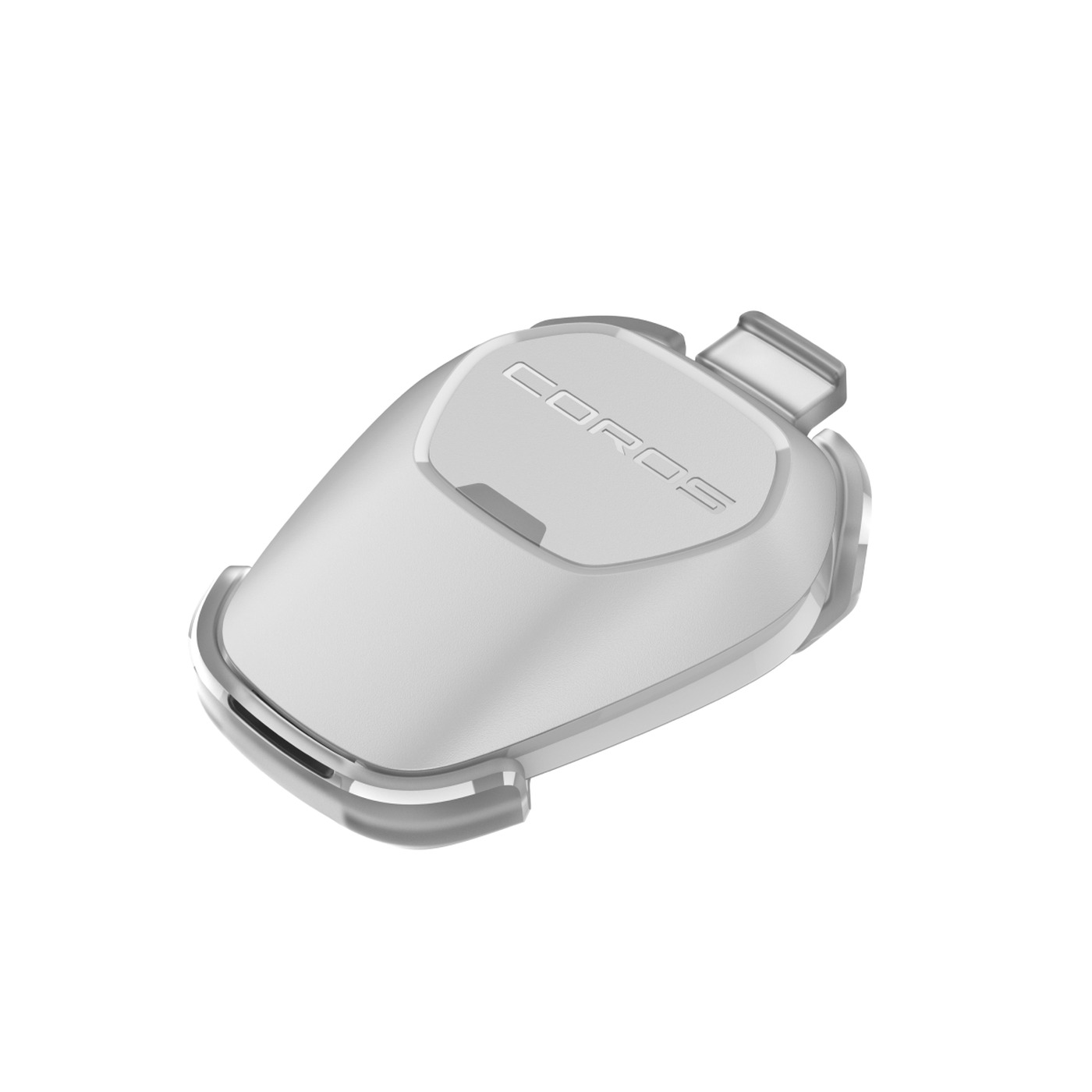
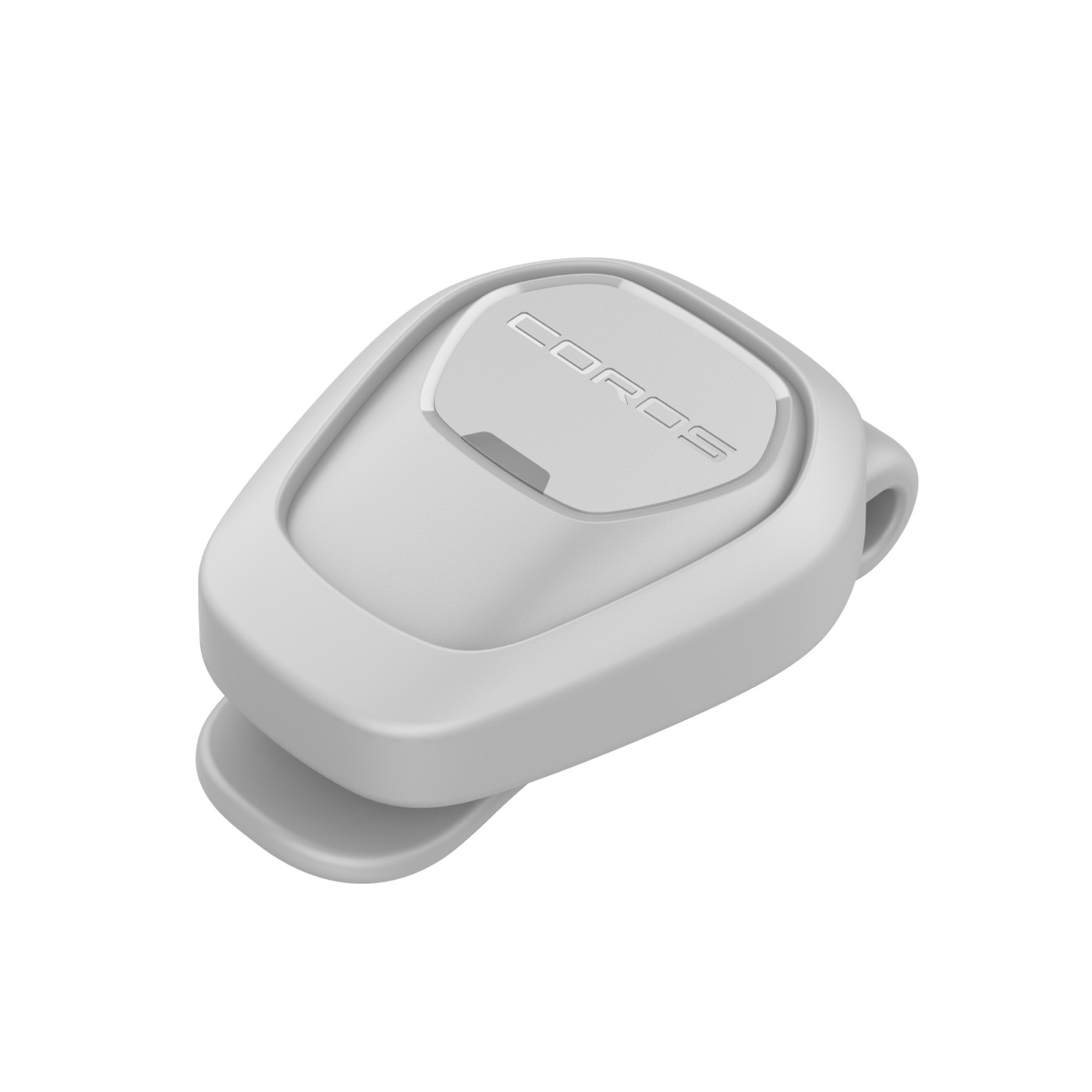
| Mounting | Shoe (lace clip) or waist (belt clip) |
| Battery life in use | 28 hours |
| Standby battery life | 50 days |
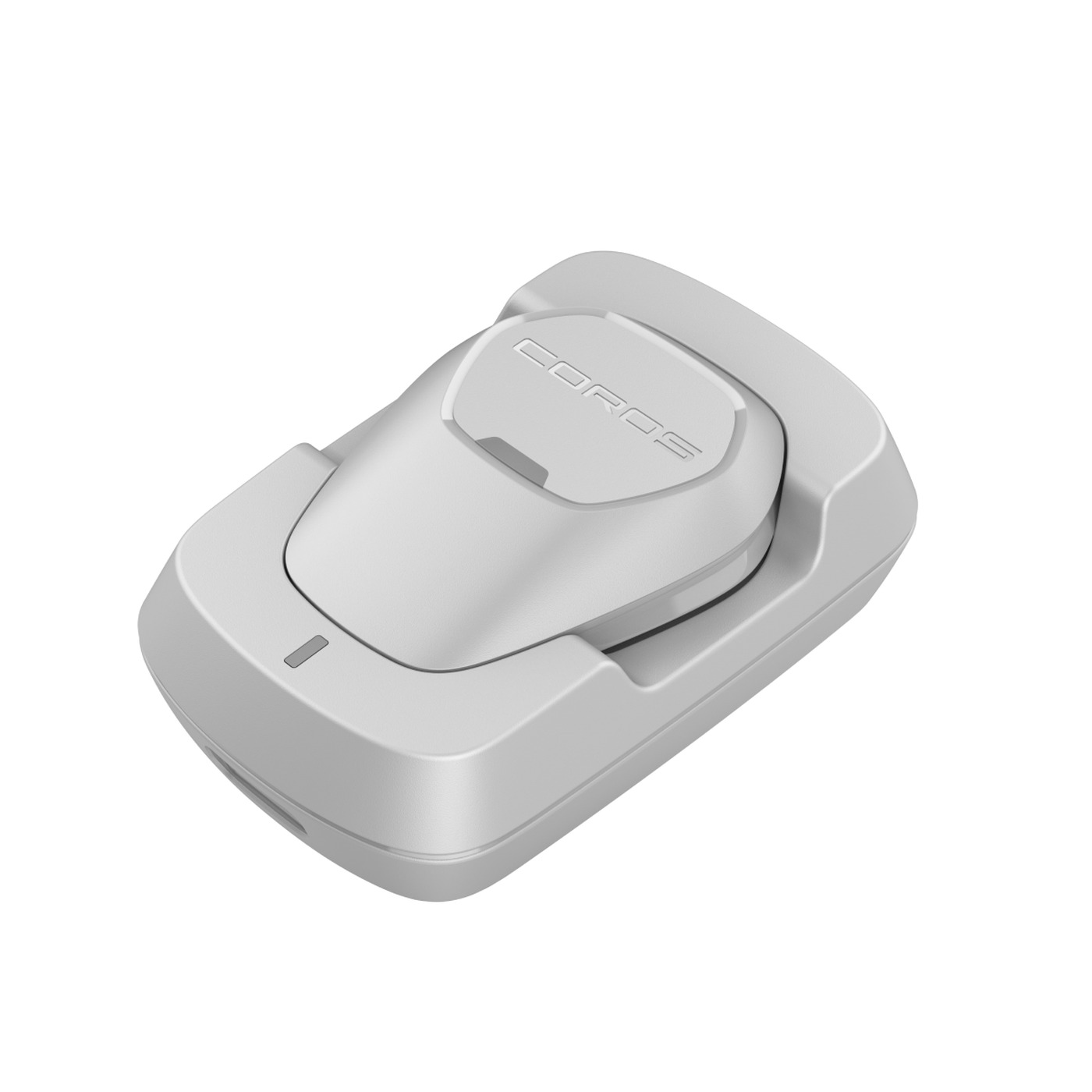
| Charging | USB-C, charging case holding up to 5 sensor recharges |
| Built-in sensors | Barometric altimeter, temperature sensor, magnetic compass, accelerometer, gyroscope |
| Compatibility | Coros watches only (Vertix, Vertix 2, Apex, Apex Pro, Pace 2 and later models) |
| Connectivity | Coros proprietary Bluetooth (not readable by other brands) |
| Price | $99 / €119 |
© Coros, official photo used for editorial purposes
Measured distance: a gap of around 2 %, within GPS error
The most thorough review we looked at (nakan.ch, comparing a Stryd paired with a Garmin Forerunner 955 against a Pod 2 paired with a Coros Vertix 2) documents two comparisons with hard numbers. On an easy run over rolling terrain, the Stryd measured 10.65 km versus 10.47 km for the Pod 2, a gap under 2 % that the tester himself places below the usual margin of error of GPS alone (3 to 5 %). On a calibrated 400 m track lap, the Stryd logged 408 m and the Pod 2 around 380 m, a bigger gap but one to take with a grain of salt: the Coros app doesn't display anything finer than a tenth of a kilometer, which makes an accurate reading hard over such a short distance.
Watch out #1: total lock-in to Coros watches
The Pod 2 uses Bluetooth, but no watch outside the Coros lineup can read its data. You can't pair it with a Garmin, a Polar or a Suunto: it's an investment that won't survive switching watch brands.
Watch out #2: no direct power measurement
Unlike the Stryd, the Pod 2 doesn't calculate running power in watts. Coros relies on its own metric, Effort Pace (formerly grade-adjusted pace), calculated at the wrist and simply refined by the Pod 2's data. If you're used to thinking in watts, you'll have to adapt to a different logic.
© Coros, official photo used for editorial purposes
Out on the road: two uses, one sensor
What sets the Pod 2 apart is its dual use. Clipped to your laces, it runs in "Dual" mode: the watch's GPS stays on but gets refined by the sensor's data, which improves instant pace, distance, altitude and elevation gain. All three reviews we looked at (nakan.ch, runpack.fr and fflose.com) agree on this: displayed pace gets noticeably steadier and more responsive, a benefit that really shows in intervals, where GPS alone lags behind by a noticeable delay. Worn at your waist, the sensor switches to measuring running dynamics (vertical oscillation, ground contact time, vertical ratio), without improving pace or distance in that mode. What you can't do is combine both functions with a single sensor, or pair two Pod 2 units to the same watch at once.
The fflose.com review, the most recent one (March to May 2025, more than 200 km logged with the Coros Pace 3 and Pace Pro), confirms how easy it is to use and how rich the running form data is, while pointing to the same two limits: no direct power measurement and compatibility locked to the Coros ecosystem.
© Coros, official photo used for editorial purposes
Where it works, where it falls short
Intervals and threshold sessions on a Coros watch: this is where the more responsive instant pace of shoe mode makes the biggest difference compared with GPS alone.
Working on running form: worn at the waist, the Pod 2 gives you vertical oscillation and ground contact time with no extra accessory.
Trail with serious elevation: the built-in barometric altimeter improves altitude accuracy compared with GPS alone.
Runners who switch watch brands: the Pod 2 is useless outside the Coros ecosystem; the Stryd 5.0, with much wider compatibility, remains the only option despite its higher price.
Looking for standardized running power in watts: the Pod 2 doesn't give it to you directly, unlike the Stryd, which has made it its specialty from day one.
Coros Pod 2 vs the competition
Up against the Stryd 5.0, the long-standing benchmark among foot pods, the Pod 2 owns a different position: no power in watts and no cross-brand compatibility, but a price roughly three times lower and a shoe/waist dual use that Stryd doesn't offer.
Within the Coros ecosystem, the Pod 2 is a natural match for a Coros Pace 2 or a higher-end model: without a compatible Coros watch, the accessory is completely useless.
Strengths
- 5.6 g, practically unnoticeable once it's on
- Instant pace far steadier and more responsive than GPS alone, confirmed by three independent reviews
- Dual use: shoe (pace/distance) or waist (running dynamics) with a single sensor
- Roughly three times cheaper than the Stryd
- Built-in barometric altimeter and temperature sensor
Weaknesses
- Only works with Coros watches, no other brand
- No direct power measurement in watts, unlike the Stryd
- One mode at a time: you can't combine shoe and waist with a single sensor
- Noticeable distance gap over very short distances (track)
Find the training plan that fits your runs on RunMorph →
© Coros, official photo used for editorial purposes
RunMorph verdict: 7.6 / 10
The Coros Pod 2 delivers on what matters: instant pace that's steadier and more responsive than GPS alone, confirmed by three French reviews carried out at different points in the product's life, for far less money than a Stryd. The shoe/waist dual use is a genuine distinctive feature with no direct equivalent among competitors. But the compatibility lock-in is total: without a recent Coros watch, this sensor is useless, and runners who insist on standardized power in watts will still be better served by the Stryd.
Key takeaways
The Coros Pod 2 is a 5.6 g running sensor at $99 / €119 that you wear on your shoe to sharpen pace and distance, or at your waist to measure running dynamics. Three French reviews agree on instant pace that's steadier than GPS alone, with a distance gap of around 2 % versus a Stryd on a long run. Its main limitation is compatibility locked to the Coros ecosystem, which makes it a relevant accessory only for runners who already own one of the brand's watches.
Coros Pod 2 FAQ
Does the Coros Pod 2 work with a Garmin watch?
No. The Pod 2 uses a Bluetooth protocol proprietary to Coros that Garmin, Polar and Suunto watches can't read. It only works with compatible Coros watches.
Does the Coros Pod 2 measure running power in watts?
Not directly. Coros calculates power at the wrist and offers its own metric, Effort Pace, simply refined by the Pod 2's data. For power in watts calculated by a dedicated sensor, the Stryd is still the benchmark.
Should you wear the Coros Pod 2 on your shoe or at your waist?
It depends on your goal: on your shoe to improve pace and distance in intervals or races, at your waist to get accurate running form data (vertical oscillation, ground contact time). Only one mode can be active at a time.
What is the Coros Pod 2's battery life?
28 hours of continuous use and around 50 days on standby from a full charge, with a charging case that holds up to 5 extra sensor recharges.
Does the Coros Pod 2 replace a heart rate sensor?
No, it measures pace, distance and running dynamics, not heart rate. For that, you need a dedicated chest strap or armband like the Garmin HRM 600.