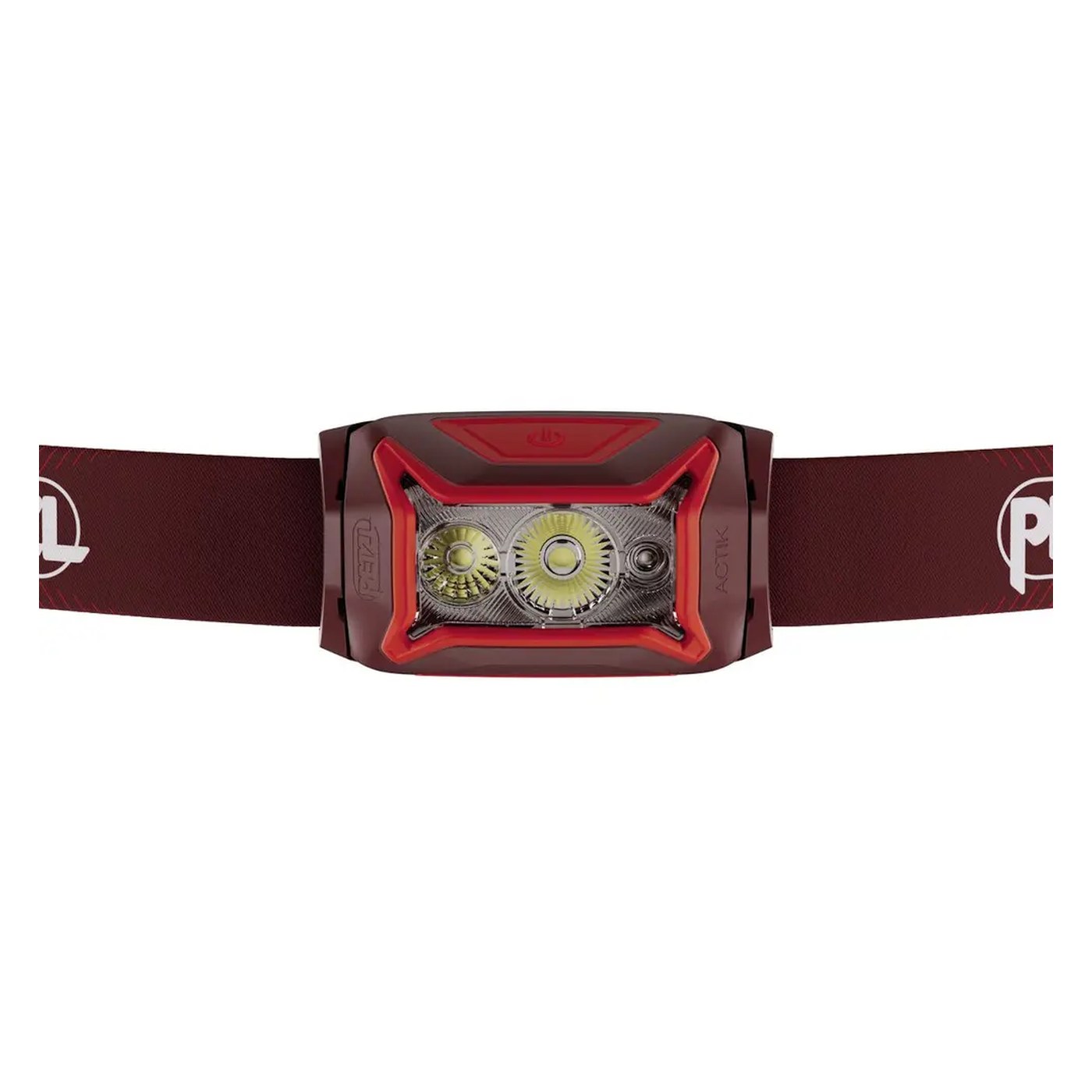
In the Petzl lineup, the Actik Core was never built for ultra-trail strides. It's the all-purpose headlamp, the one people recommend when you want a single light for hiking, camping and evening easy runs without breaking the bank. Still in the catalog more than ten years after its original launch, it got a 2026 update that finally fixes its two oldest complaints.
© Petzl, official photo used for editorial purposes
Petzl Actik Core: the all-purpose headlamp finally fixes its two old flaws
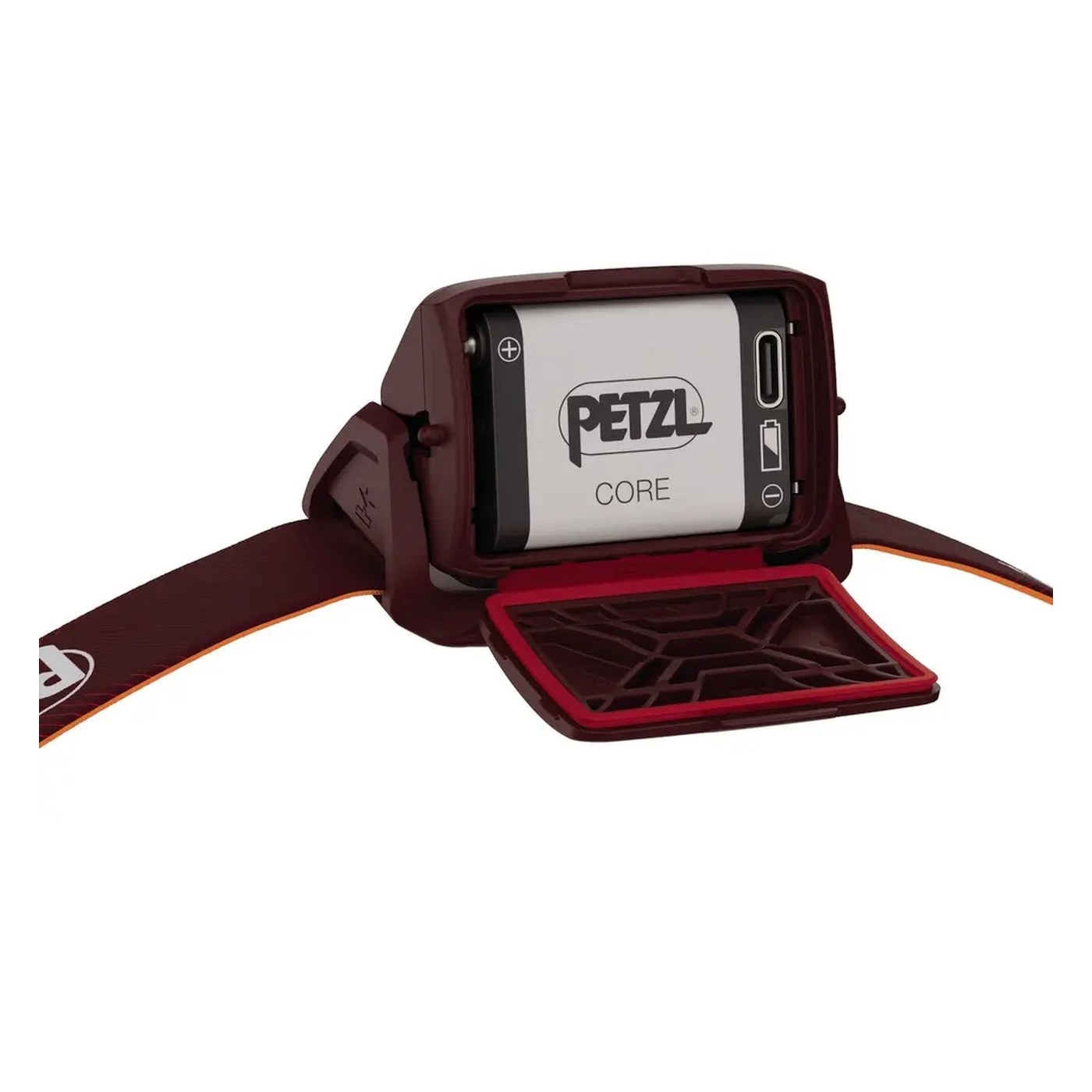
Since its launch, the Actik range has been Petzl's entry-level to mid-range headlamp, sitting below the more trail-focused Swift RL and Nao RL with Reactive Lighting. The Core version bets on the HYBRID CONCEPT design: a rechargeable CORE battery comes standard, and you can switch to 3 standard AAA batteries when needed. The lamp detects the power source automatically.
The 2026 update brings two concrete, long-awaited changes. The charging port finally moves from micro-USB to USB-C. And the battery compartment, long criticized as hard to open with cold or gloved hands, has been redesigned to open more easily. Maximum output climbs slightly from 600 to 625 lumens, a marginal gain that doesn't fundamentally change how you use it.
RunMorph's tip: if you want a headlamp built for fast trail running, with a beam that adapts automatically to your speed, the Petzl Swift RL and its Reactive Lighting technology remain the better pick. The Actik Core targets more general use: hiking, camping and the occasional easy run along a road or on a familiar loop.
Field test: power, real-world battery life and handling
On paper, the Actik Core's spec sheet is generous: 100 hours of battery life on low, enough for several nights of camping without a recharge. An independent field test run over several weeks of hiking and camping tempers that promise with one key figure, though: on high, battery life drops to just 2 hours, versus 7 hours on standard. The gap between the 100 hours at the top of the spec sheet and the real 2 hours at full power is harsher than the marketing suggests. Factor it in before heading out on a long night outing on high.
A more recent independent measurement, done specifically on the updated 2026 version, confirms the same gap (625 lumens, 2 hours on high) and adds a useful comparison: the 115-meter beam distance at full power trails some rivals with similar or even lower output. That's a sign the Actik Core's mixed beam favors close-range versatility over pure distance.
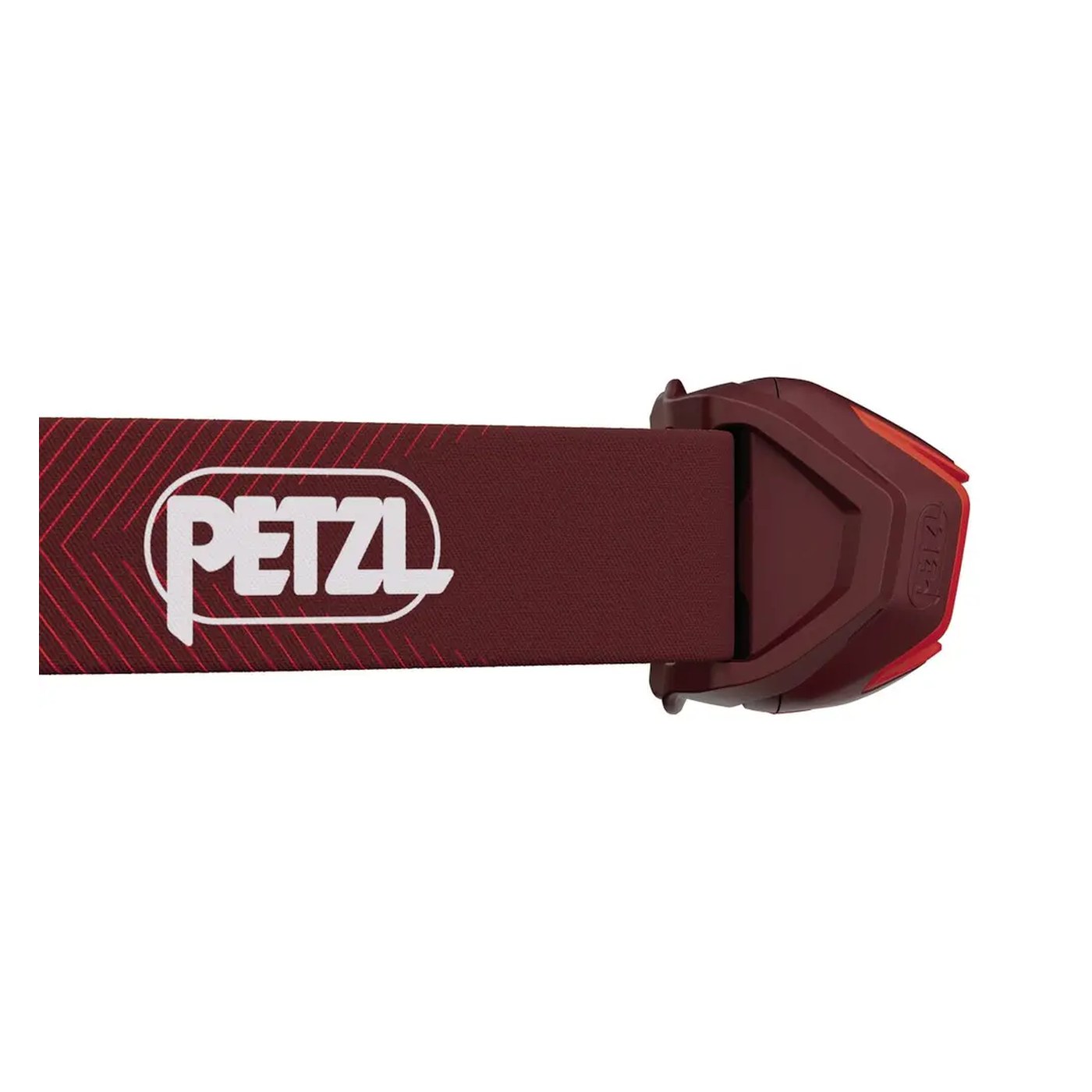
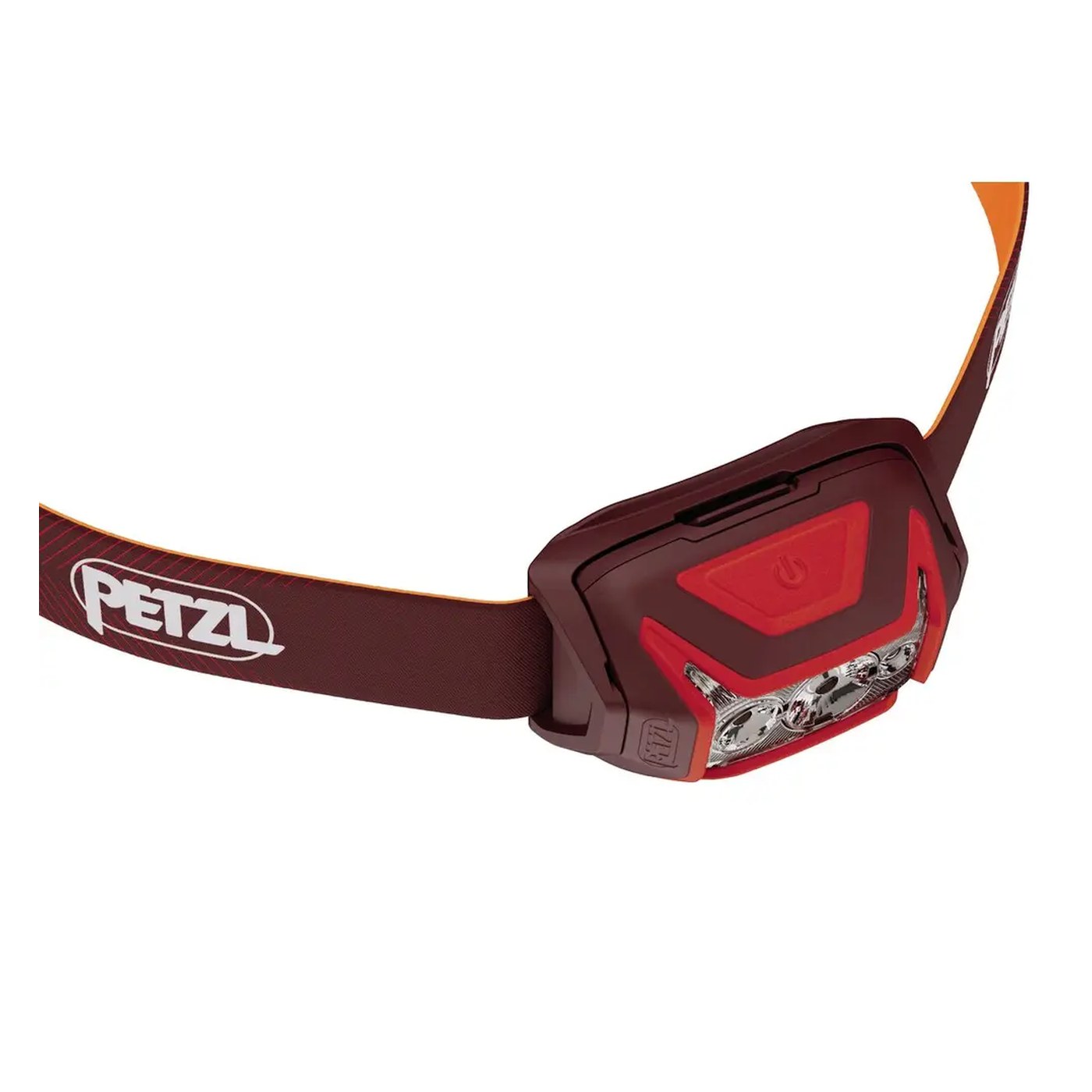
On comfort, the verdict is unanimous: at 88 g, you forget the lamp is on your head, and the well-balanced weight avoids the "heavy forehead" feel of some more powerful headlamps. The wide, adjustable headband stays put whether you're hiking or on an easy run, without slipping or squeezing. The single button also earns praise for its simplicity, even with gloves on.
© Petzl, official photo used for editorial purposes
Petzl Actik Core vs Petzl Swift RL vs Ledlenser NEO9R: head to head
| Criterion | Petzl Actik Core | Petzl Swift RL | Ledlenser NEO9R |
|---|
| Max output | 625 lm | 1100 lm | 1200 lm |
| Weight | 88 g | ~100 g | 199 g |
| Adaptive beam | No | Yes (Reactive Lighting) | No |
| Charging | USB-C (2026) | USB-C | Magnetic USB-C |
| AAA battery compatible | Yes | No | No |
| Water resistance | IPX4 | IP67 (lamp) | IP54 |
| Price | ~€60 | ~€110 | ~€130 |
Against the Petzl Swift RL, the Actik Core loses on raw power and has no adaptive beam, but it wins on price, weight and the flexibility of backup AAA batteries, a real asset on a trek or expedition far from any power outlet. Against the heavier, pricier Ledlenser NEO9R, the Actik Core bets on simplicity and low weight rather than maximum power and connected features.
Pros and cons
Pros
- Very light (88 g) and comfortable for hours
- Hybrid power: rechargeable CORE battery or 3 AAA batteries as backup
- USB-C at last, since the 2026 update
- Versatile mixed beam, LOCK function and a full red mode
- Excellent value for money at around €60
Cons
- Battery life on high limited to just 2 hours
- 115 m beam distance trails comparable rivals
- IPX4 only, no protection against submersion
- No adaptive beam like Reactive Lighting
© Petzl, official photo used for editorial purposes
Our field verdict: who is the Actik Core for?
The all-round hiker and camper
This has always been the Actik Core's core audience: a light, simple, reliable headlamp for walking, setting up camp and reading in the tent, with low-mode battery life that covers several days of trekking.
The evening runner on a familiar loop
For regular easy runs on a route you know, the Actik Core does the job without fuss, as long as you stay on standard rather than high to stretch battery life.
The trail runner who stacks up fast night runs
For long outings on high over technical terrain, 2 hours of battery life at full power quickly becomes a limit. A more specialized lamp like the Petzl Swift RL or the Petzl Nao RL is a better fit for that use.
© Petzl, official photo used for editorial purposes
For evening runs on a familiar route, pair the Actik Core with a RunMorph training plan and stick to standard mode (100 lumens, 60 m beam distance), the best balance between visibility and battery life. Save high mode for short technical sections rather than continuous use.
RunMorph verdict
The 2026 Petzl Actik Core smartly fixes its two oldest complaints: the switch to USB-C and a battery compartment that's finally easy to open are welcome updates on a headlamp that hadn't fundamentally changed in years. At 88 grams and around 60 euros, it remains a solid all-purpose benchmark for hiking, camping and the occasional evening run.
The gap between the headline battery life (100 hours) and real-world battery life on high (2 hours) is worth knowing before you buy, as is the IPX4 rating, which falls short of more water-resistant rivals. Neither is a deal-breaker for its main intended use, but together they clearly keep the Actik Core out of demanding trail running, where the brand's own Swift RL and Nao RL remain the better choices.
7.5/10: a versatile, well-updated headlamp, cut out for hiking and camping rather than night ultra-trail.