Running with regular earbuds always raises the same safety question: you hear your music, but you stop hearing the traffic. The Shokz OpenRun has solved that dilemma for years with bone conduction, without ever chasing high-end sound. RunMorph cross-checked independent reviews to see whether this premium entry-level model still holds up against its own newer siblings.
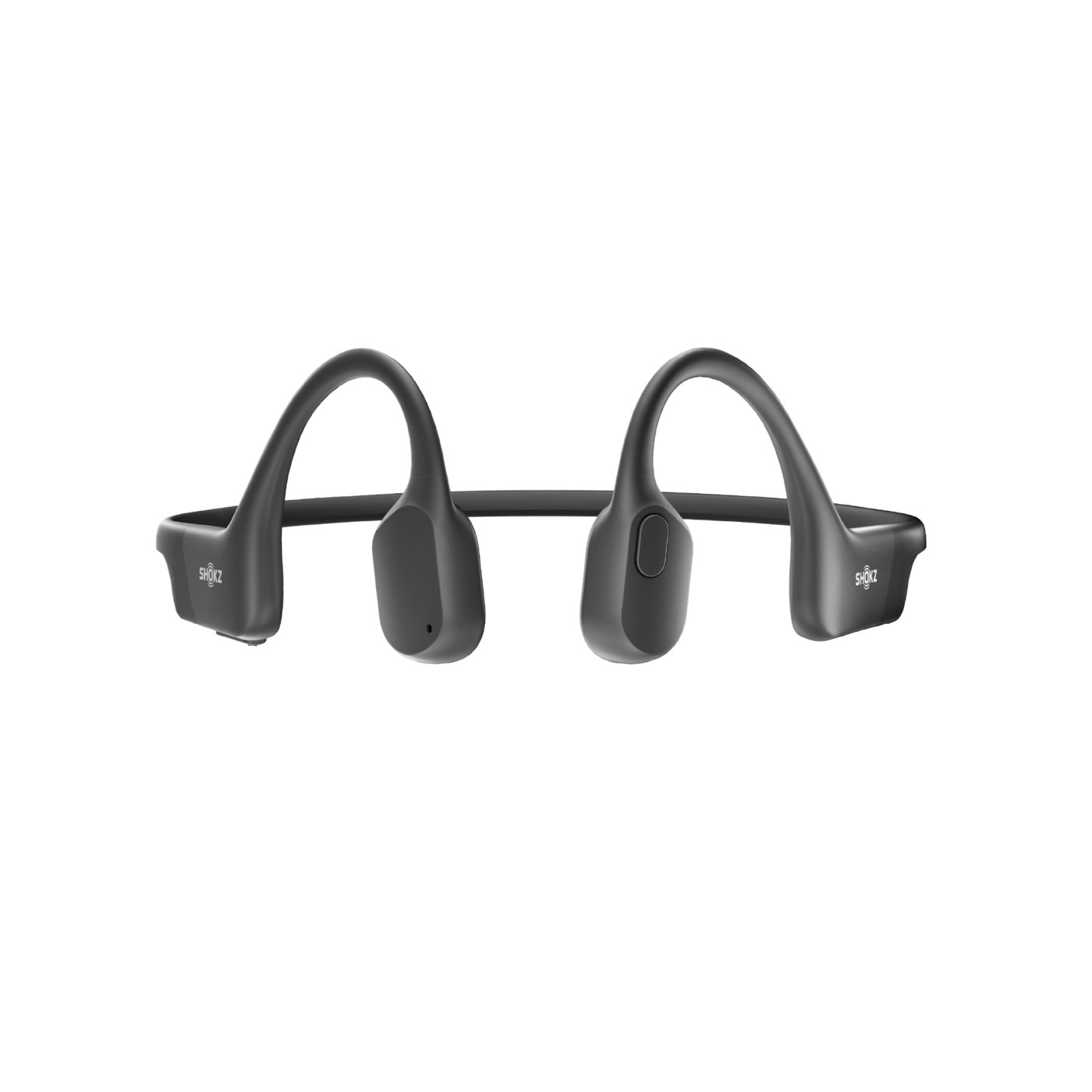
© Shokz, official photo used for editorial purposes
Shokz OpenRun: the bone conduction headset that took the category mainstream
Shokz (formerly AfterShokz) built its entire reputation on a simple bet: instead of plugging your ears, send the sound straight through your jawbone. The OpenRun is the model that brought this technology to the general public, before more premium versions arrived. It's still on sale today, at a much lower price since its higher-end successors launched.
It sits in a Shokz lineup RunMorph already covers extensively, between the OpenRun Pro 2, with more bass and longer battery life, and newer open-ear models like the OpenFit 2. The base OpenRun holds a special spot: the premium entry-level model that keeps the essentials behind the brand's success without charging extra for the latest tech.
RunMorph's advice: bone conduction doesn't replace regular earbuds for pure sound quality. If deep bass for gym workouts is your top priority, look at in-ear earbuds instead. If hearing traffic while you run in the city or on open roads comes first, the OpenRun is still a smart choice.
Shokz OpenRun specs
| Brand | Shokz |
| Model | OpenRun (Type-C version) |
| Technology | Bone conduction, titanium band |
| Weight | 25 to 26 g |
| Water resistance | IP67 (dust and accidental immersion), not designed for swimming |
| Claimed battery life | 8 h of music/calls |
| Measured battery life | Up to 14 h of music-only playback in an independent review |
| Quick charge | 10 minutes of charging = about 1 h 30 min of listening |
| Connectivity | Bluetooth 5.1, no multipoint connection |
| Official price | About €110 (launched at €140, available from €95-105 at some retailers) |
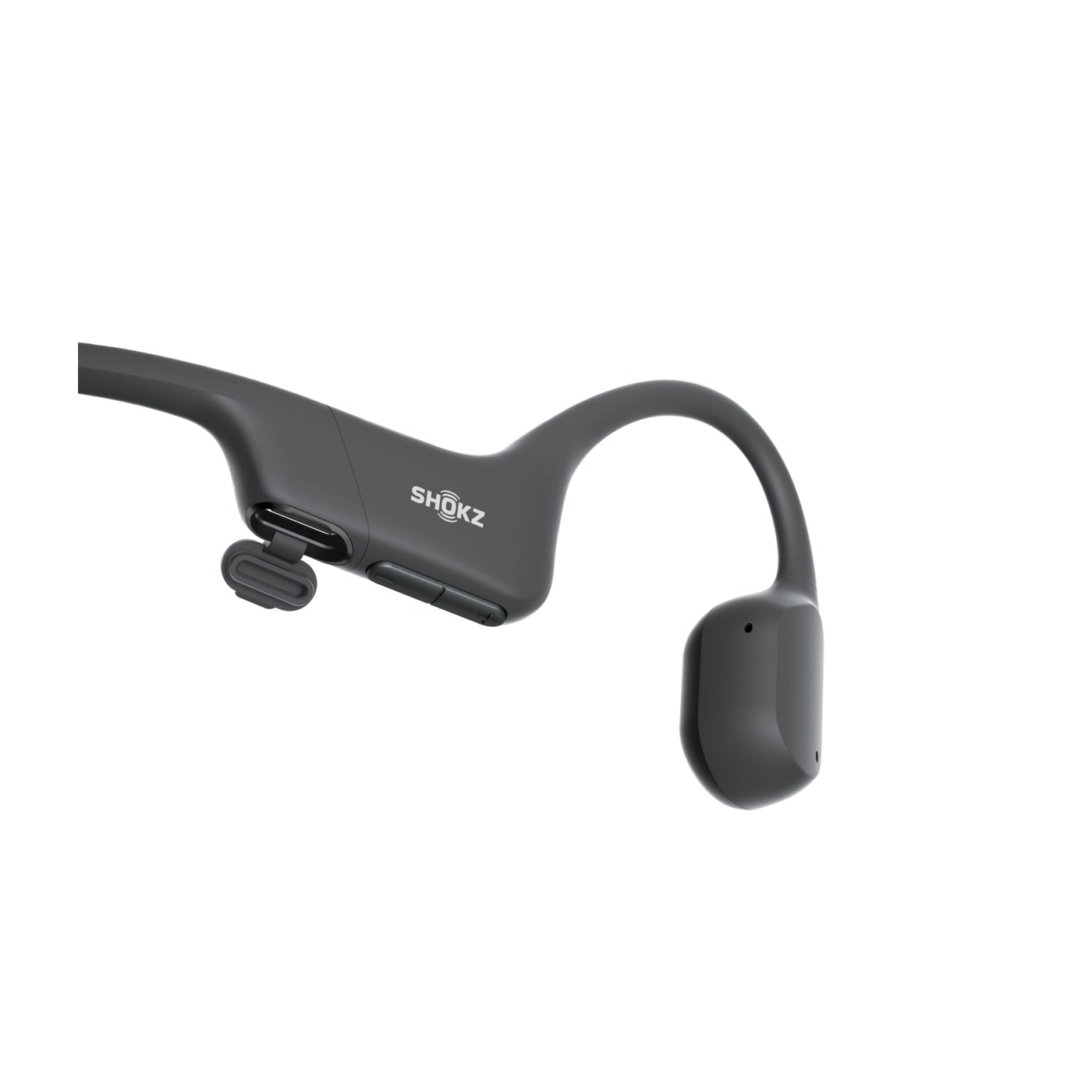
© Shokz, official photo used for editorial purposes
Field test: comfort, battery life and sound limits
RunMorph cross-checked two full field reviews: one French, based on several weeks of runs, and one English-language, with a timed battery test. The goal was to set the hard numbers against real-world impressions.
On comfort, both reviews agree completely. The silicone-coated titanium hugs your head without ever squeezing, and having nothing inside the ear canal comes across as a real relief compared with regular in-ears, even under a winter beanie or with a trail headlamp. The fit stays stable when you jump or change direction sharply, and there are no moving parts to wear out. On battery life, the independent review measured nearly 14 hours of music-only playback on one charge, almost double the 8 hours the brand claims. That's a notable gap, backed up by a 10-minute quick charge that adds about 1 h 30 min of listening.
Sound is another story, and both reviews agree on the limits. Voices and mids are decent, and synth lines come through without distortion, but the bass never really goes deep and the treble can get a little harsh on some passages. The independent review adds that call quality is the weak spot: your voice sounds somewhat muffled compared with regular earbuds, and wind noise outdoors easily disrupts the mic. One review also flags small buttons that are awkward to use with gloves on, a minor but real annoyance on winter runs.
Shokz OpenRun vs OpenRun Pro 2: which one to choose
| Shokz OpenRun | Shokz OpenRun Pro 2 |
|---|
| Technology | Standard bone conduction | DualPitch bone conduction |
| Claimed battery life | 8 h | 12 h |
| Bass | Limited | Much more present |
| Weight | 25-26 g | 29 g |
| Water resistance | IP67 | IP55 |
| Price | ~€110 | ~€199 |
Both models share the same open-ear philosophy, but the price gap reflects different priorities. The OpenRun Pro 2 fixes the lineup's main weakness with fuller bass and longer battery life, at almost twice the price. The base OpenRun still makes sense if budget matters more than pure sound quality, or if IP67 (more resistant to immersion than the Pro 2's IP55) tips the scales for heavy use in the rain.
Our field verdict: who should buy the OpenRun?
The OpenRun is still an excellent entry point into bone conduction: comfortable, safe on open roads, and with battery life that far exceeds the official spec sheet. It doesn't pretend to compete with premium earbuds on sound, and that's fine: it's not what it's built for.
To structure your runs with music without losing track of your progress, lean on a
RunMorph training plan that sets your pace and intensity, instead of letting the playlist dictate the rhythm of your workout.
RunMorph Coach verdict
The Shokz OpenRun still delivers on its original promise: comfort and safety that are hard to beat on open roads, with real-world battery life well beyond the official claim. Sound is its acknowledged limit, never on par with regular in-ear earbuds. 8.1/10, a safe bet for anyone who puts safety and comfort ahead of audio fidelity.