Mizuno remains the quietest brand in French trail running. No sponsored athlete lighting up Strava, no big booth at the expos, and a lineup cut down to three families most trail runners couldn't even name. With the Neo Daichi 10, though, the Japanese brand changes names mid-course: the historic "Wave" drops off the label, replaced by a partly nitrogen-infused foam meant to wake up a model that had played it safe until now. The question is whether the new name hides a real technical break or just a marketing refresh.
© Mizuno, official photo used for editorial purposes
Mizuno Neo Daichi 10: the Daichi changes its name because it changes its foam
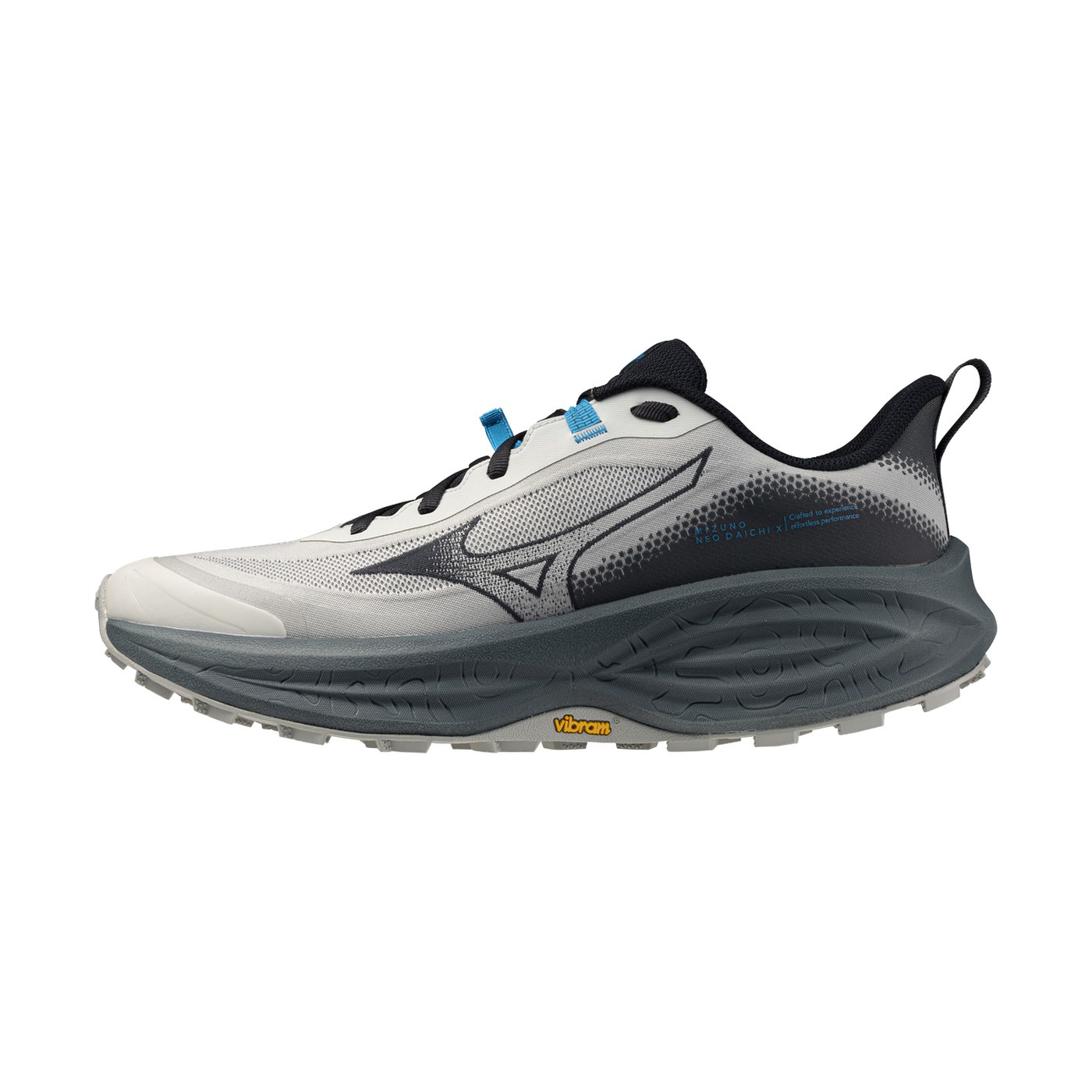
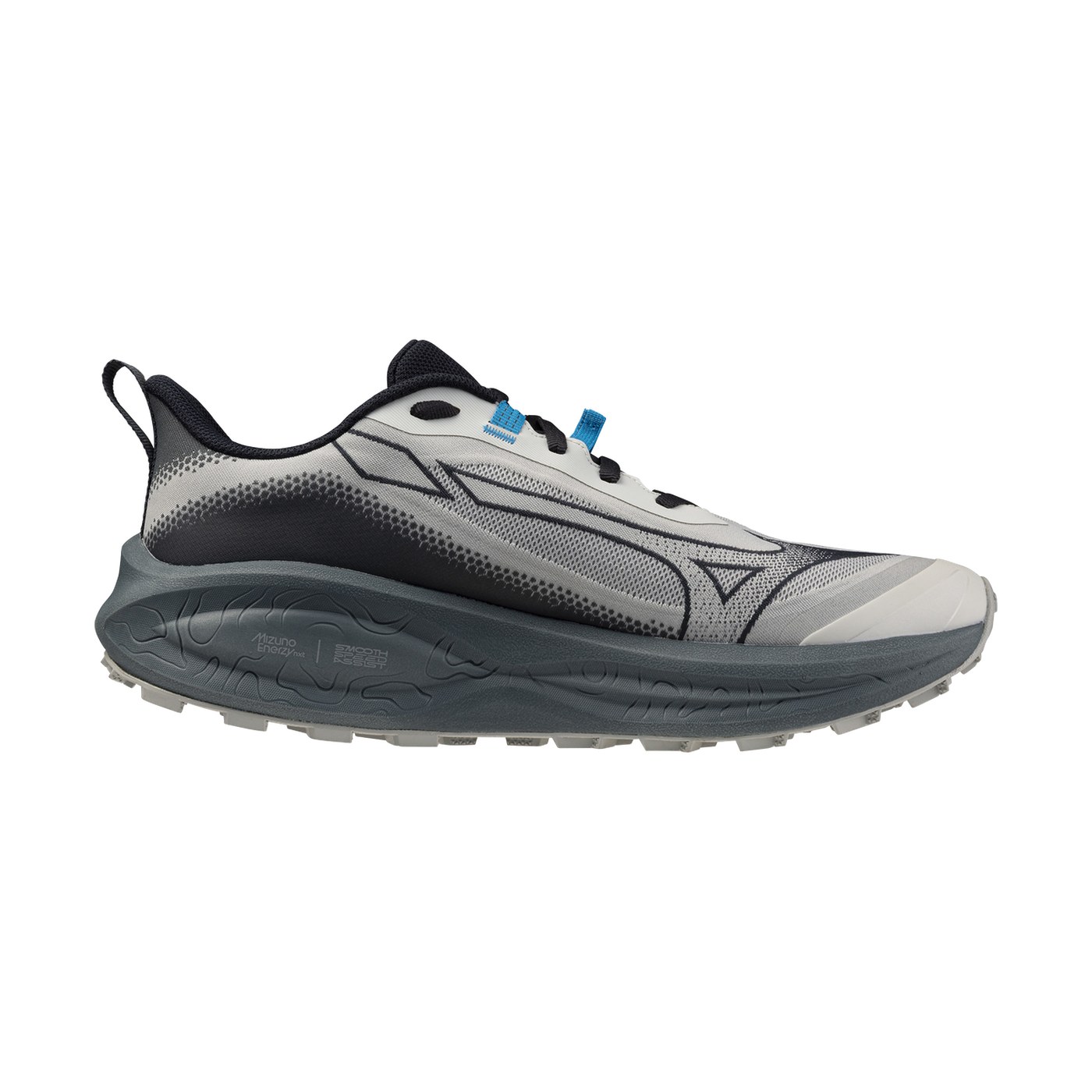
For nine generations, the Daichi carried the "Wave" prefix like every heritage Mizuno shoe, named after the wavy plastic plate slipped into the sole to stabilize your stride. With the tenth version, that prefix is simply gone. Mizuno renames it "Neo Daichi 10", and the internal construction changes deeply. The upper layer of the midsole switches to a partly nitrogen-infused Enerzy NXT foam, while the lower layer stays in EVA-based Enerzy NXT for stability. The brand promises softer cushioning and better energy return than the Wave Daichi 9, without touching the rest of the recipe: Vibram Megagrip, a forefoot Rock Plate and a versatile focus on regular training rather than racing.
The name change fits a broader trend at Mizuno, already underway on the Neo Zen and the road-going Neo Vista: the brand is gradually phasing out the "Wave" vocabulary on its newest models to mark the shift toward supercritical or nitrogen-infused foams. On the Daichi, the bet differs from a racing shoe's. The goal isn't to shave seconds but to make a shoe more pleasant when its first job is to absorb hours of effort on changing terrain.
RunMorph tip: if you're torn between the Neo Daichi 10 and a safe bet like the Salomon Sense Ride 5, think about terrain. On runnable to mildly technical trails, the two are evenly matched. On very muddy or very rugged ground, the Hoka Speedgoat 7 still bites harder.
Nitrogen-infused Enerzy NXT and Smooth Speed Assist: what really changes underfoot
Nitrogen injected into an EVA foam creates a mass of cells that compress and then spring back, aiming for softer cushioning without sliding into a completely dead foam. On the Neo Daichi 10, Mizuno doesn't bet on a single block of nitrogen foam. The construction stays dual-density, with nitrogen reserved for the upper layer for impact comfort and a classic EVA base for lateral stability. It's a more cautious approach than a fully supercritical road model, consistent with a shoe built for versatility rather than racing.
The geometry also gets "Smooth Speed Assist", a technology derived from Mizuno's racing shoes and adapted here to help you keep an efficient foot roll on long runs rather than to maximize pure speed. In plain terms: the Daichi borrows vocabulary from the brand's performance range without its aggressiveness. That makes sense for a shoe whose weight (277 to 290 g) and level of protection target endurance rather than the clock.
On grip, the Vibram Megagrip outsole and its 4 mm lugs are claimed to be deeper than those of the Wave Daichi 9 (3.5 mm), which should improve traction on loose or soaked ground if Mizuno's figures hold up on the trail.
© Mizuno, official photo used for editorial purposes
Field test: what the first feedback says
Let's be clear: the Neo Daichi 10 has only just launched (early August 2026) and no complete independent field test of this exact model exists yet at the time of publication. At RunMorph, we'd rather own that than dress up a product sheet as a review. What follows draws on technical data verified with the French retailer i-Run and on the field feedback available for the previous generation, the Wave Daichi 9, tested in real conditions by the French specialist press.
On the Wave Daichi 9, the French field tests agreed: a reliable, comfortable shoe, with effective grip on dry, rocky ground thanks to Vibram Megagrip, cushioning described as "plush without being excessive", and reassuring stability on descents thanks to the Wave plate. The same tests flagged two recurring limits. A narrow toe box penalized wide feet, and the shoe lacked snap on changes of pace, since it's clearly built for steady running rather than attacking. The discreet 3.5 mm lugs also limited grip on very greasy terrain.
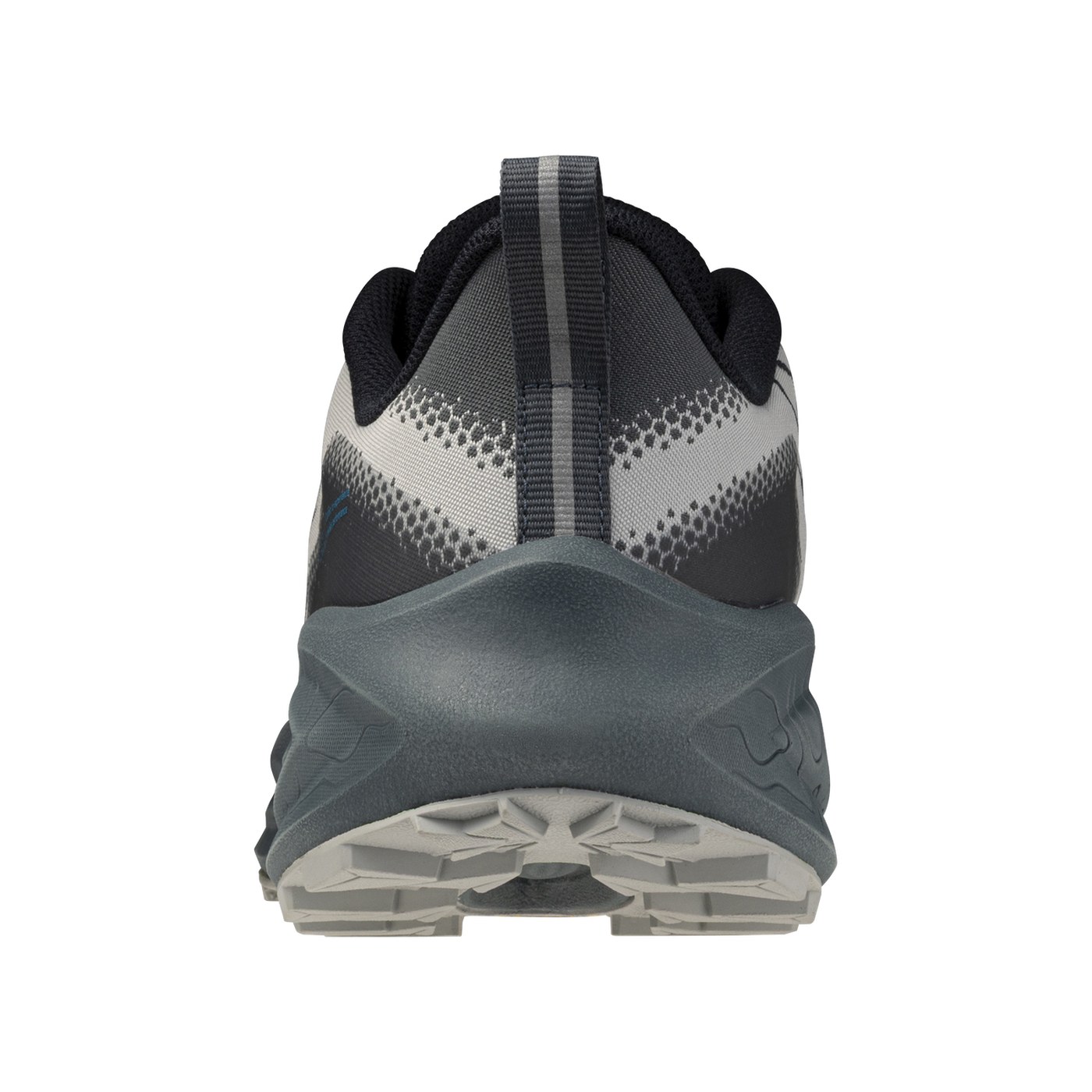
The Neo Daichi 10 keeps much of that DNA while changing the foam and announcing deeper lugs (4 mm versus 3.5 mm). Even if Mizuno delivers on improved responsiveness without breaking the stability that built the line's reputation, the historic weak spot of the narrow fit remains an unknown until an independent test confirms whether the new woven mesh changes anything there. At RunMorph, we'll retest this point as soon as independent field feedback on the exact model becomes available.
Pros and cons
What we liked
- Vibram Megagrip at €150, a rare choice in this price bracket
- A Rock Plate that genuinely protects the forefoot on stony ground
- Eco-conscious build, over 75% recycled material in the upper
- Clear positioning: one pair for training and long runs
What's still unconfirmed or a problem
- No independent field test of the exact model at the time of publication
- Mizuno's historically narrow fit, possibly carried over
- Responsiveness claimed to be improved but never measured on this version
- 4 mm lugs that stay moderate for very muddy terrain
© Mizuno, official photo used for editorial purposes
Our take: who is it for?
The Neo Daichi 10 is for the trail runner who wants a shoe they don't have to think about before every run: forest trails on Tuesday evening, rocky singletrack on the weekend, a three-hour long run on Sunday morning. It isn't built for the clock or for extreme terrain. It's built for racking up kilometers without a second thought, with protection that reassures over time.
The smart RunMorph move: the Neo Daichi 10 slots naturally into a long-distance trail build or a return-from-injury plan, where protection and consistency matter more than pure speed. Pair it with a RunMorph training plan suited to your trail goal to structure your long runs without multiplying pairs of shoes.
RunMorph Coach verdict
The Neo Daichi 10 ticks the right boxes on paper: Vibram Megagrip at €150, serious forefoot protection, largely recycled materials, and a Daichi heritage that has proven itself generation after generation on versatility. But the foam change remains a promise no one has independently verified to date, and the lineage's chronic flaw (a narrow toe box) has no reason to vanish overnight just because the name changes. 7.5/10: a good product, honest about its positioning, but one that deserves a reassessment as soon as the first real independent field tests land on the exact model. As it stands, it earns a spot on a shortlist, not a blind purchase.