Not every trail pole chases minimum weight. Raidlight's Compact Z Carbon makes a different call: a carbon-aluminum blend built to take a beating on rocky ground without snapping, at a price that stays reasonable. Here's how it stacks up against the pure-carbon benchmarks on the market.
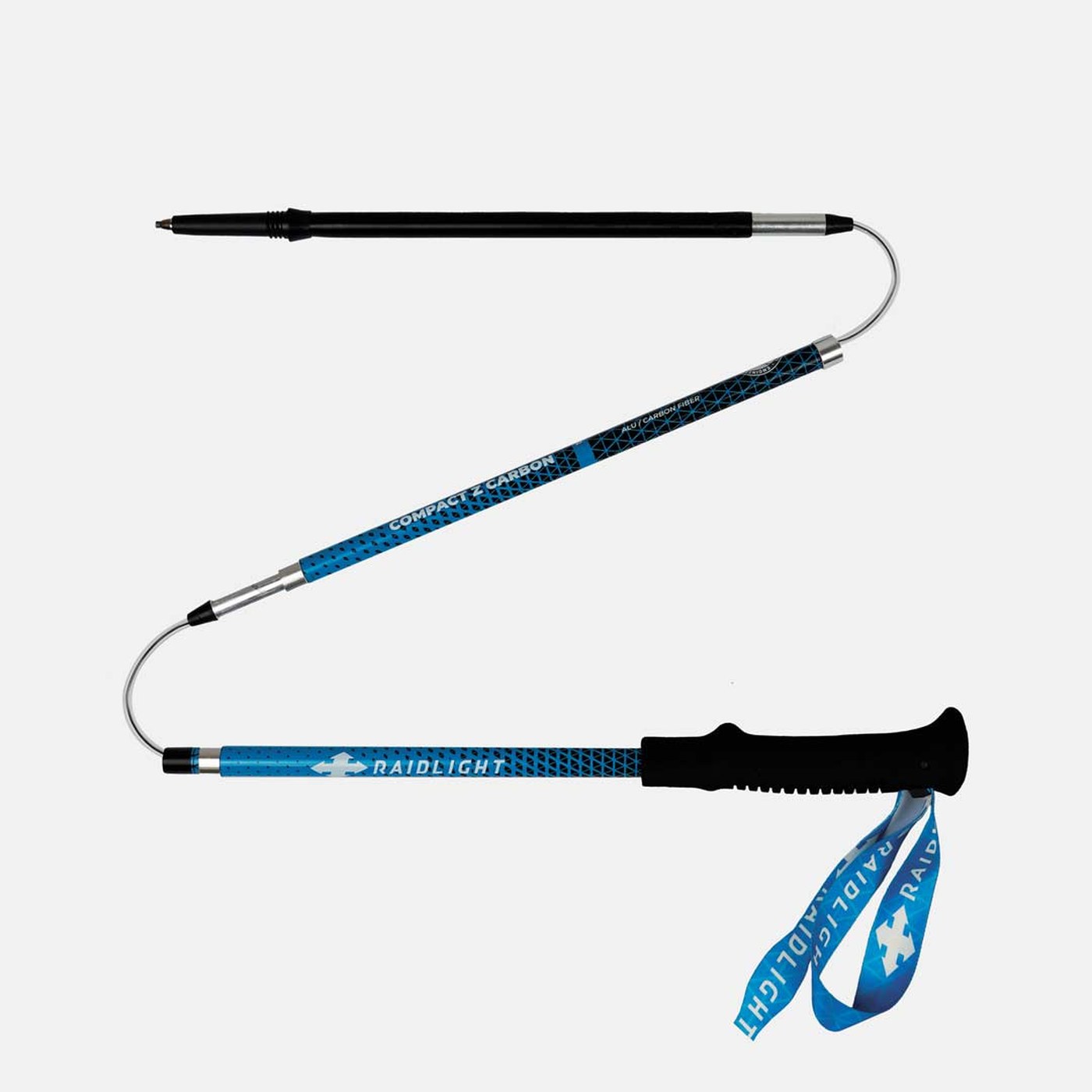
© Raidlight, official photo used for editorial purposes
Raidlight, the French brand that covers every pole segment
Raidlight, a historic French trail running brand based in Saint-Pierre-de-Chartreuse since 1999, offers a pole lineup spread across several segments: from the very light, 100% carbon Ultralight Carbon to the Compact Z Carbon, positioned as a more affordable and tougher carbon-aluminum hybrid. That second model, currently in the Raidlight catalog, is the one RunMorph put through its paces.
The 50% carbon, 50% aluminum blend is a deliberate choice. The brand openly wants more impact resistance on the most stressed parts of the pole, even if that costs a few grams against an all-carbon model. It's a different position from the ultralight poles RunMorph has already reviewed.
Raidlight Compact Z Carbon specs: balancing toughness and weight
| Feature | Value |
|---|
| Brand | Raidlight |
| Model | Compact Z Carbon |
| Type | Folding trail pole, unisex |
| Weight | 185 g per pole |
| Material | 50% carbon, 50% aluminum |
| Folding | 3 sections, Z system |
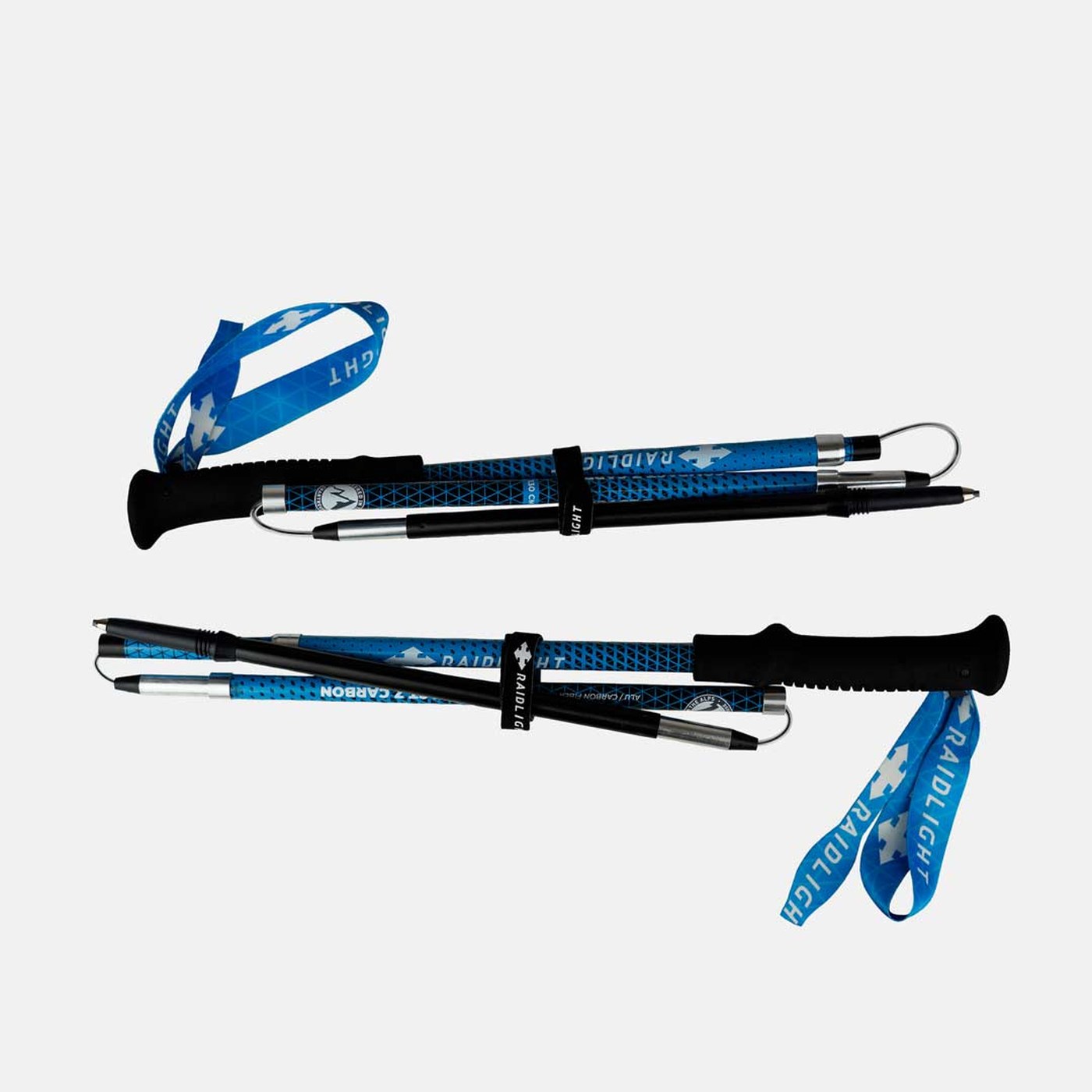
| Folded length | 40 cm |
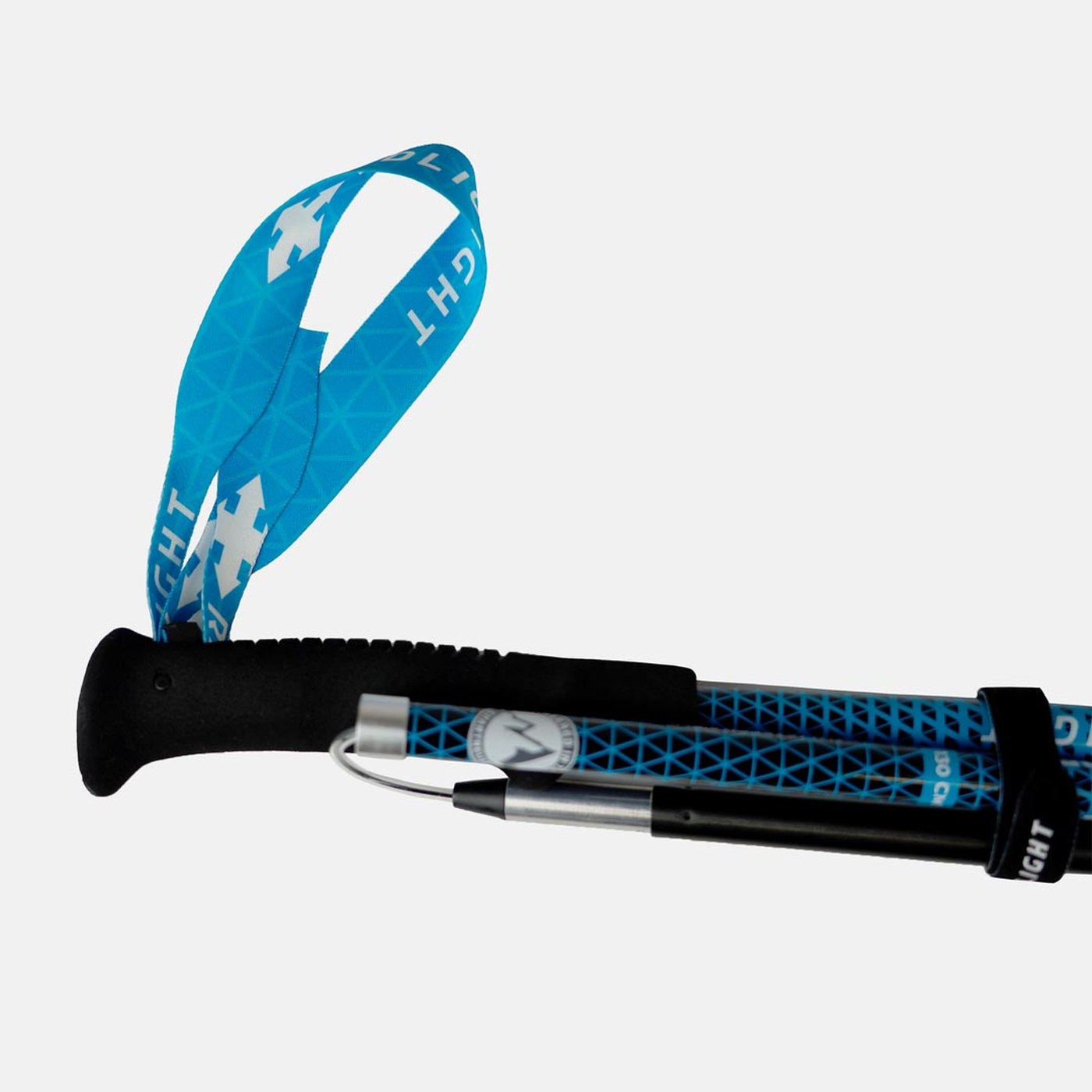
| Handle | Ergonomic 3D EVA foam |
| Wrist strap | Soft, light, adjustable |
| Tip | Rubber, for hiking |
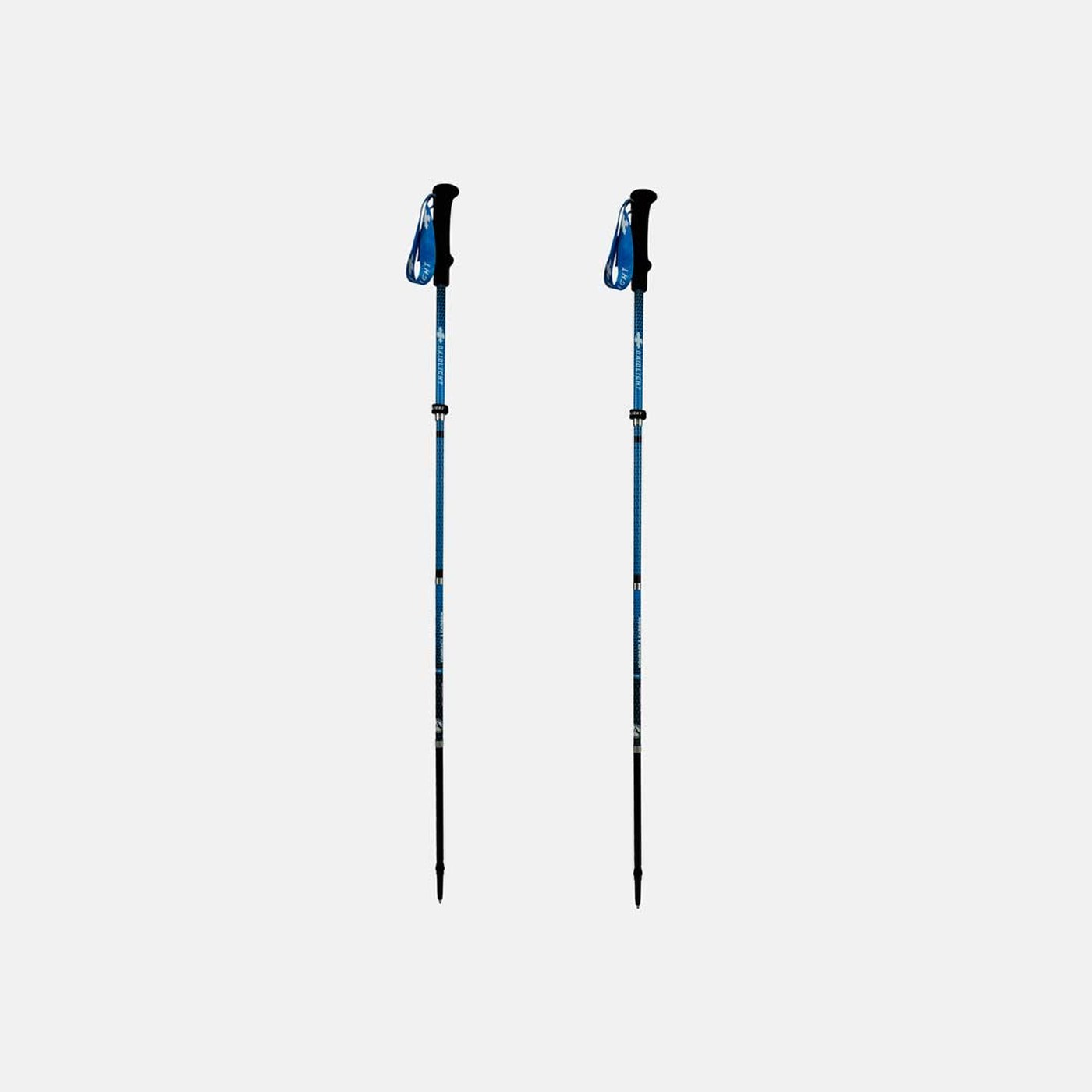
| Sizes | 110 / 115 / 120 / 125 / 130 cm |
| Price | €119.90 a pair |
© Raidlight, official photo used for editorial purposes
Carbon and aluminum: why the blend instead of pure carbon?
On an all-carbon pole, stiffness and low weight come first, at the cost of side-impact resistance that can fall short after a bad fall or when the pole jams between two rocks. Raidlight goes the other way on the Compact Z Carbon. Carbon provides stiffness in the push zones, while aluminum takes over the most mechanically stressed sections, where it flexes more without snapping clean.
In practice, you get a pole slightly heavier than the segment average (185 g versus 141 to 154 g for the Kiprun Bâtons Trail Carbone, for example), but one that inspires more confidence on ground littered with boulders and roots, where a pure-carbon pole can crack when you plant it at the wrong angle.
© Raidlight, official photo used for editorial purposes
On the trail: comfortable and compact, but not built for technical scree
Out on the trail, the ergonomic EVA foam handle sits well in your hand on long outings, and the soft, adjustable wrist strap causes no chafing even after several hours of effort. The 3-section fold packs down to 40 cm, a size that slips easily into the side pockets of most running vests.
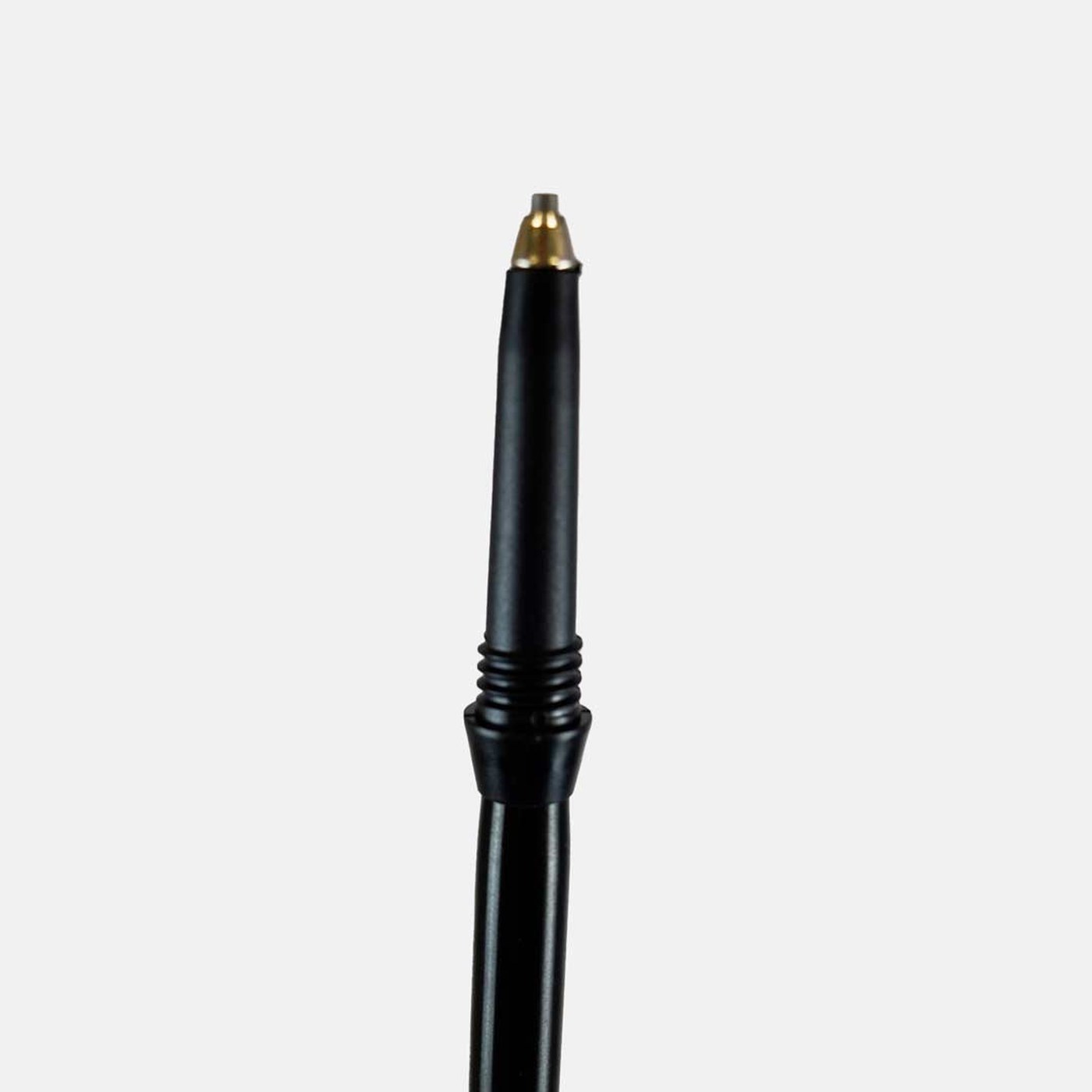
What really sets this pole apart from its direct rivals (Kiprun, Guidetti, Leki) is its rubber tip instead of tungsten carbide. On pavement, runnable singletrack or hard-packed dirt, it grips perfectly and even absorbs a bit of shock. On dry scree or bare rock slabs, though, it slips more than a carbide tip and wears faster. That fits the product's positioning: a versatile hiking and trail pole, not a technical skyrace tool.
RunMorph's tip: the Raidlight Compact Z Carbon works very well for runnable trail outings and fast hiking. For highly technical ultras with exposed scree, go for a model with a carbide tip like the Kiprun Bâtons Trail Carbone or the Guidetti Platinium Néo.
© Raidlight, official photo used for editorial purposes
Raidlight Compact Z Carbon vs Kiprun Bâtons Trail Carbone: the affordable pole showdown
Both poles target a similar crowd: runners who want to keep the budget in check and still count on reliable gear every day. The Kiprun Bâtons Trail Carbone is lighter and cheaper, with a tungsten carbide tip that handles technical terrain better. The Raidlight Compact Z Carbon fires back with its hybrid carbon-aluminum build, known to tolerate side impacts better, and with the French brand's deep roots in trail running.
| Criterion | Raidlight Compact Z Carbon | Kiprun Bâtons Trail Carbone |
|---|
| Weight | 185 g / pole | 141 to 154 g / pole |
| Price | €119.90 | €99.99 |
| Material | 50% carbon, 50% aluminum | 60% carbon, 40% fiberglass |
| Tip | Rubber (hiking) | Tungsten carbide |
| Folding | 3 sections, Z | Push/pin, 3 sections |
For technical trail running with lots of rocky ground, the Kiprun keeps a clear edge in grip and weight. For more versatile use mixing runnable trails and fast hiking, where overall toughness matters more than the last gram, the Raidlight comes out ahead.
Raidlight Compact Z Carbon pros and cons
Pros
Hybrid carbon-aluminum build that tolerates side impacts better. Ergonomic EVA handle that stays comfortable for hours. Soft, adjustable wrist strap with no chafing in our testing. Compact fold to 40 cm in 3 sections. Historic French trail running brand (Chartreuse, since 1999).
Cons
185 g per pole, heavier than several rivals in the same price bracket. Rubber tip less suited to technical scree than a carbide tip. Slightly pricier than the equivalent Kiprun, with no weight saving in return. No all-carbon version in this specific line.
© Raidlight, official photo used for editorial purposes
Our trail verdict: who is it for, and which RunMorph training fits?
The Raidlight Compact Z Carbon is built for runners who mix runnable trails, fast hiking and long runs on not-too-technical paths, and who value overall toughness over shaving grams. It's a reliable backup for handling climbs without worrying about snapping it on the first misstep.
To build poles into your trail prep, whatever your goal, check out the
RunMorph training plans that structure your hilly runs and your climbing progress.
RunMorph Coach verdict
The Raidlight Compact Z Carbon doesn't try to compete on weight or pure technical performance, and that's exactly what makes it coherent: a tough hybrid build, a compact fold and a solid, comfortable grip in hand, for versatile use rather than racing.
RunMorph verdict: 7.5/10. A good all-rounder pole, best kept for runnable trail outings and hiking rather than the most technical ultras.