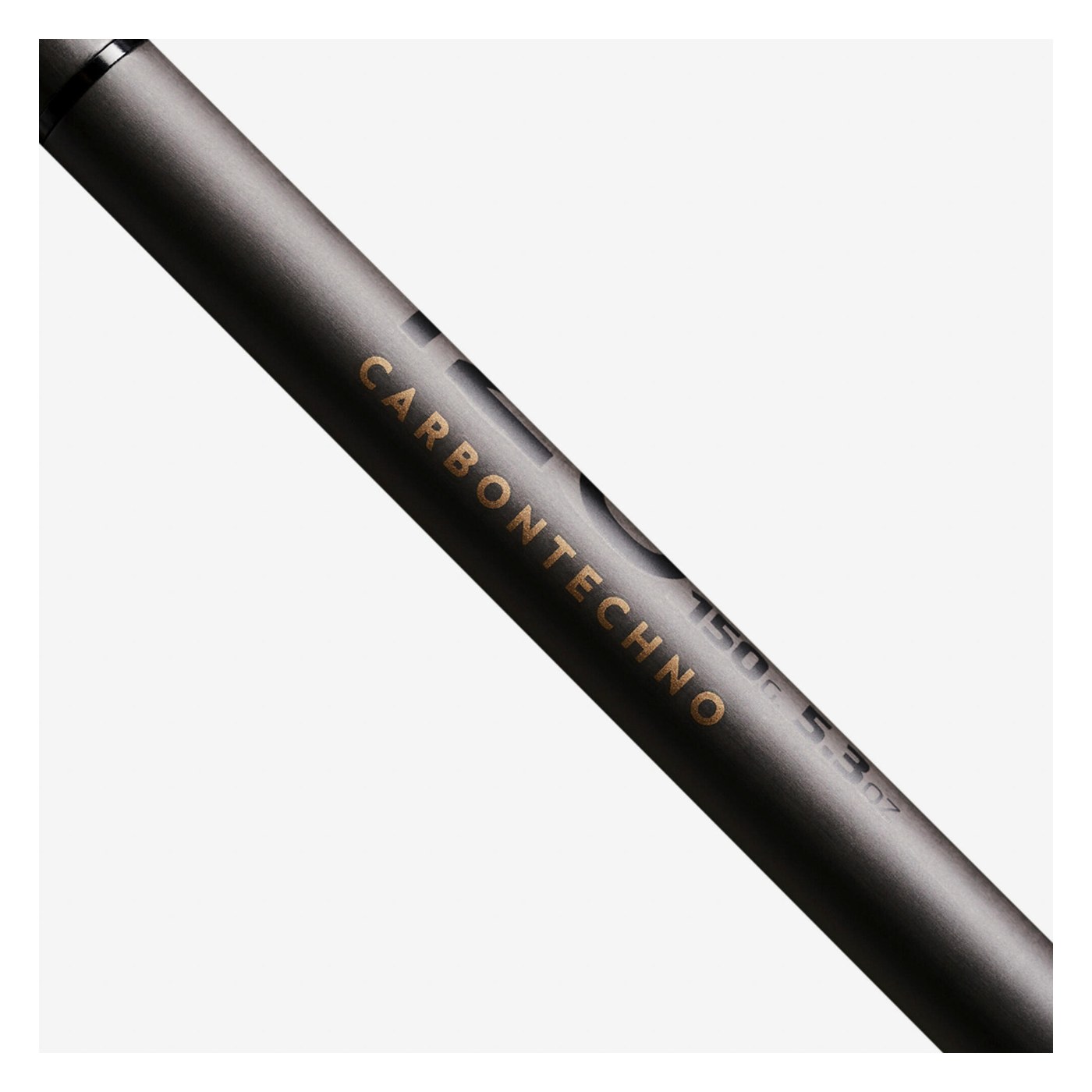
Kiprun Bâtons Trail Carbone Review: The €100 Premium Challenger
8/10
For a long time, the folding carbon pole was a luxury item: 150, 180, sometimes 200 euros for a pair from Leki or Black Diamond. Then Decathlon showed up with its trail brand Kiprun (formerly Evadict) and a simple idea: a 3-section carbon pole with a tungsten tip for 100 euros. On paper, it looks like a provocation. On the trail, the question gets serious: how low can the price go without sacrificing what really matters when you are still poling after six hours of effort?
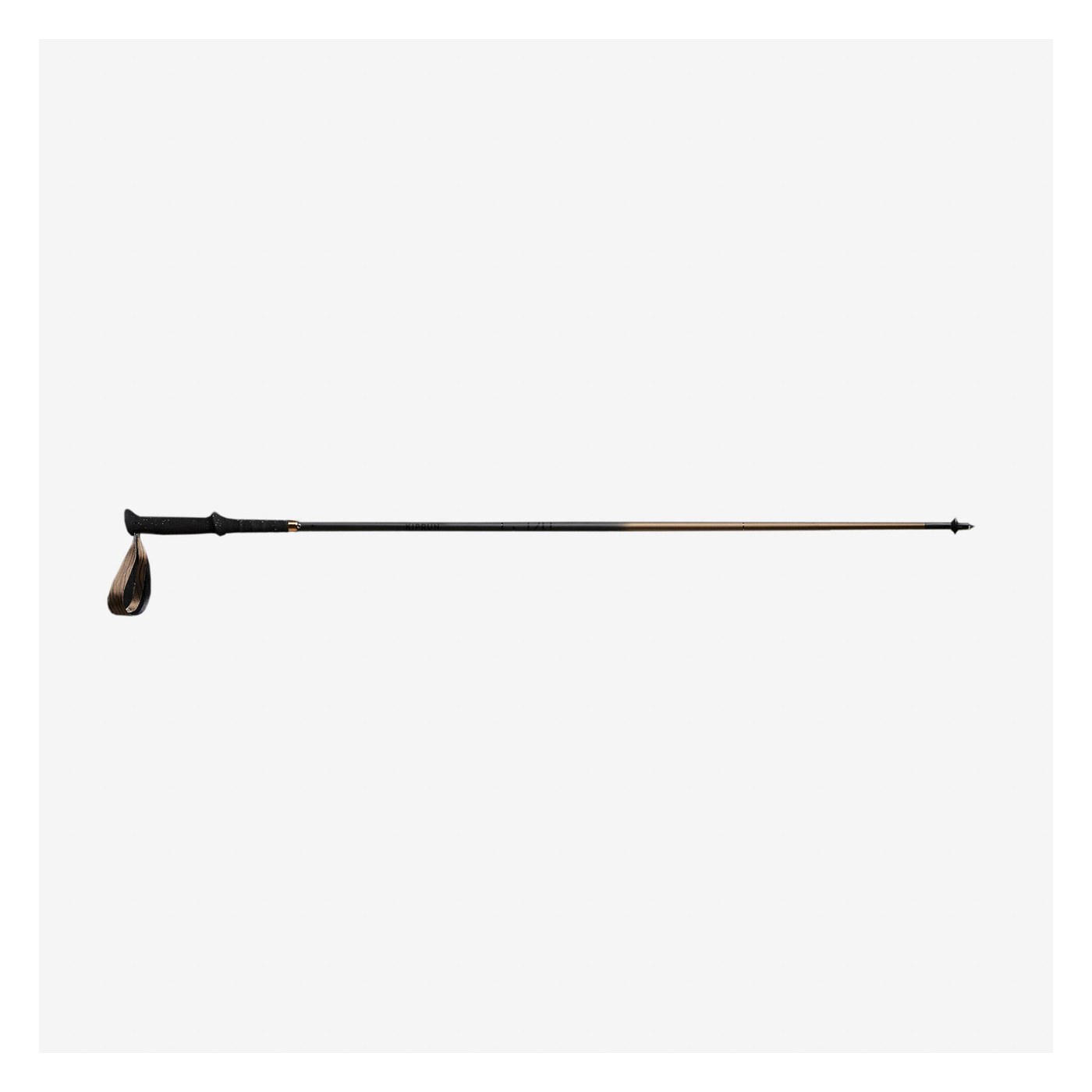
The Kiprun Bâtons Trail Carbone are ultralight 3-section folding poles (282 g per pair) built for trail running with serious elevation gain, with a tungsten carbide tip worthy of the premium benchmarks. They bet on low weight, compactness and a rock-bottom price of 100 euros, at the cost of a few compromises (EVA foam instead of cork, no glove). Right now, they are the best value for money on the market if you are starting out or want to gear up without breaking the bank.
8 / 10 · RunMorph overall score
Weight8.5 / 10
Folding / packed size8 / 10
Secure fit / strap7 / 10
Grip / tip8 / 10
Value for money9.5 / 10
Who it is forThe trail runner discovering poles, or anyone who wants light, reliable carbon for hilly trail races without spending 180 euros.
Who it is not forThe racer chasing every last gram and the clip-in glove of the benchmark models, or the cork-grip fan with sweaty hands.
Kiprun slashes the price of carbon poles
For years, buying carbon poles was an investment. The historic brands in the category set a reference price between 150 and 200 euros, justified by build quality and cork grips. By launching this model at 100 euros, Kiprun is not just nibbling at the market: it is shaking it up. At RunMorph, we have watched poles evolve over several seasons from niche accessory to genuine performance tool in the mountains, able to take 20 to 30% of the load off your legs on steep climbs. Making carbon affordable opens the door to a whole group of runners who were hesitant to take the plunge.
The promise is clear: the lightness and compactness of high-end poles, without the entry fee. The real question is what Decathlon had to give up to hit this price, because a product half the price of the competition always hides trade-offs. Good news: none of them touch the essentials.
Kiprun Bâtons Trail Carbone specs
Brand
Kiprun (Decathlon, formerly Evadict)
Model
Carbon 3-Section Folding Trail Running Poles
Type
Folding trail pole (push/pin system)
Sections
3 sections
Weight (pair)
282 g (110 cm) to 308 g (130 cm)
Folded length
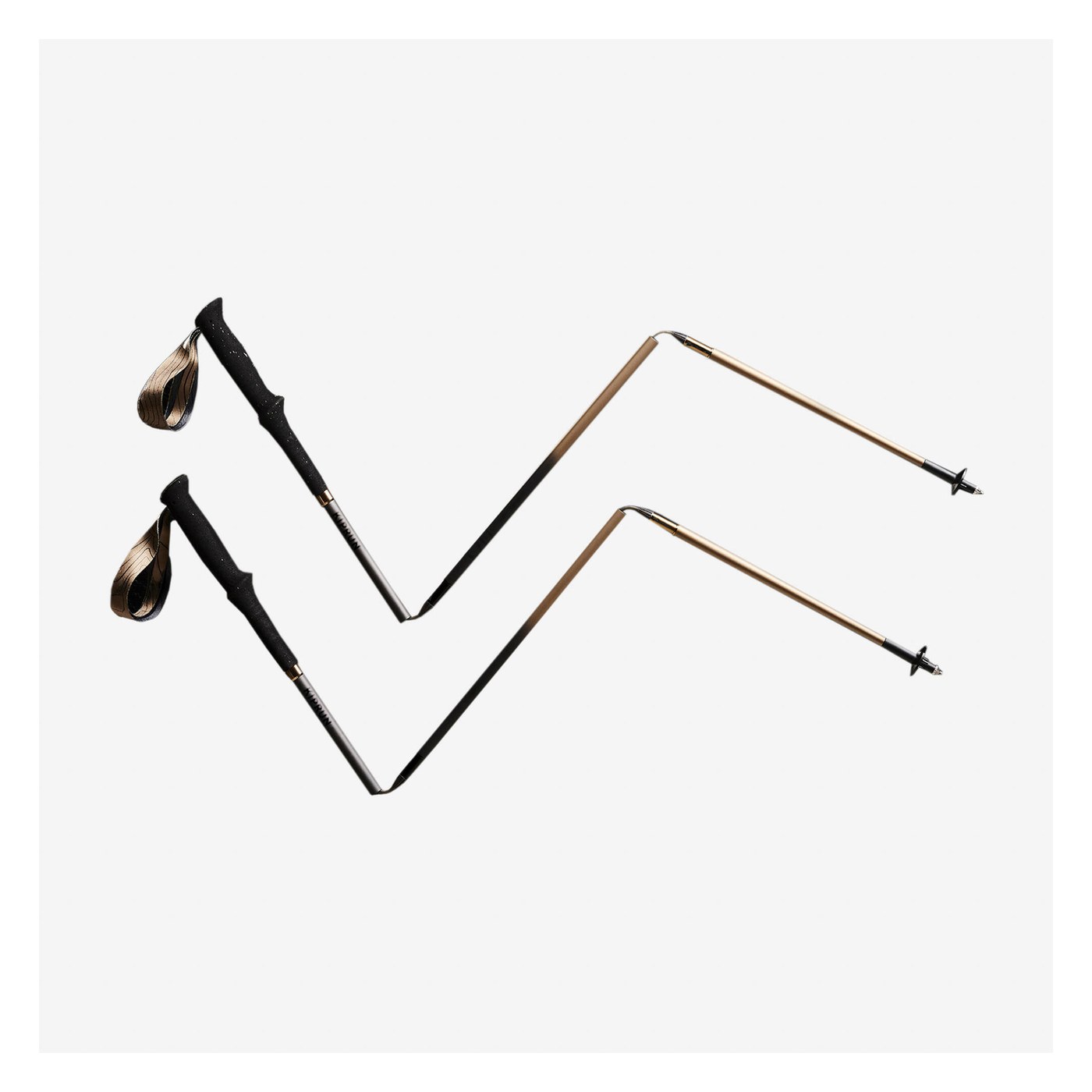
37 cm (110 cm) to 43 cm (130 cm)
Sizes
110, 115, 120, 125 and 130 cm
Material
60% carbon fiber, 40% fiberglass
Tip
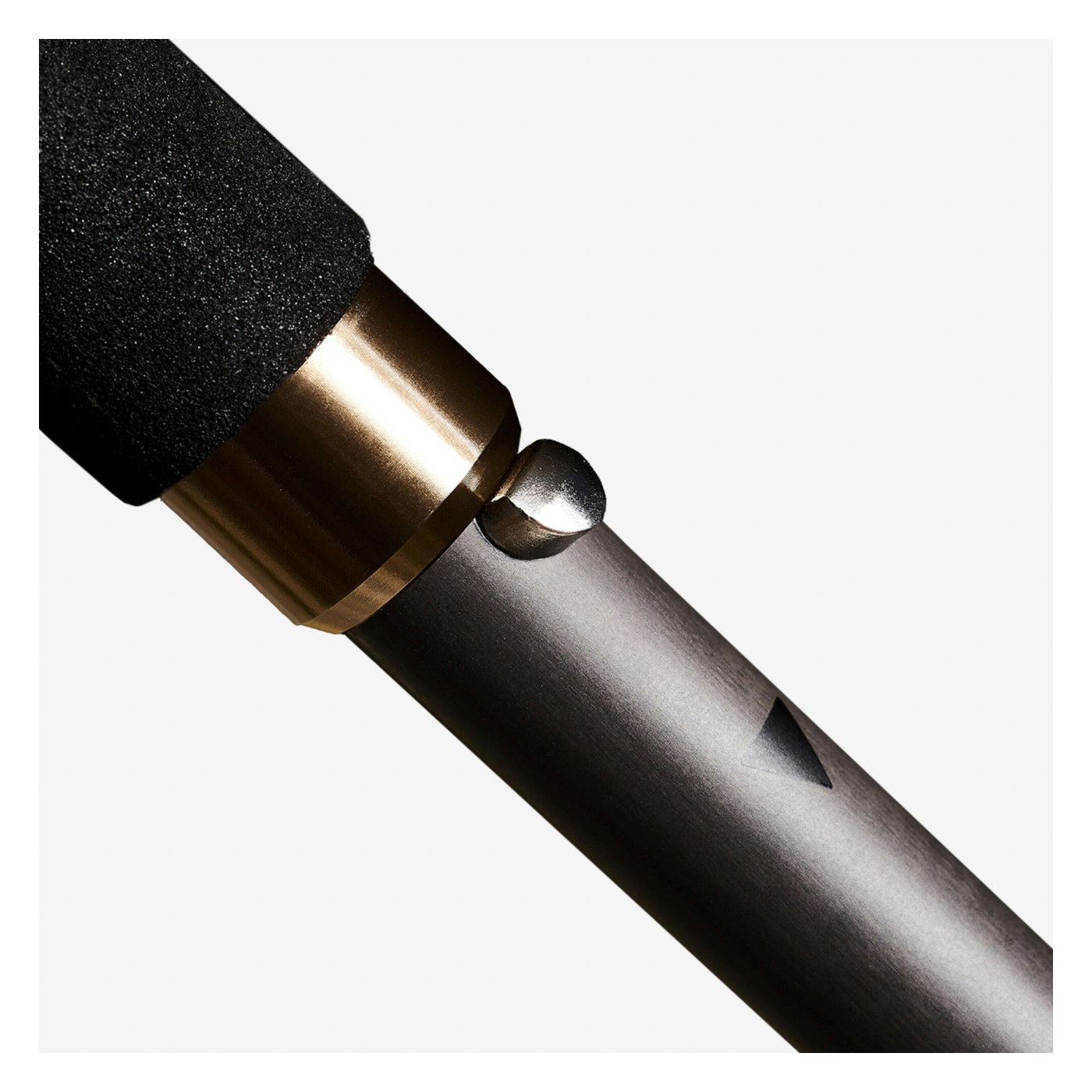
Tungsten carbide (unscrews, replaceable)
Grip
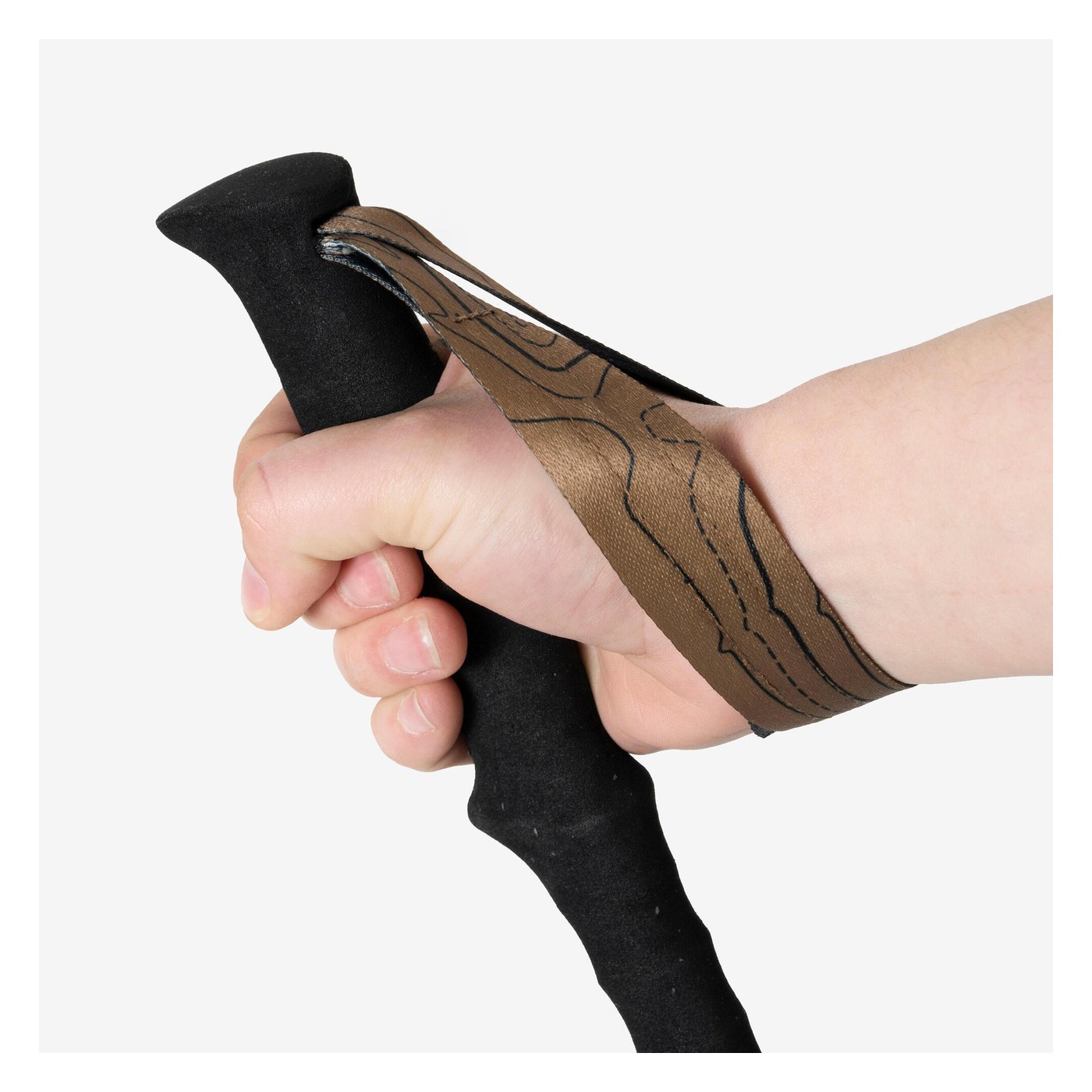
EVA foam, long (high and low hand positions)
Strap
Adjustable polyester strap
Warranty
2 years
Official price
€99.99
The numbers speak for themselves: 282 g per pair in the 110 cm size is barely more than the Leki Ultratrail FX.One Superlite (274 g), which costs 55% more. The tungsten carbide tip, a material you find on premium models, also unscrews: you can replace it instead of buying a whole new pole. That is a real commitment to durability, backed by a 2-year warranty.
3-section carbon and push-button lock: what does it change?
The 3-section folding design is now the trail standard: three segments joined by an internal cable that snap out in one go and lock with a push/pin system. In practice, you pull on the grip until it clicks and the pole is ready in under two seconds. Press the button and it folds back up in under three. On the trail, that speed changes everything: you deploy at the foot of a climb without breaking your rhythm, and stow them as soon as the trail tips back down.
The 60% carbon and 40% fiberglass construction is a smart choice. Pure carbon, stiffer and lighter, can snap clean under lateral stress. Adding fiberglass brings flex and impact resistance. You gain in reliability what you lose in a few grams, a trade-off perfectly suited to everyday runners. The fiber blend also absorbs a good share of the vibrations, which spares your forearms on long rocky descents.
RunMorph's advice: a pole is useless if you do not know how to use it. Before your next race with big elevation gain, practice double poling on steep climbs and alternating on gentle slopes. The right length? Elbow at a right angle when the tip touches the ground: 110 cm if you are between 155 and 170 cm tall, 120 cm between 171 and 181 cm, 130 cm above that.
The field test: reliability over prestige
At RunMorph, we put these Kiprun poles through the terrain that matters: long trail runs with big elevation gain, where a pole becomes a real partner after several hours. The first thing we noticed was the weight: folded, you forget them on your back or in a quiver, and once deployed, the push is clean and lively. The tungsten tip bites just as well on dry rock as on hard-packed ground, without slipping, exactly what you expect from a high-end pole.
The limits show up in the details, never in the essentials. The EVA foam grip does the job, but as soon as sweat or moisture builds up in your palm, it gets a little slippery where the cork on a Leki would keep its grip. There is no clip-in glove, just a classic adjustable strap, so you need the right technique (hand up through the strap from below) to transfer the push efficiently. Nothing deal-breaking: these are deliberate compromises that explain the price, not design flaws.
Kiprun vs Leki vs Black Diamond: carbon pole comparison
Three folding carbon poles, three different positions. The Leki Ultratrail FX.One Superlite remains the racing benchmark with its glove grip and cork handle. The Black Diamond Distance Carbon Z bets on toughness and ultra versatility. The Kiprun plays the unbeatable value card.
Criterion
Kiprun Carbon 3-section
Leki Ultratrail FX.One Superlite
Black Diamond Distance Carbon Z
Weight (pair)
282 to 308 g
about 274 g
about 280 g
Tip
Tungsten carbide
Tungsten carbide
Tungsten carbide
Grip
Long EVA foam
Cork + Trigger glove
EVA foam
System
Push/pin button
Glove + Speed Lock
Z-fold + button
Price
€100
about €155
about €170
The RunMorph verdict: if you want the glove and cork grip for racing, the Leki keeps the edge. If you want the toughness of a proven ultra favorite, the Black Diamond is reassuring. But to get light, reliable carbon without blowing your budget, the Kiprun simply has no rival at its price.
Featherweight (282 g per pair), on par with premium poles
Tungsten tip that unscrews and can be replaced
Fast, compact folding, 2-year warranty
What we liked less
EVA foam grip gets slippery when your hands sweat
No clip-in glove, just an adjustable strap
Basic push/pin system, no transport lock
Less luxurious finish than the benchmarks
Our take from the trail: which trail runner is it for?
New to poles
If you want to try poles before investing in premium, this is the rational choice. You get light, reliable carbon for 100 euros, enough to learn the technique without regretting the purchase if poles end up not being your thing.
The regular mountain runner
If you string together mountain runs and races with big elevation gain, these poles deliver the essentials: low weight, tungsten grip and fast folding. They handle the kilometers and can be repaired (replaceable tip): a true companion for the whole season.
The smart budget
If you refuse to pay 180 euros for a pair of poles, the Kiprun is the obvious answer. The compromises (foam, strap) are minor next to the money saved, especially for recreational running or untimed ultras.
Gear does not make performance, training does. Poles will only save you time on climbs if your legs and cardio keep up. To prepare for a trail race with big elevation gain, build your climbing power and manage your effort over the distance, follow a RunMorph trail training plan tailored to your goal.
The Kiprun Bâtons Trail Carbone pull off a real feat: they deliver 90% of what the premium benchmarks offer for half the price. The weight is there, the tungsten tip grips as it should, folding is fast and the carbon-fiberglass construction is cleverly designed to last. The compromises are real (EVA foam a step behind cork, no glove), but they stay secondary for the vast majority of trail runners. At 100 euros, with a replaceable tip and a two-year warranty, these poles bring within reach gear that was long reserved for comfortable budgets. It is exactly the kind of product we love at RunMorph: affordable, honest and effective. RunMorph score: 8/10.
Key takeaways for your training
Unbeatable value: real 3-section carbon with a tungsten tip for 100 euros, with no equivalent.
Featherweight: 282 g per pair, on par with benchmarks that cost 55% more.
Repairable: unscrewing tungsten tip and 2-year warranty, a purchase built to last.
Technique before tools: practice double poling and alternating to really take the load off your legs.
Pick the right size: elbow at a right angle, 110 to 130 cm depending on your height, or the benefit is lost.
Recommended articles
Leki Ultratrail FX.One Superlite: the HRC carbon racing benchmark
Black Diamond Distance Carbon Z: the Z-fold that rules ultra-trail