Silva Trail Runner Free Ultra Review: Comfort Over Raw Power
7.5/10
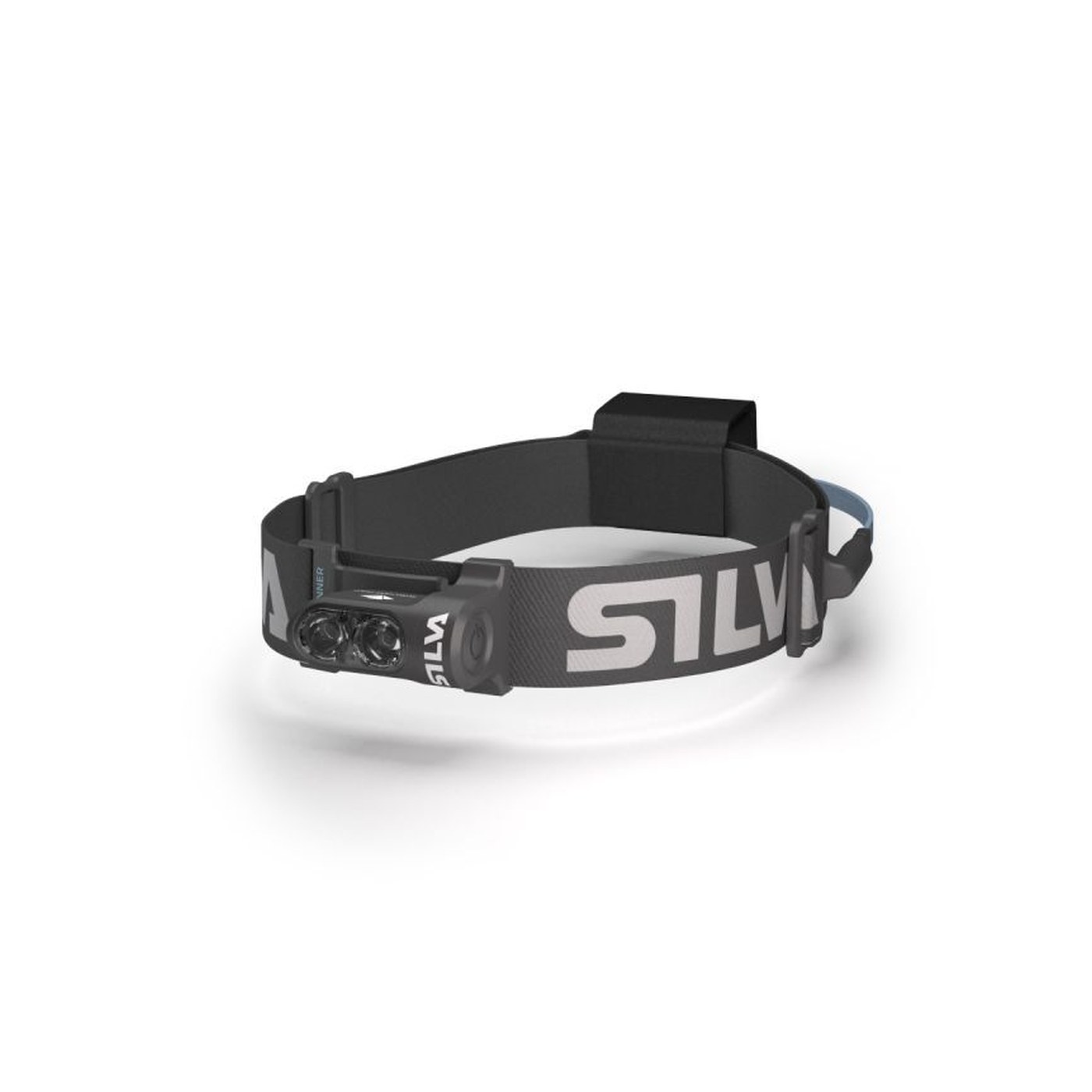
For three years now, the trail headlamp battle has been fought over grams far more than lumens. Petzl kicked it off with the Iko, Black Diamond followed with the Sprinter, and the idea never changes: move the battery away from your forehead so your head carries almost nothing. Silva, the Swedish orienteering pioneer, takes that principle all the way with the Trail Runner Free Ultra: a 55 g lamp unit alone on the headband, and the entire battery at the back of your head or even in a pocket via an extension cable. Enough to make you forget you're wearing a headlamp, or a false good idea that trades power for comfort? RunMorph cross-checked real-world tests to settle it.
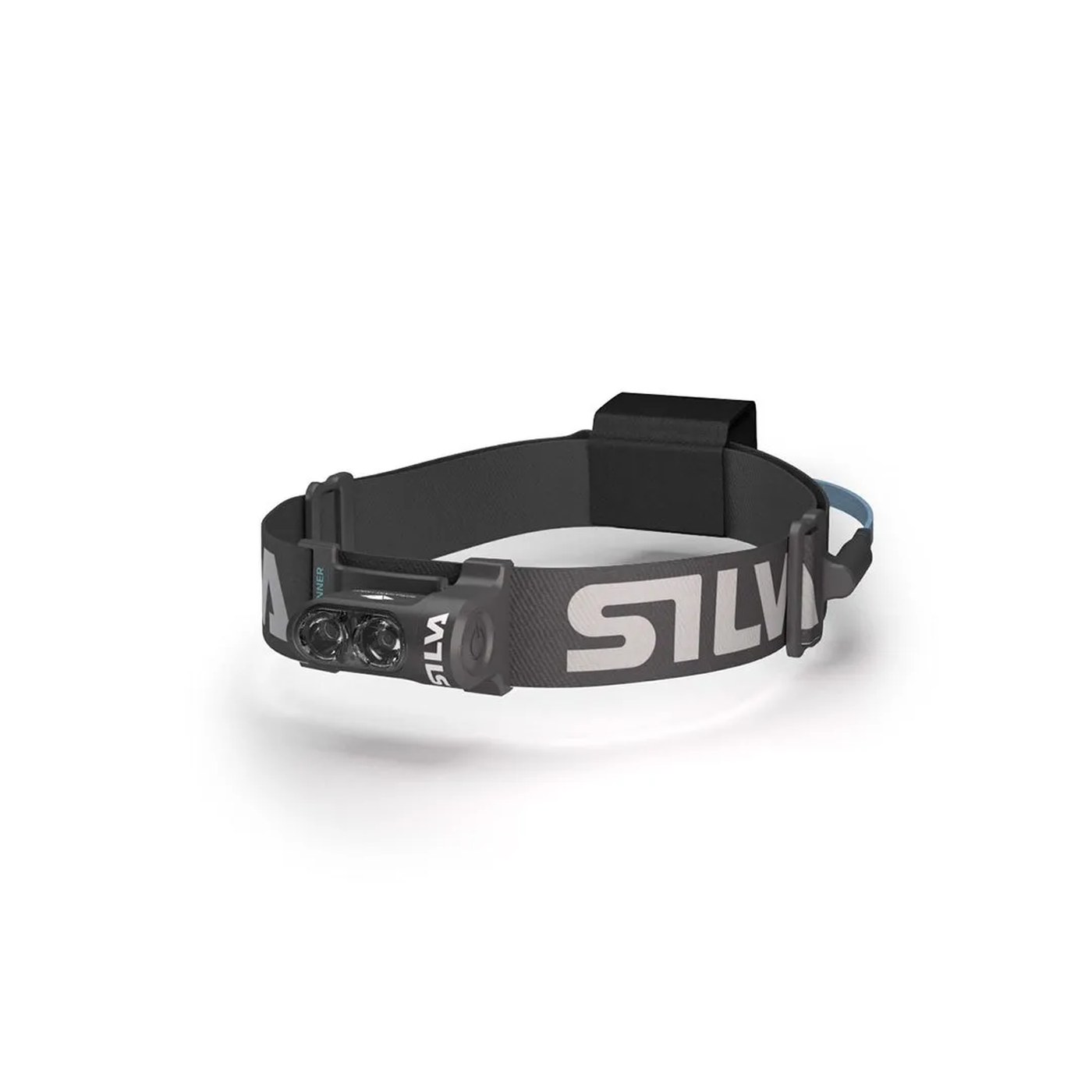
The Silva Trail Runner Free Ultra is a trail and ultra headlamp with a radical design: the lamp alone weighs just 55 g on your forehead, while the whole rechargeable battery sits at the back of the headband or in a pocket via an extendable cable. With 400 lumens at peak and a real-world range of around 50 m rather than the claimed 80 m, it chases comfort and versatility over the raw power of the market's benchmark models. The trade-off works very well for training runs and ultras up to 80 km, less so for technical high-mountain trail, where darkness demands a real floodlight.
7.5
/ 10 · RunMorph overall score
Lumens
4.8 / 10
Battery life
6.8 / 10
Beam
6.5 / 10
Comfort
9.2 / 10
Value for money
5.8 / 10
Who is it for?The runner who stacks up night-time easy runs, long runs and ultras up to 80 km, and would rather forget the headlamp is there than own the most powerful beam on the market.
Who should skip it?The mountain trail runner who spends hours on steep, technical ground and needs a beam reaching beyond 60 m to read foot placements at speed.
Silva Trail Runner Free Ultra: the headlamp that bets everything on offloaded weight
RunMorph has already reviewed one Silva model, the Trail Speed 5R, a 1200-lumen headlamp built for power and a smart beam. The Trail Runner Free Ultra has almost nothing in common with it. It's a different product for a different job: here, the Swedish brand isn't trying to light up as far as possible. It's trying to make the very feeling of wearing a headlamp disappear.
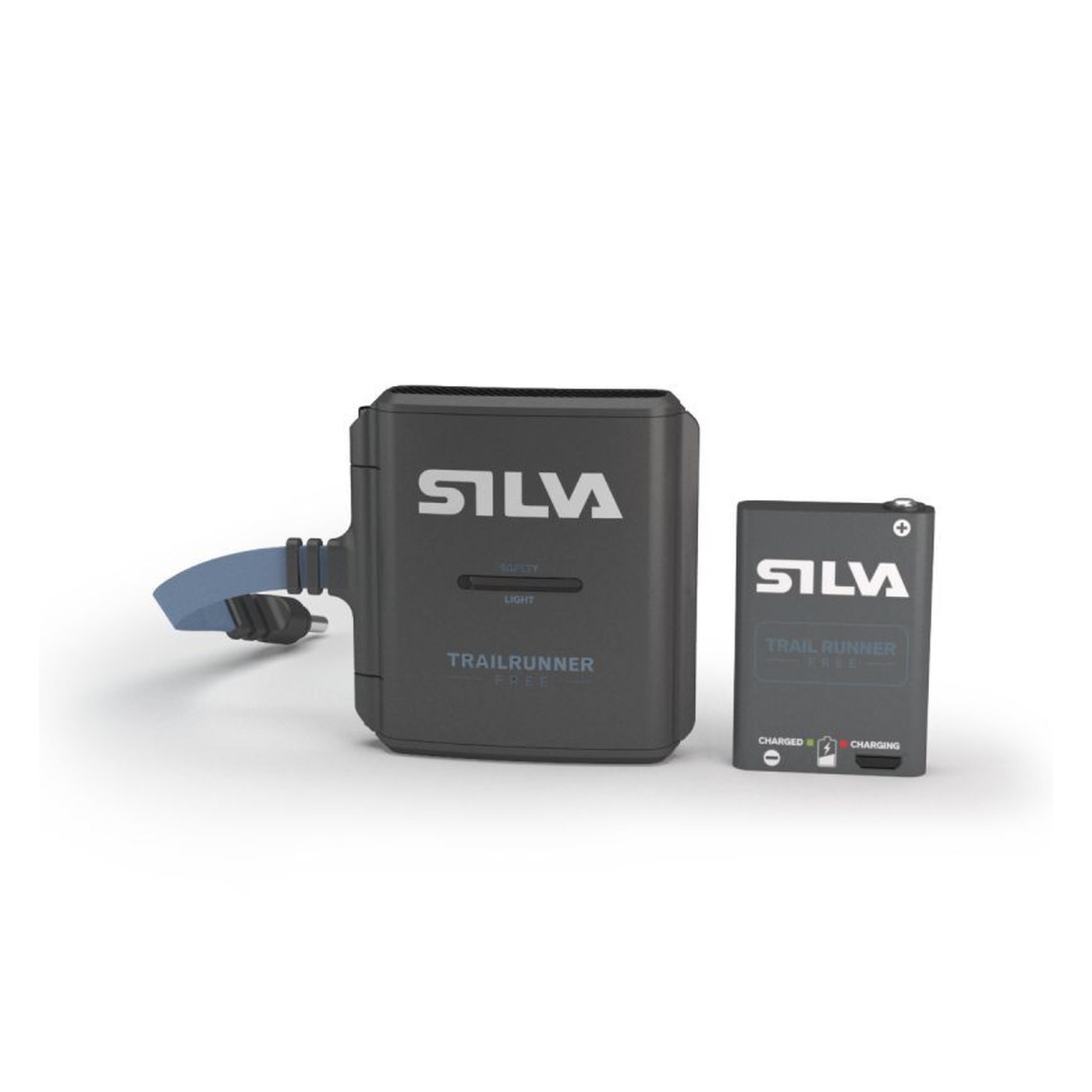
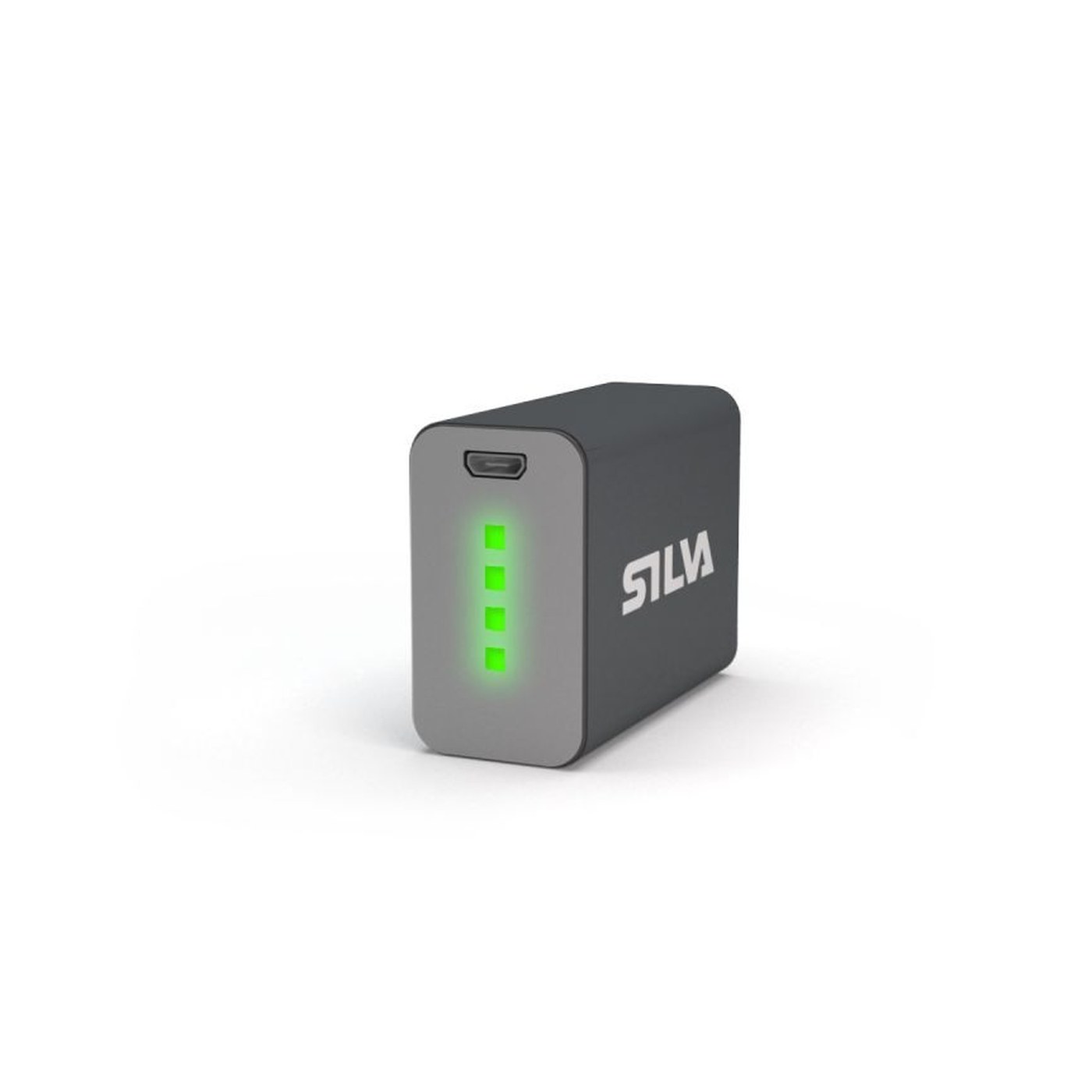
The concept is called Free Technology. The power cable is sewn right into the headband, the rechargeable battery clips on at the back of your head or moves to a pocket via the supplied extension cable, and the lamp unit left up front weighs just 55 g. At RunMorph, we see this approach answering a real need on the trail: neck fatigue and headaches from a heavy headlamp on multi-hour runs are a constant complaint among ultra runners. The open question is whether the comfort you gain justifies the power you lose against integrated-battery rivals that throw out two to three times more lumens for a similar price.
Trail Runner Free Ultra specs: lightness above all
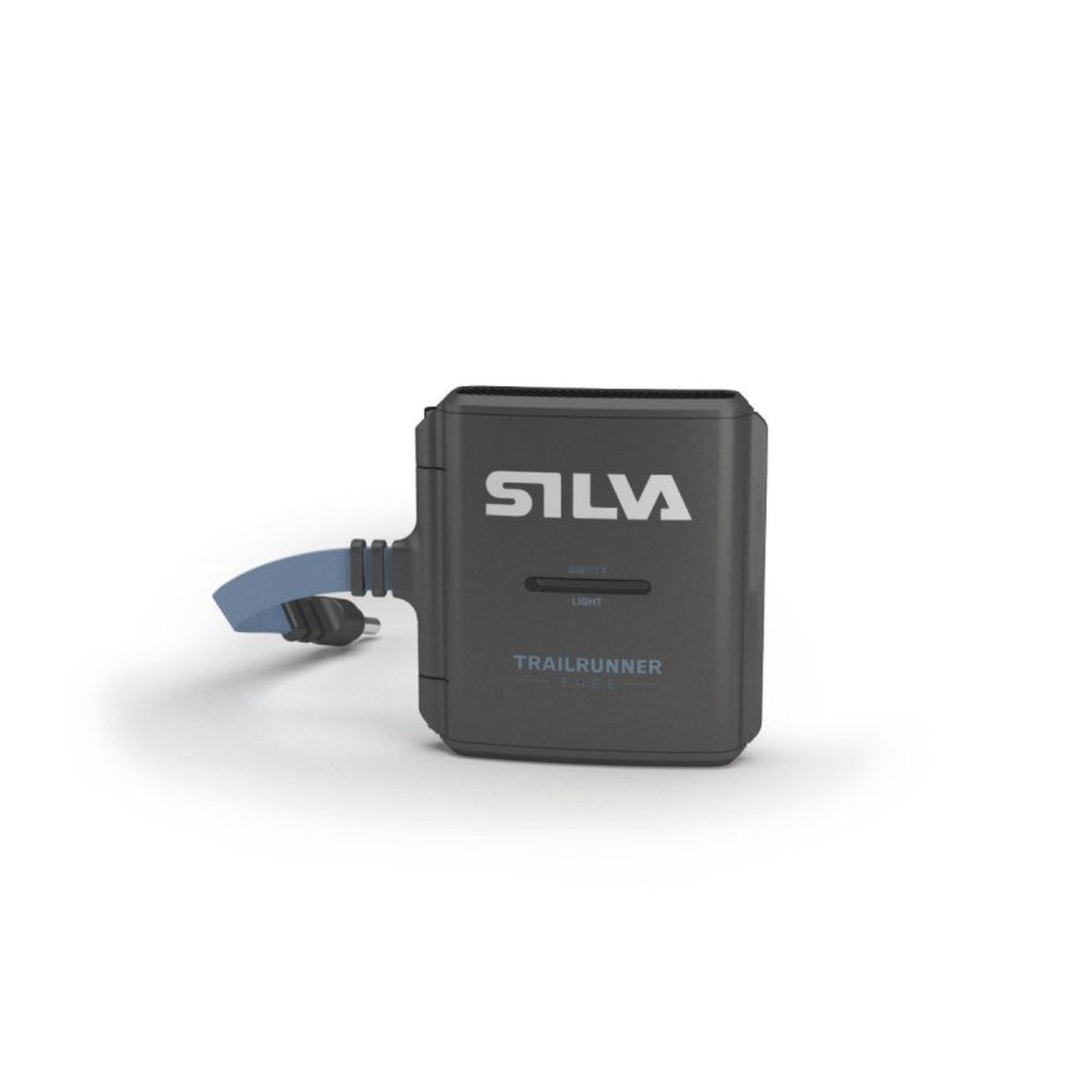
The principle isn't new, but Silva pushes it far. The 4.0 Ah Ultra rechargeable battery, which accounts for most of the headlamp's total weight, never sits on your forehead. It clips onto the back of the headband, or comes off entirely and goes into a jacket pocket via the supplied fabric extension cable. In that setup, only the lamp unit and its mount stay on your head, and it feels close to wearing a bare lamp. The benefit on the trail is real: spreading the weight between the front and back of your head reduces forehead pressure and neck fatigue on long runs, a point runners who switch back and forth with more conventional all-in-one headlamps raise every time.
There's a flip side, too. The rear case, compact as it is, gets in the way under some helmets, especially mountain bike helmets that leave little room at the back of the head: check compatibility before heading out with one. The built-in red safety light on the battery case is controlled by a small switch tucked inside the case, so you can't turn it on or off once you're underway. Finally, recharging the Ultra battery takes roughly as long as a full discharge, about 3 hours, so you need to plan ahead if you stack night runs over several days.
There's less material available on this exact model than on the market's dominant benchmarks: Silva has since moved the range on to the Trail Runner Free 2 Ultra, which limits the number of French-language reviews dedicated to the first-generation Ultra. RunMorph still drew on an in-depth French field test and a recent French comparison, backed up by independent measurements from the international outdoor press.
Outzer tested the Trail Runner Free range in real conditions (trail running, mountain biking, ski touring) and flags a key point: once the headband is adjusted properly, you nearly forget the headlamp is on your head, with a front/back balance rated better than models that look much lighter. The tester also stresses that the real-world range in max mode sits around 50 m, far from the 75 to 80 m the brand claims. RunMorph sees the same gap in independent English-language measurements, which put real-world battery life in max mode at about 9 h at 20°C and only 5 h in deep cold, in line with the official figures this time. Medium mode (200 lumens) is rated enough for hiking or running on smooth terrain, but minimum mode (50 lumens) is flatly too weak for running as soon as the trail turns technical.
The French comparison published by Faim de Trail positions the Trail Runner Free Ultra as a versatility pick rather than a pure-power one: suited to training, races up to about 80 km and fast hikes, but limited as soon as trails turn technical and night hours pile up in high mountains. Both sources reach the same conclusion. The wide headband, the cable built into the fabric and the weight distribution deliver stability and comfort you notice most after the second hour, just when the fatigue from weight on your head usually starts to kick in with other models.
RunMorph's advice: don't underestimate the gap between claimed and real-world range. If your night runs stick to smooth paths or road training, the Trail Runner Free Ultra's 400 lumens are more than enough. For technical trail in the mid-mountains with fast descents, go for a headlamp with 1000 lumens or more, like the Petzl Swift RL or the Silva Trail Speed 5R.
Silva Trail Runner Free Ultra vs Petzl Swift RL: the comparison
Both headlamps target similar runners but with opposite philosophies: Silva bets on offloaded weight, Petzl on an automated beam in an all-in-one format.
Spec
Silva Trail Runner Free Ultra
Petzl Swift RL
Max output
400 lumens
1100 lumens
Claimed range
80 m
95 m
Weight on the forehead
55 g (rear battery)
100 g (all-in-one)
Battery life, max mode
9 h at 20°C
2 h in constant mode, 18 to 75 h in reactive mode
Beam
Fixed dual beam (spot + close range)
Reactive Lighting, automatic adjustment
Water resistance
IPX5
IPX4
Official price
€129 to €135
~€90
On paper, the Swift RL delivers almost three times the lumens for less money, with a beam that adapts to its surroundings on its own: it remains the benchmark if power and battery life come first. The Trail Runner Free Ultra earns its place on a different criterion, long-haul comfort. Less weight on your forehead genuinely changes how it feels after several hours of running, and that's an argument the heavier, all-in-one Swift RL can't counter.
Pros and cons
Pros
Just 55 g on your forehead, a clear gap over all-in-one headlamps with the same output
Cable built into the headband, no wire dangling or getting in the way while you run
Battery can go all the way into a pocket, handy for keeping it warm in winter and taking even more weight off your head
IPX5 water resistance, better than most direct rivals
Red safety light built into the rear battery case
Cons
Real-world range around 50 m, well short of the claimed 80 m
400 lumens, a big gap against rivals offering around 1000 to 1500 lumens at the same price
Rear case can get in the way under some helmets, mountain bike helmets in particular
Slow charging, about 3 h for the Ultra battery
Headband needs careful adjustment: getting the tension wrong can cause discomfort, even headaches, on your first runs
The Trail Runner Free Ultra is built first for the runner who racks up night training runs, weekend long runs and ultras up to 80 km on smooth to moderately technical trails, where comfort over the distance matters more than peak power. It's a weaker fit for technical mountain trail at night, where longer beam range and more power become safety criteria, not just comfort ones.
Whether you're following a RunMorph training plan for an ultra or just want safer Sunday long runs before sunrise, a light headlamp like the Trail Runner Free Ultra keeps neck fatigue from piling on top of the muscle fatigue already built into the plan.
RunMorph Coach's verdict
The Silva Trail Runner Free Ultra makes one specific promise and keeps it well: it makes you forget you're wearing a headlamp on long runs. The rear battery concept isn't a gimmick. It genuinely changes how things feel after two or three hours of running. But the price you pay is just as clear: 400 lumens and a real-world range shorter than claimed, when rivals at the same price deliver two to three times more power. That's not a hidden flaw. It's a deliberate design choice, and it only suits a specific use.
7.5/10. A very good product for comfort and versatility, held back by a lumens-to-price ratio that trails its direct rivals as soon as the terrain gets demanding.
Key takeaways for your training
Weight on your forehead: just 55 g thanks to the rear battery, a real plus for long runs without neck fatigue.
Real-world range: count on about 50 m in max mode rather than the claimed 80 m when you set your pace at night.
Battery life: 9 h in max mode at normal temperatures, but only 5 h in deep cold, so carry a spare battery in winter.
Helmet: check that the rear case fits with your mountain bike helmet before heading out, since it can get in the way with some models.
Adjustment: take time to fine-tune the headband on your first runs; getting the tension wrong is the number one cause of discomfort testers report.