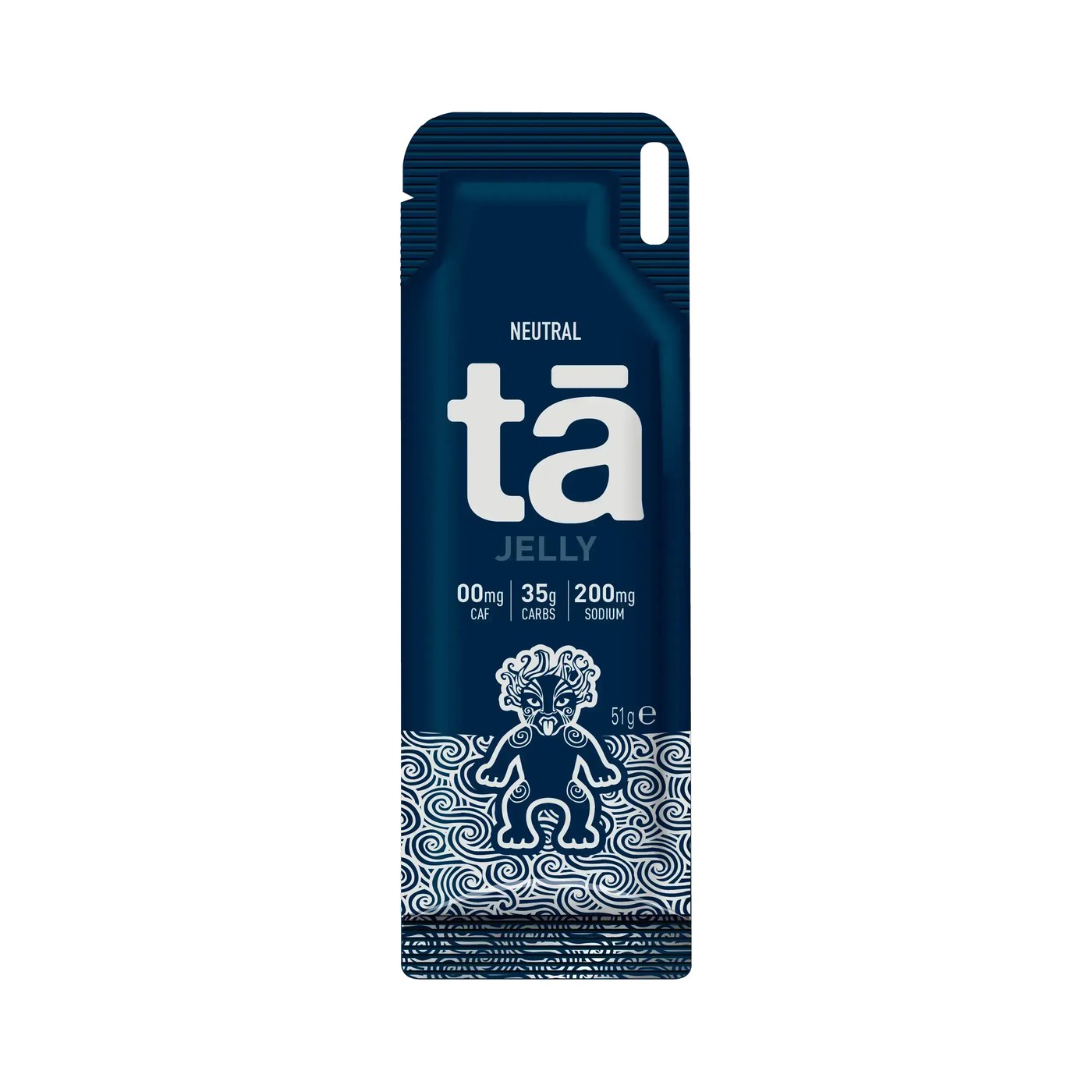
A gel that doesn't run like a gel. Tā Energy set out to break the syrupy format that has been sticking to runners' palates for twenty years, borrowing the jelly texture of hydrogels for a product sold at 3.50 euros apiece. The bet: more sodium, more carbs, and a gel you no longer want to spit out by the 35th minute. At RunMorph, we went through feedback from several testers and dug into the spec sheet to find out whether the promise still holds at kilometer 30.
© Tā Energy, official photo used for editorial purposes
The gel market catches up with hydrogels
Since Maurten arrived about ten years ago, the hydrogel texture has become the technical benchmark: less stickiness, less stomach discomfort at high doses. The catch is that Maurten's patented technology long left that ground without a direct competitor. Tā Energy, the French brand that officially sponsors the Paris Marathon and already features on RunMorph with its isotonic drink, now brings out its own jelly format: the Jelly Gel, launched in early April 2026.
On paper, the sales pitch is simple. The jelly texture comes from red algae extract and gellan gum, the glucose/fructose ratio is 2:1 versus an average of 5:1 on the market, and each gel packs 200 mg of sodium, two to four times more than mainstream competitors. The question is whether the formula delivers on the road, not just on the label.
Jelly texture and a 2:1 ratio: what difference does it really make?
The 2:1 ratio isn't empty marketing. Glucose and fructose use two separate absorption pathways in the gut: combine them in the right proportions and your body can take in more carbs per hour than with a single type of sugar. With this ratio, the brand claims up to 105 g of carbs absorbed per hour based on 3 gels, enough to cover the needs of long, hard efforts, marathons included.
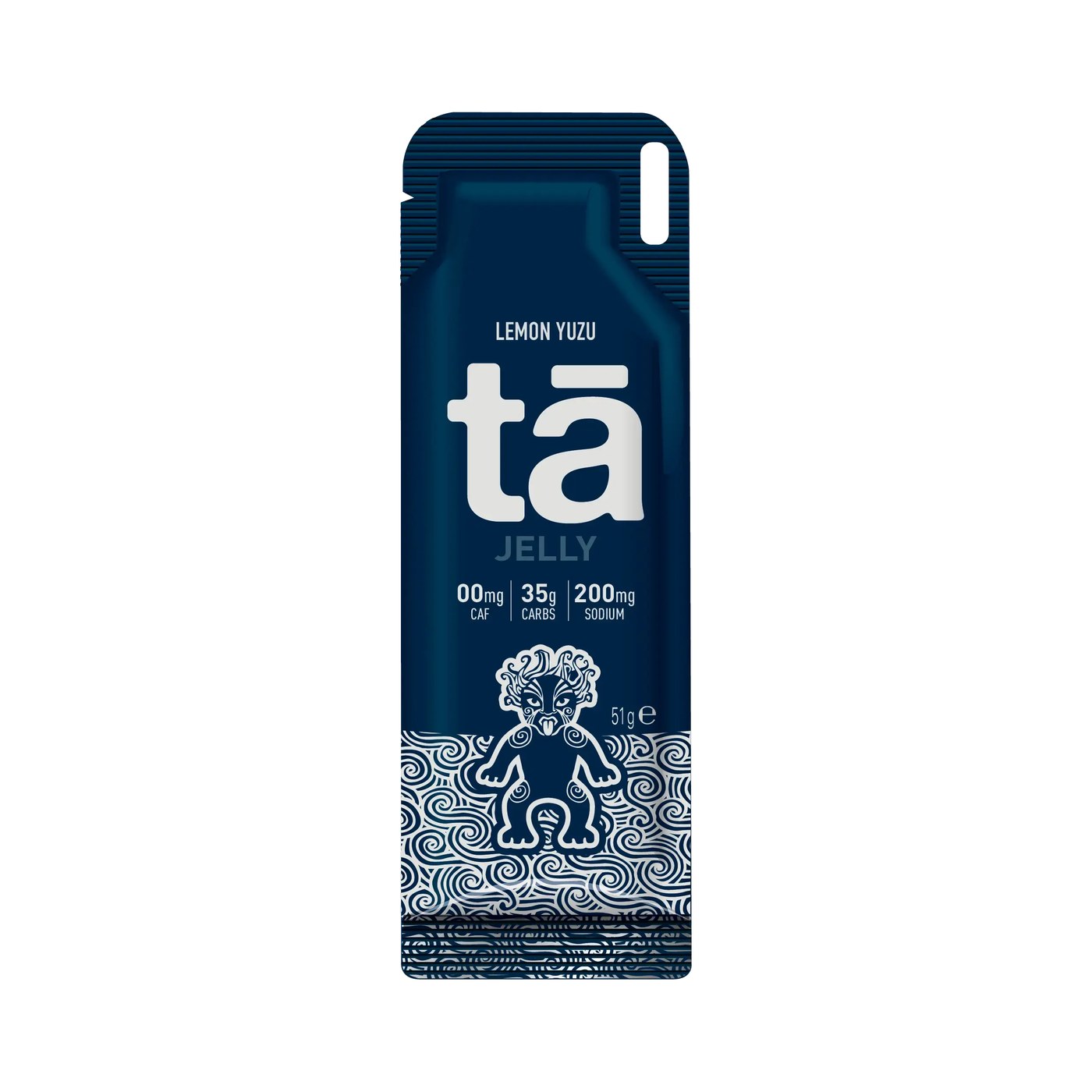
The texture mainly changes how it feels in your mouth: less syrup sticking to your palate, and a faster intake even as the intensity climbs. On sodium, Tā Energy clearly stands out: 200 mg per gel, versus 50 to 100 mg on average for mainstream gels. On a long run in serious heat, that salt intake is no detail. It's often what separates legs that hold up from cramps at the end of the race.
© Tā Energy, official photo used for editorial purposes
Field test: what runners who actually tried it report
RunMorph tip: take your first Jelly Gel 30 to 45 minutes after the start, before fatigue sets in, then one gel every 20 to 30 minutes depending on intensity. Save the Neutral version for the end of the race, when sweet flavors get hard to swallow, exactly as you would with a Maurten Gel 160.
An independent field test over several outings (a 2h easy run, a trail run with 900 m of elevation gain, then a 2h15 run at 33°C) backs up most of the spec sheet's claims. The gel goes down smoothly, and the energy boost is gradual rather than explosive, so you avoid the jolt followed by a slump. No stomach discomfort showed up on any run, even at high doses. The one real, concrete drawback the test found: in strong heat, the pouch softens and gets harder to open one-handed mid-race, a detail that matters when you don't want to lose time at an aid station.
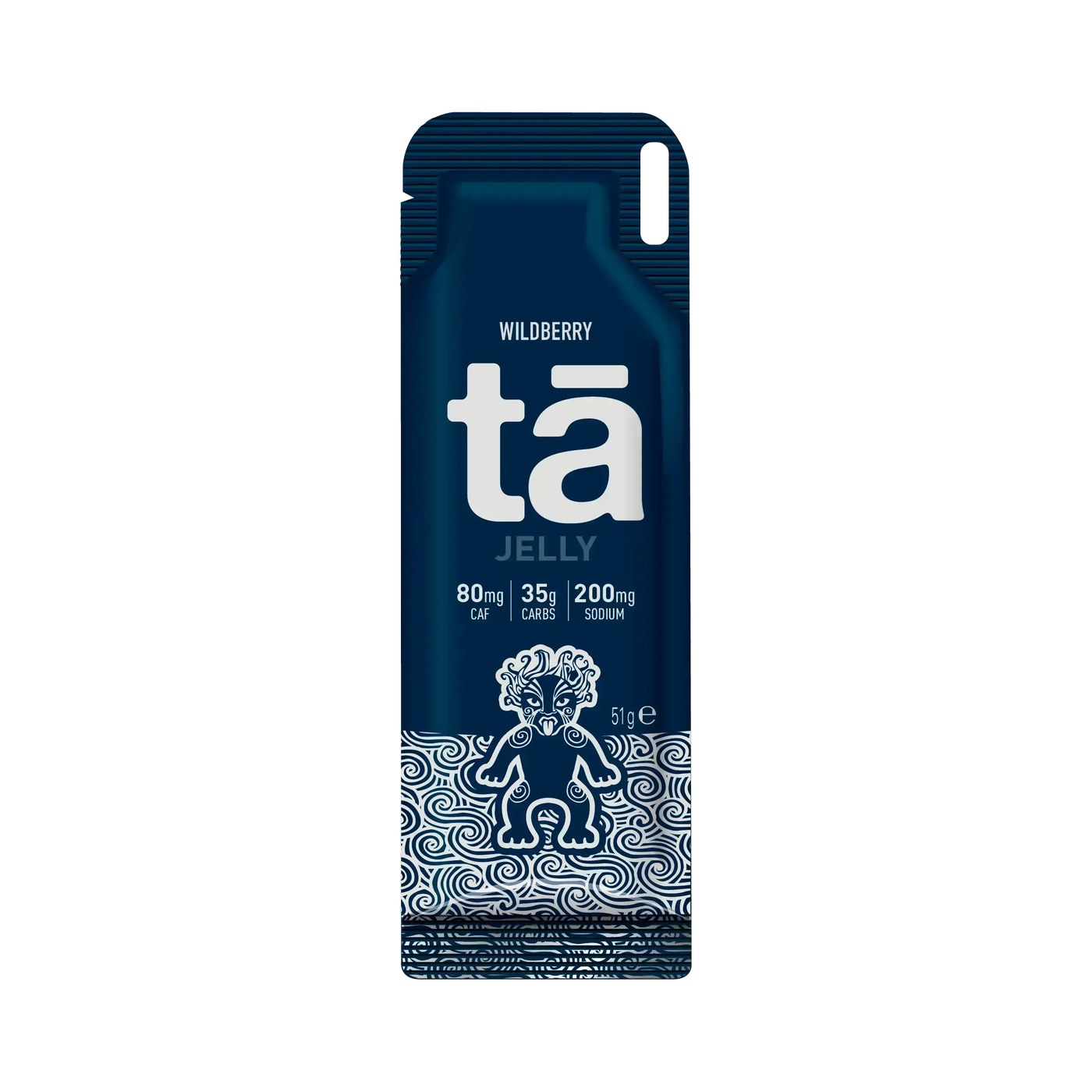
A second editorial test rates the 35 g carb dose as particularly well suited to current endurance nutrition guidelines. It also highlights the Wild Berry version, with added caffeine and elderberry extract, as a good option for the final kilometers of a race when focus starts to slip.
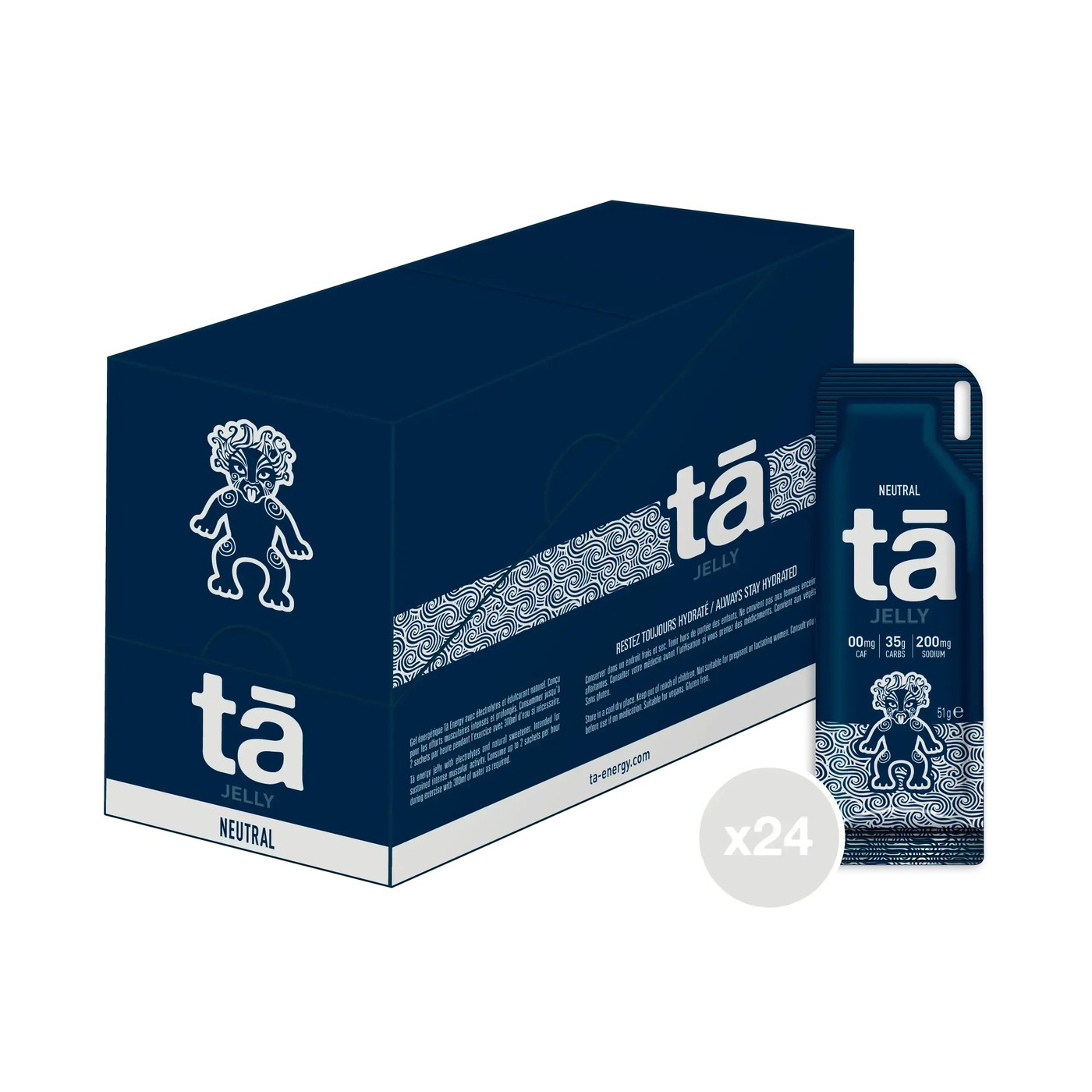
Verified customer reviews on the product page cool the field-test enthusiasm, though. Across 22 reviews, the average rating drops to 3.8/5, well below the usual 4.5 to 4.7/5 for the same brand's classic gels. Several buyers point out that the Neutral version doesn't actually taste neutral, a complaint that keeps coming up in the comments even though everyone agrees the texture beats a classic syrupy gel. At RunMorph, our reading is simple: the technology delivers on its physiological promises, but the taste-to-price balance doesn't win everyone over yet. And the price (€3.50 versus €2 to €2.50 for a standard gel) has to be justified by use on very long distances, not on a Sunday easy run.
© Tā Energy, official photo used for editorial purposes
Tā Energy Jelly Gel vs Maurten Gel 160: head to head
| Criterion | Tā Energy Jelly Gel | Maurten Gel 160 |
|---|
| Carbs | 35 g (2:1 ratio) | 40 g (different ratio, the original hydrogel) |
| Sodium | 200 mg | lower, not designed for sodium intake |
| Texture | Jelly (red algae, gellan gum) | The original hydrogel, the market benchmark |
| Price per gel | €3.50 | higher, premium product |
| Origin | France, Paris Marathon sponsor | Sweden |
The Jelly Gel isn't a copy of the Maurten Gel 160. It's a French answer that adds a selling point Maurten doesn't push: sodium. For a marathon run in serious heat, the Jelly Gel has a real electrolyte advantage. For a technical race where digestive comfort comes first, the Maurten remains the benchmark, proven on the market for longer.
Pros and cons
ProsTexture that goes down more easily than a classic syrupy gel. 200 mg of sodium per gel, a real plus in hot weather. 2:1 glucose/fructose ratio for high hourly absorption. Caffeinated Wild Berry version comes in handy late in the race.
ConsPricier than standard gels (€3.50 each). Several buyers find the Neutral version "not really neutral" in taste. Pouch softens and gets harder to open in strong heat.
© Tā Energy, official photo used for editorial purposes
How to fit the Jelly Gel into your RunMorph training plan
The Jelly Gel belongs on the long runs of your marathon or ultra buildup, where sodium intake and hourly carb volume really count. On a 10 km or half marathon plan raced in under 90 minutes, it makes less sense: save it for runs that go beyond 90 minutes to 2 hours of sustained effort.
👉 To build your fueling strategy around your long runs, check out the RunMorph training plans and pair them with a fueling strategy you've tested in training before race day.
RunMorph Coach verdict
The Jelly Gel delivers on its technical promises: a favorable glucose/fructose ratio, generous sodium, and a texture that avoids that unpleasant syrupy feel late in the race. But it's neither the cheapest product nor the most widely liked on taste, and customer reviews spell that out in black and white, with a rating well below the other gels in the Tā Energy range. 7.5/10: a very good technical product for long distances, not a must-have for every runner.