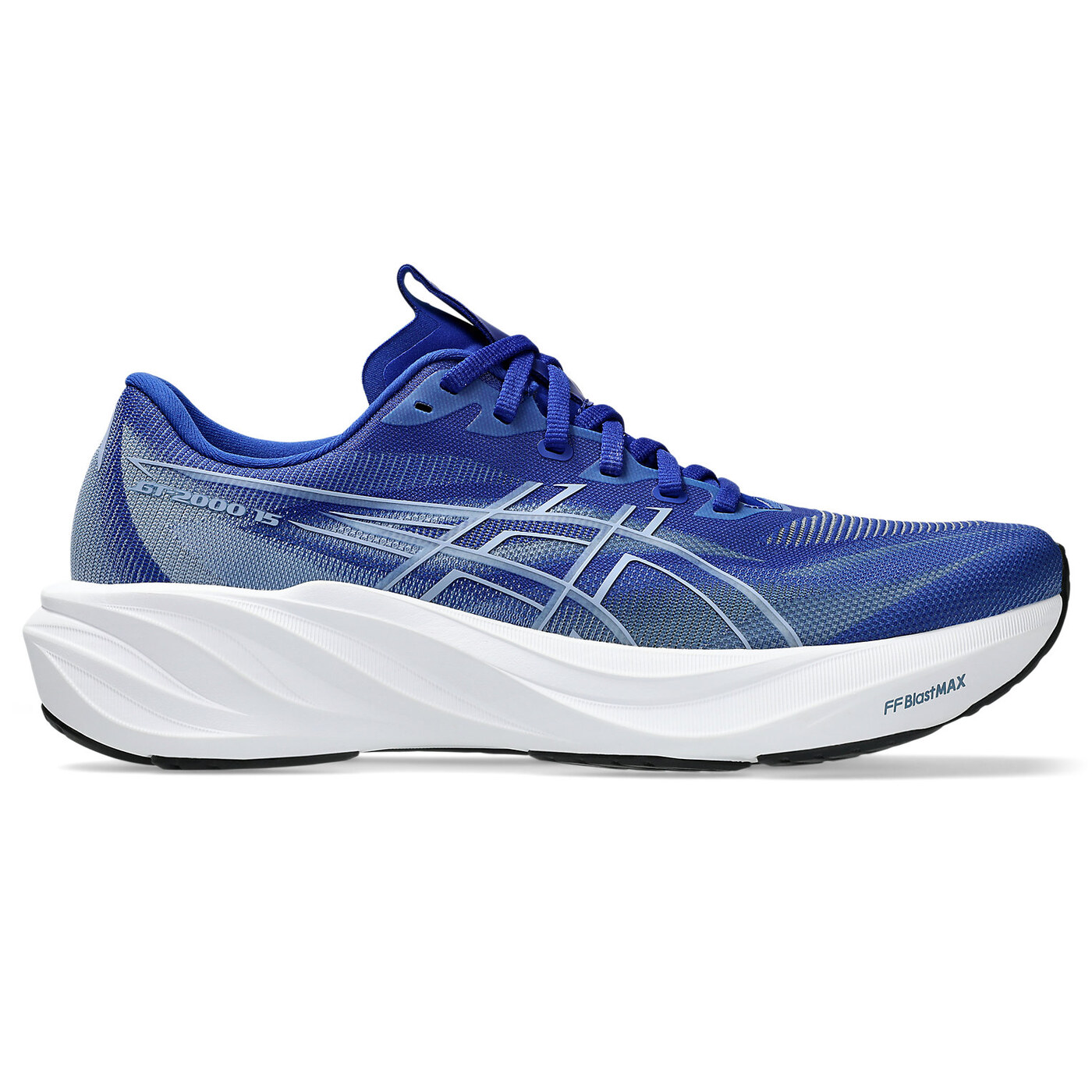
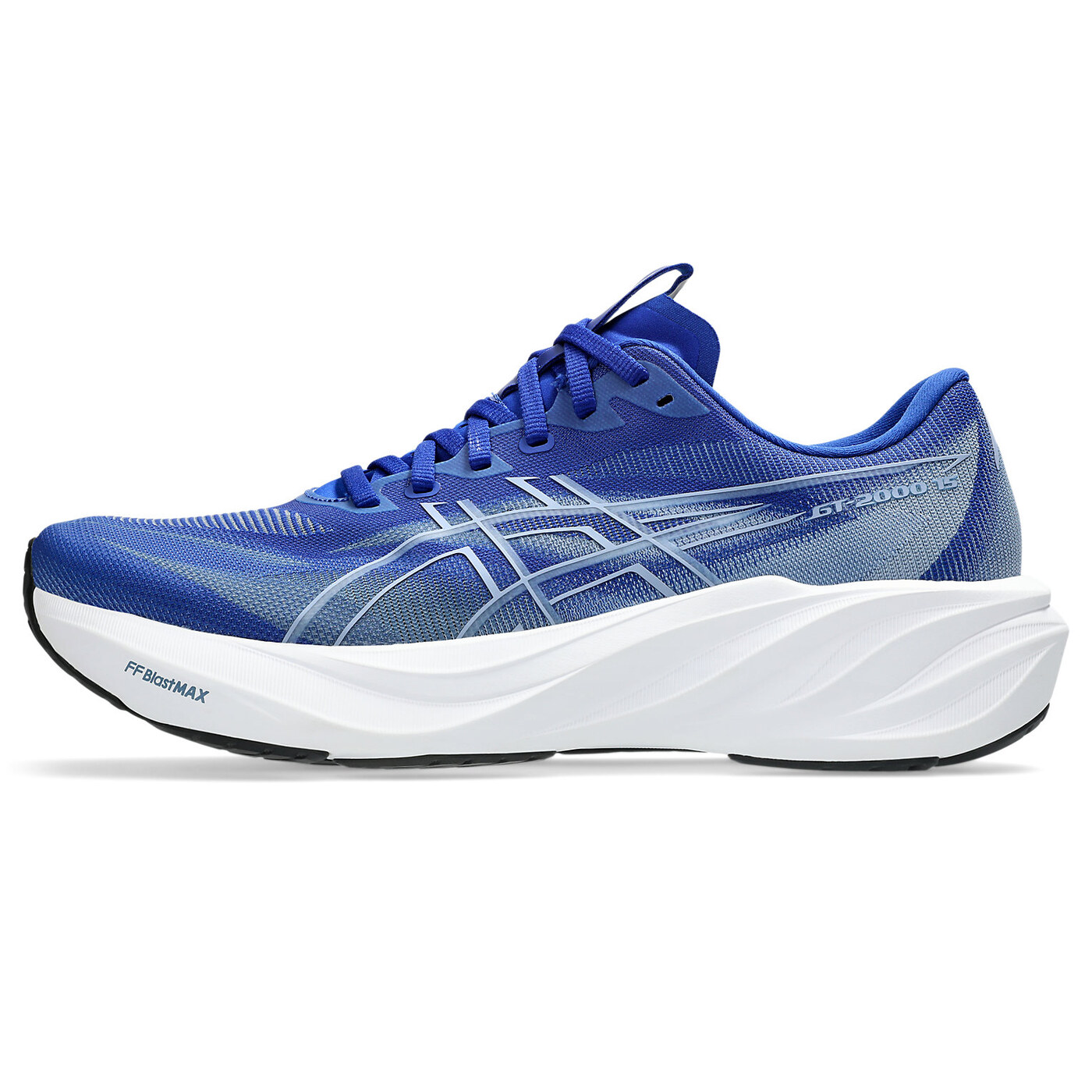
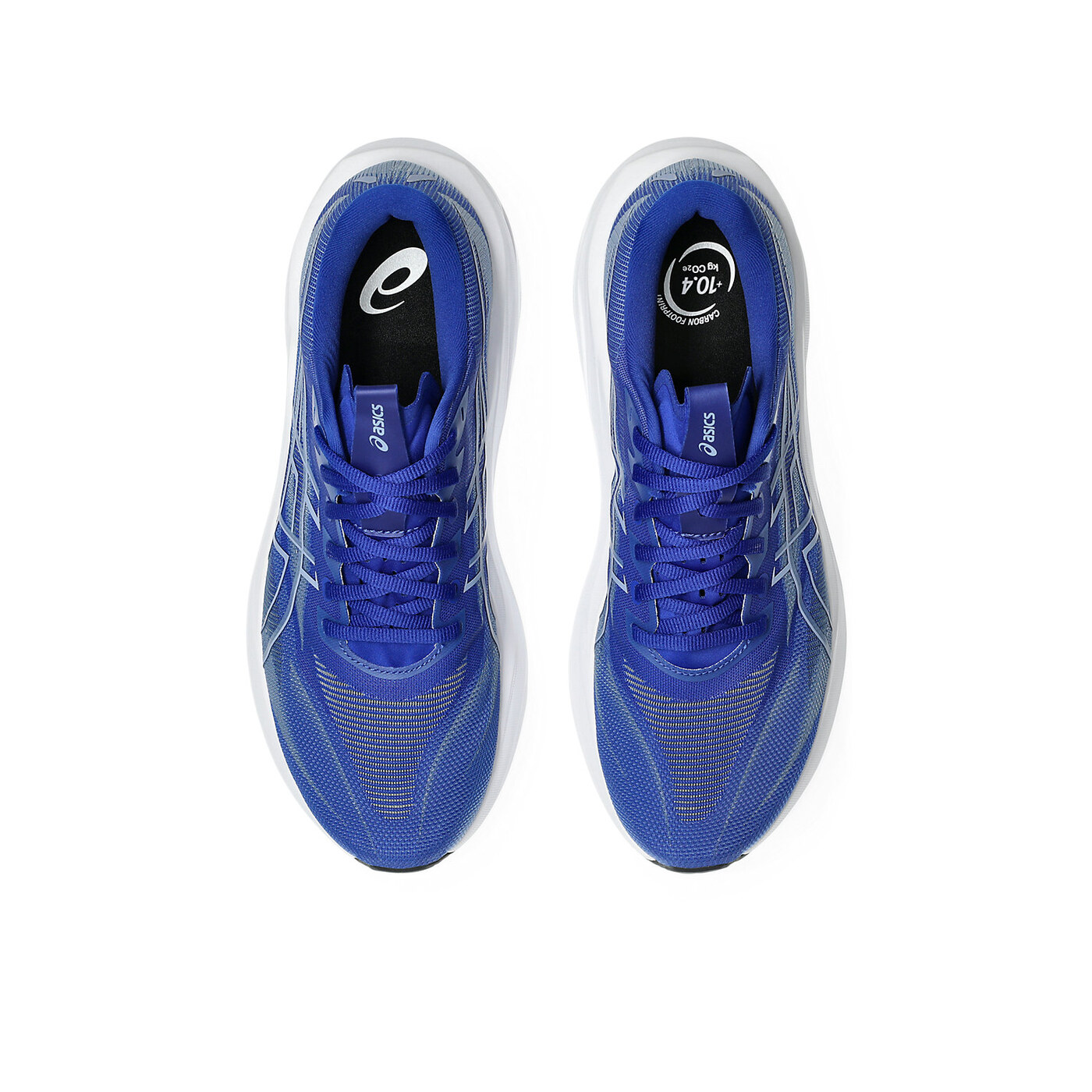
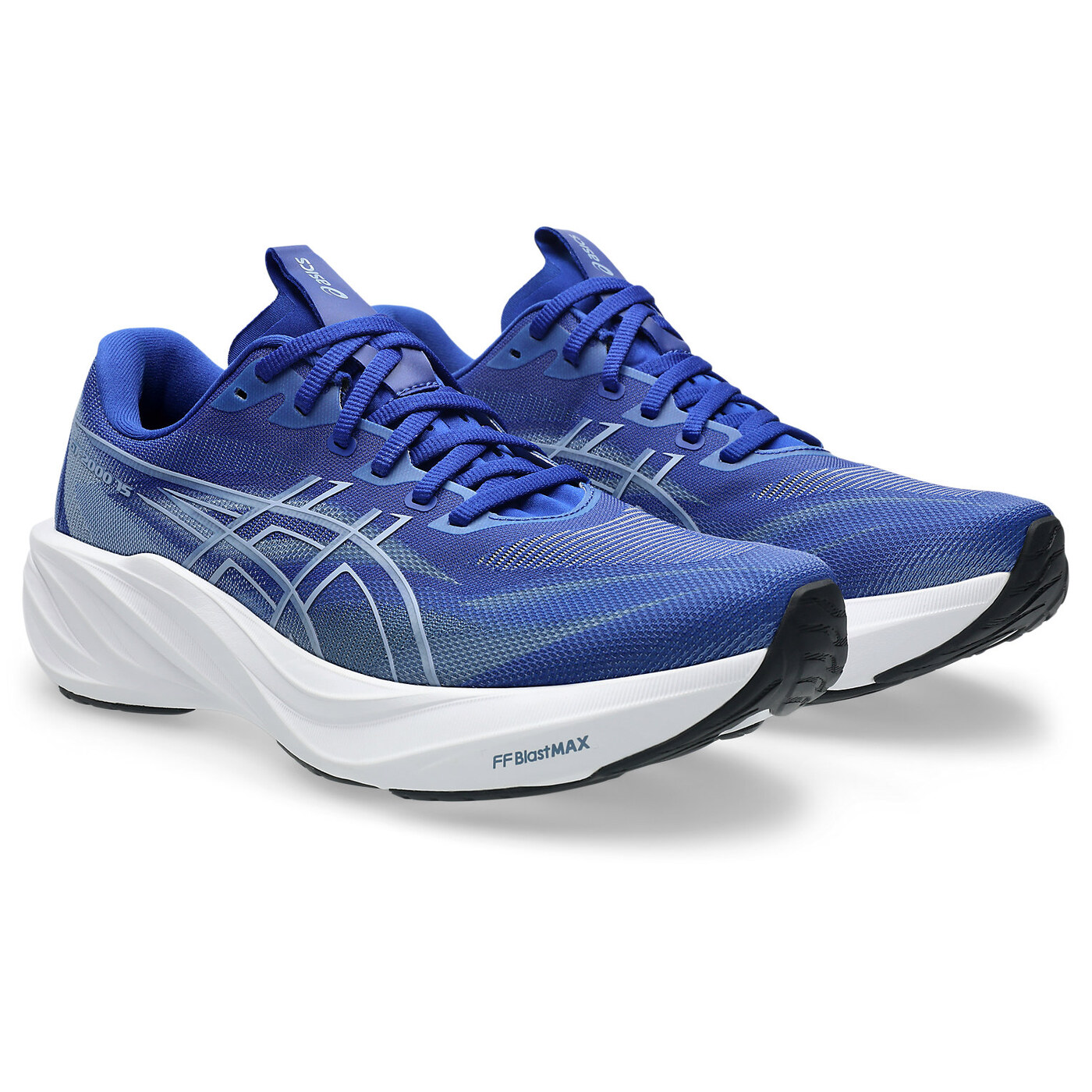
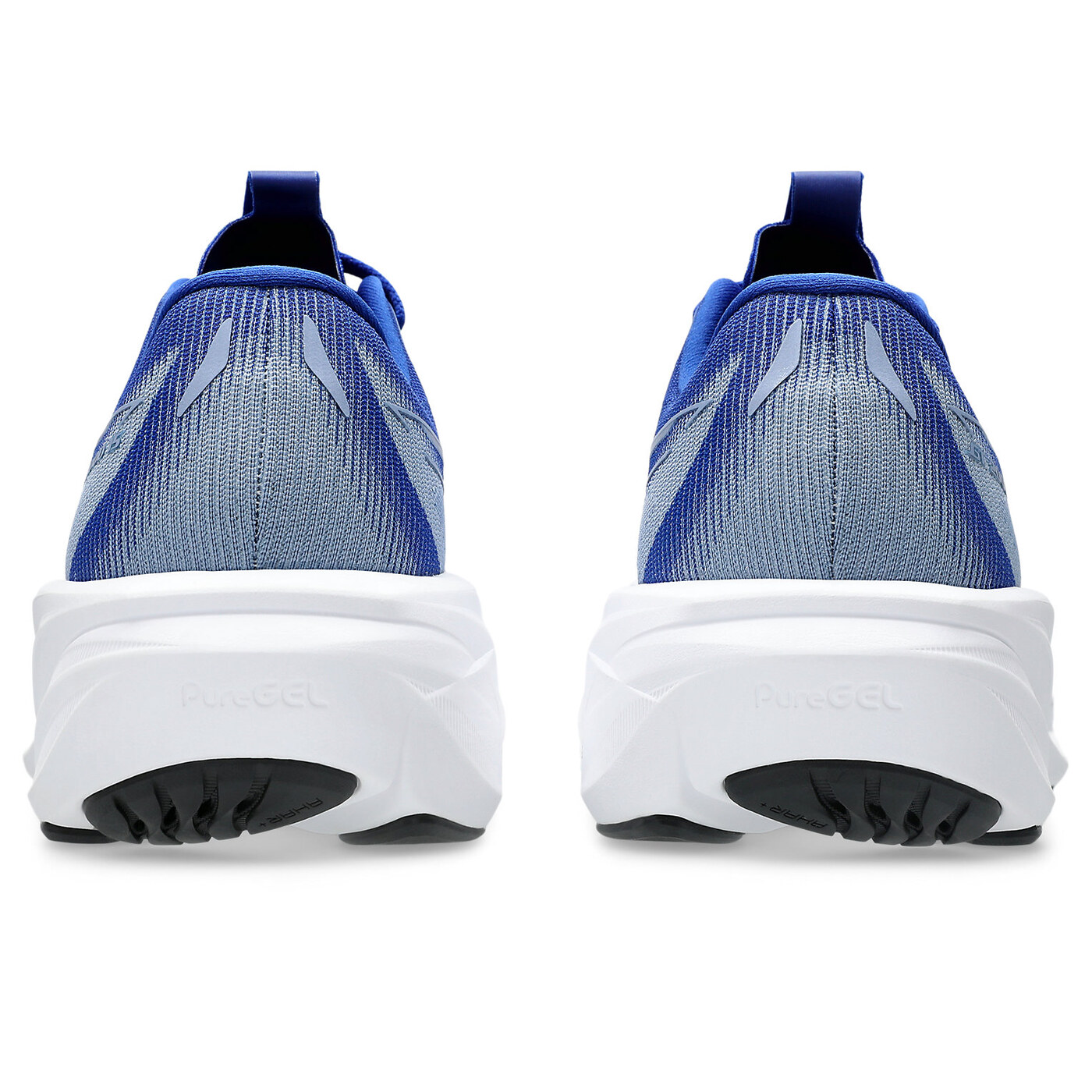
Asics GT-2000 15 Review: The Test We Should Have Run First
8.5/10
✓A real comfort gain with FF BLAST MAX, softer and livelier
✓2 mm more stack height with no loss of stability
✓Weight down to 252 g, real progress for the category
✗Narrow, tapered toe box that hurts on long runs
Four days ago, RunMorph published a full review of the Asics GT-2000 13, calling it the world's best-selling Asics stability shoe. The problem: the GT-2000 15 had already launched in the US two days earlier, on August 1, 2026. In other words, that article covered a model already two generations behind. We're setting the record straight here, no detours: this is the real review of the GT-2000 15, the direct replacement for the 13 and the 14 in the Asics lineup, and we're as blunt about its strengths as about what still doesn't work.
The Asics GT-2000 15 is a road stability shoe that adds 2 mm of stack height and a softer FF BLAST MAX foam to an already solid formula, for a much livelier ride than the GT-2000 13. The 3D Guidance System and the PureGEL in the heel stay put, so support doesn't change; only comfort takes a real step forward. At 150 USD (about €150), it targets runners who overpronate and want a reliable daily trainer, with one real drawback in the forefoot that we cover below.
8.5
/ 10 · RunMorph overall score
Cushioning
8.7 / 10
Stability
8.8 / 10
Comfort
9.0 / 10
Weight
7.2 / 10
Value for money
7.8 / 10
Who is it for?Runners who overpronate and want a comfortable stability daily trainer for high mileage, from easy runs to marathon long runs.
Who should skip it?Runners with narrow or wide feet who hate feeling the tongue shift, and anyone looking for a speed shoe.
Asics GT-2000 15: the real new stability benchmark in the Asics lineup
Asics had already done the hard part with the GT-2000 13: ditching the punishing stiffness of old-school stability shoes for more progressive support. The GT-2000 15 keeps the same philosophy and takes it further. Two concrete additions: 2 mm more stack height and FF BLAST MAX foam replacing FF BLAST PLUS, with a softer feel and more bounce. You notice it from the first strides: there's more material underfoot, and the shoe still feels planted and reassuring.
On the outside, the upper switches to an engineered woven construction, meant to improve breathability and wrap the foot more naturally than the previous generation's Jacquard mesh. On paper, everything points the same way: more comfort, same level of support. In practice, it's not that simple, and we'll come back to it below.
GT-2000 15 specs
Brand
Asics
Model
GT-2000 15
Release
August 1, 2026 (US)
Type
Road, stability
Drop
8 mm
Stack height (heel / forefoot)
37 mm / 29 mm (+2 mm vs. the previous generation)
Weight (men's standard size)
252 g (vs. 270 g for the GT-2000 13)
Carbon plate
No
Foam
FF BLAST MAX + PureGEL in the heel
Stability technology
3D Guidance System (unchanged)
Upper
Engineered woven, breathable
Outsole
AHAR LO + AHAR PLUS in high-wear zones
Recommended distance
5 km to marathon, daily use
Official price
150 USD / about €150 (GT-2000 15 TR trail version at 160 USD)
The price stays the same as the GT-2000 13 despite the upgrades, which is good news. Note that the shoe isn't widely available in French stores yet as we publish this review: the August 1 US launch comes a few weeks before general availability in France, a typical lag for Asics.
FF BLAST MAX, 3D Guidance System, PureGEL: what really changes underfoot
FF BLAST MAX is the foam doing all the work here. Softer than the GT-2000 13's FF BLAST PLUS, it gives more generous cushioning at ground contact and a clearer rebound at toe-off, without ever turning unstable, which is what you might fear on a stability shoe. It's the first change runners who already know the GT-2000 series pick up on.
The 3D Guidance System hasn't moved an inch. Same principle as before: a wider base at the heel and midfoot, a redesigned external heel counter, and an upper that channels the foot toward a neutral position without physically locking it in. This is stability that guides rather than corrects, and it remains the GT-2000's signature. The PureGEL in the heel rounds out the package: this gel formula, 65% softer than standard Asics Gel, absorbs heel impact on long runs and late in a run, when fatigue sets in and your stride breaks down.
RunMorph's tip: if you've already read our GT-2000 13 review, the question isn't whether the 15 is better (it is, on paper and on the road), but whether the change in firmness suits you. If you liked the 13 for its firmer, more planted feel, the 15 will surprise you: in a good way for most runners, in a bad way if you're very attached to the original feel.
The real flaw: a toe box that's too narrow
Let's be direct, because that's the point of this review: the GT-2000 15 has a shape problem up front. The toe box is tight and tapered, narrower than what loyal GT-2000 runners are used to. Add a tongue that tends to bunch up and ride up inside the shoe in some sizes, and step-in comfort takes a hit for wide or even average feet. This is not a minor flaw. On a stability shoe built to rack up high mileage, a forefoot that squeezes your toes over time is the kind of compromise that can hurt from 15-20 km on. If you have wide feet, try it on in a store before buying, or go half a size up.
Second friction point, more subjective: the change in firmness. Some runners who liked the GT-2000 for its solid, slightly firm feel may find the 15 too soft, almost generic underfoot. It's not a universal flaw, but if you're specifically after that planted, reassuring feel of older GT-2000 models, know that it's not really there anymore.
At easy-run pace, between 5:30 and 6:30/km, the GT-2000 15 feels good right away. The FF BLAST MAX absorbs well, the PureGEL's softness in the heel comes through from the very first footstrikes, and the 3D Guidance System's support stays discreet as long as your stride is clean. On a 25 to 30 km long run, the gap with the GT-2000 13 holds up: your feet stay fresher for longer, and late-run fatigue is easier on your joints.
Once the pace climbs toward 4:45-5:00/km, the shoe shows the usual limits of this type of product: you feel the 252 g, the geometry isn't built for quick surges, and stability takes over from responsiveness. That's neither a surprise nor a real criticism; a stability daily trainer was never meant to be a racing shoe. What bothers us more is that tight toe box we mentioned above: it makes itself felt from kilometer 15, with a slight squeeze on the forefoot that wasn't there on the GT-2000 13.
GT-2000 15 vs. Brooks Adrenaline GTS 24 vs. Saucony Guide 19: stability shoe comparison
The road stability category has no shortage of serious contenders. Here's how the GT-2000 15 stacks up against two direct rivals RunMorph has already reviewed.
Model
Drop
Weight
Stability technology
Price
Asics GT-2000 15
8 mm
252 g
3D Guidance System (guidance)
€150
Brooks Adrenaline GTS 24
12 mm
~280 g
GuideRails (guidance)
€128
Saucony Guide 19
6 mm
275 g
CenterPath (guidance)
€160
Against the Brooks Adrenaline GTS 24, the GT-2000 15 is lighter and has a more modern foam, but it costs around twenty euros more for a comfort gain that mainly pays off if you run high mileage. Against the Saucony Guide 19, both play the same card: support without stiffness. The Guide 19 has a lower drop and a more wrapped fit at the rear, while the GT-2000 15 is lighter but held back by its narrow toe box. On weight and responsiveness alone, the GT-2000 15 comes out on top of the three.
What we liked
A real comfort gain with FF BLAST MAX, softer and livelier
2 mm more stack height with no loss of stability
Weight down to 252 g, real progress for the category
3D Guidance System as effective and discreet as ever
Same price as the previous generation despite the upgrades
What we liked less
Narrow, tapered toe box that hurts on long runs
Tongue that bunches up and rides up inside the shoe
Change in firmness that throws off fans of the 13/14
Runners who overpronate and want comfort above all
This is the GT-2000 15's natural target. The FF BLAST MAX plus PureGEL combo makes this shoe much more pleasant than the 13 over long distances, without giving up any support.
Marathoners in a training block
With generous cushioning and a lower weight, the GT-2000 15 holds up through an entire marathon build, long run after long run, as long as your feet aren't too wide.
Runners with wide feet or a sensitive forefoot
This is the profile that should steer clear, or at least try it on in a store before buying. The tight toe box can turn a great stability shoe into a recurring source of discomfort as the kilometers add up.
A good pair of shoes doesn't replace a good plan. The GT-2000 15 keeps your footing secure while you build your training load, but the structure of your training is what makes the difference in a marathon or half marathon. RunMorph's training plans help you put together the race prep that goes with your shoes.
The Asics GT-2000 15 does what a good update should: it improves what could be improved (comfort, weight, rebound) without touching what already worked (the support of the 3D Guidance System). The result is one of the best stability daily trainers on the market right now, and it clearly replaces the GT-2000 13 as the benchmark in the Asics lineup.
But we won't kid ourselves about the toe box: it's a real flaw, not a marginal comfort detail, and you should know about it before buying rather than discover it at kilometer 20 of a long run. At €150, the GT-2000 15 remains a very good investment for runners who overpronate and have standard or narrow feet. If your feet are wide, try before you commit.
Final score: 8.5/10.
Key takeaways for your training
A true replacement for the 13/14: the GT-2000 15 launched on August 1, 2026 and becomes the new stability benchmark in the Asics lineup.
More comfort: FF BLAST MAX and the extra 2 mm of stack height clearly improve the feel compared with the previous generation.
Unchanged stability: the 3D Guidance System is the same, so the level of support doesn't change.
Watch the toe box: narrower than on previous models, so try it on before buying if you have wide feet.
A mileage shoe, not a speed shoe: save it for easy runs and long runs, not intervals.