Best Waterproof Jackets 2026: Trail and Running Compared
A waterproof jacket is a runner's life insurance in bad weather. On a mountain trail, a downpour can drop the temperature by ten degrees in a few minutes, and many races put one on their mandatory gear list anyway. But between a shell that keeps you dry without steaming you and a tarp that turns you into a pressure cooker, the gap is huge. In 2026, membranes have made giant leaps in breathability. At RunMorph, we compared the best-known jackets in trail and road running to help you choose based on how you run, the weather and your budget.
The RunMorph podium in 3 sentences
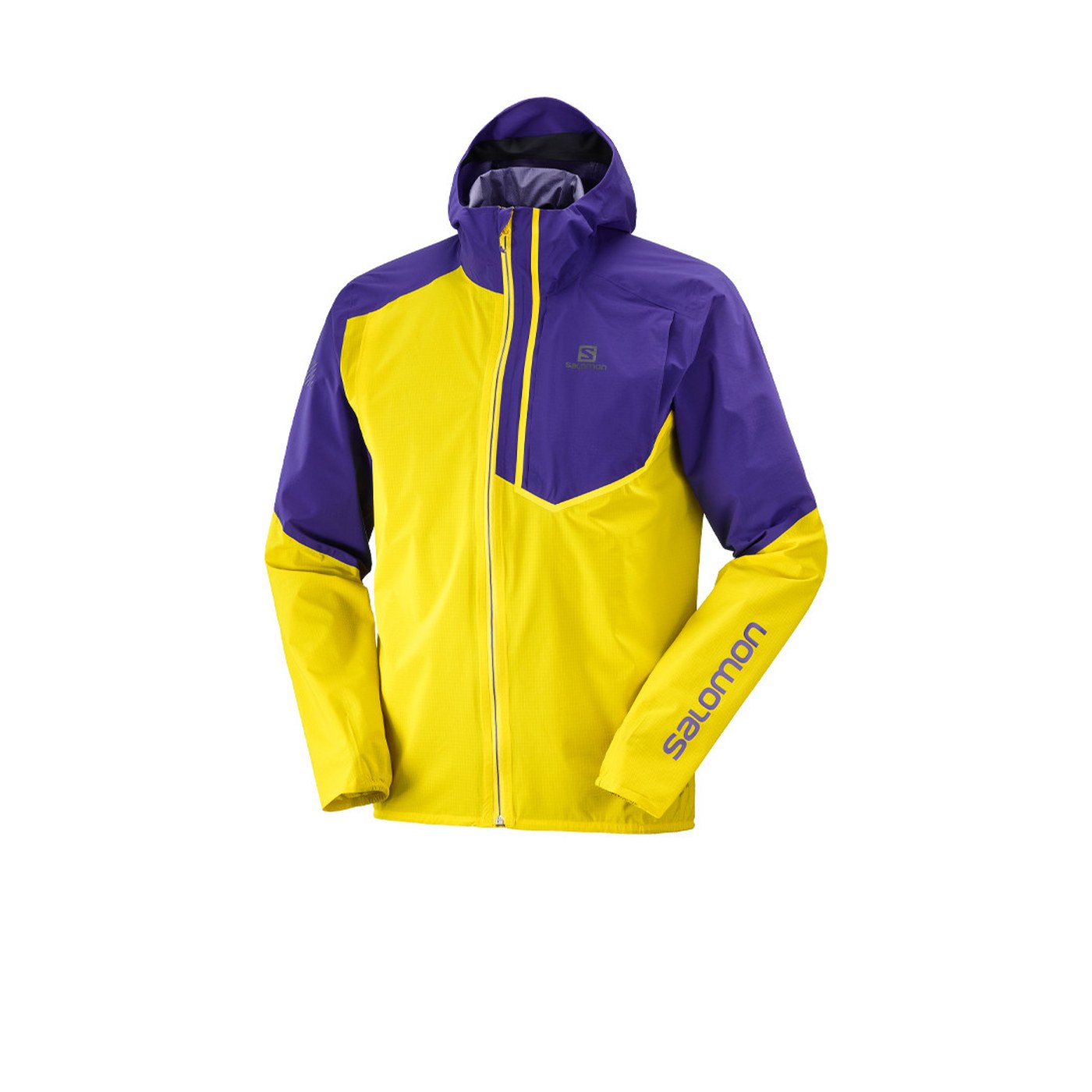
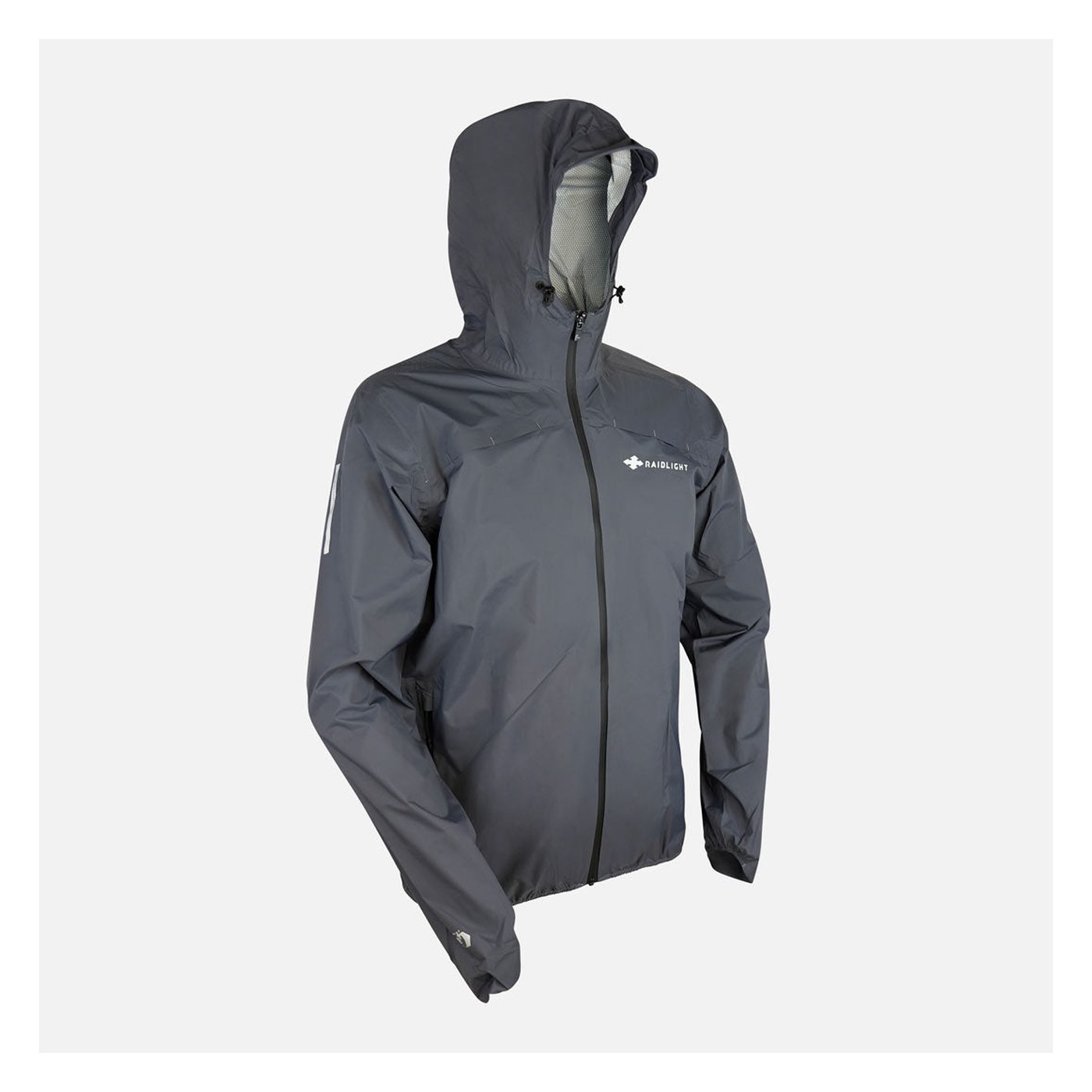
For versatility, the Salomon Bonatti remains the safe bet: it protects you without getting in the way, at a reasonable price. For pure performance, the Raidlight Top Extreme Ultra MP+, a French jacket, pushes breathability to a level few Gore-Tex jackets reach, at a featherweight. And if you want mountain toughness or bombproof high-end gear, the Montane Minimus Lite and the Arc'teryx Beta SL take over.
Best all-rounder: Salomon Bonatti
Best ultra performance: Raidlight Top Extreme Ultra MP+
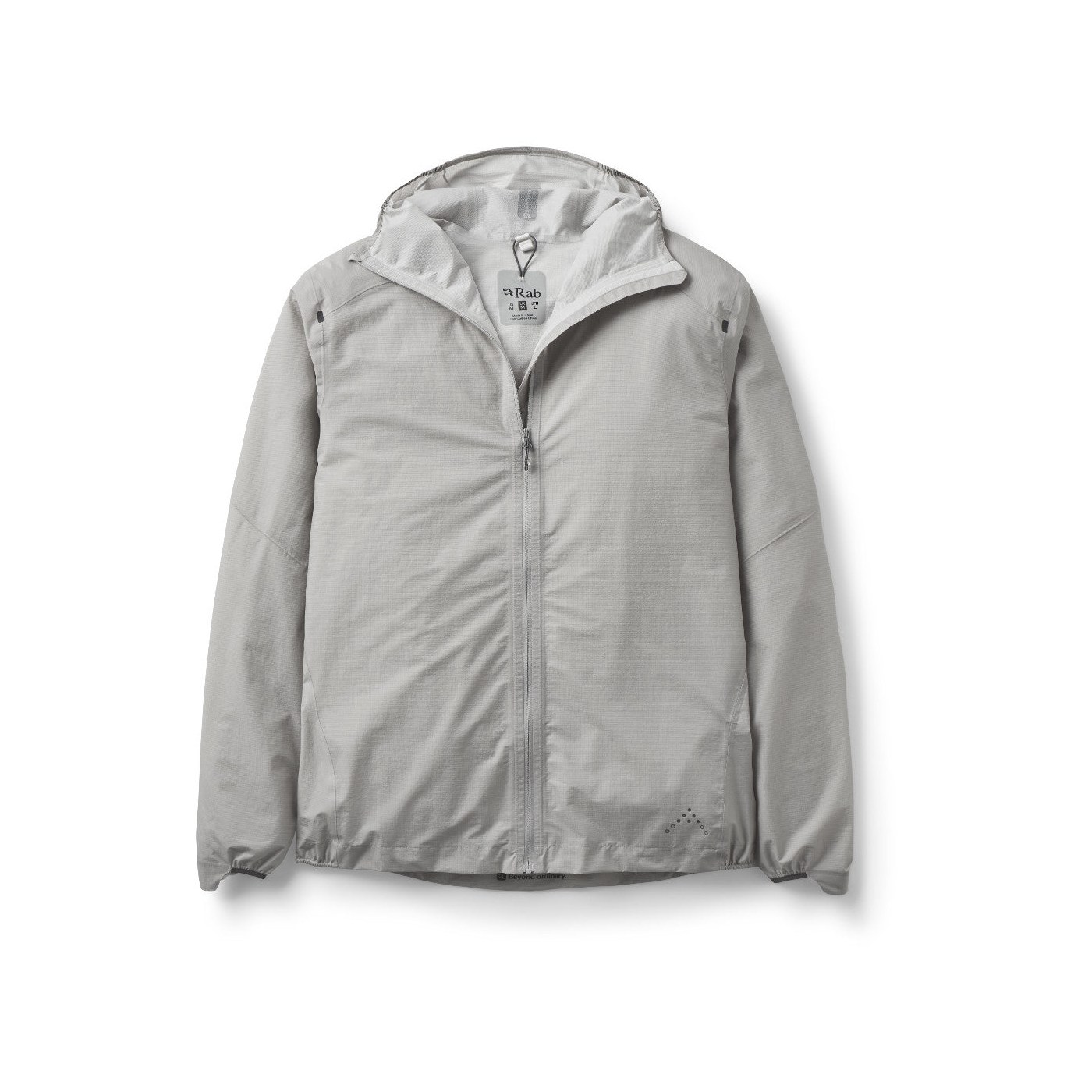
Best ultralight: Rab Phantom
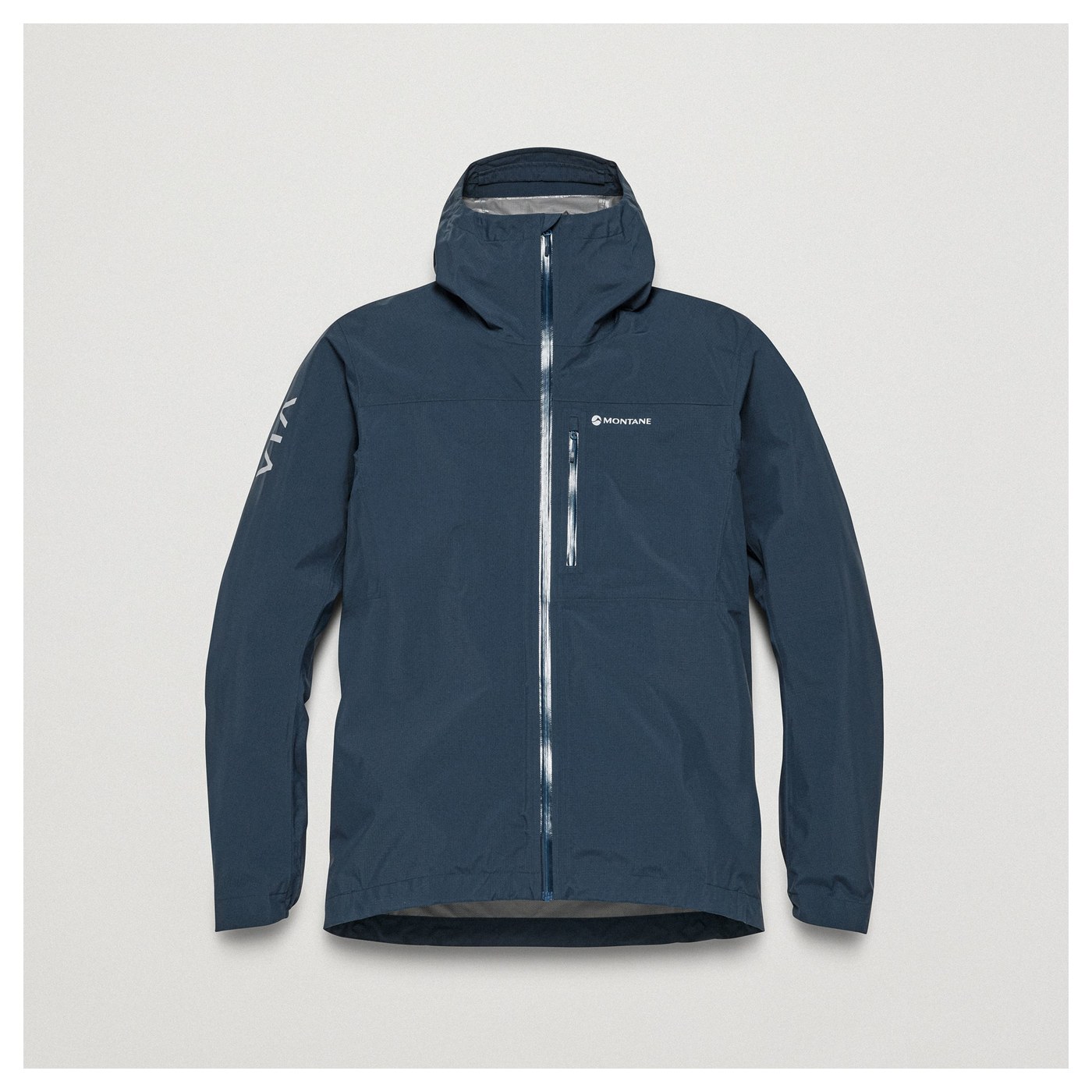
Best for the mountains: Montane Minimus Lite
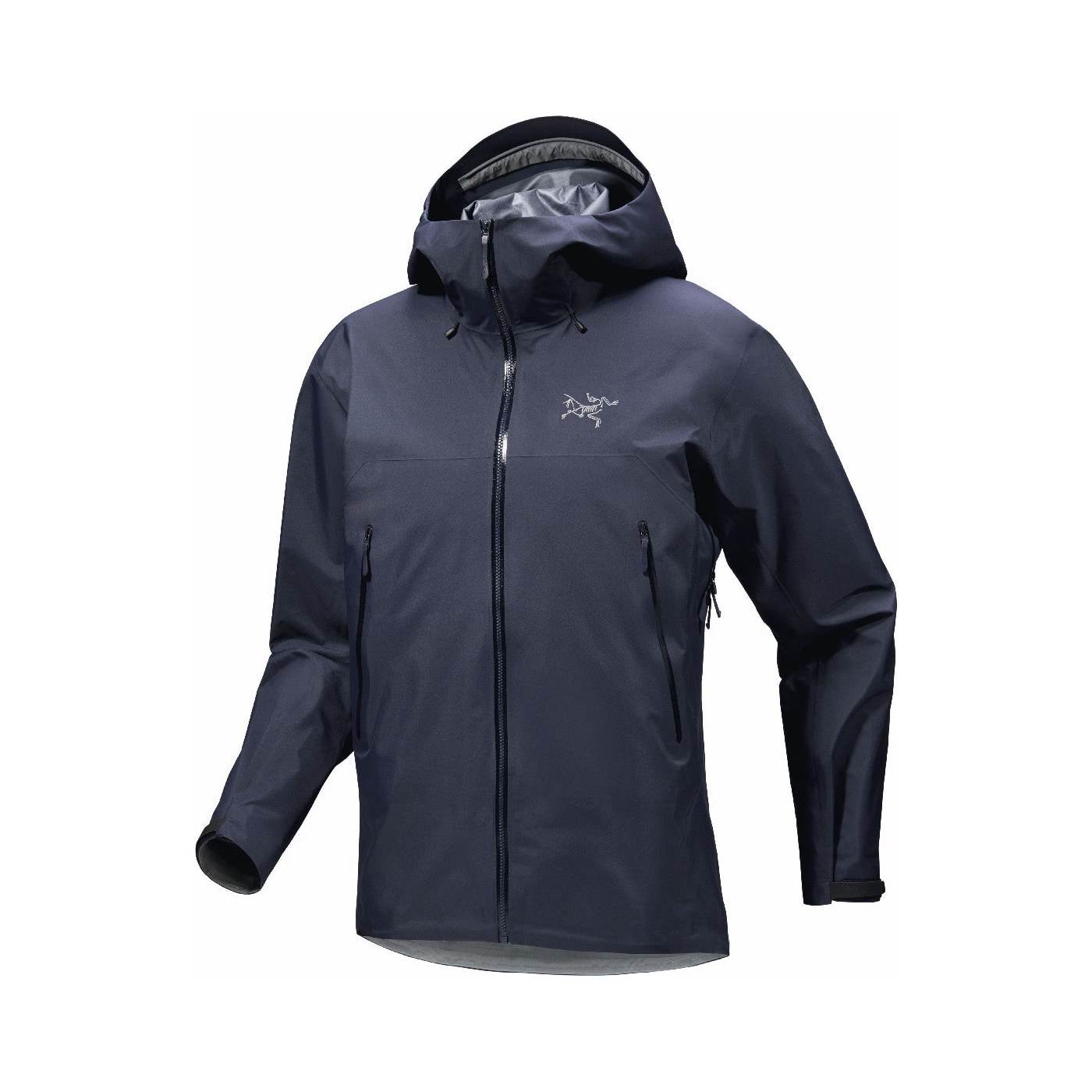
Best premium Gore-Tex: Arc'teryx Beta SL
How we picked the best jackets of 2026
A waterproof jacket is judged on the balance between three qualities that often pull against each other. First, waterproofing, measured in Schmerber (or millimeters of water column): count on at least 10,000 for a shower and 20,000 to stay dry in real mountain rain. Next, breathability, expressed as MVTR (grams per square meter per 24 hours): below 20,000, you sweat more than the rain soaks you. Finally, weight and packability, because a jacket you leave at home is useless.
We also looked at the membrane (Gore-Tex, Pertex Shield or proprietary membranes), hood quality, heat-sealed seams, and compliance with race mandatory gear lists, which often require taped seams and a minimum waterproof rating. The table below sums up the essentials.
The Bonatti is to trail jackets what the Clifton is to running shoes: the benchmark everyone knows and few regret. With 20,000 mm of waterproofing, 20,000 of breathability and 195 grams, it ticks every box without excelling anywhere, and that is exactly its strength. Taped seams, adjustable hood, decent packability and a sensible price: for 90 percent of trail runners, it's the safest default choice. We've given it a full dedicated review if you want to dig deeper.
Raidlight Top Extreme Ultra MP+ Best ultra performance
The French brand hits hard with its in-house MP+ membrane, which rivals or even beats Gore-Tex on breathability while staying fully waterproof. At around 130 grams, the Top Extreme Ultra is one of the lightest jackets in its category at this level of protection, which makes it a weapon of choice for ultra-trail, where every gram counts. Taped seams and a cut designed for running: it targets the demanding runner who heads out in any weather. Our full review covers everything.
At about 117 grams, the Rab Phantom is one of the lightest waterproof jackets on the market, barely heavier than a windbreaker. Its 2.5-layer Pertex Shield construction keeps the water out with honest breathability, all in a format that packs down into a soft flask pocket. It's the pick for minimalists and fast runners who want emergency protection without the bulk. The trade-off: its thin fabric makes it a little less durable than sturdier models.
The Montane Minimus Lite bets on toughness without excess. Its Pertex Shield membrane, adjustable hood with a stiffened peak and careful cut make it a reliable companion when the terrain gets serious and the wind turns icy. A little heavier than the ultralight jackets, it earns your trust with long-term durability and full protection, ideal for light alpinism, mountain trail running and changeable conditions.
When budget isn't the main constraint, the Arc'teryx Beta SL is the high-end benchmark. Its 3-layer Gore-Tex shell delivers waterproofing and durability few jackets can match, with flawless finishing. Heavier and much more expensive than running-specific models, it's built for the runner who wants one bombproof jacket for trail, demanding hikes and the mountains, year after year.
RunMorph tip: always check your race's mandatory gear list before you buy. Many trail races require a jacket with taped seams and a minimum of 10,000 or 20,000 Schmerber, hood included. And don't forget to maintain the DWR: a proper wash and a gentle tumble dry restore the water-beading effect that keeps the membrane breathable.
How to choose your waterproof jacket for the way you run
For fast running and showers, go for lightness and packability: Rab Phantom or Raidlight Top Extreme Ultra MP+. For ultras in the rain, breathability comes first to avoid the sauna effect over long hours, so Raidlight or, another highly breathable French gem, the Compressport Thunderstorm. For demanding mountain terrain and harsh conditions, prioritize full protection and toughness: advantage Montane Minimus Lite or Arc'teryx Beta SL. For all-round use, the Salomon Bonatti remains the most balanced choice.
And to get started on a budget, Decathlon's Kiprun waterproof range does a remarkable job at around 100 euros: enough to gear up without breaking the bank before investing in a race jacket. A simple rule of thumb: the faster and longer you run, the more breathability matters compared to raw waterproofing. A highly waterproof but poorly breathable jacket will soak you from the inside as much as the rain does from the outside.
If it's windy without much rain, a windbreaker is often enough: our review of the Patagonia Houdini Jacket (75 g, DWR) explains when to choose this format, far lighter than any waterproof jacket.
How to fit it into your RunMorph training
Race day in the rain is not the time to discover your waterproof jacket. Test it on your long runs in bad weather, learn to stow it and pull it out again on the move, and check that it breathes at your race pace, not just when walking.
Whether you're preparing for a tough trail race or a mountain ultra, the RunMorph training plans include long runs where you can test your gear in real conditions, so the weather never catches you off guard on race day.
Frequently asked questions about waterproof jackets
What does Schmerber mean?
Schmerber measures resistance to water pressure: 10,000 Schmerber equals 10,000 mm of water column. The higher the number, the better the jacket holds up to heavy, prolonged rain. Aim for 20,000 for the mountains.
What's the difference between waterproof and water-repellent?
A water-repellent jacket sheds water on the surface but eventually soaks through in heavy rain. A waterproof jacket, with its membrane and taped seams, keeps you dry for the long haul. For a race, you need a true waterproof jacket.
How do you care for your jacket?
Wash it with a technical detergent and no fabric softener, then reactivate the DWR with a gentle tumble dry or a dedicated product. A well-maintained membrane stays breathable much longer.
RunMorph Coach's verdict
In 2026, there isn't one best jacket, but a best jacket for each use. The Salomon Bonatti remains the all-round choice that disappoints no one. French brand Raidlight has raised breathability to a level that rivals the best Gore-Tex jackets, a real point of pride. For minimal weight, the Rab Phantom impresses, and for harsh mountain terrain, the Montane and the Arc'teryx deliver. Ultimately, the best buy is the jacket whose waterproofing and breathability match how you actually run.
Key takeaways for your gear
Two key numbers: Schmerber for waterproofing, MVTR for breathability; aim for 20,000 on both.
Versatility: the Salomon Bonatti remains the safe bet for most trail runners.
French performance: the Raidlight rivals the best on breathability.
Mandatory gear: check for taped seams and the minimum waterproof rating before every race.
Care: reactivate the DWR regularly to keep the membrane breathable.