Best Energy Gels 2026: Marathon, Trail and Ultra Compared
Energy gels have become the crux of race fueling. In a marathon, a trail race or an ultra, it's no longer your shoes or your watch that will make you crack halfway through, but your stomach and your ability to absorb carbs without falling apart. In 2026, that's where the real revolution is: multiple-transportable-carbohydrate gels, which blend glucose and fructose to push far more sugar per hour through your gut without digestive trouble. At RunMorph, we put the best-known gels on the market under the microscope to help you choose based on your distance, your stomach and your budget.
The RunMorph podium in 3 sentences
For rock-solid reliability over the marathon, the Maurten Gel 100 and its hydrogel technology remain the benchmark the entire elite field copies. To get a lot of carbs in at high intensity without weighing down your stomach, the Precision PF 30 and the SIS Beta Fuel lead the way thanks to their dual glucose-fructose source. And for ultra-trail, the Näak Ultra Energy and the GU Roctane add electrolytes, amino acids and sodium exactly where your body needs them most.
A good gel is about more than taste. At RunMorph, we compared every gel on six criteria that make a real difference on race day. First, the amount of carbs per sachet, because that's the raw fuel. Next, the type of carbs: modern formulas blend glucose and fructose, two sugars that use different absorption pathways. That lets you absorb up to 90 grams of carbs per hour instead of the 60 grams you get from a single sugar.
Then come digestibility, which depends on the gel's osmolality and texture; sodium, to replace what you lose in sweat; caffeine, if any, for a kick; and of course the price per sachet. No gel is perfect everywhere: the right choice depends on your distance, the heat and how much your stomach can tolerate. The table below sums it all up.
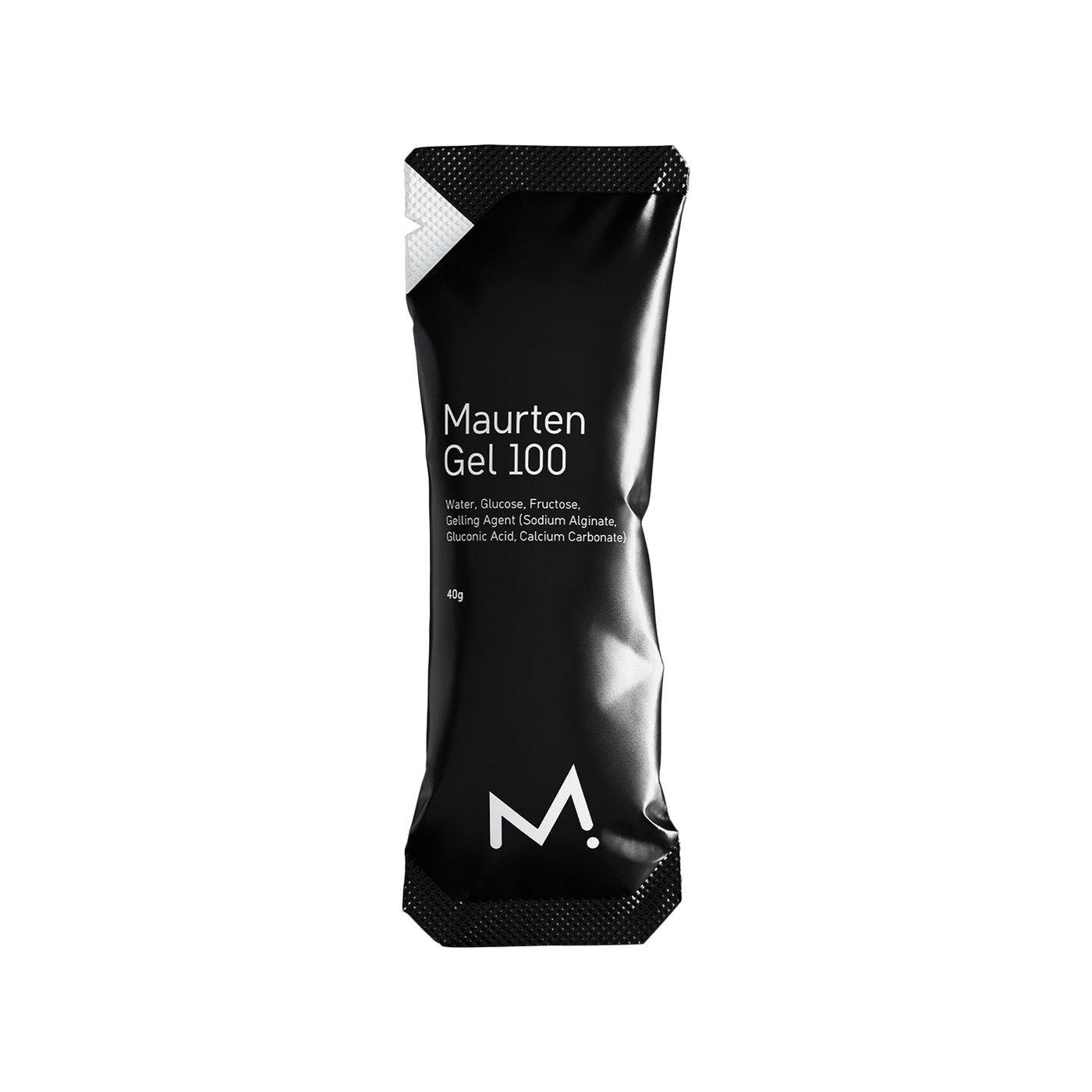
This is the benchmark everyone copies. The Maurten Gel 100 encapsulates its 25 grams of carbs in a hydrogel matrix that passes through your stomach without upsetting it and releases the energy in the intestine. The result: next to no risk of digestive trouble, even at a fast pace, which explains why you see it at the aid stations of the biggest marathons and in the hands of the best runners in the world. Its neutral, almost tasteless flavor means you can take one after another without getting sick of it. Its only real drawback is the price, the highest in this comparison. To dig deeper, read our full review of the Maurten Gel 160, the version loaded with 40 grams of carbs.
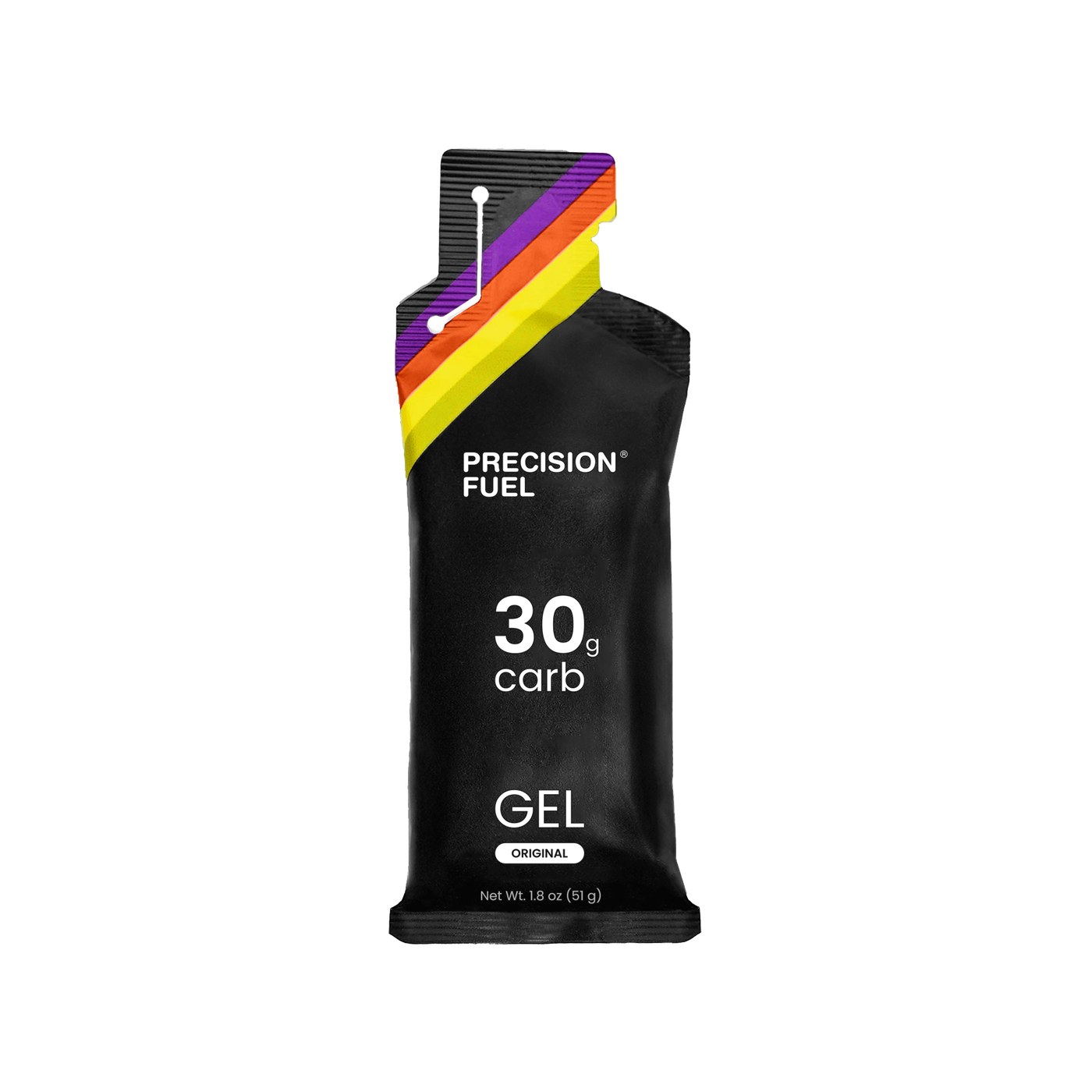
The PF 30 is the favorite of triathletes and marathoners who fuel hard. Its 30 grams of dual-source maltodextrin-fructose carbs, in a 1:0.8 ratio, go down remarkably well even at high intensity, where plenty of gels trigger stomach cramps. The taste is light and not very sweet, and the CAF 30 version adds 100 milligrams of caffeine for the closing stages of a race. This is the gel to pick if your goal is to hit 80 to 90 grams of carbs per hour without wrecking your digestive system.
If you want as many carbs as possible per sachet, Science in Sport's Beta Fuel is your ally. Its reformulated 1:0.8 recipe delivers around 40 grams of carbs per gel, one of the highest densities on the market, at a reasonable price. The texture is thicker, so it's best taken with a sip of water. The brand also offers GO Isotonic, a runnier gel with 22 grams of carbs that goes down without water thanks to its isotonic formula: perfect when aid stations are far apart.
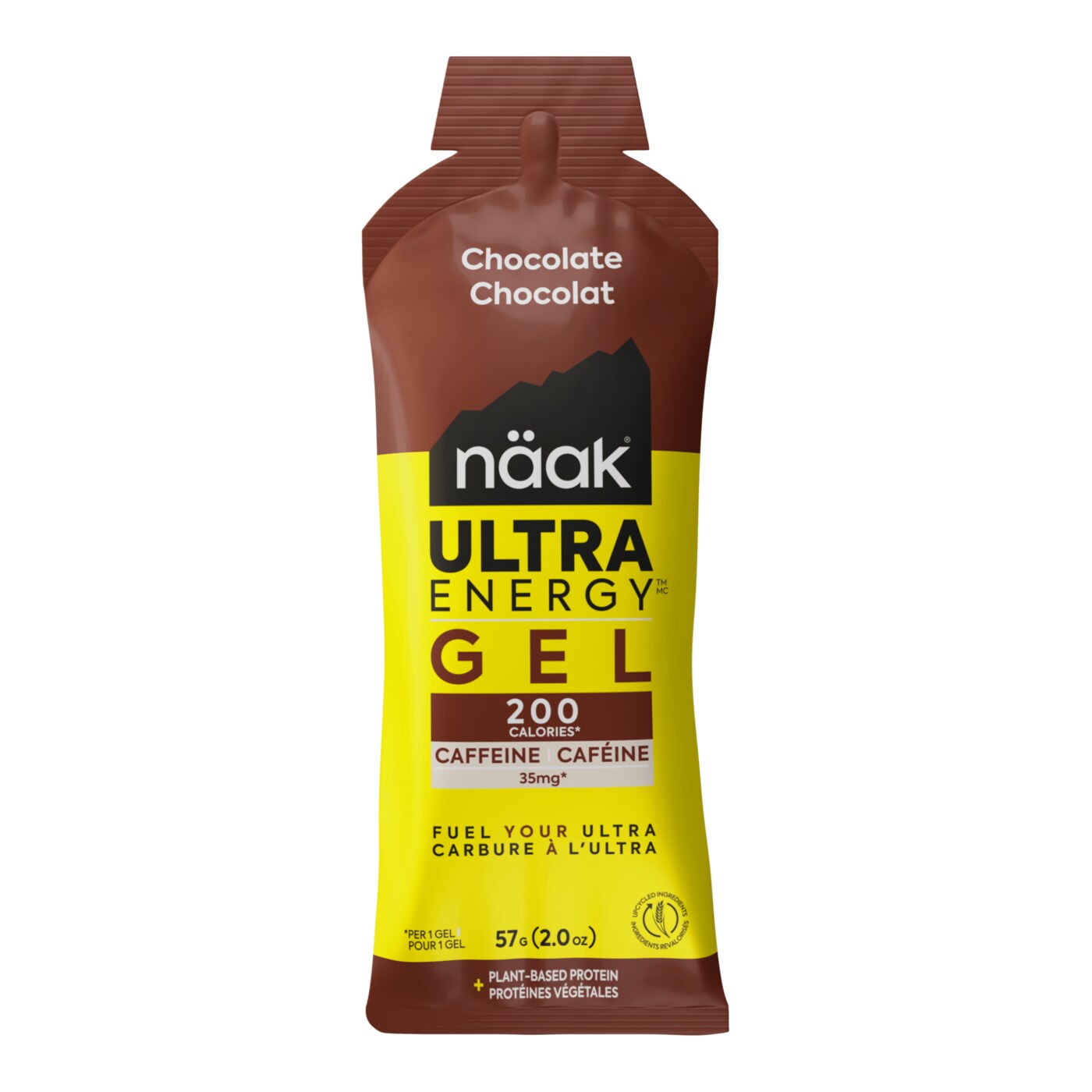
Built for long efforts, the Näak Ultra Energy doesn't stop at sugar. Its 28 grams of carbs come with BCAAs, electrolytes and, in the caffeinated version, 50 milligrams of caffeine. In an ultra where you're eating for hours on end, this complete package helps limit muscle damage and keep your hydration on track. The range also plays the flavor card, with both sweet and savory options, to head off the taste fatigue of long distances. We've given it a dedicated full review if you want to dig deeper.
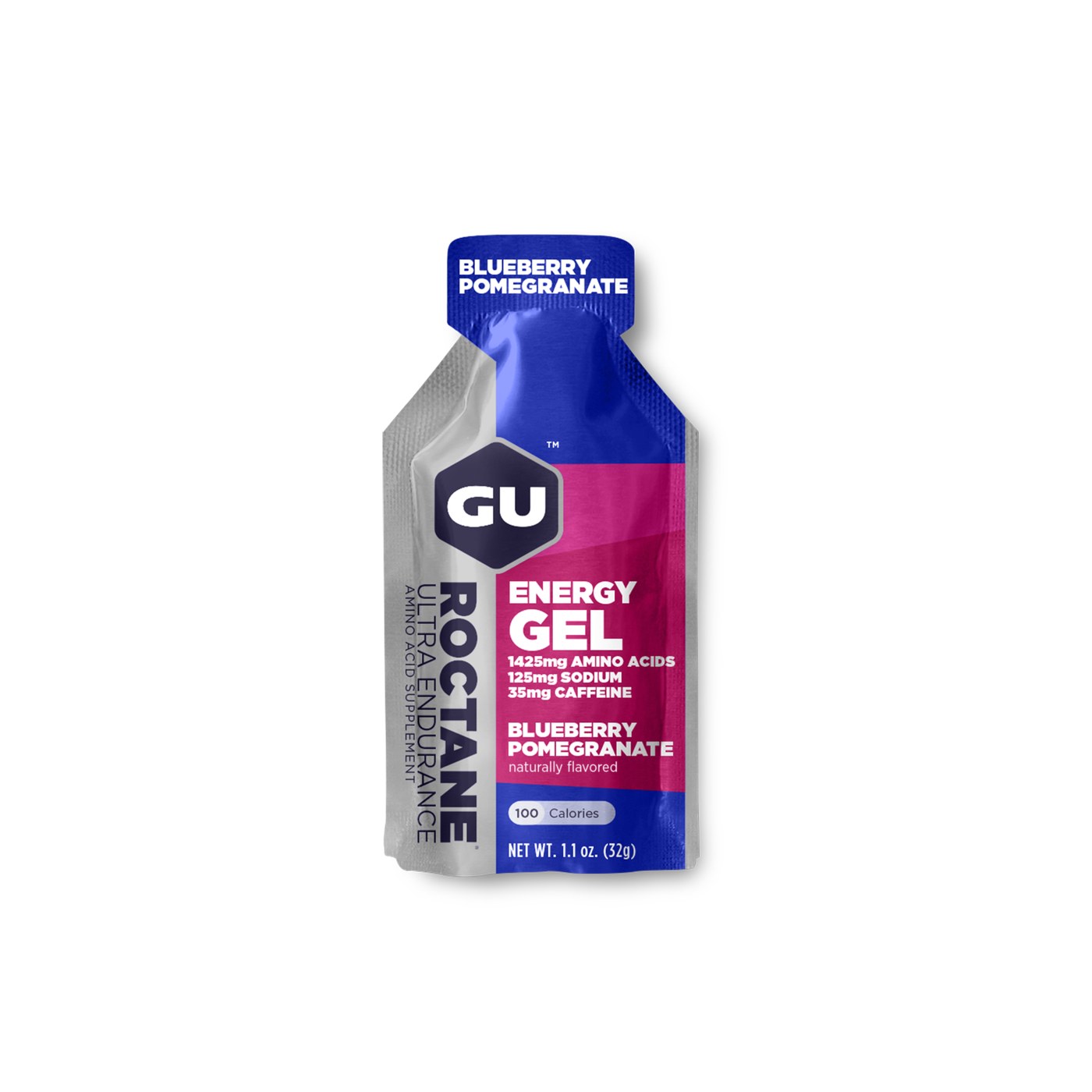
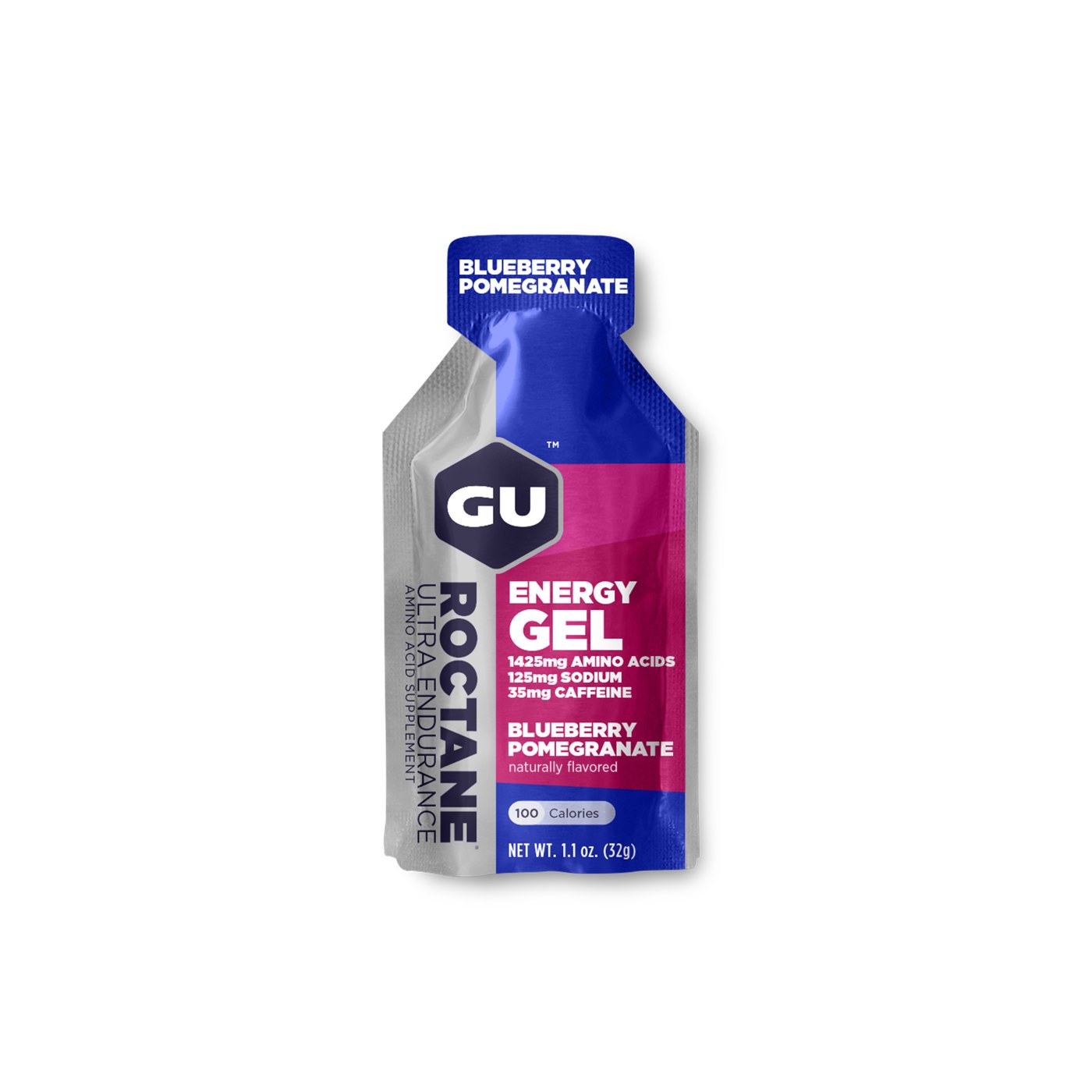
A veteran of the field, GU has fine-tuned its Roctane range for extreme conditions. With 125 milligrams of sodium, a solid dose of amino acids and caffeine that climbs with the flavor (from 35 to 70 milligrams), this is the gel to reach for when it's hot and you're sweating heavily. It doesn't chase maximum carb density, at around 21 grams, but completeness: minerals, amino acids and energy in a single sachet. A solid choice for ultras and summer races. For a detailed verdict, read our full review of the GU Roctane.
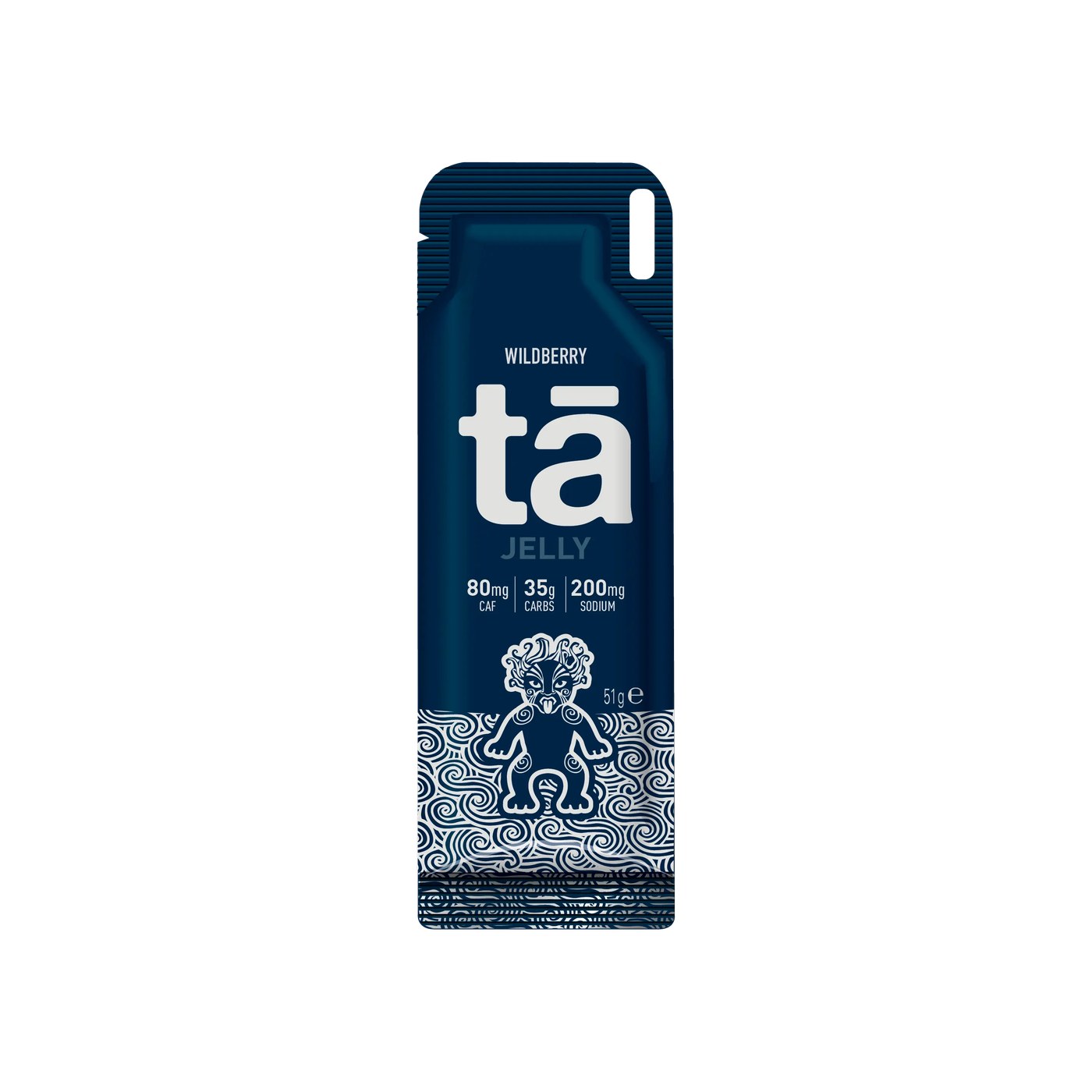
If budget matters, the TA Energy Gel offers one of the best ratios on the market: about 33 grams of carbs for roughly €2.50, in a generous format. The multi-source formula ensures good absorption, and it comes with or without caffeine. It's not the most refined gel of the bunch, but for training without blowing your nutrition budget, it does a remarkable job. An even cheaper alternative is available at Decathlon with the Aptonia range, ideal for high training volumes, such as the Decathlon Energy Gel+, which RunMorph reviewed separately.
RunMorph's tip: never try a gel for the first time on race day. Aim for 60 grams of carbs per hour to start, then build gradually toward 90 grams in training to get your gut used to it. You train your fueling strategy like a workout. You don't improvise it.
How to choose your gel for your goal
For a road marathon, prioritize digestive reliability and a neutral taste: Maurten Gel 100 or Precision PF 30 are built for exactly that. For a trail race or an ultra, you want more than plain sugar: electrolytes and amino acids make the difference, so go for Näak Ultra Energy or GU Roctane. In extreme heat, sodium becomes the priority, which gives GU Roctane the edge. If you have a sensitive stomach, Maurten's hydrogel technology or Precision's low osmolality keep nasty surprises to a minimum. Finally, to train on a budget, TA Energy or Decathlon's Aptonia range get the job done without breaking the bank.
Among French brands, Overstims, with its famous guarana-boosted Coup de Fouet, remains a safe bet that's widely available in France for anyone who wants to back domestic production. One last pointer: beyond 2 hours of effort, alternate a caffeinated gel with a caffeine-free one so you don't overload, and remember to drink regularly, especially with the most concentrated gels. If you prefer solid food to liquid, our review of the Baouw bar fits nicely into a fueling strategy.
How to build it into your RunMorph training plan
The best gel in the world is worthless if your gut isn't used to it. The right approach is to build your fueling strategy into your long runs, exactly as you rehearse your goal pace. Write down what you take in and how often, and adjust before race day.
Whether you're preparing for your first marathon, a tough trail race or an ultra, RunMorph training plans include long runs where you can test your fueling in real conditions, so you reach the start line with a nutrition plan that's been dialed in.
Frequently asked questions about energy gels
How many gels should you take per hour?
It all depends on their carb content. To hit 60 grams of carbs per hour, count on two to three gels depending on the brand. To push up to 90 grams for a high-intensity target, you need dual-source gels and a trained gut.
Do you need to drink water with a gel?
With most concentrated gels, yes: a sip of water helps absorption and prevents discomfort. Isotonic gels, such as the SIS GO Isotonic, are the exception and can be taken without water.
Are caffeinated gels better?
Caffeine sharpens alertness and lowers perceived effort, especially late in a race. But you can't keep stacking it indefinitely: save caffeinated versions for the second half of your race and don't overdo it.
The RunMorph Coach's verdict
In 2026, there's no single best gel, but there is a best gel for each use. The Maurten Gel 100 remains the marathon's safe haven thanks to its unbeatable gut tolerance. The Precision PF 30 and the SIS Beta Fuel have tipped the market toward high doses of dual-source carbs. And for ultras, Näak and GU Roctane bring that extra dose of electrolytes and amino acids that changes everything over the long haul. In the end, the real winner is the runner who takes the time to test before racing.
Key takeaways for your training
Dual-source carbs: glucose and fructose together let you absorb up to 90 g per hour.
Marathon: bet on digestive reliability, with Maurten Gel 100 or Precision PF 30 leading the way.
Ultra and heat: prioritize sodium and amino acids, with Näak Ultra Energy and GU Roctane.
Test in training: never an unfamiliar gel on race day. Get your gut used to it.
Budget: TA Energy and Aptonia let you train without breaking the bank.