A lot of runners hate chest straps. Too tight, chafing, left at home one run in three. Coros launched its optical armband in late 2023 as a credible alternative: slide it onto your biceps, start your workout, done. Three years on, the HR Monitor is still one of the few armbands that combines near-chest-strap accuracy, total comfort and a reasonable price. Here is our full review of a sensor that could make you forget your chest strap.
Coros HR Monitor Review: The €89 Armband That Replaces Your Strap
8/10
Coros HR Monitor: the armband you forget you're wearing
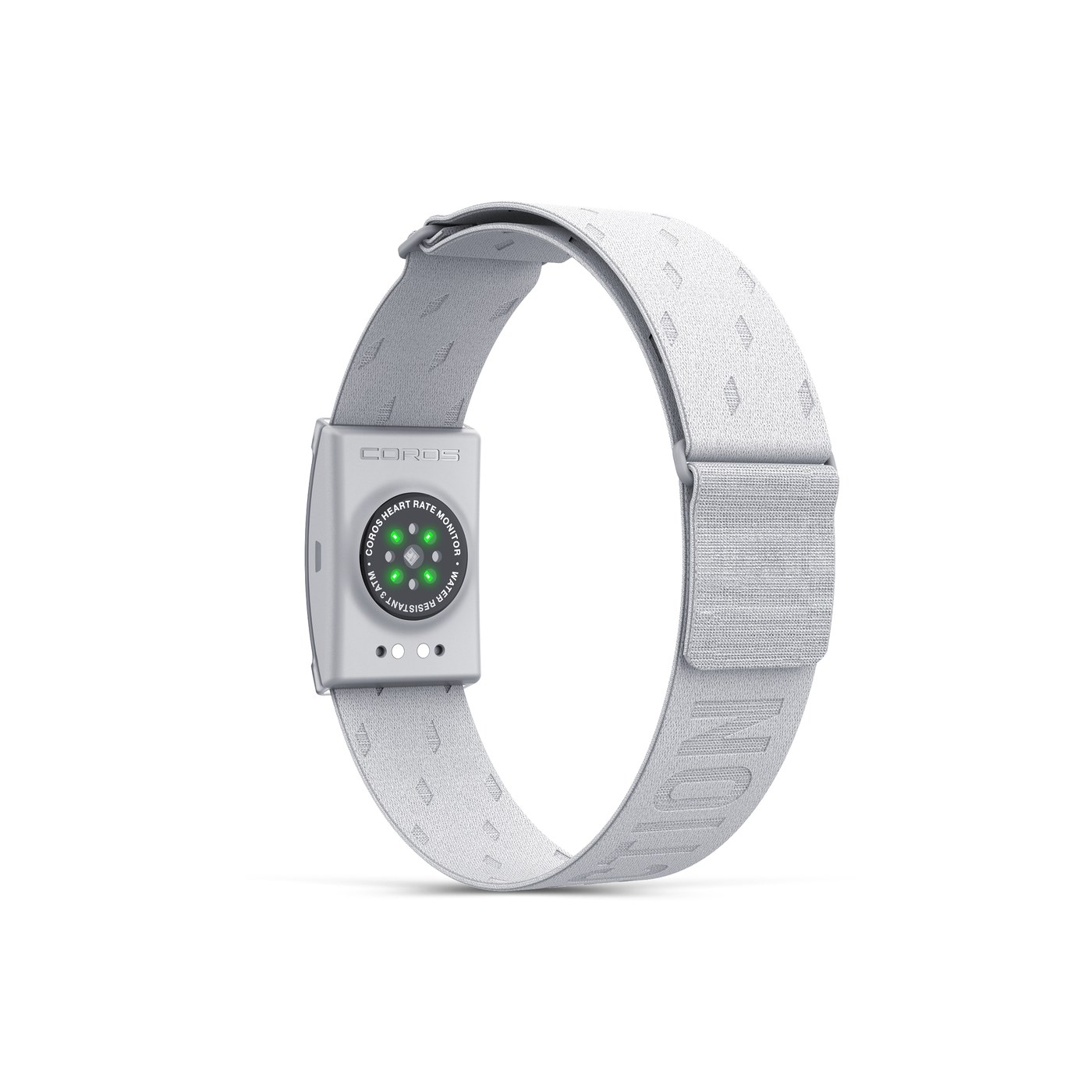
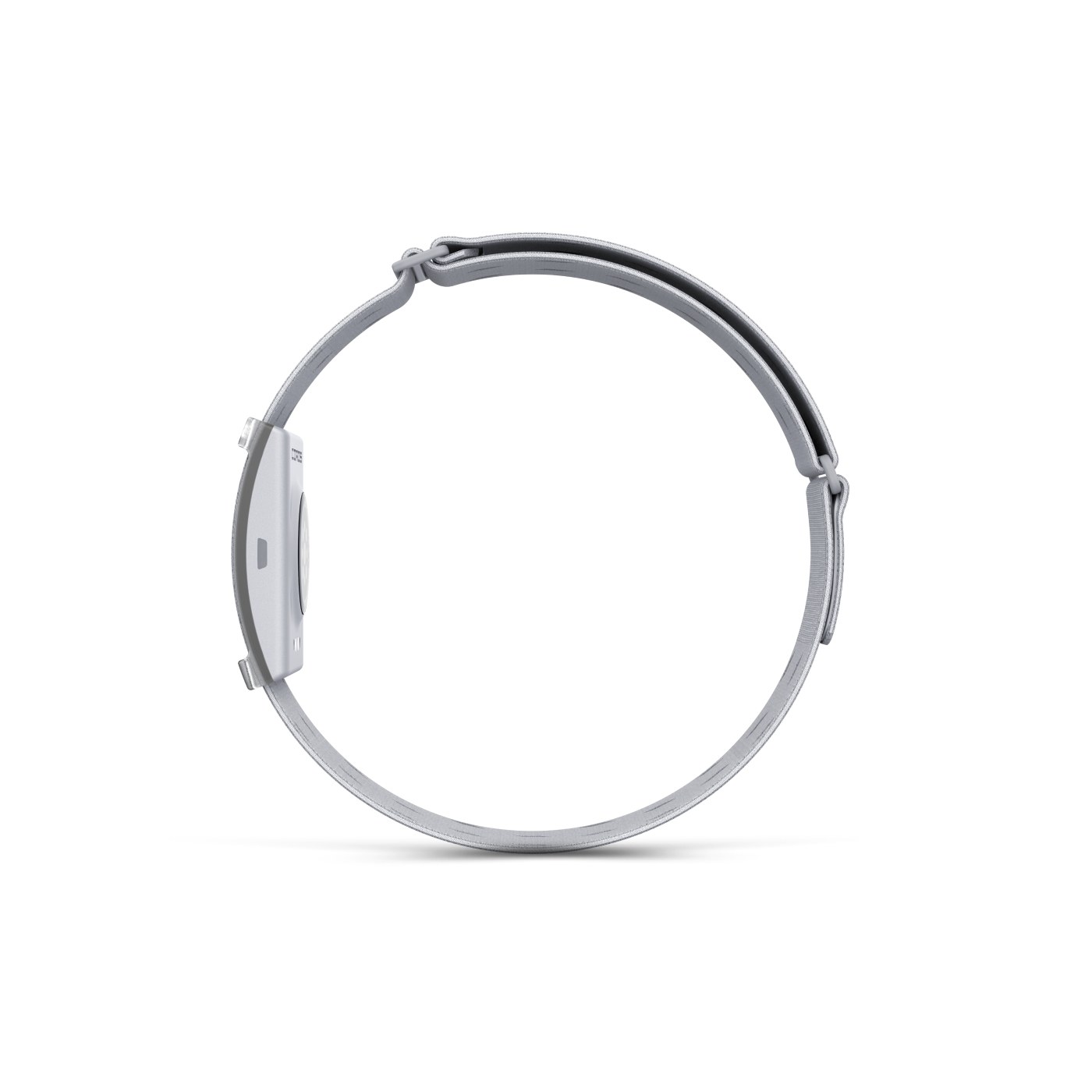
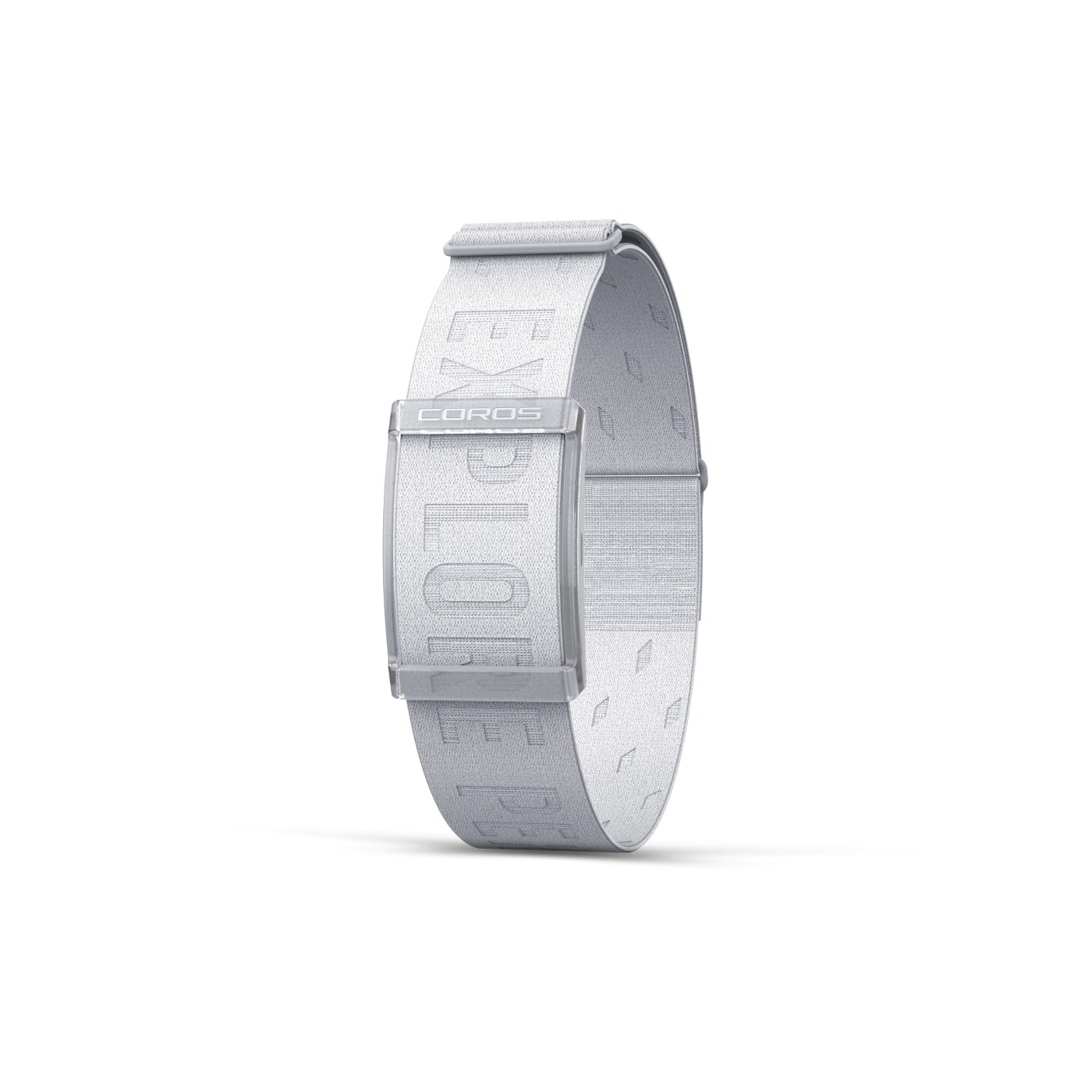
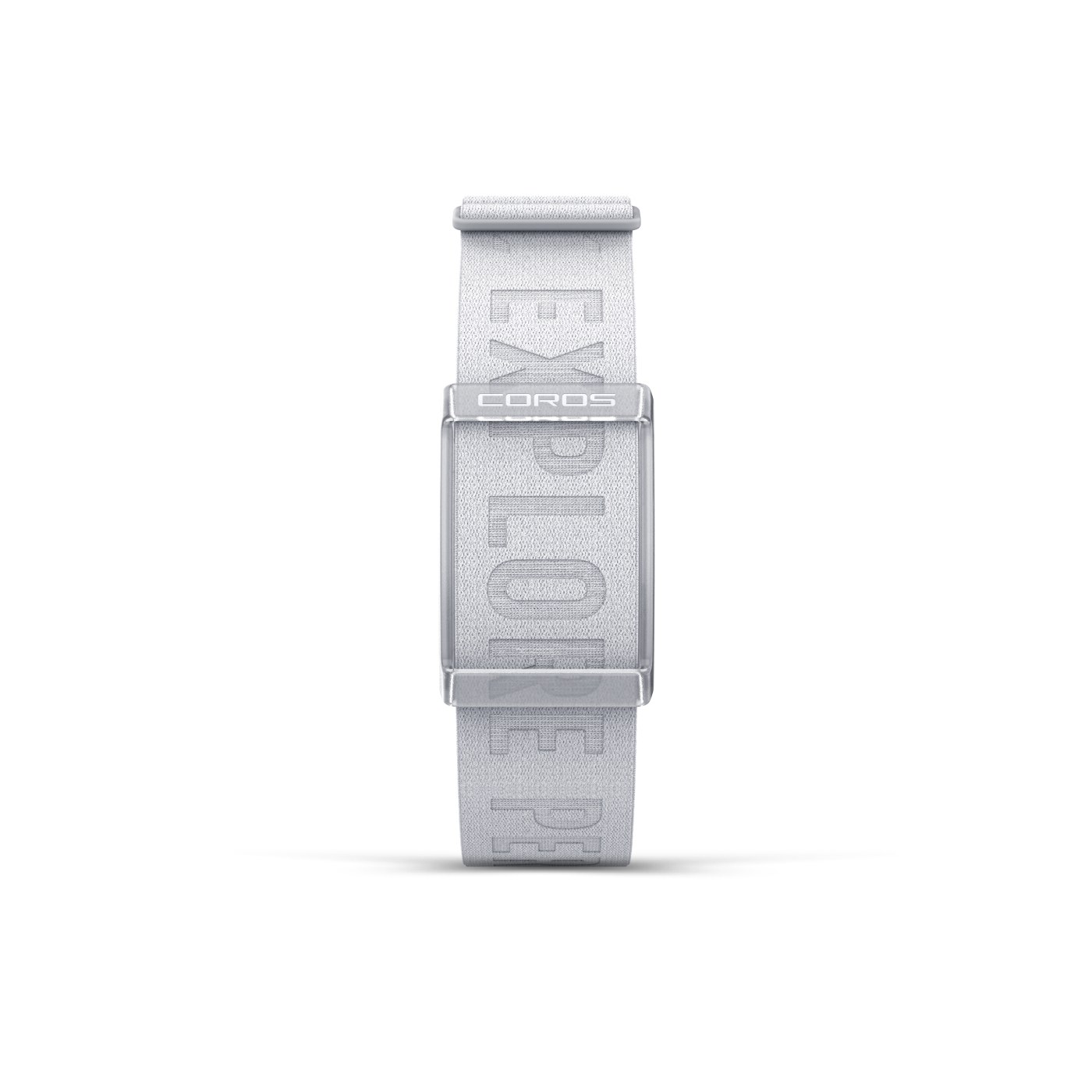
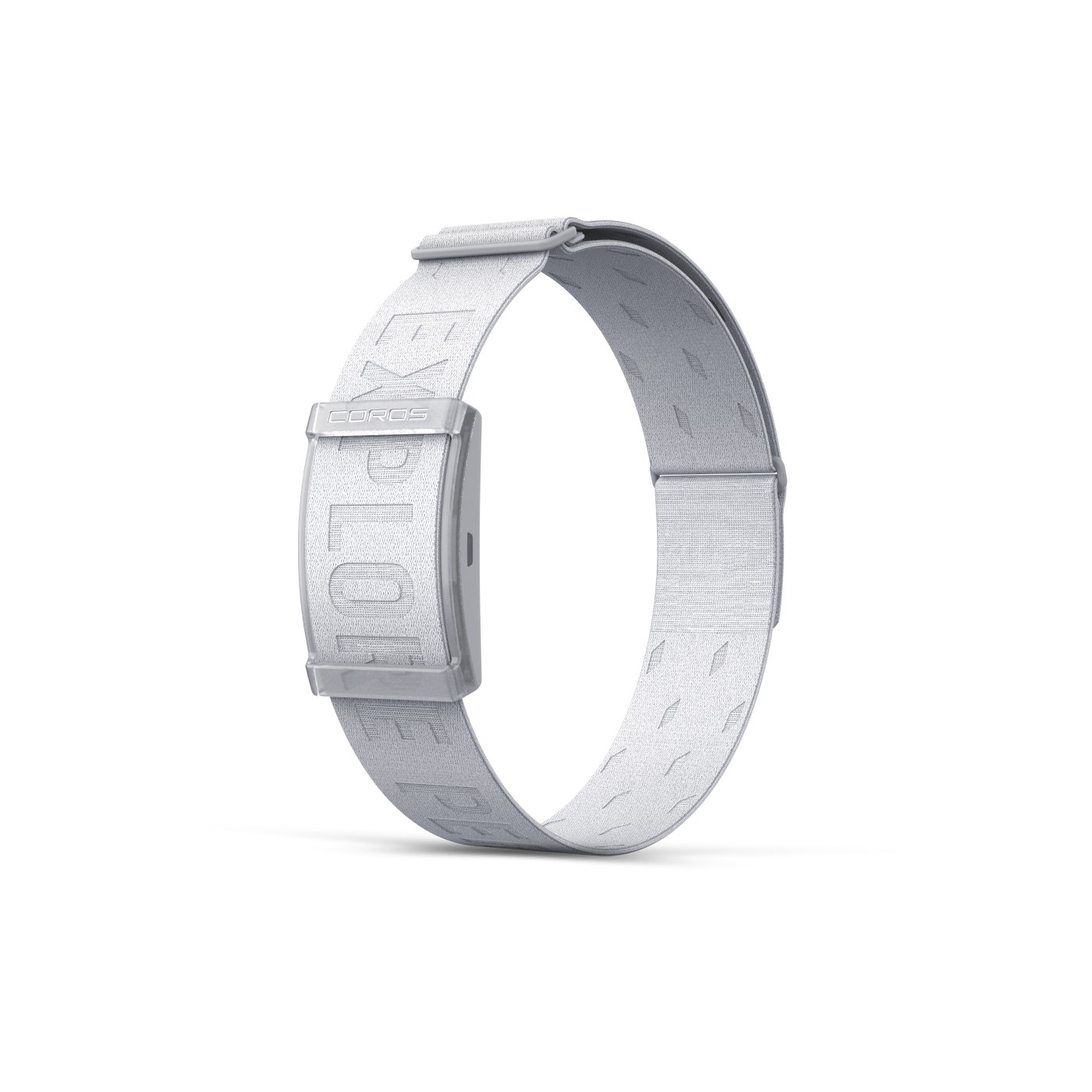
The Coros HR Monitor is an optical heart rate sensor worn on the arm, usually around the biceps. Five LEDs, four photodetectors and a rechargeable 9.7-gram module that slips into a 19-gram stretchy fabric band. Put it on, tighten the hook-and-loop strap, and auto-detection turns the sensor on as soon as it feels your skin. No button to press, no app to open.
The official French price sits around 89 euros at Alltricks and 79 euros directly from Coros. That makes it cheaper than a Polar Verity Sense (99 euros), and pricier than an older-generation Polar OH1+, but with better accuracy and connectivity.
RunMorph's advice: the HR Monitor is more than a comfort pick. It is the right choice if you run only easy and threshold sessions with a Garmin or Coros watch. But if you do a lot of very short intervals (200 m or less) or use ANT+ devices such as Garmin Edge bike computers, the chest strap still wins: the armband transmits over Bluetooth only.
Objective specs
| Spec | Value |
|---|---|
| Brand | Coros |
| Model | Heart Rate Monitor |
| Sensor type | Optical armband (5 LEDs + 4 photodetectors) |
| Protocols | Bluetooth 5.0 only (no ANT+) |
| Simultaneous connections | 3 receivers at once |
| Active battery life | 38 hours continuous |
| Standby battery life | 80 days |
| Charging time | Under 2 hours (magnetic USB) |
| Water resistance | 3 ATM (30 m, rain- and sweat-proof) |
| Module weight | 9.7 g (fabric band 19 g) |
| Band sizes | Standard (18-32 cm), Large (24-43 cm) |
| Auto-detection | Turns on and off when worn |
| Official French price | 79-89 euros |
Who is this sensor for?
The threshold and easy-pace runner
If your workouts sit between 60 and 90 percent of max HR, the HR Monitor tracks the changes with accuracy comparable to a chest strap. Lag on gradual transitions (moving from Z2 to Z3) stays under 3 seconds. You can hold your threshold pace without the classic dropouts of wrist-based optical sensors, especially in winter when vasoconstriction skews the reading.
The triathlete on the bike and indoor trainer
Bluetooth connection to 3 receivers solves the classic problem: your Coros watch, your Wahoo Bolt bike computer and Zwift on your tablet all connect at the same time. The armband stays put on your biceps even when you are tucked into an aero position, unlike a chest strap that rides up when you lean over the handlebars.
The runner who refuses to wear a chest strap
For women who find straps uncomfortable under a sports bra, for runners with sensitive skin who chafe along the ribs, for anyone who forgets their strap drying half the time, the armband fixes the problem. Put it on and go. No gel, no wetting the electrodes, no adjusting strap length.
Heart rate accuracy
Independent data published in 2024 and 2025 is close to unanimous: the Coros HR Monitor sits among the top optical armbands, neck and neck with the Polar Verity Sense, and slightly behind a Polar H10 chest strap on very short peaks. In practice, over a 90-minute Z2 easy run, the average gap with a chest strap is 1 to 2 bpm. On long threshold work (4x10 minutes at 88 percent of max HR), the gap stays under 3 bpm.
Where the armband hits its limit: very short intervals (10x200 m) with sharp peaks and short recoveries. Lag climbs to 5-6 seconds, and the curve smooths out the true max peaks. Not a big deal if you train by pace, annoying if you want to confirm a precise max heart rate.
The key to accuracy is placement. Coros recommends the upper third of the biceps, sensor facing outward, strap snug without cutting off circulation. If you feel the band sliding toward your elbow or can slip a finger under it, you will lose 5 to 10 bpm of accuracy. For sports that work the biceps hard (strength training, climbing, rowing), Coros advises moving it to the forearm.
Advanced running metrics
This is the big limitation of an optical armband: no running dynamics at all. No vertical oscillation, no ground contact time, no cadence, no stride length. The HR Monitor has no running-specific accelerometer, and its job is strictly heart rate and basic heart rate variability.
If your Coros watch (Pace 4, Pace Pro, Apex 4) already calculates cadence and running power with its own accelerometer, the optical sensor on your biceps is all you need. If you want ground contact time or GCT balance, stick with a Garmin HRM 600 or Polar H10 chest strap paired with a dedicated running pod.
For HRV, the armband sends a signal of average quality. Good enough for stress and recovery calculations in the Coros app, not good enough for detailed HRV analysis such as Garmin's Endurance Score or Training Status.
Connectivity and pairing
Bluetooth Low Energy 5.0 only. No ANT+. That is Coros's design choice: it keeps the armband simple but limits its use with ANT+-only bike computers and indoor trainers. Almost every modern GPS watch (Garmin, Polar, Suunto, Apple Watch and, of course, Coros) supports Bluetooth heart rate, so the ecosystem is wide.
Connecting to 3 receivers at once is rare and valuable. In a triathlon, you connect your watch, your bike computer and your smartphone (for Strava live) without unpairing between transitions. Pairing takes 3 to 5 seconds the first time, and reconnecting is almost instant after that.
Auto-detection when you put it on is impressive. Slide the band on, a green LED blinks briefly, and the sensor starts. Take it off and it shuts down after a few seconds. No physical button on the module, which makes waterproofing simpler and avoids accidental starts in your bag.
How it compares
Polar Verity Sense is still the direct rival, at 99 euros. Comparable optical accuracy, Bluetooth AND ANT+, 30 hours of active battery life. The Verity wins on multi-protocol support (useful for Garmin Edge) and loses on battery life. The logical choice if you want to connect your armband to an ANT+ bike computer.
Polar H10, a chest strap at 99 euros: unbeatable lab-grade accuracy, ANT+ and Bluetooth, 5 kHz for gym equipment. But it is a chest strap, runs on a coin cell battery (400 h) and has no sport-specific internal memory. The benchmark if you want exact numbers, not if you are after comfort.
Garmin HRM 600 at 169 euros: the Rolls-Royce of chest straps, with full running dynamics, 5 ATM and standalone recording. For twice the price of the Coros, you get peak-to-peak accuracy, running metrics and deep Garmin ecosystem integration. Best kept for Forerunner and Fenix owners.
How to fit it into your RunMorph training plan
The HR Monitor shines on long runs. Head out for 2 to 3 hours with no worries about the battery dying (38 h of battery life), no chafing on your sternum, and reliable heart rate data. In a marathon build, the armband locks in your long Z2 runs and progressive Z3 work without any equipment hassle.
On structured threshold sessions (3x12 minutes at 90 percent of max HR, for example), the heart rate curve stays usable. You can check that you are not drifting across reps and adjust your pace based on heart rate. Paired with a RunMorph training plan, the armband becomes a discreet companion for your base weeks before the taper.
Practical tip: keep a chest strap as backup for your maximal aerobic speed tests and your 10x400 m. The armband covers 90 percent of your training, and the chest strap takes over for the 10 percent of ultra-short sessions where every second of lag counts.
RunMorph verdict
The Coros HR Monitor is the best comfort-first alternative to a chest strap in 2026. Optical accuracy close to the Polar Verity Sense, a record 38 hours of battery life, Bluetooth connection to 3 receivers and a fabric band you forget you are wearing. At 79-89 euros, it is aggressively priced against the Verity at 99 euros. Our score: 8/10. We take off a point for the lack of ANT+, which rules out Garmin Edge bike computers, and half a point for the lag on very short intervals. For an easy-pace and threshold runner, it offers the best balance of comfort, accuracy and price on the market.
Key takeaways for your training
- Optical accuracy on par with the Polar Verity Sense for easy and threshold runs, with an average gap under 3 bpm.
- 38 h of active battery life: a full week of hard training without recharging.
- Bluetooth connection to 3 receivers at once: watch, bike computer and smartphone in parallel.
- No running metrics (oscillation, GCT) and no ANT+: plan around it if you use a Garmin bike computer.
- Place the sensor on the upper third of your biceps with the strap snug: accuracy depends entirely on it.