The field test: what three French sources say after several weeks
Before making a call, RunMorph read three French reviews published at launch from start to finish, each with a different protocol. Wanarun wore the watch for several weeks in daily life and across varied sports. Sport-Passion ran the most instrumented test, over three weeks, with a pre-release unit. Frandroid published a full review scored out of 10, included in its editorial buying guide.
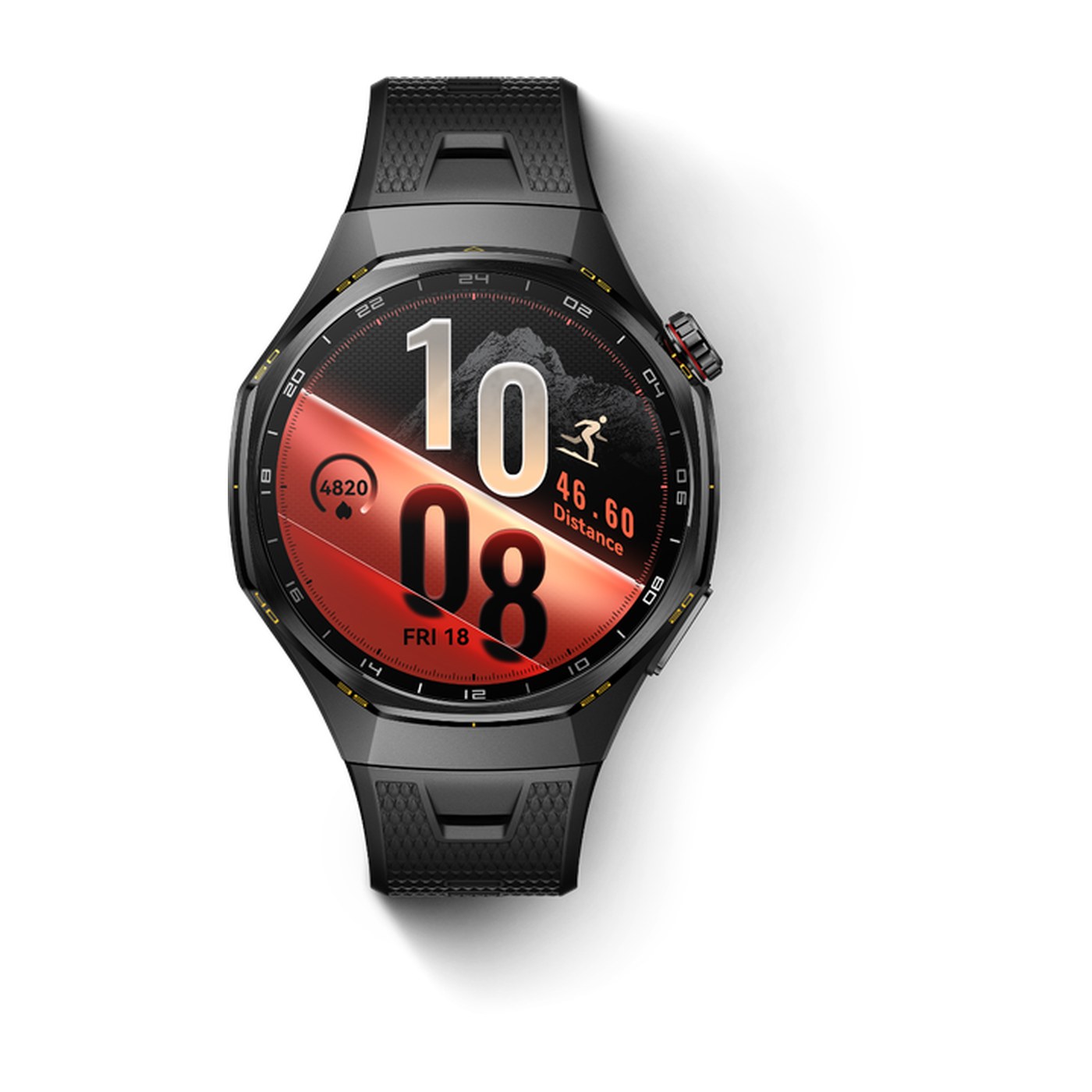
On build quality, all three sources agree: the titanium case, sapphire bezel and EasyCross strap feel premium, with a special mention for the new attachment system that tucks under the wrist instead of sticking out. On the screen, same consensus: the 3,000 nits make running data easy to read in full sun, which Wanarun describes as the most noticeable upgrade over the previous generation.
The disagreement is about GPS, and it is stark. Wanarun only rates the lock speed at the start, which is positive, while explicitly saying that many more runs on tough routes, in forests, between buildings or in the mountains, would be needed to judge the absolute quality of the tracks. Sport-Passion, after three weeks of heavier use, comes down differently: GPS reliability is not yet optimal, with significant positioning errors, though the flaw looks like a software issue rather than a hardware limit. Frandroid, for its part, describes formidable GPS tracking in its summary and gives the product 8/10 overall. At RunMorph, we read this split as a sign of uneven reliability depending on the units or software versions tested, not a simple difference of opinion: a fix via update remains likely, but none of the three sources confirms it as of this review.
On navigation, only Sport-Passion digs into the topic, and it is harsh: Petal Maps cartography lacks detail, with no route-building tool in the HUAWEI Health app, so you have to import a route prepared elsewhere. None of the three sources mentions any optical heart rate problem, unlike other entry-level watches RunMorph has already reviewed.
Major flaw #1: GPS reliability over a full session is not proven yet
For a runner, the most critical point is not how fast the signal locks, which Wanarun praises, but how accurate the track is during the effort. Sport-Passion, after three weeks of testing and dozens of runs, reports significant positioning errors. For a timed goal on the road or in a race, a poorly controlled track error directly skews your pace and distance data. Until a corrective update is confirmed by a second independent test, RunMorph advises against using this watch as your main GPS tracking tool on race day.
Major flaw #2: a 50-euro price hike for new features that are mostly software and out of season
At 429.99 euros versus 379.99 euros for the GT 6 Pro a year earlier, the Watch GT 7 Pro costs 13% more. The hardware changes stop at the nanoceramic bezel and the EasyCross strap. Everything else, skiing, indoor snowboarding, the cycling gradient manager, is software, aimed at activities most French runners only do part of the year, if ever. Five days after launch, the watch was already listed 70 euros cheaper at a French retailer, a clear sign the launch price had room to fall.