Most French runners have never heard of it, yet this brand sponsors Jim Walmsley and Katie Schide, two of the most decorated names in world trail running. Neversecond lands in France with an unusually formatted gel and a clear promise: science first, marketing second.
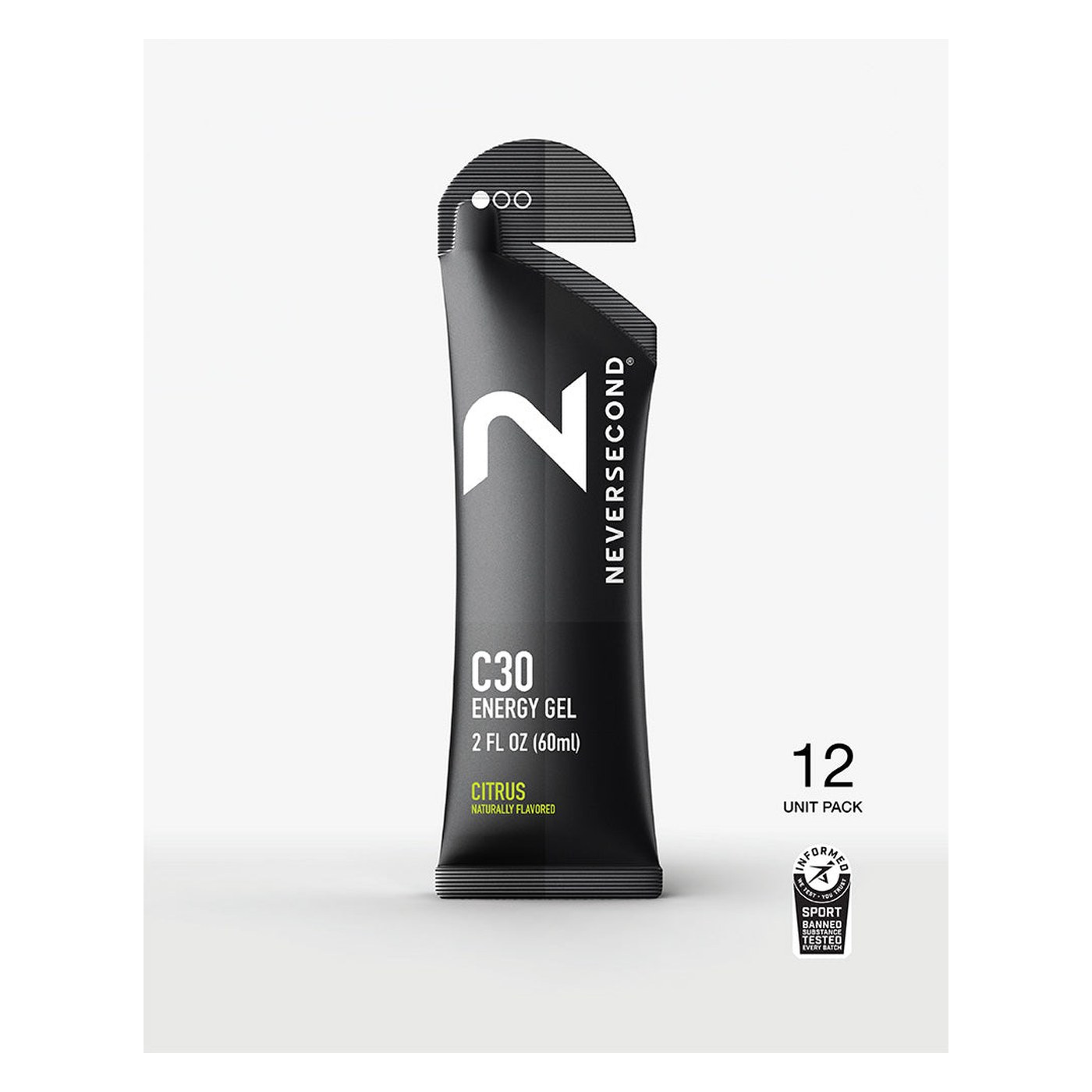
© Neversecond, official photo used for editorial purposes
Neversecond, the brand the pros knew before French runners did
Founded by Bill Armstrong, a former distance runner turned entrepreneur, Neversecond built its range with Asker Jeukendrup, a sports nutrition researcher whose work on carbohydrate absorption during exercise has been the benchmark for twenty years. The brand openly puts research ahead of marketing, and its very name sums it up: science comes before everything else.
On the results front, the argument lands. Katie Schide has tied the brand to her wins at Western States 100 and UTMB, Jim Walmsley has used it since his Ultra-Trail Australia record, and the EF Education and Bahrain Victorious cycling teams build its products into their race plans. That sporting success is in sharp contrast with the brand's low commercial profile in France, where it trickles out through a handful of specialist endurance nutrition retailers rather than mainstream sports chains.
C-Series technology: a modular system, not a standalone product
The C30 is just one building block of a bigger system. Neversecond designs its range around a simple principle: every product (gel, drink or bar) delivers a multiple of 30 g of carbs, so you can plan your fueling by stacking blocks instead of juggling mismatched doses from one brand to the next. The C90 drink, more concentrated at 90 g of carbs per sachet and designed for pre-race carb loading, complements the C30 without any overlap.
The 2:1 maltodextrin to fructose ratio is the scientific backbone of the whole range. This ratio, widely documented in endurance nutrition research, uses two different intestinal absorption pathways in parallel, which limits how much carbohydrate sits in your stomach and cuts the risk of gut distress at high intensity. It is exactly the reasoning already used by Maurten with its hydrogel and SiS with its Beta Fuel, but Neversecond bets on a runnier texture than both rivals, almost as liquid as an isotonic drink.
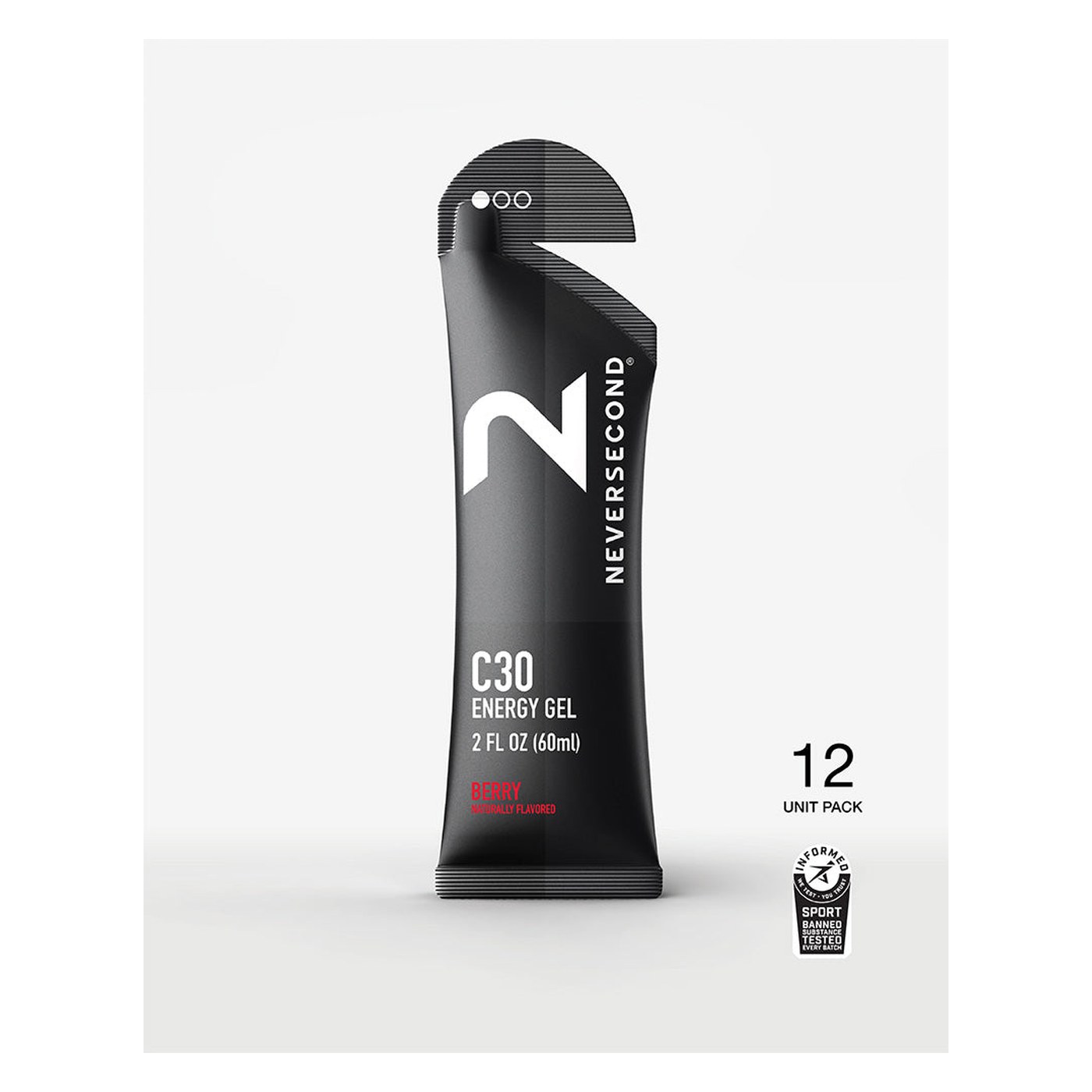
© Neversecond, official photo used for editorial purposes
RunMorph tip: if you run for more than 90 minutes, pair the C30 with a carb-free drink rather than another sugary gel. Its sodium dose (200 mg) is modest next to the 300 to 500 mg claimed by products built for the heat like the SiS Beta Fuel, so plan on extra electrolytes for hot or long outings.
Field test: what independent testers report
Neversecond is still too new on the French market to have racked up the usual hands-on reviews from specialist sites. Our research found a real-world test published by a French endurance nutrition retailer (Top Tri), which used the full range for several weeks across runs of varying intensity, backed up by a testing campaign involving more than fifteen American amateur runners who received trial packs and posted their individual feedback.
On digestion, both sources agree completely: the French tester describes a C90 drink that mixes easily and never turns sickly, even at a double dose in one bottle, and the fifteen American testers unanimously report steady energy, with no crash and no spike. Several of them specifically point out that there is no sticky residue in the mouth, unlike thicker gels on the market.
On taste, opinions split. The French tester finds the Lemon and Mixed Berry flavors light and not too sweet, fine for daily use. The American testers, on the other hand, describe fairly bold flavors, with a clearly noticeable salt hit that fans of sweet and salty contrast see as a strength, but that runners sensitive to strong flavors find too intense. This gap probably comes down to personal taste rather than batch differences.
The weak spot is the packaging. Several American testers report real trouble tearing the pouch open, especially with sweaty hands mid-run, including one case where the gel stayed stuck inside during a training run. The French tester does not mention the problem, which points to a batch-dependent defect rather than a built-in design flaw, but the complaint comes up often enough that you should test it yourself before any race that matters.
Neversecond C30 vs Maurten Gel 160: head to head
| Neversecond C30 | Maurten Gel 160 |
|---|
| Carbohydrates | 30 g | 40 g |
| Texture | Runny, almost liquid | Thick hydrogel |
| Sodium | 200 mg | Not disclosed (low) |
| Price per gel | 3.50 euros | About 3 euros |
| Positioning | Everyday use, short to medium runs | Marathon and long races |
Both products share the same hydrogel/isotonic logic to lighten the load on your gut, but they target different uses. The Maurten packs more carbs into a denser format, designed to cut the number of feeds over a marathon. The Neversecond, with its 30 g and runnier texture, is closer to an everyday training or short race gel, where easy digestion matters more than maximum energy density.
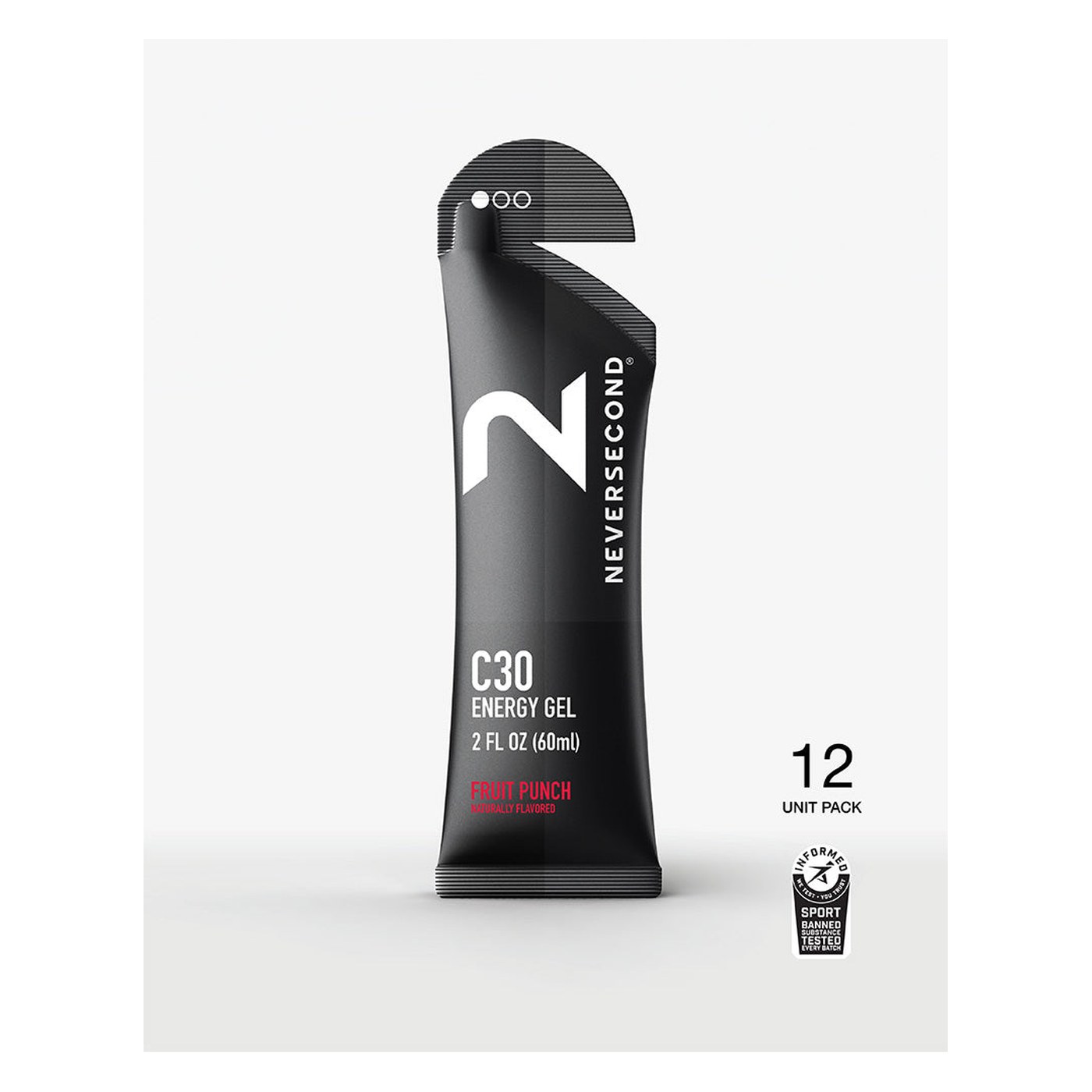
© Neversecond, official photo used for editorial purposes
Our field verdict: who is it for?
The Neversecond C30 is aimed first at runners who have already had gut trouble with more traditional gels and want a formula built with the stomach as the top priority. On a long run or during a half marathon build, pairing it with a carb-free sports drink lets you fine-tune your intake without piling up different sugar sources.
The right RunMorph plan: for a half marathon or marathon build where race fueling matters as much as mileage, check out the
RunMorph training plans and practice your carb intake on the long runs in the program instead of trying a new product on race day.
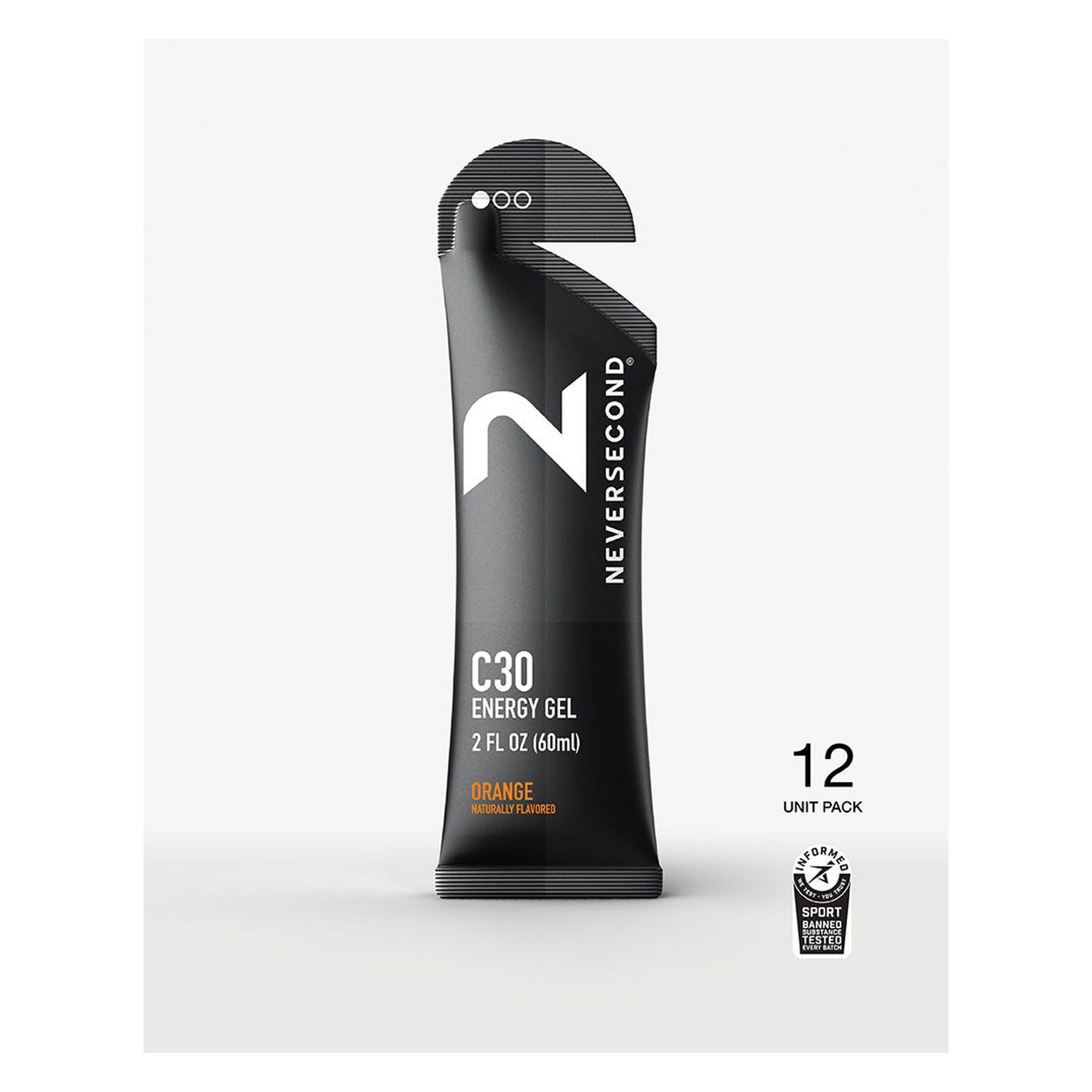
© Neversecond, official photo used for editorial purposes
RunMorph Coach verdict
The Neversecond C30 Energy Gel delivers on its main promise: flawless digestion, confirmed by French and American sources that never compared notes. It is an honest gel, built on a credible scientific foundation rather than a marketing pitch. But at 3.50 euros a gel, and with packaging that tripped up several testers mid-effort, it is not an obvious pick against cheaper French rivals that are already well established.
7.3/10: a very good product for your gut, held back by its price and a design detail that should never have made it past testing.