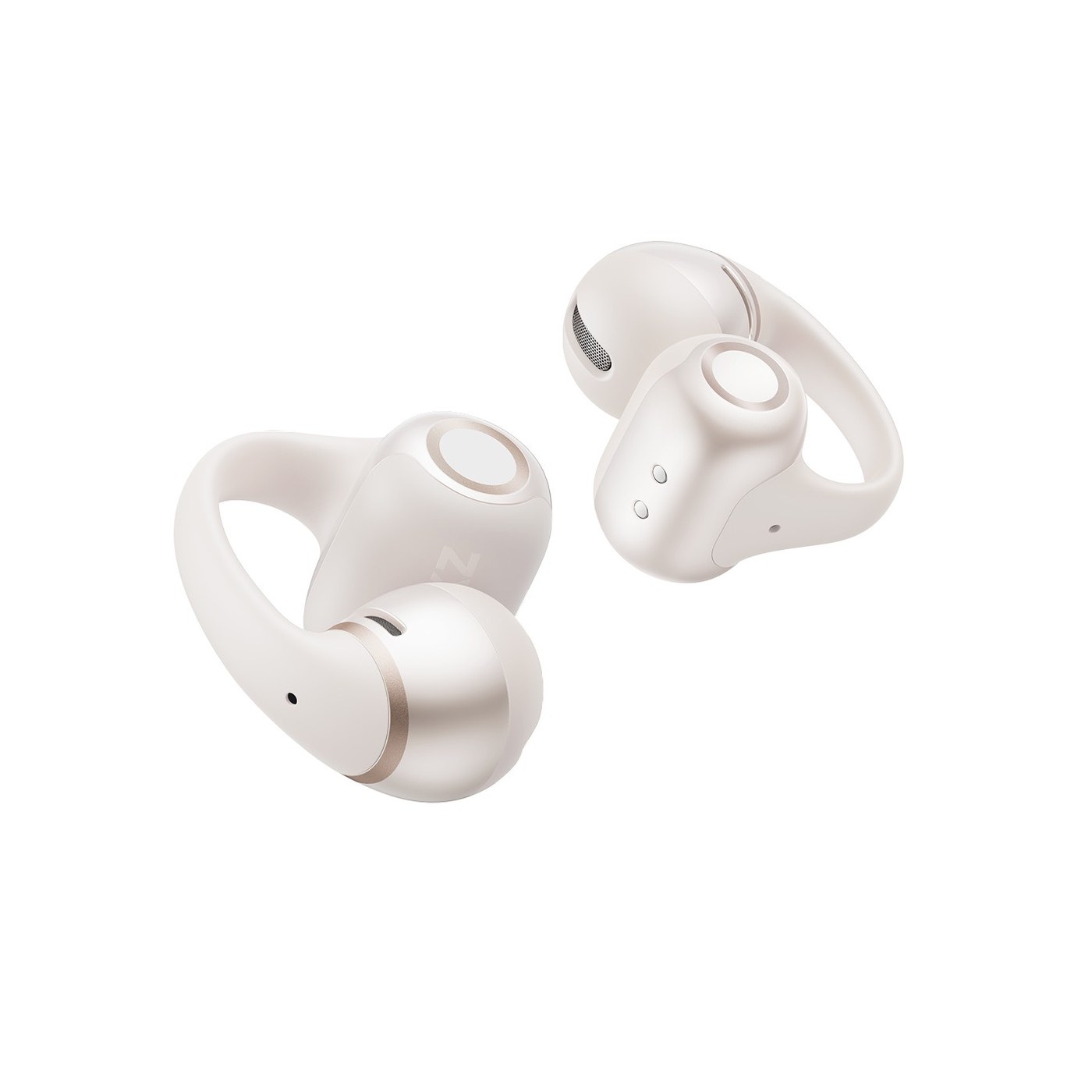
One year after the OpenDots One, Shokz launches the OpenDots 2 on September 29, 2026, on fr.shokz.com and at i-run.com. At RunMorph, we know the open-ear clip format well from our review of the first model, and this new version answers the criticism leveled at its predecessor head-on, especially on volume and water resistance. The price goes up accordingly.
© Shokz, official photo used for editorial purposes
Shokz OpenDots 2, an open-ear clip aimed at the premium tier
At RunMorph, we file the OpenDots 2 under open-ear clip earbuds, a format Shokz did a lot to popularize after its bone conduction headphones. The principle is the same as on the OpenDots One: an acoustic module sits against the ear without blocking the ear canal, connected to a flexible band that gently clips onto the lobe. Two years after opening up this segment, Shokz refines the formula with a new generation of drivers, better water resistance and Bluetooth 6.1. At 199 euros, the product sits at the top of the open-ear range, above the Bose Ultra Open Earbuds and well ahead of the Nothing Ear (open).
RunMorph tip: if you already own the Shokz OpenDots One and you're happy with the sound, you don't need to upgrade. But if you were torn between the first model and the Bose Ultra Open Earbuds because of the weak volume or the limited water resistance, the OpenDots 2 fix both complaints.
Who are the Shokz OpenDots 2 for?
Runners who want their ears free for safety in the city
On the road or in town, hearing a car coming or a cyclist passing you makes all the difference for safety. The open-ear design of the OpenDots 2 leaves the ear canal completely clear, unlike in-ear earbuds that plug your ears. You keep your music or your audio coach and stay fully aware of the sounds around you.
Athletes who switch between trail and bike
The nickel-titanium alloy band of the OpenDots 2 handles repeated flexing without losing its shape, a critical point for multisport use. The clip stays put on a technical trail as well as on a road bike, and the IP57 rating covers sweat, rain and splashes, though it doesn't make prolonged submersion safe.
Anyone let down by the fit of regular in-ear earbuds
At RunMorph, we regularly hear from runners who lose their in-ear earbuds in the middle of an interval session. The clip design solves that problem: the earbud never sits in the ear canal, so sweat or movement can't push it out.
© Shokz, official photo used for editorial purposes
Everyday sound
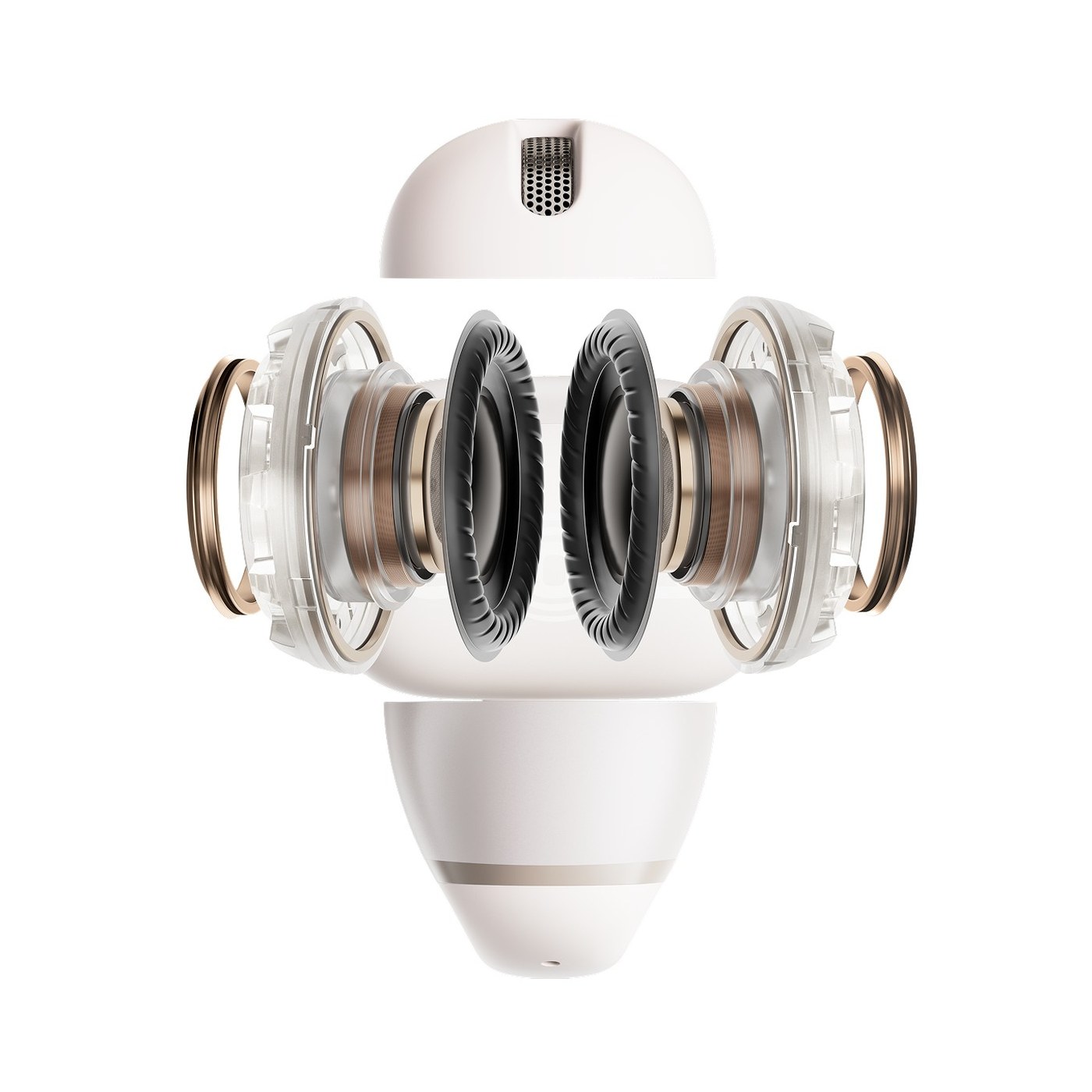
The most common complaint about the OpenDots One was volume and a lack of bass, a built-in limit of earbuds that don't seal the ear canal. Shokz responds with Bassphere 2.0 technology, rated at 70% less distortion than the previous generation, paired with a reworked Dolby Audio profile for fuller bass. A MirrorPitch module rounds out the package by aiming the sound more precisely at the ear, which cuts down on sound leaking outward.
Early feedback confirms real progress. One French review describes a decent tonal balance with honest bass extension for this format, while noting that reproduction stays limited below 70 Hz, a physical constraint of the open-ear principle rather than a flaw specific to this product. Another French review agrees, describing present, clean bass thanks to Bassphere 2.0 and a powerful sound despite the lack of an acoustic seal. What stands out for us at RunMorph is that the gap with the Bose Ultra Open Earbuds narrows considerably here, whereas the OpenDots One trailed the Bose model clearly on power.
Call quality also improves with a third bone conduction microphone, added to the two air conduction microphones already found on the OpenDots One. One review does temper this point, reporting average voice quality in noisy environments, with a sometimes hollow sound. Outdoors in the wind, keep your expectations realistic here.
Fit and comfort on the run
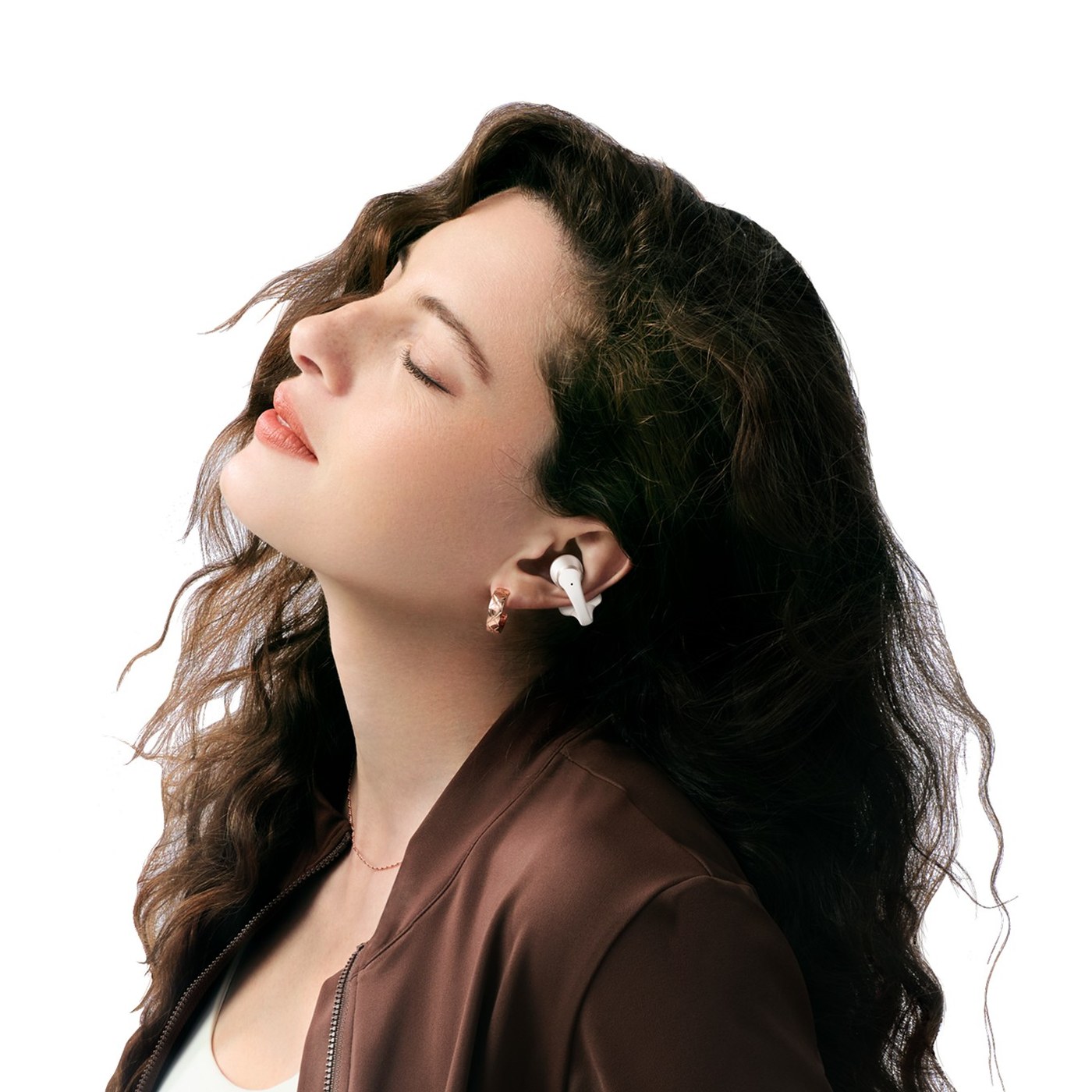
Secure fit remains the core selling point of the OpenDots line, and this second generation sticks with the recipe that made the first model a success. The JointArc nickel-titanium band adapts to the shape of your ear and applies light but steady pressure, with no pressure points even after several hours of wear. At 6.4 grams per earbud, the weight is the same as the OpenDots One, proof that Shokz didn't trade away comfort to fit in the new acoustic components.
One French review describes a three-part design, an acoustic sphere, a rear module and the flexible band, which spreads pressure on the ear better than single-arm models. Each earbud works in either the left or the right ear, a practical detail for long daily use. Touch controls and head gestures let you manage music and calls without pulling out your phone, a real plus on a long run where every interruption breaks your rhythm.
© Shokz, official photo used for editorial purposes
Battery life and water resistance
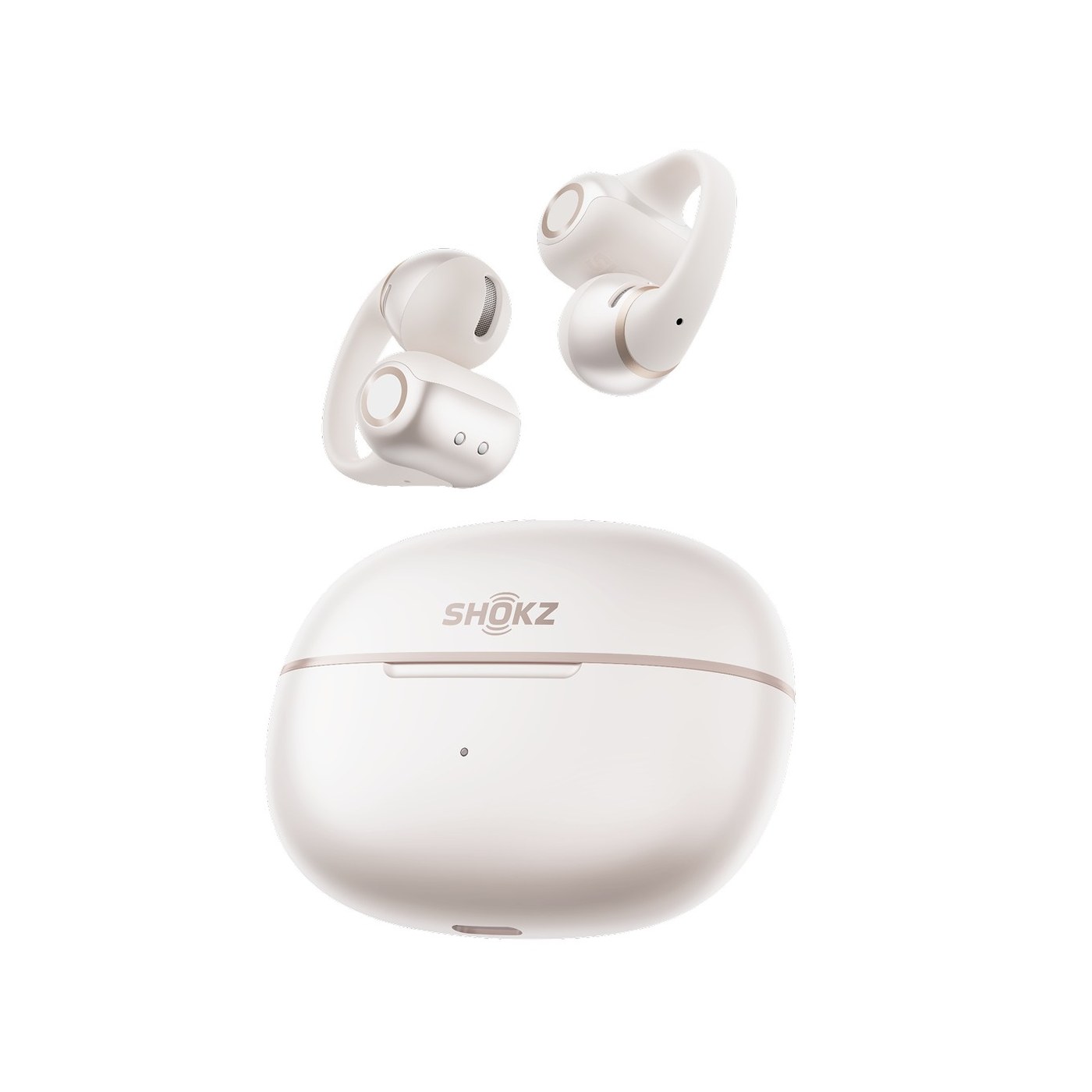
On battery life, Shokz claims 10 hours of listening per charge for the earbuds alone, and up to 40 hours in total with the case. For calls, battery life naturally drops to 6.5 hours for the earbuds alone and 25 hours with the case. Fast charging gets you 2 hours of listening after just 5 minutes in the case, a clear step up from the 10 minutes the OpenDots One needed for the same result. One French review confirms figures that beat the manufacturer's claim, measuring 9 to 10 hours per earbud.
On water resistance, the OpenDots 2 earbuds move up to an IP57 rating, versus IP54 on the OpenDots One. In practice, that means resistance to sweat, driving rain and splashes, plus tolerance for brief accidental submersion. The charging case stays at IP54, so it's protected against splashes but can't be submerged. At RunMorph, we see this as the most tangible upgrade of the OpenDots 2 for outdoor sports, though it doesn't turn them into swimming gear.
ProsOutstanding secure fit carried over from the OpenDots One. Louder, bass-richer sound thanks to Bassphere 2.0. IP57 water resistance, a clear improvement. 40 hours of total battery life with the case. Effective fast charging, 5 minutes for 2 hours of listening.
ConsPrice of 199 euros, up from the previous model. Call quality still average in noisy environments. Bass limited below 70 Hz, a constraint of the open-ear format. Case limited to IP54, so less protected than the earbuds.
Shokz OpenDots 2 vs Shokz OpenDots One, head to head
| Spec | OpenDots One | OpenDots 2 |
|---|
| Weight per earbud | About 6.4 g | 6.4 g |
| Earbud battery life | About 10 hours | 10 hours |
| Total battery life with case | About 28 hours | 40 hours |
| Water resistance | IP54 | IP57 (earbuds), IP54 (case) |
| Bluetooth | 5.4 | 6.1 |
| Fast charging | 10 minutes for 2 hours | 5 minutes for 2 hours |
| Launch price | About 179 euros | 199 euros |
The most tangible improvement between the two generations is total battery life with the case, up by about 12 hours, along with earbud water resistance, which goes from IP54 to IP57. Sound also gains power thanks to Bassphere 2.0, the very point OpenDots One owners flagged as the main limitation of the first model.
How it stacks up against the competition
Against the Bose Ultra Open Earbuds, the OpenDots 2 rely on a clip rather than a rigid ear hook, a choice that works better for runners who also wear a cap or sunglasses. Pricing is similar for both models, around 199 euros. Against the Nothing Ear (open), which sit in a much lower price bracket, the OpenDots 2 justify the price gap with better water resistance and a more stable fit on the run, at the cost of a less eye-catching design. Finally, against the OpenDots One, the choice mostly comes down to weighing a 20-euro difference against real gains in battery life and water resistance.
How to fit it into your RunMorph training plan
During the interval sessions of our 10 km training plan, the open-ear clip lets you keep an eye, and above all an ear, on outside audio cues while you change pace, and you never lose an earbud mid-surge. For Sunday long runs, the 40 hours of battery life with the case easily cover a full week of training without daily recharging.
© Shokz, official photo used for editorial purposes
RunMorph Coach's verdict
The Shokz OpenDots 2 fix the two real weaknesses of the OpenDots One: weak volume and water resistance that was barely sufficient. The secure fit, already excellent on the first model, is unchanged. At 199 euros, this product sits alongside the best open-ear options on the market, which matches its level of finish. At RunMorph, we give it a score of 8.0 out of 10, with one honest caveat: the product has only just launched, on September 29, 2026, and this score is based on Shokz's official data and on the first two French reviews available so far.