201 g on a lab scale, a Boost+ midsole and a €100 list price, already cut to around €60 at several retailers. On paper, the Zenboost looks like a bargain. It is, on one condition: keep it under 15 km. Beyond that, two lab tests tell a different story.
© Adidas, official photo used for editorial purposes
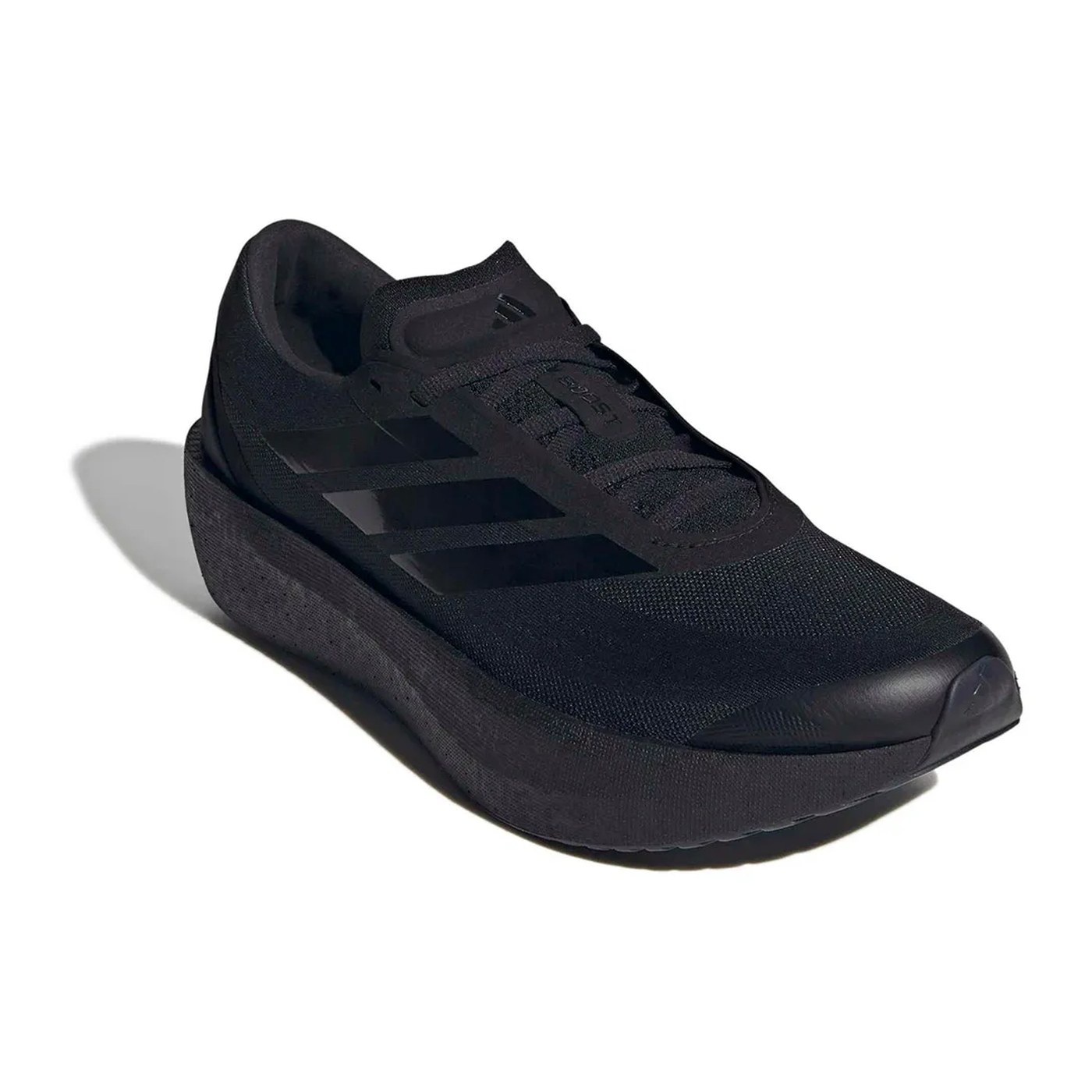
Adidas Zenboost: Boost is back, in a lighter version
Adidas spent ten years selling Boost, then shelved it in favour of Lightstrike. With the Zenboost, released in June 2026, the brand brings its signature foam back in a new form, Boost+, inside a shoe with a claimed weight of 210 g. The list price is €100. That's €50 less than the Adizero Evo SL, its big sister at €150.
The bet is simple: deliver at a low price the bounce the brand used to keep for far pricier models. One lab ranks it in the top 17% of road shoes it has measured, with a score of 88/100. A second lab is harsher over long distances. Both are right, and that's the whole point of this review.
RunMorph's advice: if your budget tops out at €100 and you mostly run 5 to 10 km, the Zenboost is the best buy right now. If you're training for a half or a full marathon, spend €50 more on the Adizero Evo SL or look at the New Balance Rebel v5.
© Adidas, official photo used for editorial purposes
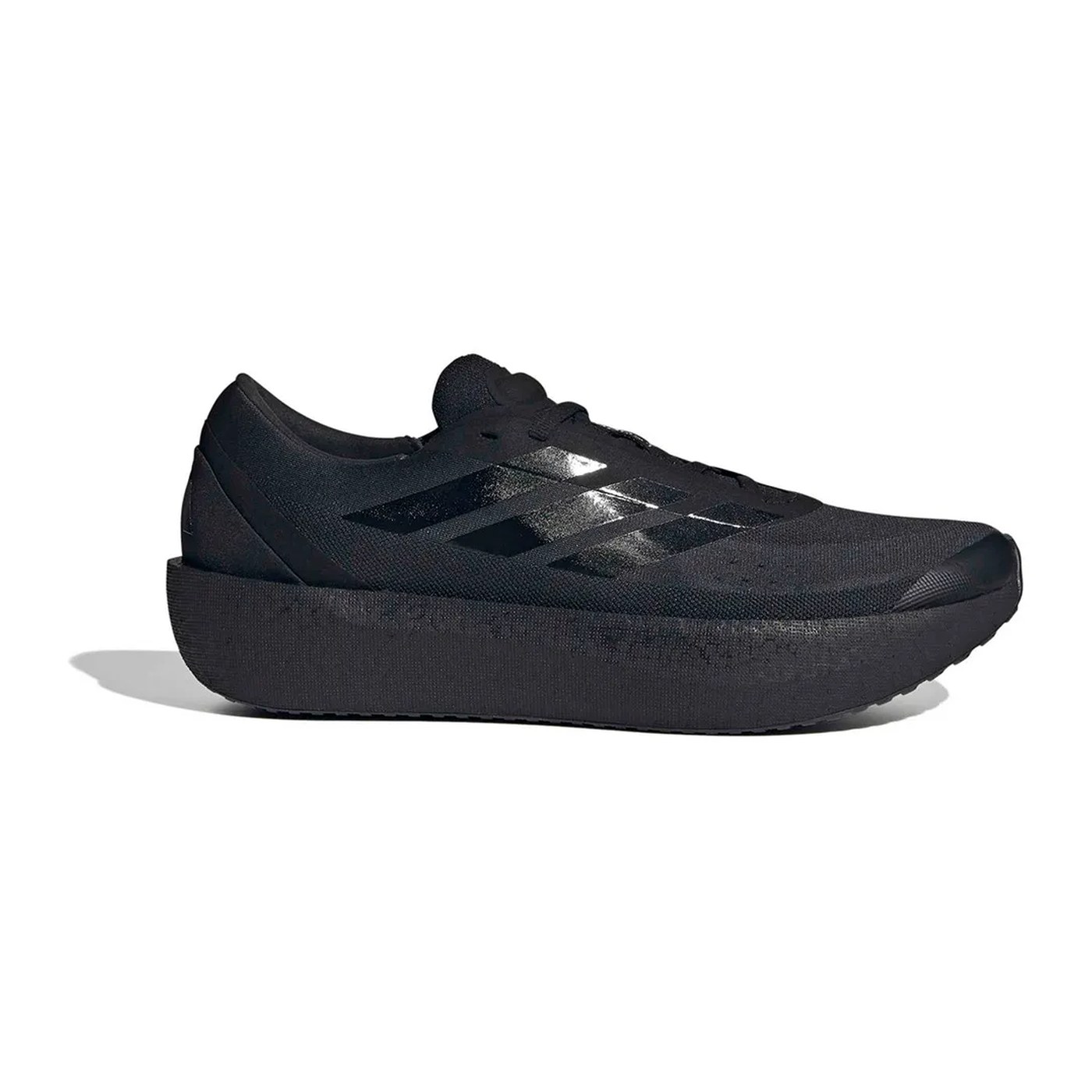
Zenboost: what the brand claims vs what was measured
Two labs put the Zenboost on their test benches. They don't measure at the same point on the sole, and it shows.
| Data | Adidas claim | Lab #1 | Lab #2 |
|---|
| Weight | 210 g | 201 g | 209 g |
| Drop | 6 mm | 9,1 mm | 5,8 mm |
| Heel stack | 31 mm | 31,7 mm | 33,1 mm |
| Forefoot stack | 25 mm | 22,6 mm | 27,3 mm |
The weight matches the claim. The drop doesn't. The first lab finds 9,1 mm, 3 mm more than promised, because the forefoot is thinner than advertised (22,6 mm vs 25). The second finds 5,8 mm. The gap most likely comes from where they measure: the first takes its forefoot reading closer to the toes, where the Boost+ gets thinner.
Put simply, under the balls of your feet you get less foam than Adidas says. If you land on your forefoot, the Zenboost will feel firmer and lower than its spec sheet. If you land on your heel, you won't notice a thing.
Boost+ technology: what does it change underfoot?
The original Boost was heavy and a bit mushy. Boost+ keeps the TPU base in a lighter version. The first lab's figures show the result: 70% energy return at the forefoot, against a 61,5% average, and 68% at the heel. The second lab records 79% at the forefoot and 81,8% at the heel, ahead of the Evo SL by its own measurements.
The foam is neither soft nor hard: 33,8 on the AC scale, against a 35,5 average. It gets 9% firmer in the freezer. For a run at 0 °C, that's not much. No plate, no carbon rods. Flexing it takes 13,6 N, against a 15,6 N average: your foot does some work, which ground-feel fans will like.
When it comes to shock absorption, the heel does well (138 SA, against a 131 average). The forefoot sits a notch below average, at 103 SA. Remember that number, it explains almost everything that follows.
Fit: wide up front, narrow at the back, low ceiling
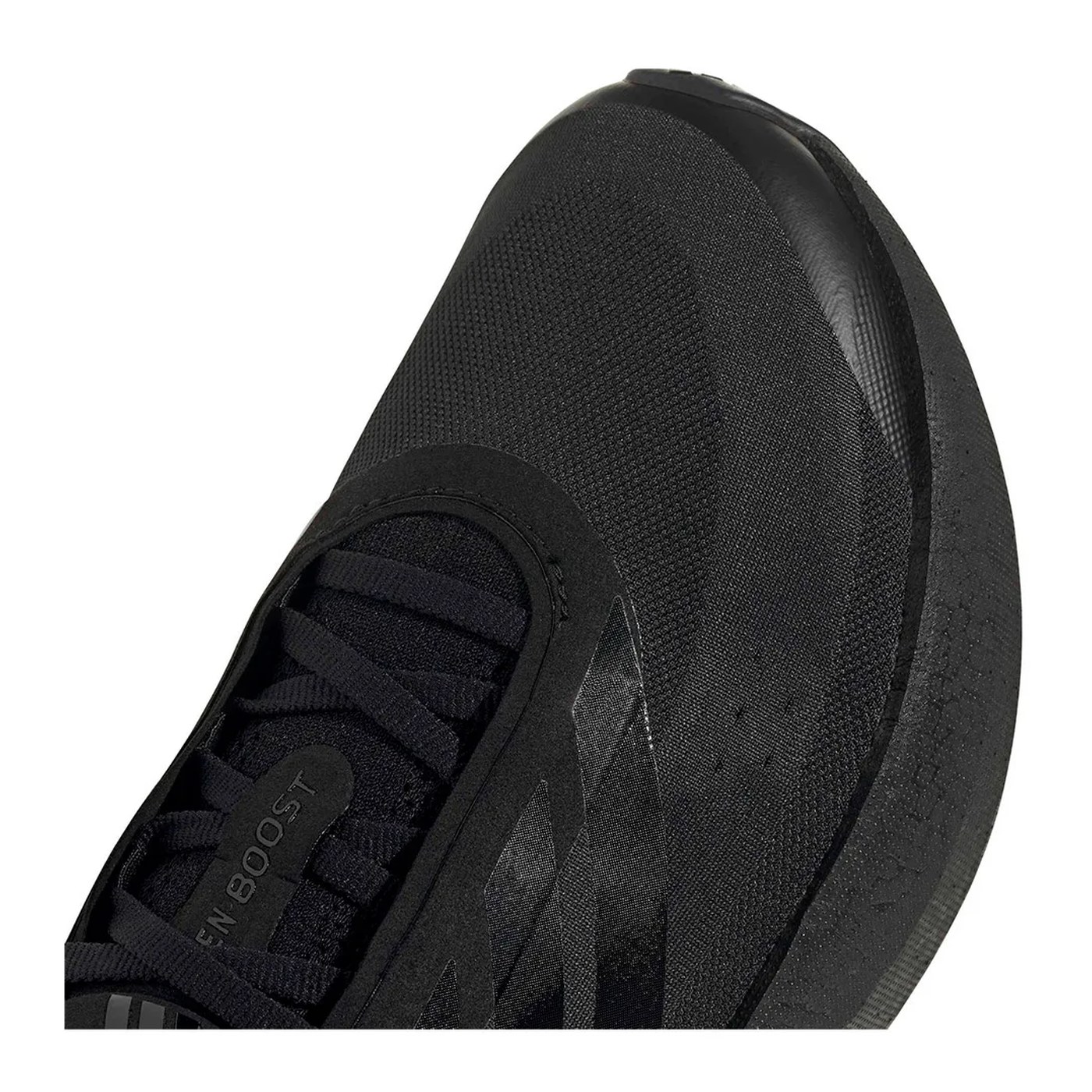
At the big toe, the toe box measures 74,1 mm, against a 73,2 mm average. At its widest point, 97,6 mm against 95,2. For an Adidas, that's almost generous.
The ceiling, though, is low. 25,5 mm of height at the toes, against a 27,0 mm average. The second lab agrees: it measures 6,7 mm less vertical room than it expects for the size tested. If your toes point upwards or your big toenail is fragile, try it on before you buy.
The tongue is 4,9 mm thick, against a 5,8 mm average. The gusset keeps it in place. Length is spot on: the second lab gives it 9,4/10 for true-to-size fit. Go with your usual size. A Spanish comparison site suggests half a size up for wide feet or a high instep, which matches the height issue.
© Adidas, official photo used for editorial purposes
The field test: what the measurements and testers say
RunMorph has not run in the Zenboost. This review combines two full lab protocols and a desk analysis published in August 2026. To date, there is no detailed French field test of this model, and no tester has published a wear mileage.
The first lab is enthusiastic. It calls it the most impressive $100 shoe it has measured, able to handle every pace and at home in tempo work, where it scores 89/100. It also rates it as a good fit for beginners.
The second lab is cooler. It gives it 7,5/10 for daily training and for 5K or 10K. For the half and full marathon, that drops to 6,5. Its most telling measurement covers foam fatigue: energy absorbed at the forefoot falls from 5,99 J after the equivalent of 10 km to 5,59 J after 40 km. In its view, the shoe leaves your legs sore on long efforts.
Who's right? Both, on different ground. The first mainly judges liveliness and value for money. The second judges protection as the kilometres pile up. With 22,6 mm under the forefoot and below-average forefoot cushioning, the Zenboost can't do everything. At RunMorph, the reading is simple: a shoe for workouts and short easy runs, not for long runs.
One point gets everyone's agreement. It's stable at the heel despite its narrow width: 7,9/10 for stability from the second lab, which describes a platform you can trust when fatigue sets in.
© Adidas, official photo used for editorial purposes
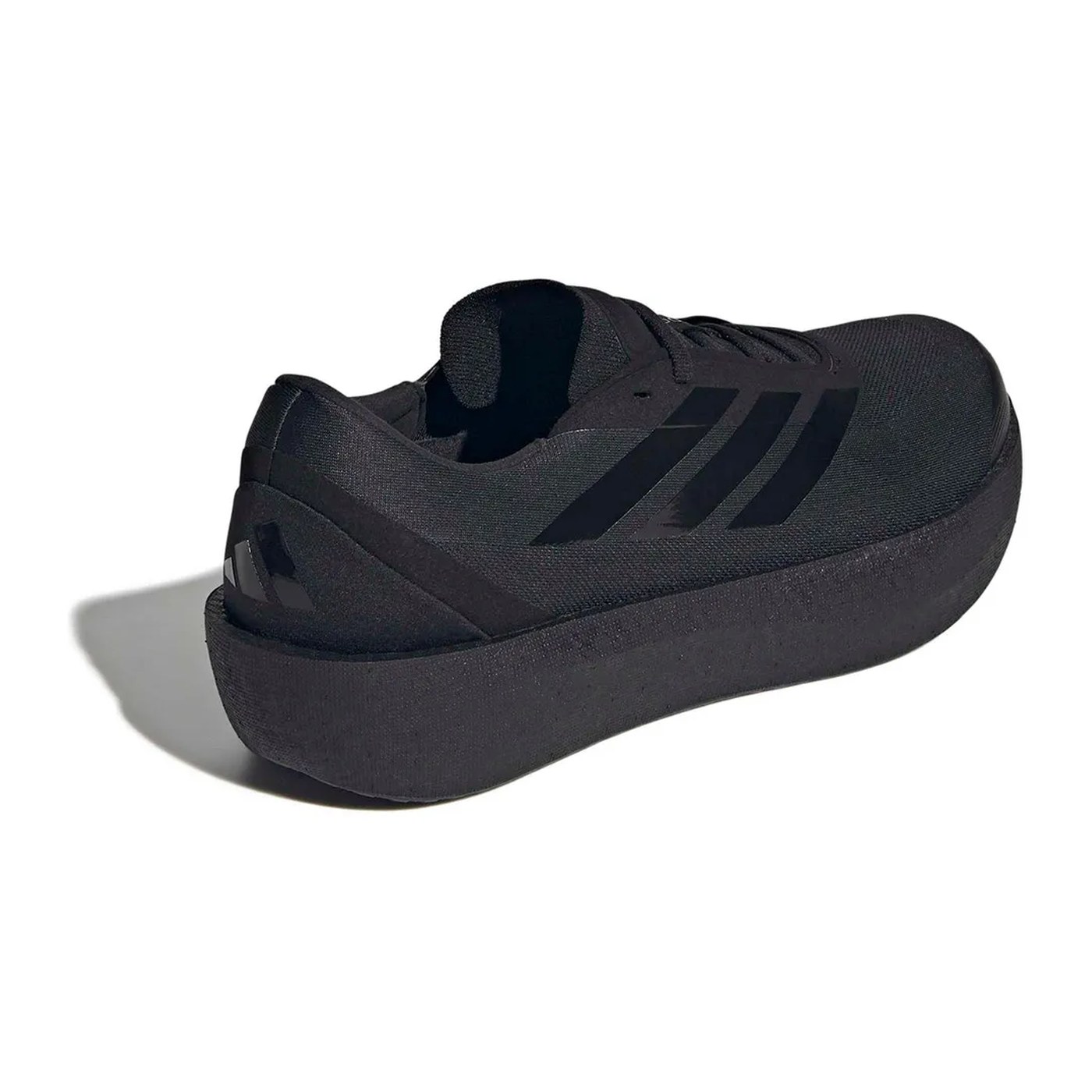
Flaw #1: an 82,4 mm heel, too narrow for heavier builds
The sole is 82,4 mm wide at the heel. The average is 91,1 mm. That's almost 9 mm less. Up front, it's right on average (115,2 mm).
For a 60 kg runner with a neutral stride, this slim heel is no problem: the foam stays stable under a light load. Above 80 kg, or if your ankle rolls inwards late in a run, the base lacks lateral support. Both labs point it out. In that case, go for the Brooks Revel 9, heavier (264 g) but wider and more planted.
Flaw #2: an upper that runs hot and dries slowly
The first lab rates breathability 2 out of 5, against a 3,6 average. The second confirms limited airflow. It also measures 39,4% water absorbed and 30,8 hours to dry completely.
In summer, your feet will run hot. In winter rain, a pair soaked on Tuesday won't be dry for Wednesday's intervals. If you run every day, plan a second pair in rotation. At €60, that's not a crazy idea.
© Adidas, official photo used for editorial purposes
Zenboost vs Adizero Evo SL: the comparison to make the right choice
The Zenboost has no previous version. Its real benchmark is its big sister.
| Adidas Zenboost | Adidas Adizero Evo SL |
|---|
| List price | €100 | €150 |
| Weight | 210 g claimed (201 g measured) | 230 g |
| Claimed drop | 6 mm | 6 mm |
| Foam | Boost+ | Lightstrike Pro |
| Target distance | 5 to 15 km | Up to the half marathon |
If you run under 30 km a week and never go past 15 km, keep the €50 and take the Zenboost. If you're training for a half or your long run goes beyond an hour and a half, the Evo SL earns its extra cost: more foam, more protection.
Zenboost vs Brooks Revel 9 and Nike Quest 7: the budget showdown
| Adidas Zenboost | Brooks Revel 9 | Nike Quest 7 |
|---|
| Measured weight | 201 g | 264 g | 247 g |
| Measured drop (lab #1) | 9,1 mm | 8,6 mm | 8,7 mm |
| Price | €100 | €90 to €100 | Nike entry level |
| Strength | Bounce, low weight | Stability, durability | Versatility |
The simple reading: in the same price bracket, the Zenboost weighs 46 to 63 g less than its rivals. If you want speed, there's no debate. If you want a pair that protects you at every distance and you weigh over 80 kg, the Revel 9 is the safer bet. And if your budget is really tight, the Kiprun Cushion 500 at €69,99 remains a more cushioned option, but far less lively.
Grip and durability: what does a kilometre cost?
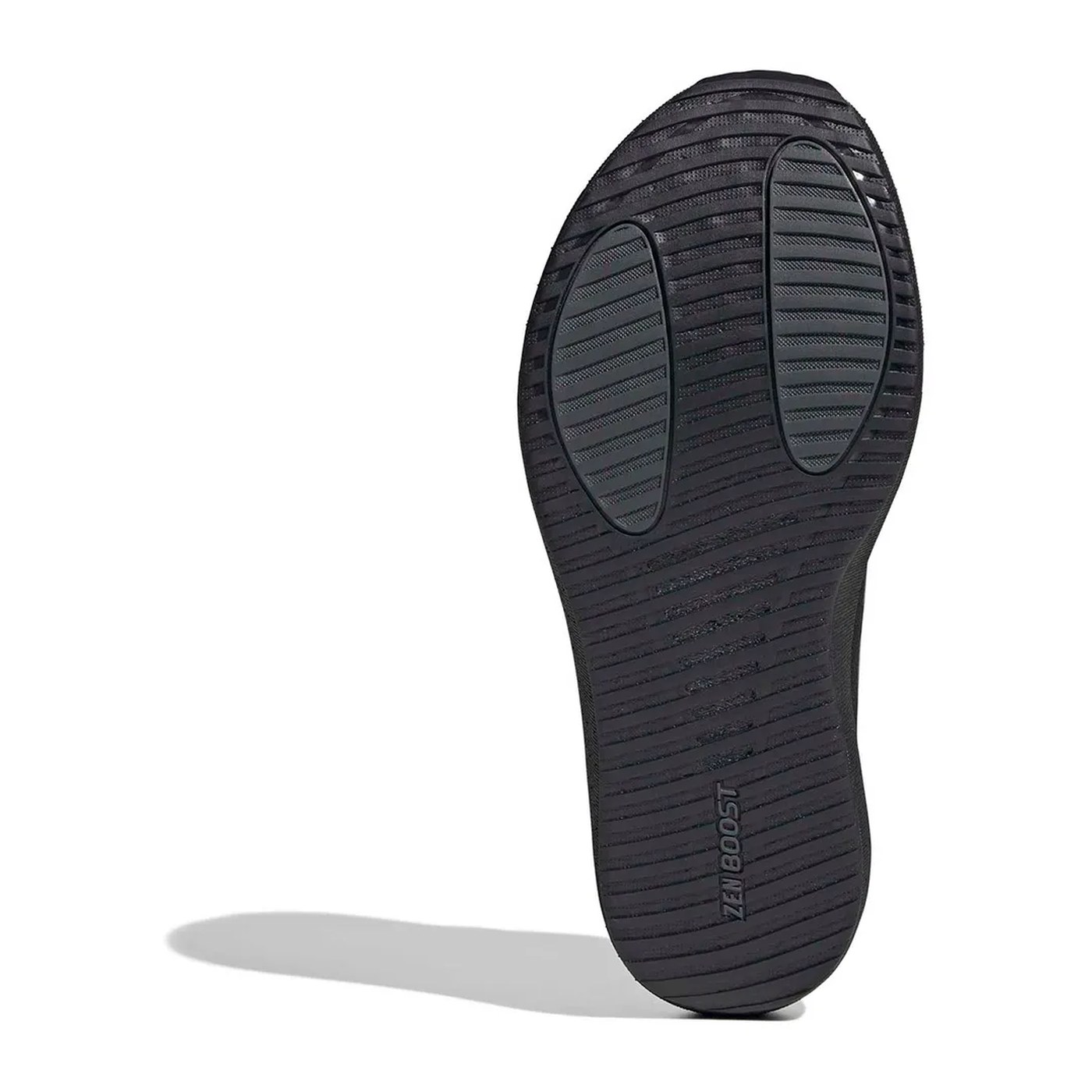
The rubber grips less than average: 0,43 in the friction test, against 0,53. On dry tarmac, you won't feel it. On a wet manhole cover or November leaves, ease off in the corners.
It wears slowly, though. The abrasion test removes only 0,6 mm of rubber, against a 1,1 mm average, from a 2,5 mm thick outsole. The weak spot is elsewhere: the forefoot mesh, rated "bad" for durability by the first lab. If your toes tend to poke through your shoes, that's where the Zenboost will give out.
No tester has published real-world mileage. Starting from a cautious range of 500 to 700 km, a RunMorph estimate based on measured wear, each kilometre costs €0,14 to €0,20 at list price. Bought at €60, it drops to €0,09 to €0,12. The Evo SL, at €150 for the 600 km lifespan given in our review, works out at €0,25 per kilometre.
Our field verdict: who is the Zenboost for?
The new runner who wants to improve fast
Light, lively, cheap and true to size: it's an excellent first proper running shoe. On one condition: don't take it straight out on 20 km runs.
The 5K and 10K runner who wants a single pair
This is its ideal target. Easy runs, intervals, a 10K race: 201 g and 70% energy return are more than enough.
The experienced runner looking for a cheap workout shoe
As a second pair, alongside a more cushioned shoe for long runs, it finds its real purpose. At €60, it's the cheapest threshold shoe on the market.
Prepare your next 10K with the right pair and the right plan. The Zenboost is built for the threshold and interval sessions of a 5K or 10K build. To know which sessions to give it and which to keep for a more cushioned shoe, follow a RunMorph 10K training plan suited to your level.
RunMorph Coach verdict
The Zenboost is the best road bargain of late 2026. 201 g, a foam that bounces like a €150 shoe, an outsole that wears half as fast as average. For €100, and often €60, nobody does better.
But it has limits, and they're precise. A narrow heel that rules out heavier runners. An upper that runs hot. Protection that melts away after 15 km. The overall score weighs responsiveness and value for money first, its true purpose, more than cushioning.
Our score: 8,8/10. Buy it to run fast and short. For the marathon, take the Evo SL.
FAQ: Adidas Zenboost
Is the Zenboost suitable for a marathon?
No. One lab rates it 6,5/10 for the half and full marathon, and the forefoot measures only 22,6 mm. Beyond 15 km, pick a more cushioned shoe.
Which size should you choose?
Your usual size: one lab gives it 9,4/10 for true-to-size fit. Go half a size up if you have a high instep, as the toe box is only 25,5 mm high.
How many kilometres will it last?
No tester has published real-world mileage. Outsole wear (0,6 mm in the abrasion test, against a 1,1 mm average) suggests 500 to 700 km, provided the forefoot mesh holds up.
What's the difference with the Adizero Evo SL?
The Evo SL costs €50 more (€150), weighs 230 g and uses Lightstrike Pro. It goes up to the half marathon, where the Zenboost stops at around 15 km.