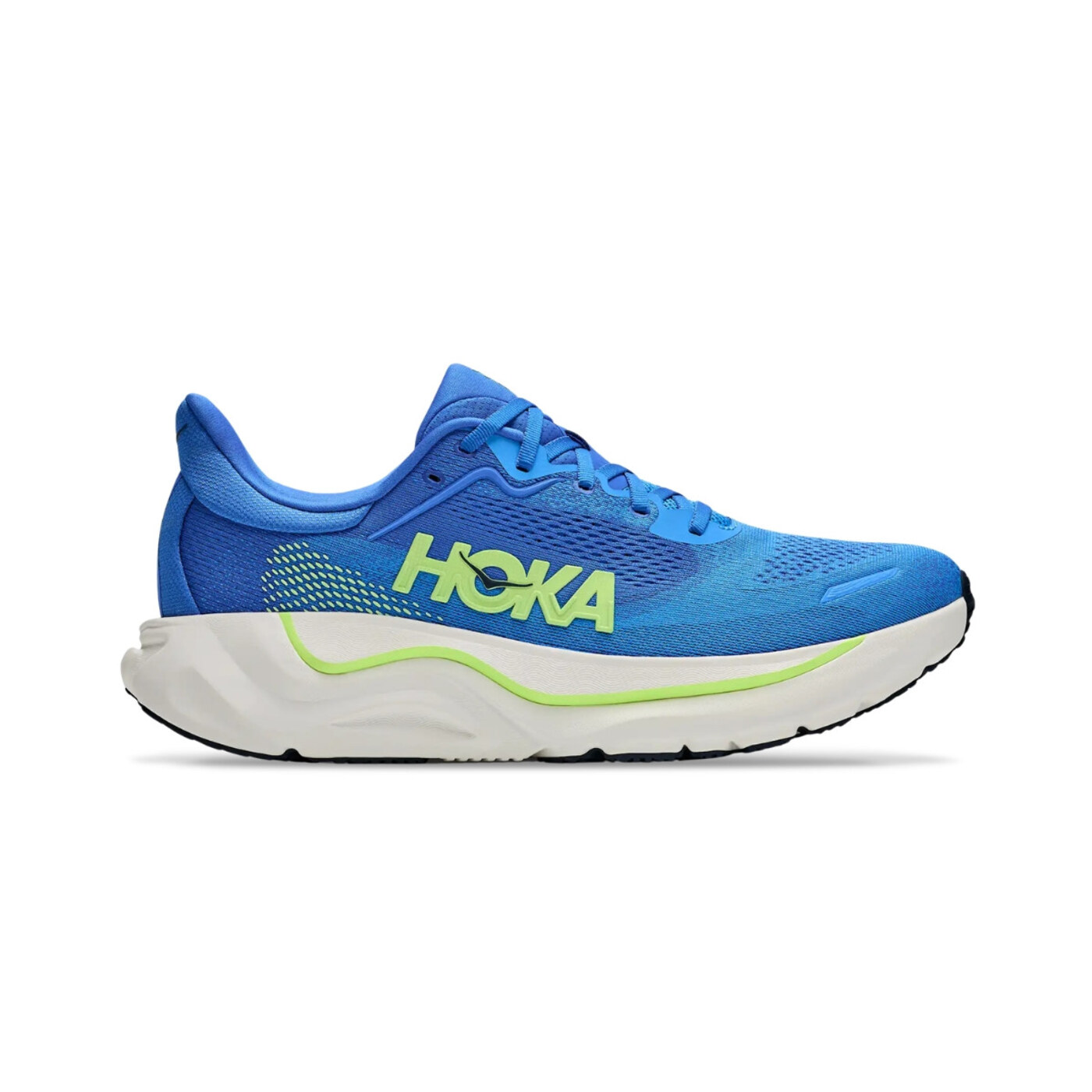
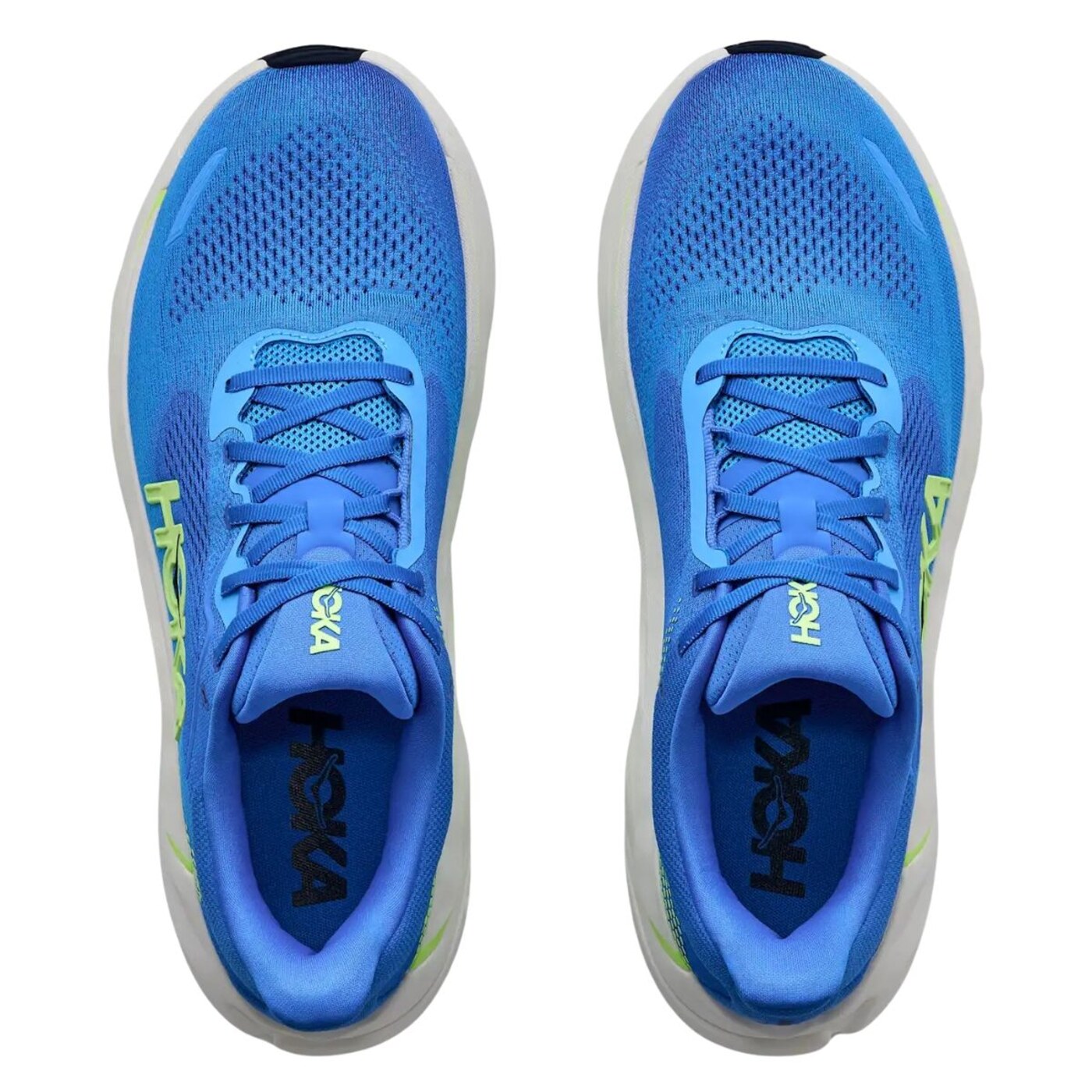
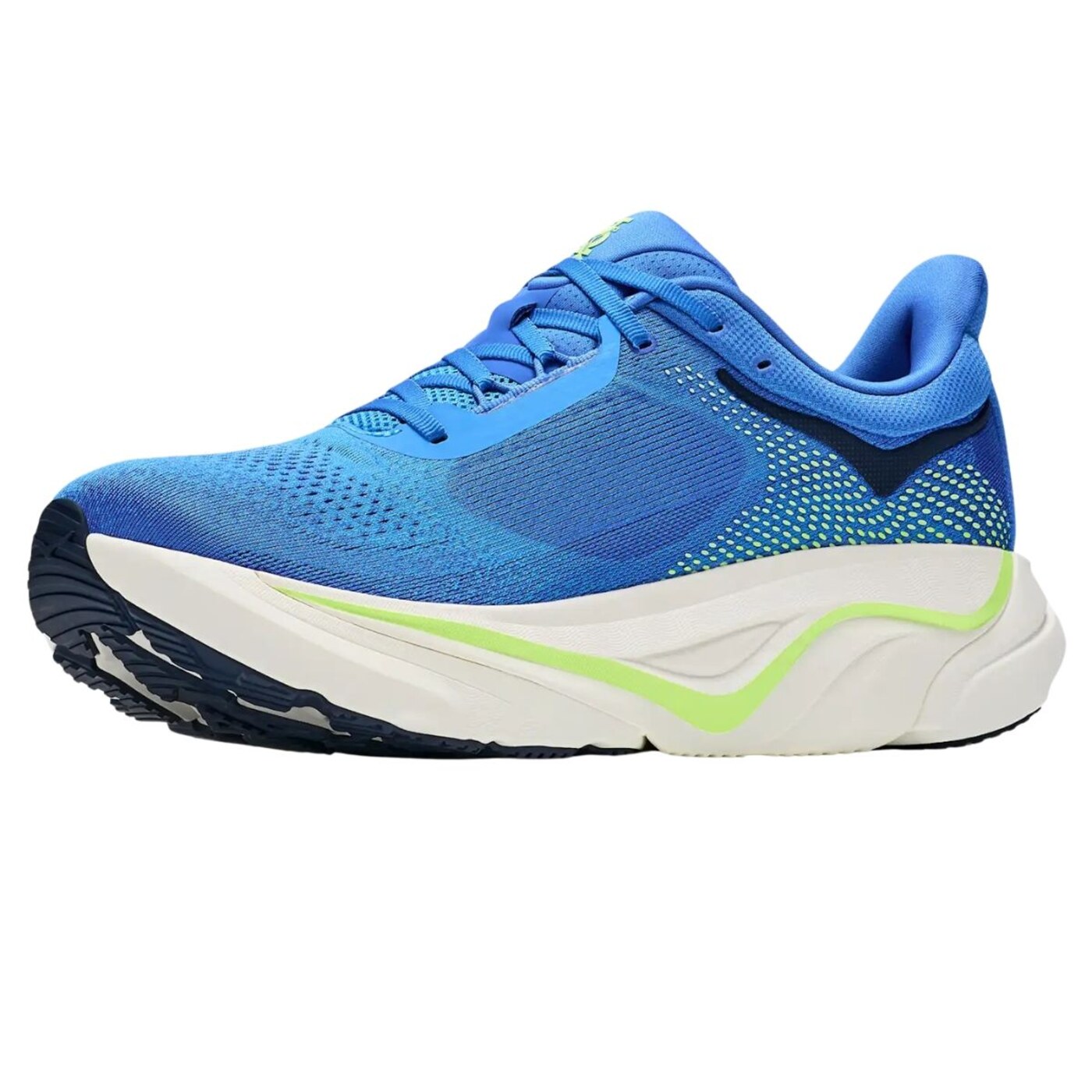
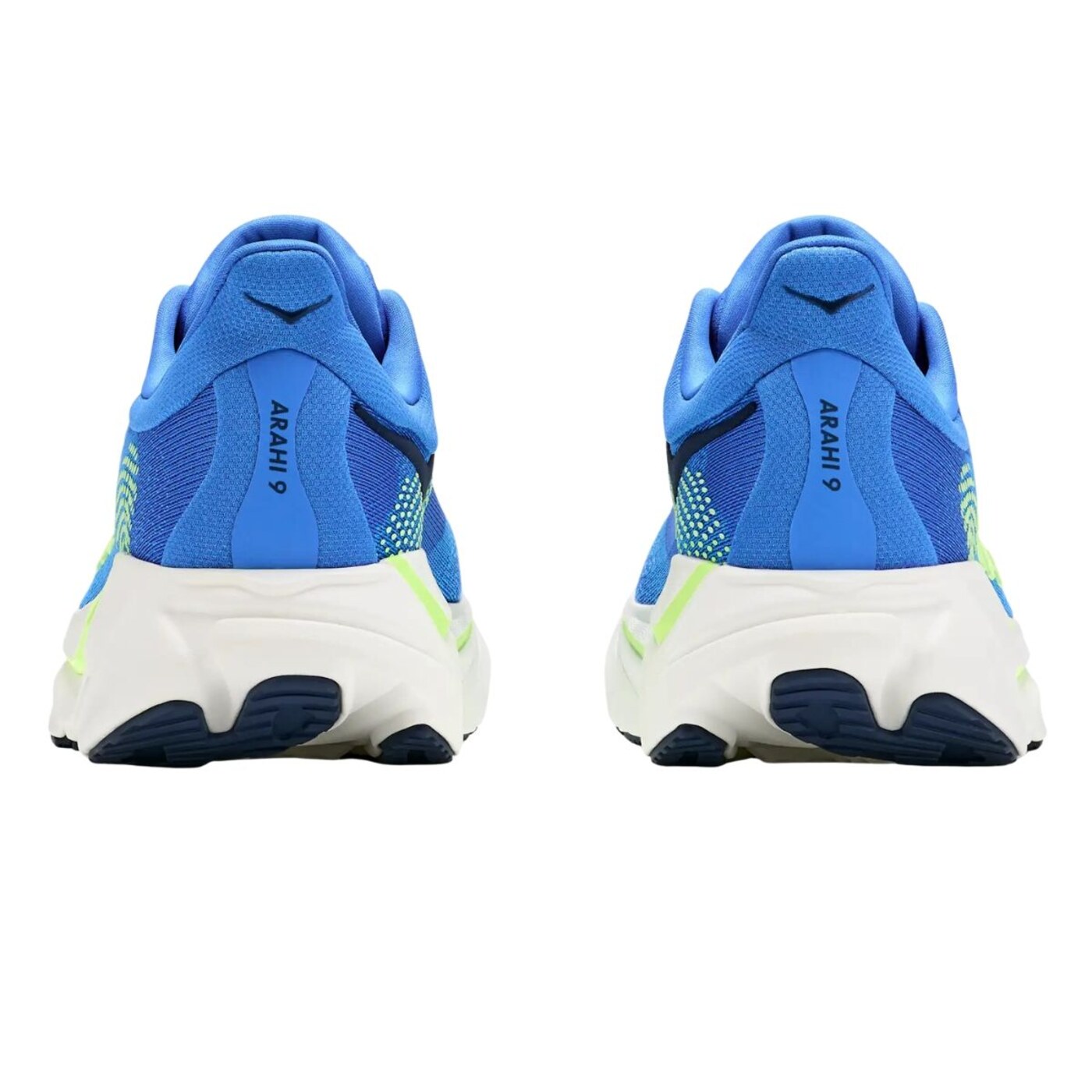
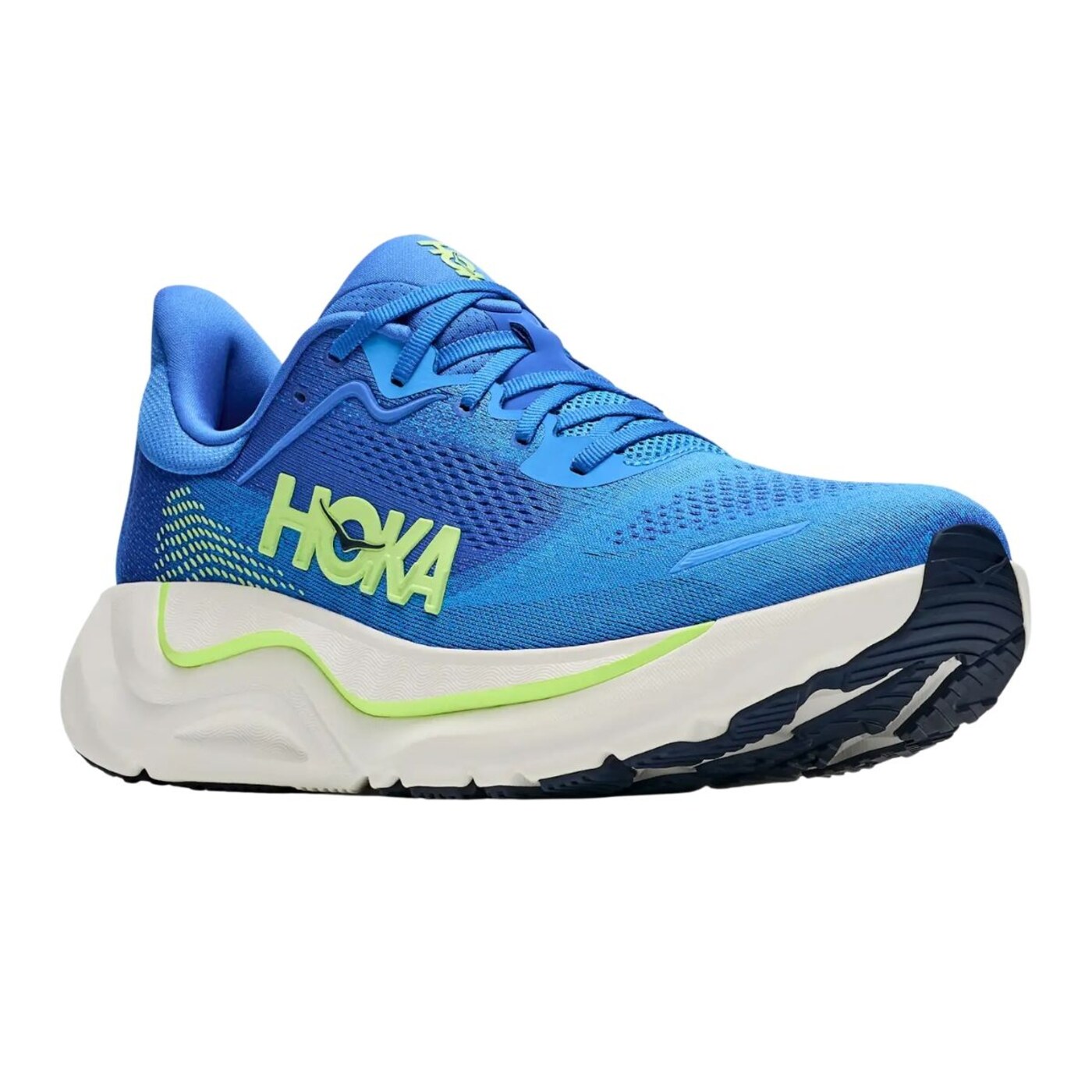
Hoka Arahi 9 Review: H-Frame In, J-Frame Out, Same Midsole
7.5/10
✓284 g: the lightest stability shoe on the road market
✓Comfortable H-Frame that never punishes your foot
✓New breathable upper and wider toe box
✗Midsole identical to the Arahi 8
The J-Frame carried the Hoka Arahi for eight generations. On the ninth, it's gone, replaced by a system called the H-Frame. On paper, that looks like a technical revolution. In reality, the H-Frame has been on the Arahi 8 since 2025. So the real question isn't whether Hoka changed its stability technology, but what this ninth edition actually changes underfoot. RunMorph tested the pair, keeping an eye on what really moved and what's just recycled marketing.
The Hoka Arahi 9 is still the lightest, least rigid stability shoe on the road market, at 284 g for men and 233 g for women with an 8 mm drop. It guides your stride with the H-Frame, a foam structure spread under the heel and midfoot, and never resorts to a hard medial post. The catch: the midsole is identical to the Arahi 8's and only the upper has really changed, which makes the "9th generation" label a bit generous.
7.5/ 10 · RunMorph overall score
Cushioning8/10
Stability7/10
Lightness8.5/10
Responsiveness6.5/10
Value for money7/10
Who is it for?Runners with mild to moderate overpronation who want discreet support without the weight or stiffness of traditional stability shoes.
Who should skip it?Strong overpronators who need firm, no-nonsense correction, and Arahi 8 owners hoping for a real technological leap.
Arahi 9 specs
Brand
Hoka
Model
Arahi 9
Release
August 2026
Type
Road, light stability (Stability Mach)
Drop
8 mm
Stack height (heel / forefoot)
39 mm / 31 mm
Weight
284 g (men's, EU 42) / 233 g (women's)
Foam
Compression-molded EVA
Stability system
H-Frame (replaces the J-Frame)
Carbon plate
No
Upper
Reworked engineered mesh, wider toe box
Recommended distance
Easy runs up to the half marathon
Official price
€140
The launch came in two stages: in US stores from July 2026, then in French shops during August. At €140, the Arahi 9 sits well below the Gel-Kayano 33 and the Wave Sky 9, but some retailers are already listing it closer to €160 just a few weeks after release. It's a classic move in the running market, so plan for it before you pull out your card.
H-Frame: the technology that really changed, just not this year
For years, the J-Frame was the Arahi's signature: a band of denser foam, molded into a J shape, running up the medial side from the heel to the big toe to keep the arch from collapsing. It worked, but it was downright stiff, with that feeling of stepping on a wedge every time your foot landed on the inside. The H-Frame flips the logic: the support structure now wraps the heel and midfoot on both sides, medial and lateral, instead of focusing on the inside only. Your foot gets framed rather than corrected, with a smoother transition from ground contact to toe-off.
On the Arahi 9, Hoka pitches this architecture as the headline feature of the new generation. Except there's nothing new about it: the H-Frame debuted on the Arahi 8, released a year earlier. What actually changes on the 9 is a reinforced H-Frame around the medial heel and a completely redesigned upper, with a more breathable engineered mesh and a wider, less tapered toe box than previous generations. The midsole keeps exactly the same 39/31 mm stack height and the same 8 mm drop as the Arahi 8.
RunMorph tip: if your stride is neutral and you just want a comfortable daily trainer from the same foam family, look at the Hoka Clifton 11 instead. It shares part of the brand's cushioning DNA without the support system. The Arahi 9 only makes sense if you genuinely need your stride guided.
The section that had to be written: an upper-only refresh?
The real trade-off with this 9th generation: you pay for a shoe marketed as new, but what you mostly get is the Arahi 8's midsole with a redesigned upper around it. If you already own an Arahi 8 in good shape, this generational jump doesn't justify buying again right away.
Let's be blunt: the Arahi 9 is what reviewers call an "upper-only refresh", an update that's almost entirely about the upper. Stack height, drop and foam structure are identical to the Arahi 8. The "improved" H-Frame in Hoka's marketing boils down to extra foam around the medial heel: a local touch-up, not a redesign. If you replace your shoes every two years and expect a real technical leap, your disappointment is justified.
Second point that deserves to be called out plainly: however comfortable and forgiving the H-Frame is compared with the old J-Frame, it's still a guidance system, not a correction system. It spreads material on both sides of the foot to prevent excessive rolling, but it never pushes back with the firm resistance of a traditional medial post, in the style of Brooks GuideRails or Asics' old 4D Guidance. In practice, if your overpronation is pronounced (the kind a podiatrist would call severe, not just a "slight tendency to roll in"), the Arahi 9's support may feel too soft to really slow the movement down. It goes along with your foot; it doesn't hold it back. Hoka made that choice deliberately in the name of comfort and lightness, but it matters if you need real motion control.
So the "Stability Mach" positioning is honest on one point: this is the lightest, least rigid stability shoe on the market. But that same lightness comes hand in hand with stability that's softer than the category average. You can't max out both at once, and Hoka never says it this clearly in its marketing.
On relaxed easy runs, the Arahi 9 is exactly what it promises: a shoe you forget you're wearing. Its relative lightness (284 g) avoids the "rehab shoe" effect that weighed down older stability shoes, and the H-Frame guides your foot without ever feeling like it's forcing a movement. Over 12 to 16 km at moderate pace, heel lockdown is solid, the heel-to-midfoot transition is smooth, and the new upper clearly breathes better than the Arahi 8's, which had a reputation for running hot in summer.
Once the pace drops below 5:00/km, the limits show. The compression-molded EVA foam is comfortable enough but lacks bounce next to the PEBA foams now found across a good share of the daily trainer segment. On a late-run surge or when you pick it back up after a red light, the shoe responds, but without enthusiasm. That's neither a surprise nor a real flaw: the Arahi was never built for intervals, and it owns its role as a mileage workhorse. On wet roads, outsole grip stays reliable, in the upper half of the category.
Arahi 9 vs Brooks Adrenaline GTS 24 vs Saucony Guide 19
In the light stability segment, two models already dominate the French market. Here's how the Arahi 9 stacks up against them.
Criterion
Hoka Arahi 9
Brooks Adrenaline GTS 24
Saucony Guide 19
Price
€140
€128
€160
Weight (men's)
284 g
~262 g
~275 g
Drop
8 mm
12 mm
6 mm
Support system
H-Frame (two-sided guidance)
GuideRails (on-demand guidance)
CenterPath (wide platform)
Support firmness
Soft
Moderate
Soft to moderate
Runner profile
Mild overpronation, lightness first
Moderate overpronation, heel strikers
Mild overpronation, high mileage
Against the Brooks Adrenaline GTS 24, the Arahi 9 wins clearly on weight (22 g lighter) but loses on price and support firmness: GuideRails step in more assertively when your knee or hip drifts, while the H-Frame lets more slide. Against the Saucony Guide 19, the difference in philosophy is subtler, since both bet on gentle guidance rather than correction, but the Guide 19 costs €20 more for a similar weight. If lightness is your absolute priority, the Arahi 9 wins the matchup. If you need support you can feel more once fatigue sets in, the Adrenaline GTS 24 remains the safest benchmark, and it's cheaper too.
Pros and cons
What we liked
284 g: the lightest stability shoe on the road market
Comfortable H-Frame that never punishes your foot
New breathable upper and wider toe box
Reasonable launch price of €140
Excellent partner for easy runs and long runs
What we liked less
Midsole identical to the Arahi 8
Support too soft for strong overpronation
Little bounce once the pace picks up
Limited appeal if you already own an Arahi 8
Price climbs fast at some retailers after launch
Our take from the road
If you're new to the Arahi line, the 9 is still a very good entry point into light stability: it never punishes your stride, it's comfortable right out of the box, and it delivers on lightness better than most of its direct rivals. If you own an Arahi 8, though, the case for buying is thin: you're mainly paying for a more breathable upper, not a new midsole. And if you overpronate strongly and want real correction, look elsewhere, at Brooks or Asics, where the support system is more assertive.
Not sure about your stride profile? Choosing a stability shoe depends directly on your biomechanics and your injury history. Before you spend money on the Arahi 9 or a rival, take stock with a real plan built around your stride.
The Hoka Arahi 9 does what it has always done well: it offers the lightest, least restrictive stability on the road market, at a reasonable €140. The H-Frame is still a good system, more comfortable than the old J-Frame, but it isn't new on this generation, and the midsole hasn't moved a millimeter since the Arahi 8. This 9th edition is above all an upper refresh dressed up as a new generation.
Buy it if you're new to the line, have mild overpronation and put lightness above everything else. Skip it if you already own a recent Arahi 8, or if your stride calls for firmer support than simple guidance. RunMorph score: 7.5/10.
Key takeaways for your training
H-Frame, not new for 2026: this two-sided guidance system already equips the Arahi 8; only the upper really changes on the 9.
Soft stability, not corrective: suits mild to moderate overpronation, not strong overpronation that needs real motion control.
284 g: the lightness benchmark in road stability, a real asset for high mileage.
An easy-run and long-run shoe: keep a more responsive pair for intervals and fast paces.
€140 at launch: compare prices across several retailers, since some have already bumped it up.
Recommended articles
Brooks Adrenaline GTS 24: GuideRails and BioMoGo DNA for the road stability benchmark at €128
Saucony Guide 19: CenterPath and softer PWRRUN, stability that guides you without correcting you
Hoka Clifton 11: CMEVA stays, reworked mesh and tactile silicone for the best-seller's 11th season
Asics Gel-Kayano 33: stability moves to FluidSupport and dual FF Blast foam