The 880 has always played second fiddle in the New Balance lineup, squeezed between the stability-focused 860 and the premium 1080. With the v15, the brand finally gives it an identity of its own: more foam, a lower drop and a simple promise, soak up impact without ever compromising on stability. The question is whether this bulk-up costs the line what made it appealing in the first place.
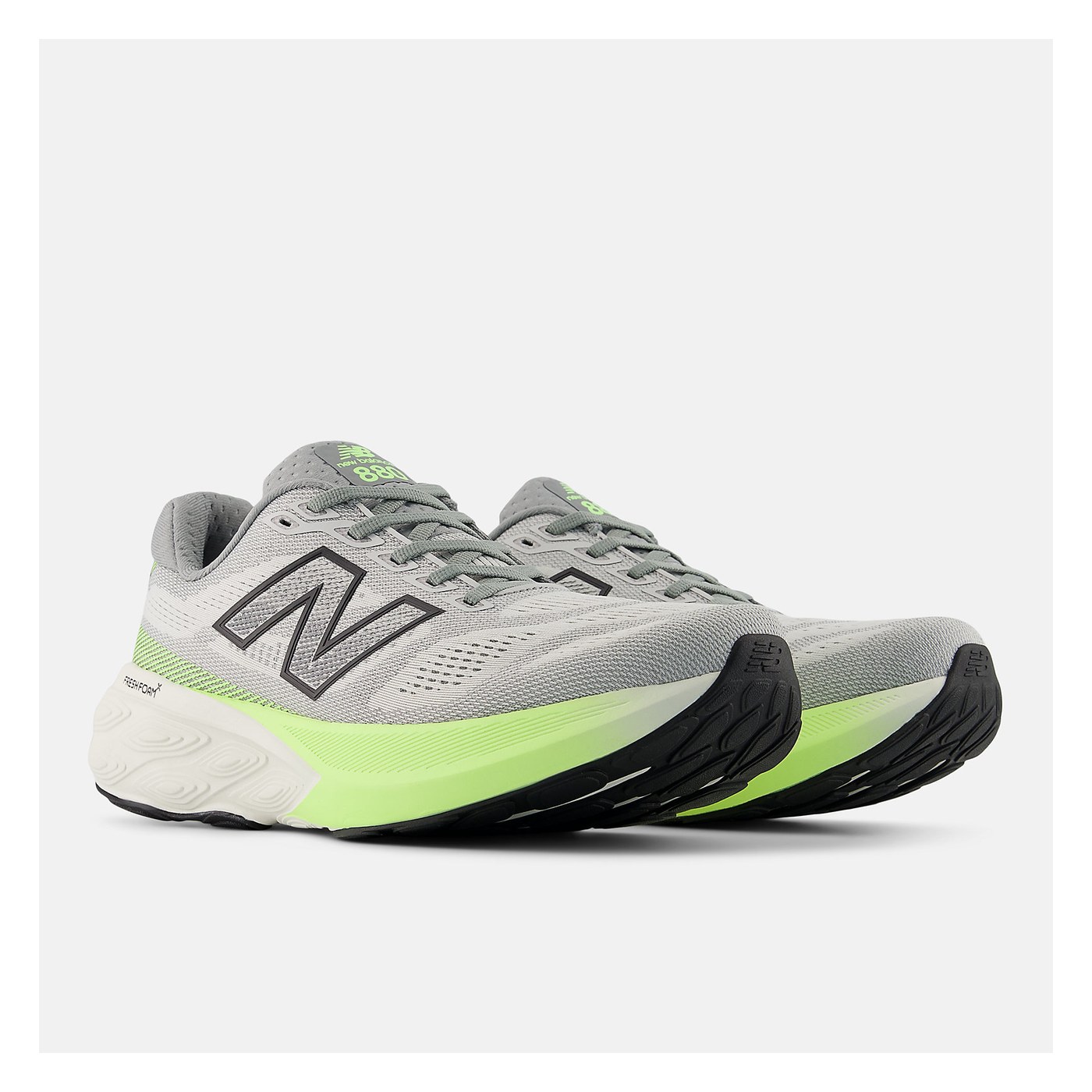
© New Balance, official photo used for editorial purposes
New Balance 880v15: the mid-range model finally steps out of the 1080's shadow
At New Balance, the 880 has held a thankless spot for years. Too premium to be entry level, too plain to match the prestige of the 1080, it long settled for being a solid but forgettable performer. Version 15 changes the game with sharper positioning: max-cushion protection close to 1080 standards, at a much more affordable price.
The most visible change is the thickness of the Fresh Foam X, which climbs to 40.5 mm at the heel and 34.5 mm at the forefoot, a jump of several millimeters over the v14. The drop goes from 8 to 6 mm, a move that brings the 880 in line with current market standards and promises a more natural heel-to-toe transition. That shift comes at a cost in weight, though: 274 g in EU size 42, versus 246 g for the previous version.
RunMorph tip: if you're torn between the 880v15 and a Hoka Clifton 10 or a Brooks Ghost 18, think about the surface you run on. The New Balance has a wider base and feels more reassuring on long runs and rough pavement, but the new drop takes some getting used to.
Fresh Foam X and a reworked Ndurance outsole: what changes underfoot?
Fresh Foam X isn't new at New Balance, but the amount of it is. At 40.5 mm under the heel, the brand brings the 880 up to the max-cushion standards competitors have already adopted. The foam stays firm, true to the line, but the extra material absorbs impact better. It still feels stiffer than a latest-generation PEBA foam, yet it's noticeably smoother than the v14.
The outsole has been reworked too. The Ndurance carbon rubber, used heavily on versions 13 and 14, is lighter here, with shallower grooves. You feel the difference from the first stride: the ride is smoother and the heel-to-toe transition more natural. The trade-off shows up on wet ground, where grip drops noticeably compared with previous generations.
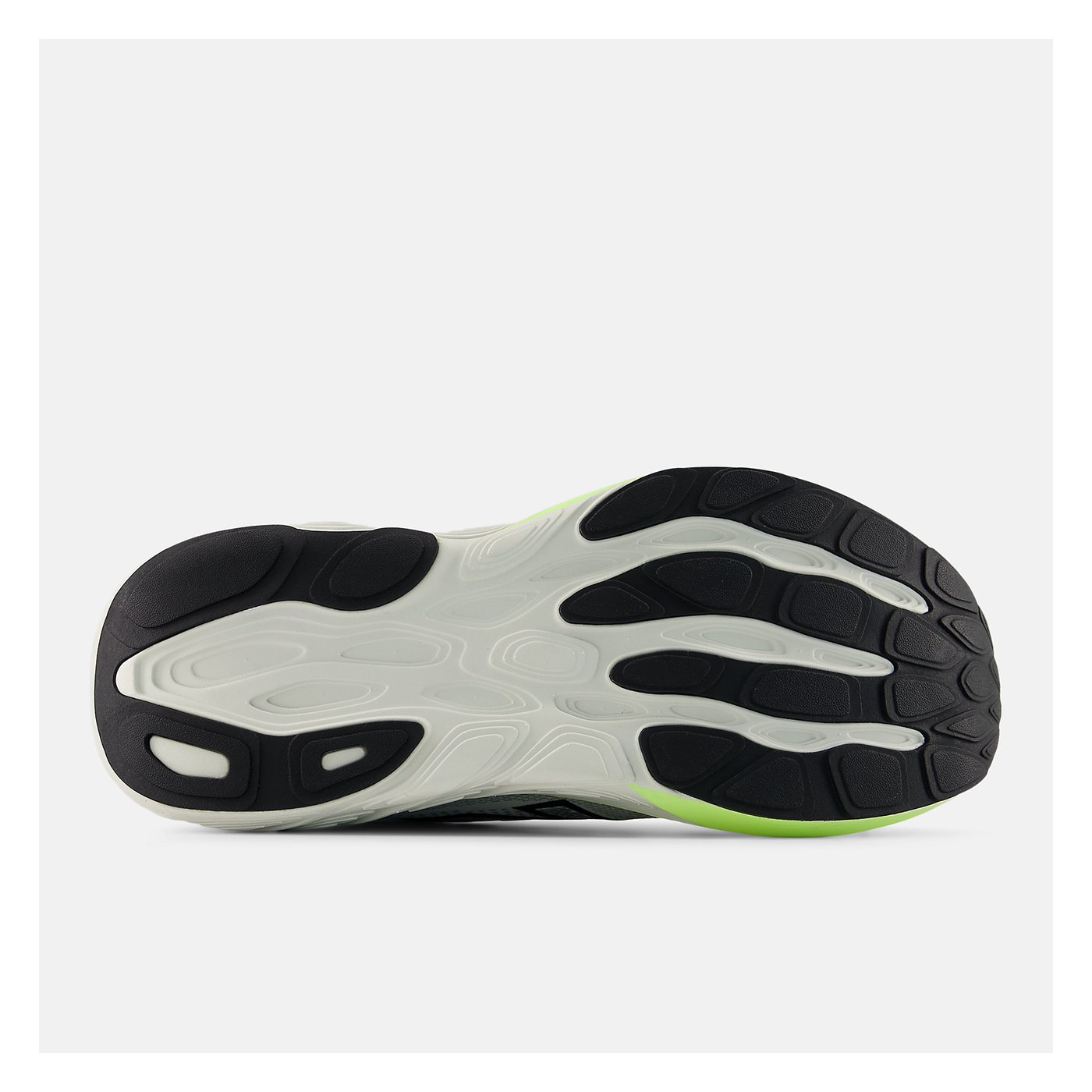
© New Balance, official photo used for editorial purposes
Field test: from aerobic base runs to a slow marathon
On runs tested between 5:30 and 6:30/km, the 880v15 fully delivers as an everyday training partner. The thick cushioning smooths out rough pavement and limits fatigue on runs longer than an hour. Once the pace drops below 4:30/km, though, the foam's lack of pop shows: the shoe doesn't push you forward, it just goes along for the ride.
The drop change, from 8 to 6 mm, noticeably alters the feel compared with older versions. Runners used to a more traditional drop will need a few runs to adjust, especially because of the extra load on the calves and Achilles tendon.
The engineered mesh upper, very close to the v14's, still delivers an excellent secure fit with good breathability. Flat laces and a padded tongue round out a very classic fit, true to the New Balance spirit, although some runners with narrow feet report a slightly roomy toe box.
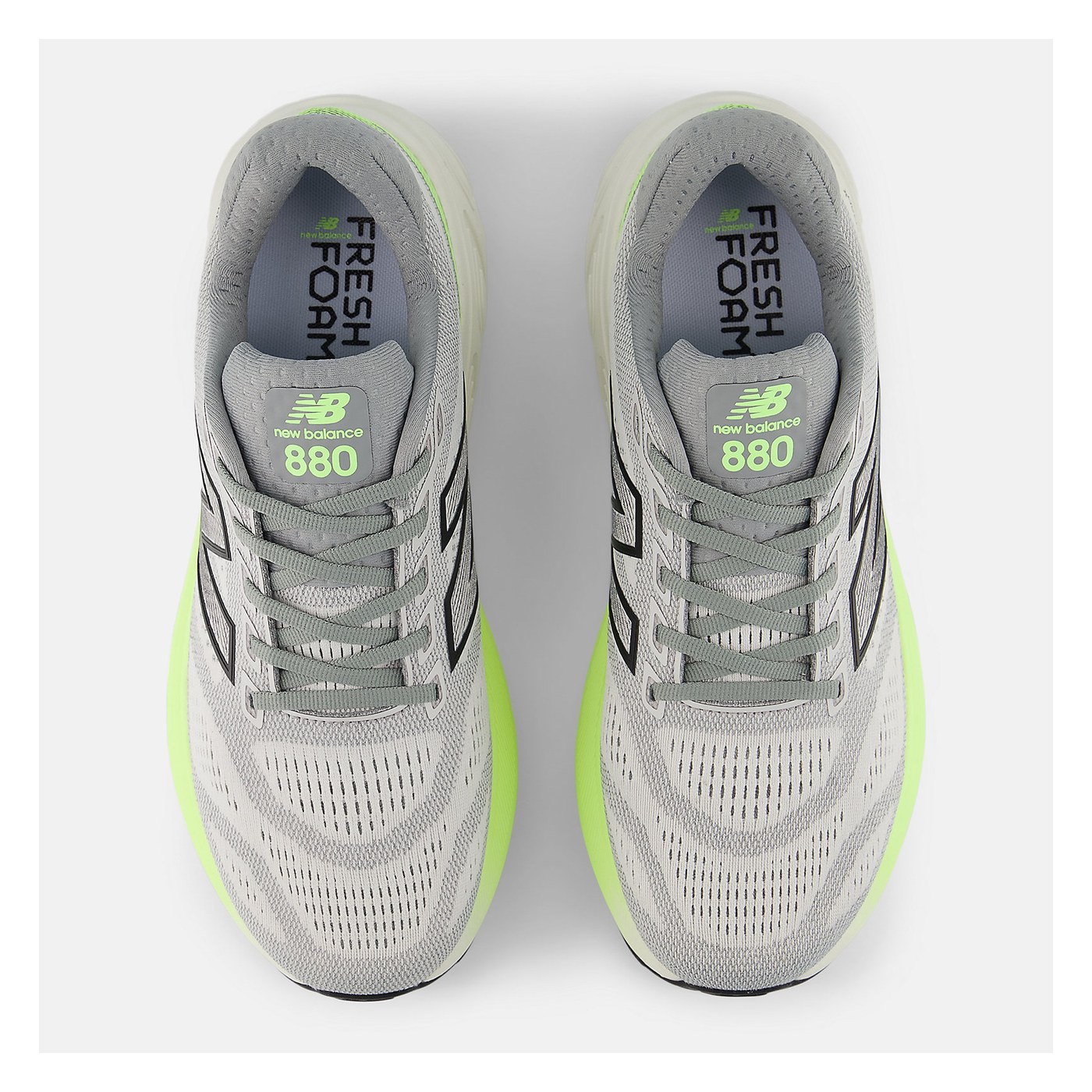
© New Balance, official photo used for editorial purposes
880v15 vs 1080v15: which New Balance should you choose?
Both models share New Balance's road lineup and meet similar but not identical needs. Here's how they differ on paper and on the road.
| Criterion | New Balance 880v15 | New Balance 1080v15 |
|---|
| Positioning | Affordable daily trainer | Premium daily trainer |
| Weight (42) | 274 g | About 261 g |
| Drop | 6 mm | 6 mm |
| Foam | Fresh Foam X | Next-generation premium foam |
| Responsiveness | Average, comfort-oriented | Higher, snappier |
| Price | €160 | About €200 |
In short, the 1080v15 keeps the edge in responsiveness and lightness, with a price to match. The 880v15 remains the most logical gateway into New Balance's max-cushion range, with nearly equivalent protection for €40 less.
New Balance 880v15 pros and cons
Pros
- Very generous cushioning and effective shock absorption
- Excellent stability thanks to a wide base
- Breathable upper that stays comfortable over the miles
- Good value for money compared with the 1080v15
- Smoother ride than the v14
Cons
- Heavier than the previous version
- Limited responsiveness, poorly suited to intervals
- Weaker grip on wet ground
- The new 6 mm drop requires an adjustment period
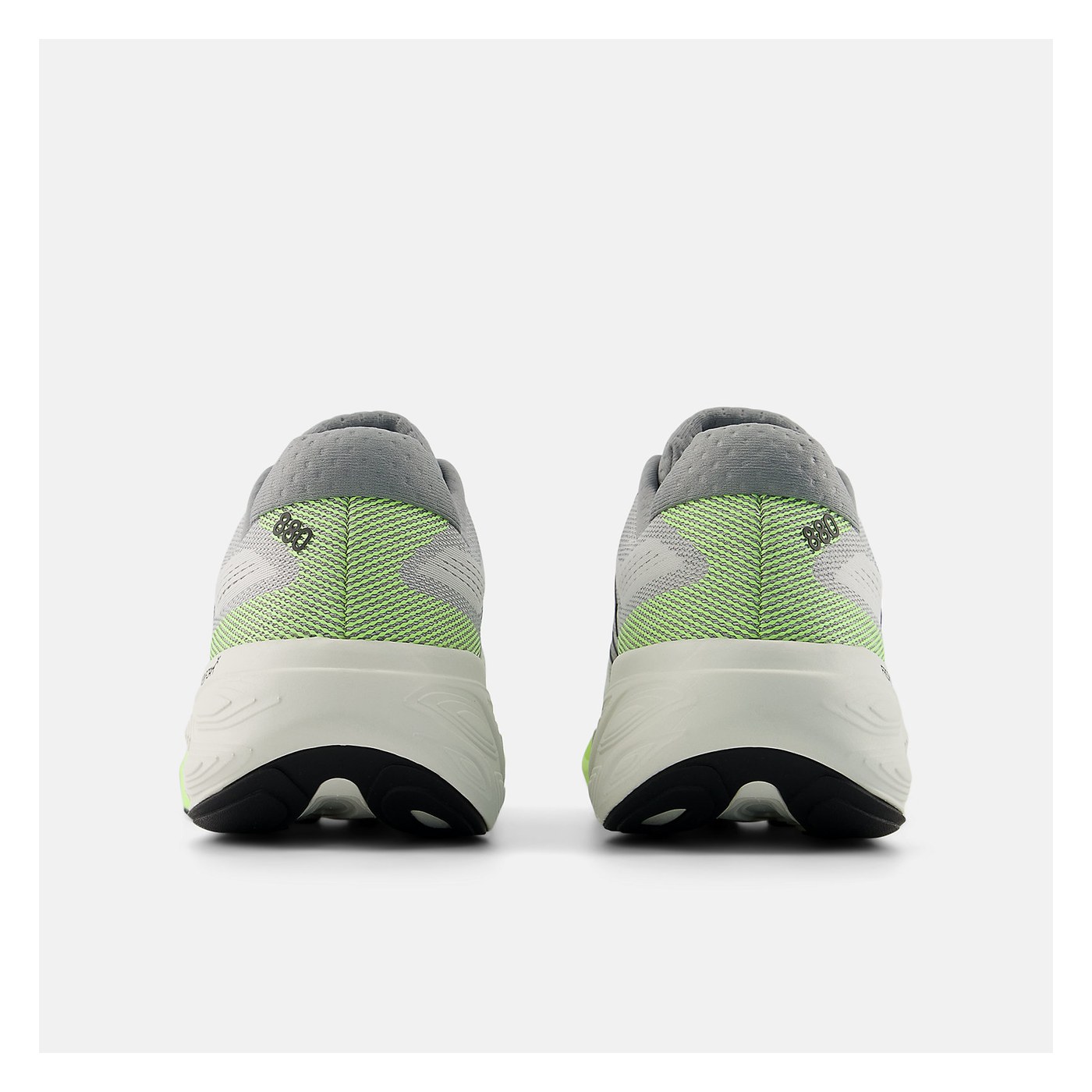
© New Balance, official photo used for editorial purposes
Our take: who is the 880v15 for?
The regular runner looking for a reliable base
For runners logging 30 to 60 km a week at easy pace, the 880v15 is a very safe pick. It handles the mileage without punishing your joints and stays consistent run after run.
The marathoner who puts comfort ahead of speed
Over the marathon distance, the generous protection of the 880v15 becomes a real asset for runners whose main goal is to finish comfortably rather than chase a time.
The runner chasing a lively ride
On the other hand, runners who want some pop for intervals or fast paces should look at an Asics Novablast 6 or a Saucony Triumph 24, both livelier options.
Want to build the 880v15 into a structured training block? Whether you're locking in your long runs before a marathon or laying down a solid aerobic base, it fits naturally into a RunMorph training plan tailored to your goal.
RunMorph Coach's verdict
The New Balance Fresh Foam X 880v15 fully commits to its max-cushion shift. It gains in protection what it loses in responsiveness, a trade-off that will mainly appeal to runners who value comfort and consistency over pure performance. The new 6 mm drop is a real success once you've adapted, and value for money remains very solid against the 1080v15.
This isn't a shoe built for racing or intervals, and it doesn't try to be. As an everyday training partner for long distances, it does exactly what it promises.
8/10: a solid max-cushion daily trainer, held back only by muted responsiveness and wet grip that could be better.