Since 2019, the S/Lab Pulsar has been Salomon's technical calling card for short, fast trail races: a thin, uncompromising shoe built for runners who want to feel the ground underfoot. Version 4, released in summer 2025, takes a different approach. Salomon added 10 mm of stack at the heel, firmed up the foam and widened the fit. The bet: make the Pulsar more comfortable and more versatile, even if that means drifting away from what gave it its identity. At RunMorph, we cross-checked independent lab measurements with several French-language field tests to see whether that bet pays off.
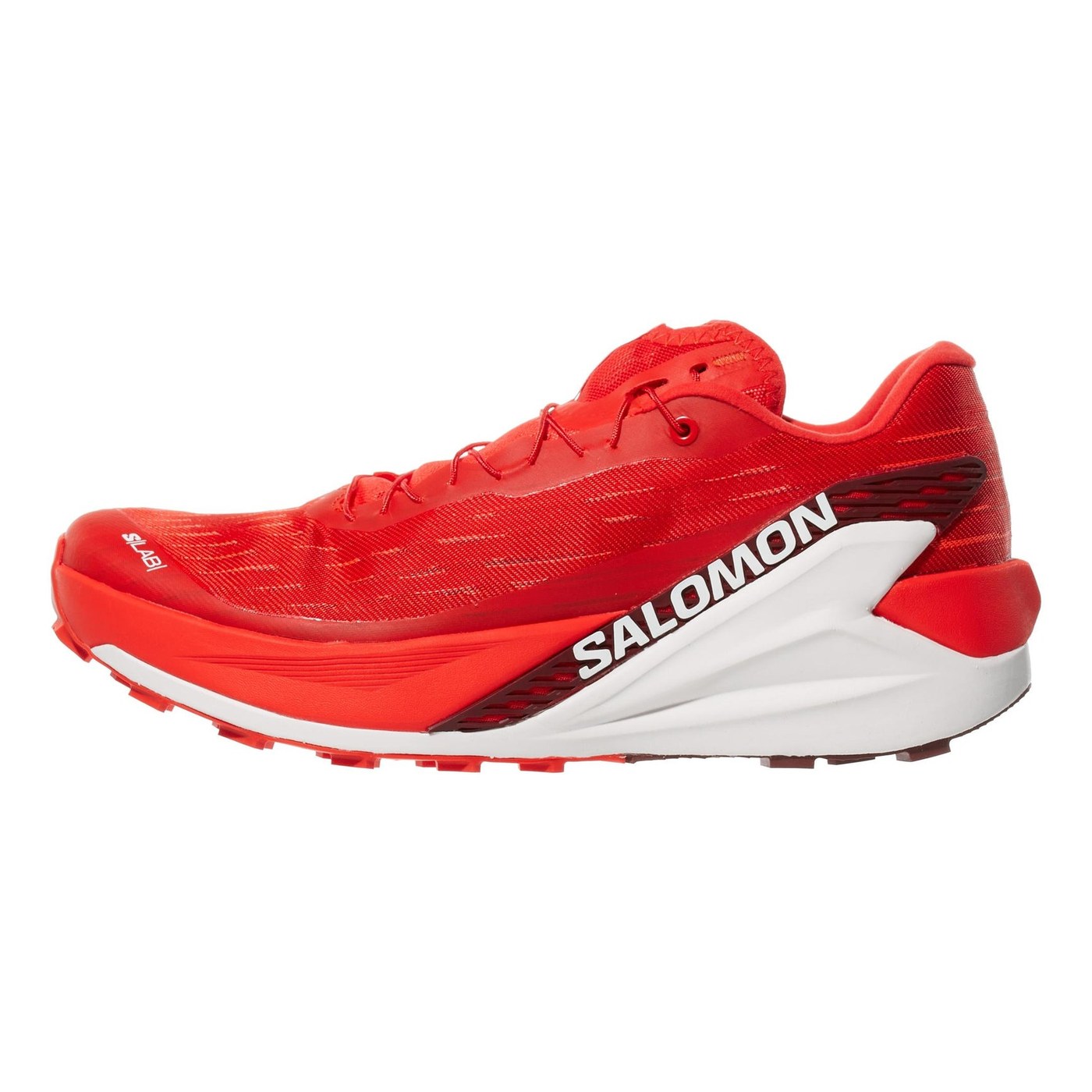
© Salomon, official photo used for editorial purposes
Salomon S/Lab Pulsar 4: betting on comfort with a short-trail icon
For years, the Pulsar was the purist's shoe in Salomon's lineup: thin, close to the ground, built for short trail races and hill sessions. With version 4, the Annecy-based brand makes a clear turn. Heel stack rises by 10 mm over the Pulsar 3 to a claimed 34 mm (32.6 mm measured in an independent lab). The foam goes from a single layer of Energy Foam to a dual-density optiFoam/optiFoam+ setup, and weight climbs by about 45 g between the two versions. The message is clear: Salomon wants to broaden the Pulsar's audience, even at the risk of losing some of its diehard fans. On paper, the pitch is still appealing (premium Matryx upper, Active Chassis, development with athlete Rémi Bonnet). On the trail and in the lab, the picture is more mixed.
S/Lab Pulsar 4 specs: what really changes
| Spec | Value |
|---|
| Brand | Salomon |
| Model | S/Lab Pulsar 4 |
| Release | June 2025 |
| Type | Trail, racing over short to mid distances |
| Drop | 6 mm claimed / 7.1 mm measured in an independent lab |
| Stack height forefoot / heel | 28 mm / 34 mm claimed (25.5 mm / 32.6 mm measured) |
| Weight (unisex, ref.) | 250 g claimed / 247 g measured |
| Foam | optiFoam (EVA) + optiFoam+ (PEBA/EVA) |
| Plate | No |
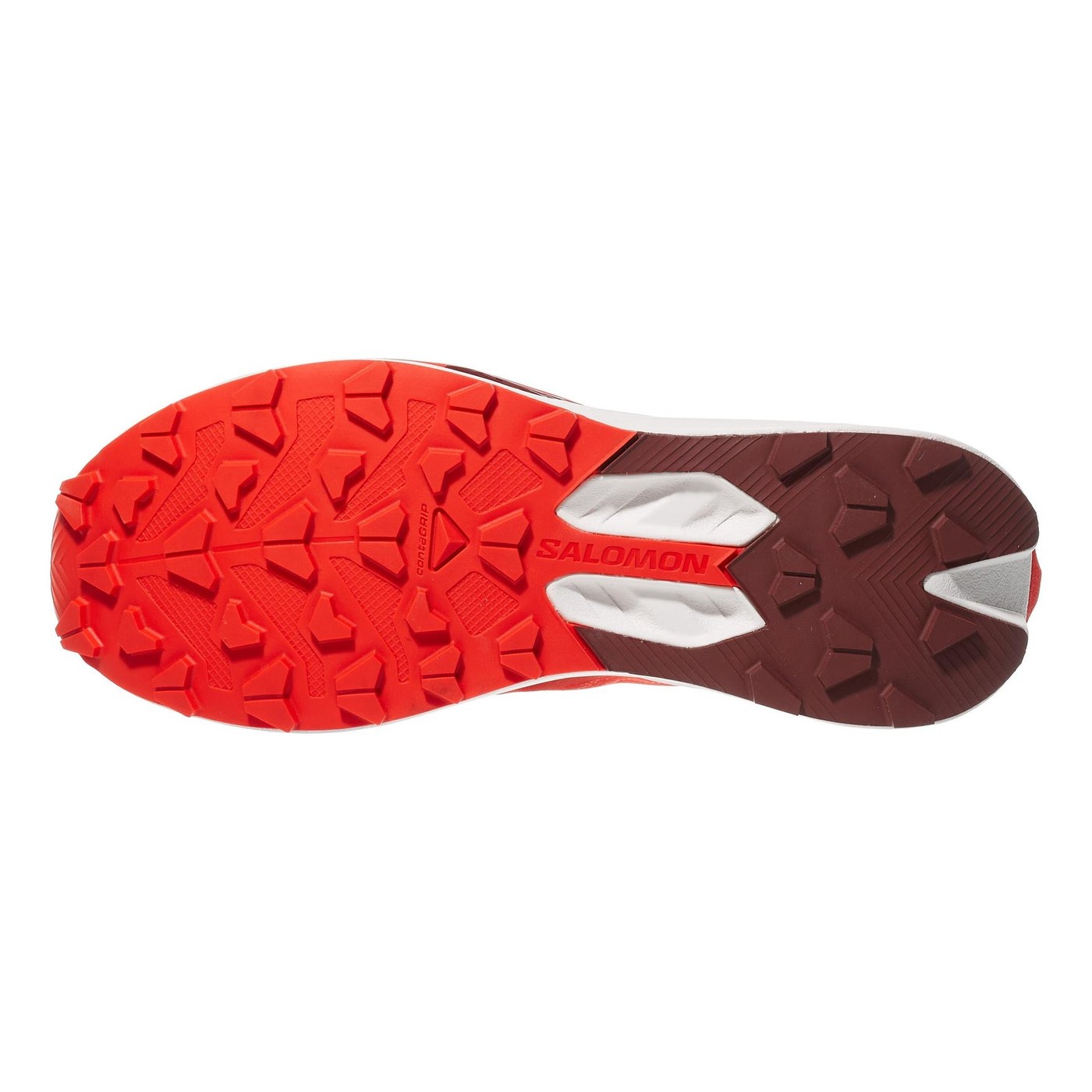
| Outsole | All-Terrain Contagrip, 3.5 mm lugs |
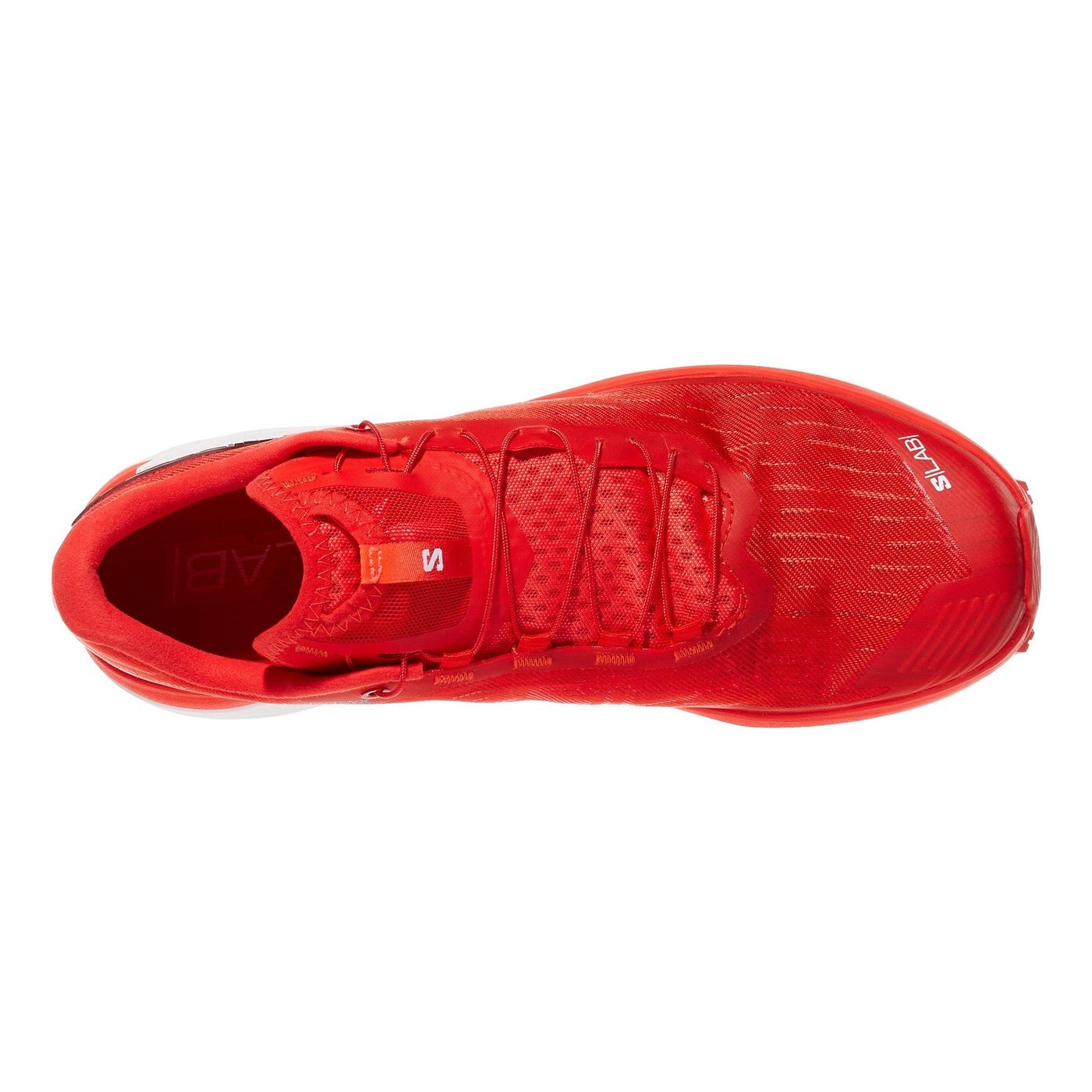
| Upper | Matryx (Kevlar threads), endoFit, Quicklace lacing |
| Recommended distance | 10 km to about 60 km |
| Official price | €220 |
The gap between claimed figures and independent lab measurements isn't trivial. A real drop closer to 7 mm than 6 mm changes how the shoe rolls forward, and a stack height slightly below the marketing numbers is a reminder to trust a try-on over a spec sheet. Gaps like this are common in the industry, but RunMorph would rather flag them than stay quiet.
Active Chassis and dual optiFoam: what does it change underfoot?
The big technical change in version 4 is the midsole. At the bottom, standard optiFoam (EVA) absorbs impact; on top, optiFoam+ (an EVA/PEBA blend) adds responsiveness. An independent lab measurement puts heel cushioning well above the average of the tested panel, which confirms the feel of a more protective heel than on the Pulsar 3. The problem is energy return. Measured heel energy return (47.7%) lags far behind the panel average (56.7%). The consensus from field tests backs this up, describing a stride that has lost its snap despite the extra foam.
Support, on the other hand, clearly improves. The Active Chassis, two stiff bands framing the midfoot, keeps heel landings steady even on unstable ground. An independent lateral stability measurement confirms a level well above average, despite a fairly narrow heel counter (84 mm). This is where reviewers agree most clearly: the Pulsar 4 inspires more confidence on descents and uneven footing than its predecessor.
© Salomon, official photo used for editorial purposes
RunMorph's tip: if stability and a comfortable fit for back-to-back technical runs without a carbon plate are your priorities, the Pulsar 4 earns a spot in your rotation, alongside a livelier shoe like the Hoka Zinal 3 for days when you want more pop.
Field test: 20 to 60 km of comfort, with grip falling short
On the trail, the Pulsar 4 behaves more like a tempo shoe than a pure racer. At paces from 4:30 to 6 min/km on runnable to moderately technical trails, it has a softer ground feel than before. You sink slightly into the cushioning instead of bouncing off it, which is reassuring on long runs but takes the edge off the explosiveness you'd expect from a Pulsar. On short, intense sessions (intervals, hills), the lack of responsiveness is more obvious. Both the consensus of French-language field tests and independent energy return measurements point to it.
Grip is where sources disagree most, and RunMorph would rather say so plainly than smooth over the contradiction. One very thorough French-language field test, with several runs in wet conditions, reports a clear loss of grip on soft and greasy ground compared with the Pulsar 3 (lugs cut to 3.5 mm from 4.5 mm), with slips on muddy descents and poor traction on sand. By contrast, another French-language review gives the shoe a very high grip score (9/10). An independent lab measurement confirms good overall traction, while explicitly listing reduced grip on grass or mud among its weak points. The most solid consensus: the Pulsar 4 is very much at home on hardpack, compact singletrack and dry rock, and gets marginal as soon as the ground turns soft or waterlogged.
On durability, the tests agree more. The Matryx upper handles abrasion very well (no significant wear noted during extended testing), and an independent measurement confirms limited wear on the Contagrip outsole (less than 1 mm of lug material lost after a standardized abrasion protocol). As for fit, it's roomier than on previous Pulsars: the midfoot and forefoot gain volume, although the heel stays narrow and the loss of the mini gaiter now lets in a bit of dust and grit.
© Salomon, official photo used for editorial purposes
Salomon S/Lab Pulsar 4 vs Ultra Glide 4 vs Hoka Zinal 3: head to head
| Model | Weight | Drop | Heel stack | Positioning | Price |
|---|
| Salomon S/Lab Pulsar 4 | 250 g | 6 mm | 34 mm | Versatile 10-60 km racer, stable | €220 |
| Salomon Ultra Glide 4 | 280 g | 6 mm | 41 mm | Max-cushion comfort for long distances | €150 |
| Hoka Zinal 3 | 253 g | 5 mm | 31.8 mm | Light, lively trail racing | €160 |
Against the Ultra Glide 4, the Pulsar 4 is lighter and more precise on technical terrain, but far less comfortable over very long distances, where the Ultra Glide's generous stack makes the difference. Against the Hoka Zinal 3, the responsiveness gap stands out most: the Zinal 3 scores much higher on responsiveness in our tests, while the Pulsar 4 bets on stability and comfort. If you're torn between the two, it comes down to one simple question: do you want pop (Zinal 3) or reassuring stability (Pulsar 4)?
Pros
- Much more cushioning, measured above the tested panel average
- Very solid lateral stability thanks to the Active Chassis
- Premium Matryx upper, wider and comfortable fit
- Upper and outsole durability confirmed by testing
- Toe box with generous height, good for long runs
Cons
- Disappointing energy return for a racing shoe at this price
- Grip falls short on soft, grassy or muddy ground
- Limited breathability, upper runs warmer than older Pulsars
- Loses the minimalist feel and responsiveness of previous versions
- High price (€220) given the measured performance
Our field verdict: who is the Pulsar 4 really for?
The runner training for a runnable 20 to 50 km trail race
This is the most obvious fit. The Pulsar 4's stability and cushioning suit mid-distance races on compact trails, where version 3 might have tired your legs sooner.
The former Pulsar user chasing pure responsiveness
Less obvious. If you loved the Pulsar 3 for its ground feel and responsiveness, version 4 may disappoint you: it has gained in comfort what it lost in snap.
The runner who trains mostly on wet or muddy trails
Avoid it first and foremost. The 3.5 mm lugs and reduced contact area show their limits as soon as the ground gets greasy. You're better off with a more aggressive shoe like the Speedcross.
For your training: the Pulsar 4 fits well into a trail build for 20 to 50 km races, especially for tempo sessions and hilly runs where stability matters more than explosiveness. Pair it with a RunMorph plan matched to your goal to structure your training weeks: explore RunMorph training plans.
RunMorph verdict
The Salomon S/Lab Pulsar 4 is a well-built shoe with clearly different ambitions from its predecessors. It gains comfort, stability and range, but loses the responsiveness and some of the grip that made up the line's DNA. Lab-measured energy return, well below average for a racing shoe costing 220 euros, is what hurts its verdict most. A good, stable, versatile trail shoe, but not the explosive racer its name promises. 7.8/10.