Over the past few years, the energy gel market has split in two: classic formats with 20-25 g of carbs on one side, and a new generation of high-dose gels built for efforts over two hours on the other. SiS (Science in Sport), the British brand that has long fueled the pro peloton, built its Beta Fuel range for that second niche. Here is our verdict after several long runs and a marathon with this gel in the belt.
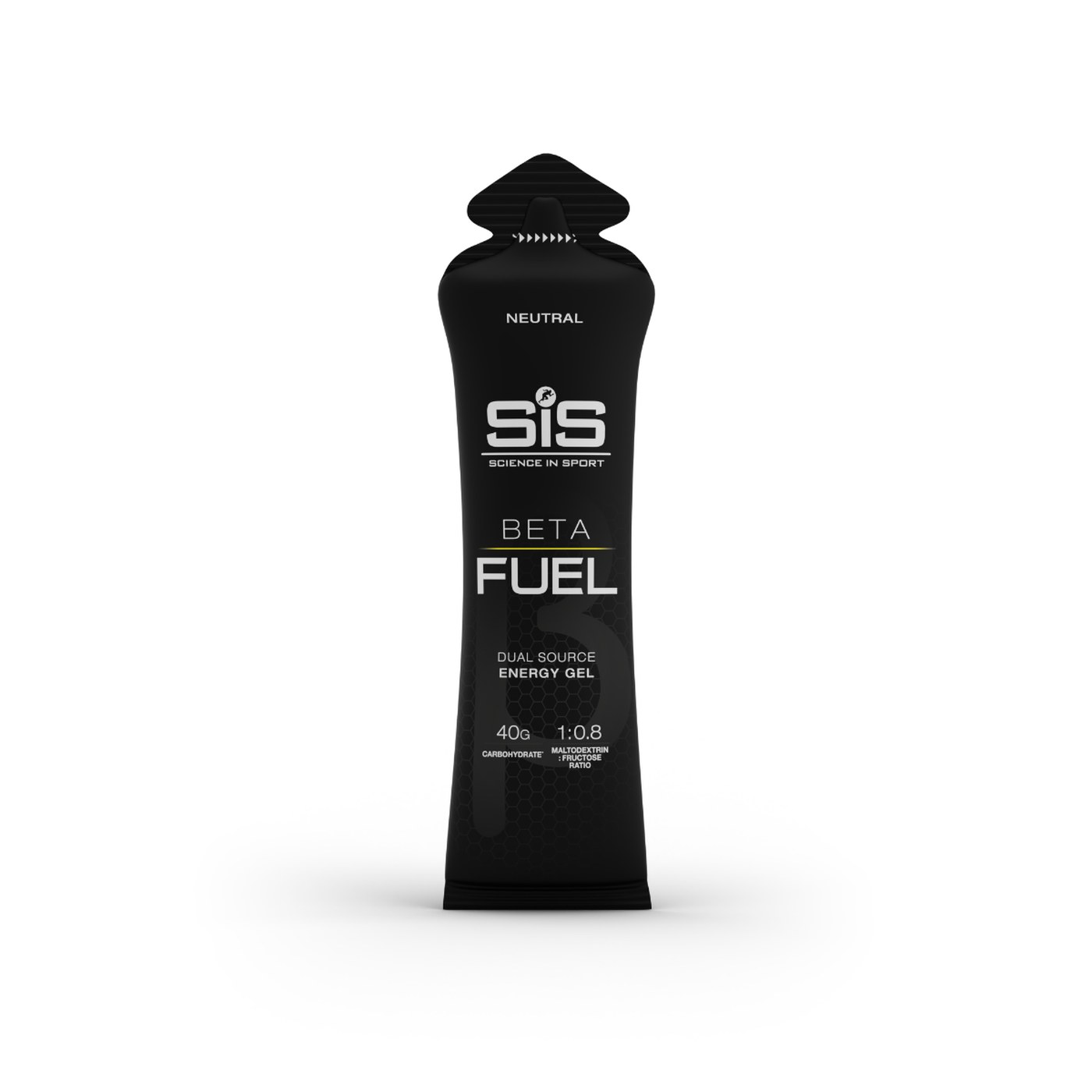
© SiS, official photo used for editorial purposes
SiS bets on a high dose to win over long distances
For years, the energy gel market revolved around an unwritten standard: roughly 20 to 25 g of carbs per gel, taken every 20 to 30 minutes. On a marathon or an ultra trail, that approach has an obvious practical flaw. To reach the 80 to 120 g of carbs per hour that sports nutrition research recommends for long efforts, you have to take gel after gel and tear open wrapper after wrapper. SiS built its Beta Fuel range as a direct answer to that problem: a gel with 40 g of carbs per pouch, twice as much as a classic gel, with a 1:0.8 maltodextrin/fructose ratio designed to limit the stomach discomfort such a large carb load usually causes.
The British brand leans on its long history as a supplier to the pro peloton and many Olympic teams to back this science-driven approach. The marketing around the optimized carb ratio holds up on paper, but real-world use calls for some nuance: a gel that is twice as concentrated is still twice as concentrated, and not every gut handles it the same way, especially the first few times.
SiS Beta Fuel specs: the double-dose gel for ultra distances
| Spec | Value |
|---|
| Brand | SiS (Science in Sport) |
| Product | Beta Fuel Gel |
| Format | 60 ml gel pouch |
| Carbs | 40 g per gel |
| Carb ratio | 1:0.8 maltodextrin / fructose |
| Flavors | Neutral, Orange, Strawberry and Lime, and others depending on the range |
| Caffeine | Caffeine-free and caffeinated versions available |
| Certification | Informed Sport (independent anti-doping testing) |
| Recommended use | Efforts over 2 hours, 80 to 120 g of carbs per hour |
| Price | About €2.29 to €2.99 per gel depending on the retailer |
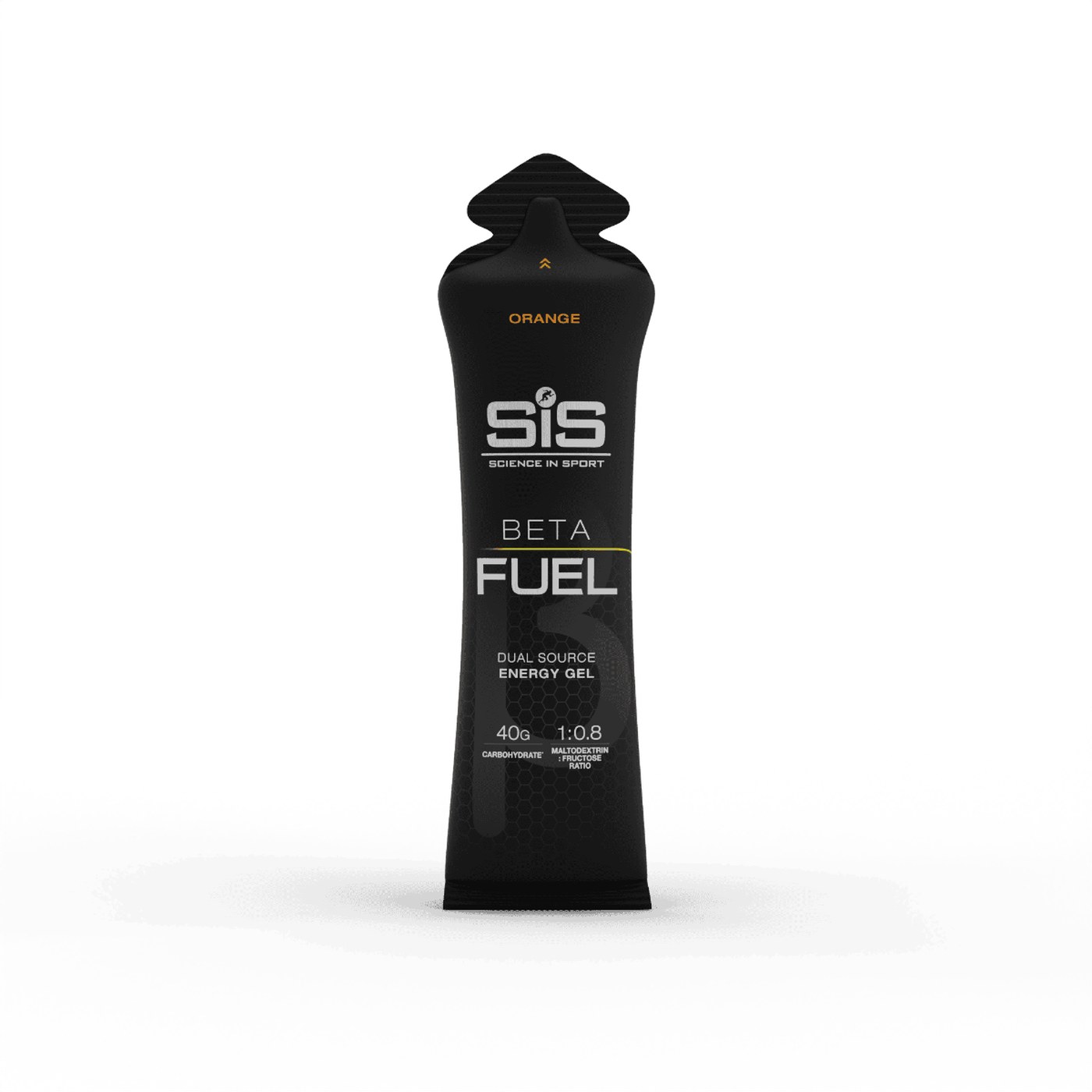
© SiS, official photo used for editorial purposes
The 1:0.8 ratio: what does it actually change?
Maltodextrin is a form of glucose that working muscles absorb quickly, while fructose is processed by the liver and releases its energy more gradually. By combining both sources in a ratio close to 1:1 instead of the classic 2:1, SiS claims to raise the share of ingested carbs your body actually oxidizes (from around 62% to over 70%, according to data published by the brand), while reducing the heavy-stomach feeling that usually comes with a large carb load.
In practice, one Beta Fuel gel can replace two classic gels, which simplifies long-race logistics: fewer wrappers to deal with, fewer moves to make on the run, and a more predictable hourly intake. The trade-off is a bulkier, stickier pouch that is harder to open with cold fingers late in a race, and a slightly greater need to drink alongside it than with a classic gel.
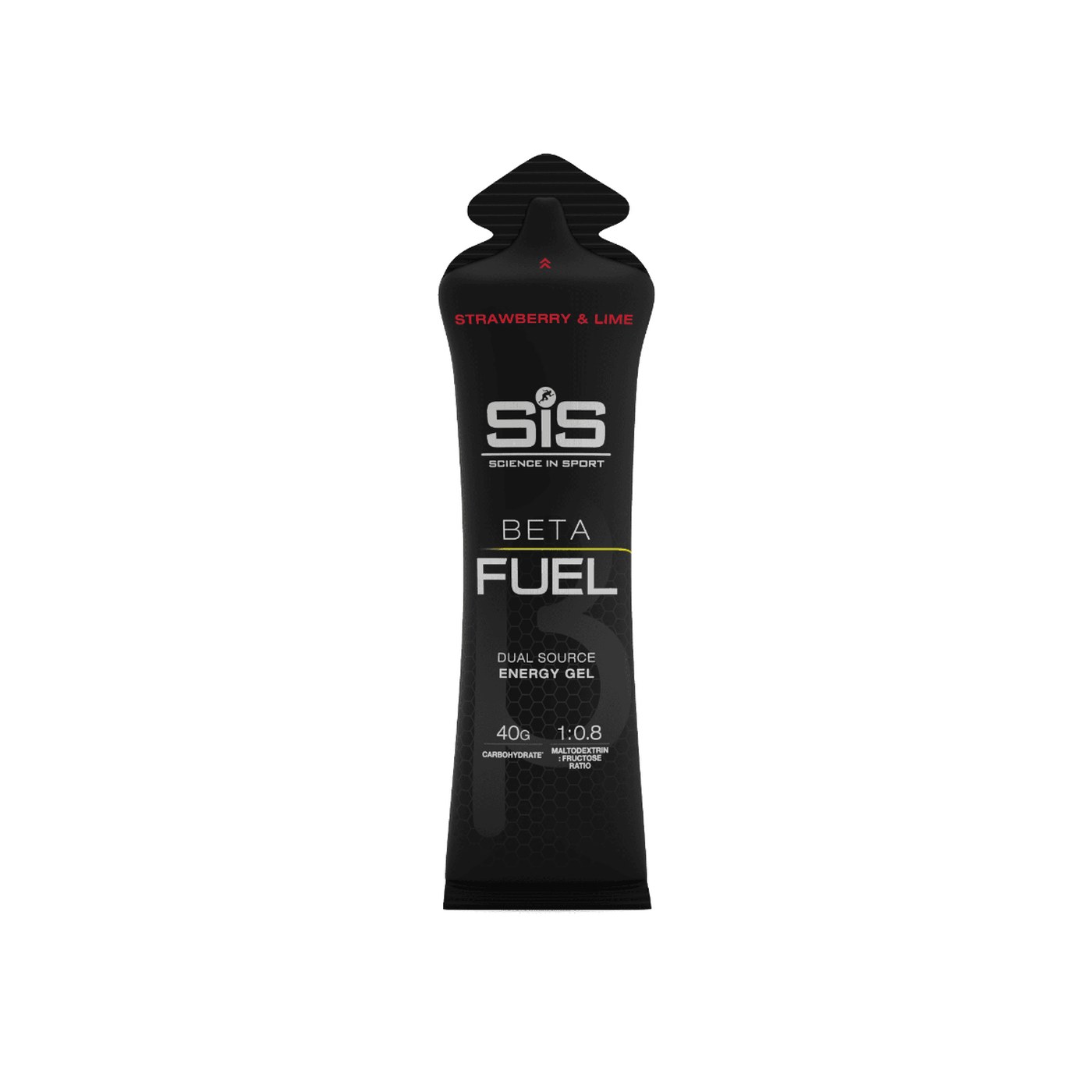
© SiS, official photo used for editorial purposes
Field test: from the marathon to long runs over 3 hours
We tested the Beta Fuel on several long runs lasting 2:30 to 3:30, at easy paces between 5:00 and 5:45/km, and during a full marathon, taking one gel every 40 to 45 minutes. First takeaway: the texture is thicker than a classic gel, so you need a sip of water right after to wash it down, especially late in a race when your mouth is dry.
On the digestion side, we had no major discomfort across all our tests, which confirms the work done on the carb ratio. Taste is more divisive: the Neutral version wins fans because it doesn't get cloying over time, while some runners used to lighter formats find the fruit flavors a little too sweet. It's a recurring point in feedback from long-time users of the range.
RunMorph tip: save the Beta Fuel for runs over 2 hours or long races (marathon, trail, ultra). On shorter distances, a classic gel like the Overstims Coup de Fouet is a better fit and easier to digest.

© SiS, official photo used for editorial purposes
SiS Beta Fuel vs Maurten Gel 160: how to pick the right one
Both gels target exactly the same crowd: runners and cyclists who want to maximize their hourly carb intake on long efforts. The Maurten Gel 160 relies on hydrogel technology that encapsulates the carbs for better digestive tolerance, with a deliberately neutral, barely sweet taste. The SiS Beta Fuel plays the optimized maltodextrin/fructose ratio card and offers a wider range of flavors.
| Criterion | SiS Beta Fuel | Maurten Gel 160 |
|---|
| Carbs | 40 g | 40 g |
| Technology | 1:0.8 maltodextrin/fructose ratio | Hydrogel |
| Texture | Thick, classic | Jelly-like, very neutral |
| Flavors | Wide choice (neutral, orange, red berries...) | Very limited, nearly neutral |
| Caffeine | Caffeinated and caffeine-free versions | Caffeinated and caffeine-free versions |
| Price | €2.29 to €2.99 | Around €3 to €3.50 |
The choice mostly comes down to your taste and your stomach. If you like switching flavors during a long race, the Beta Fuel has the edge. If you want the most neutral option possible, the Maurten keeps a slight advantage. The GU Roctane, with more sodium, remains a solid alternative for efforts in hot weather.
SiS Beta Fuel pros and cons
Pros
40 g of carbs per gel, twice as much as a classic format. Optimized maltodextrin/fructose ratio to limit stomach discomfort. Informed Sport certification reassures tested athletes. Wide choice of flavors and a caffeinated version available. Simplifies fueling logistics on long efforts.
Cons
Higher price per gel than the market average. Thick texture means you need water right after. Some runners find the fruit flavors a little too sweet. Less relevant on short distances, where a classic gel is more than enough.
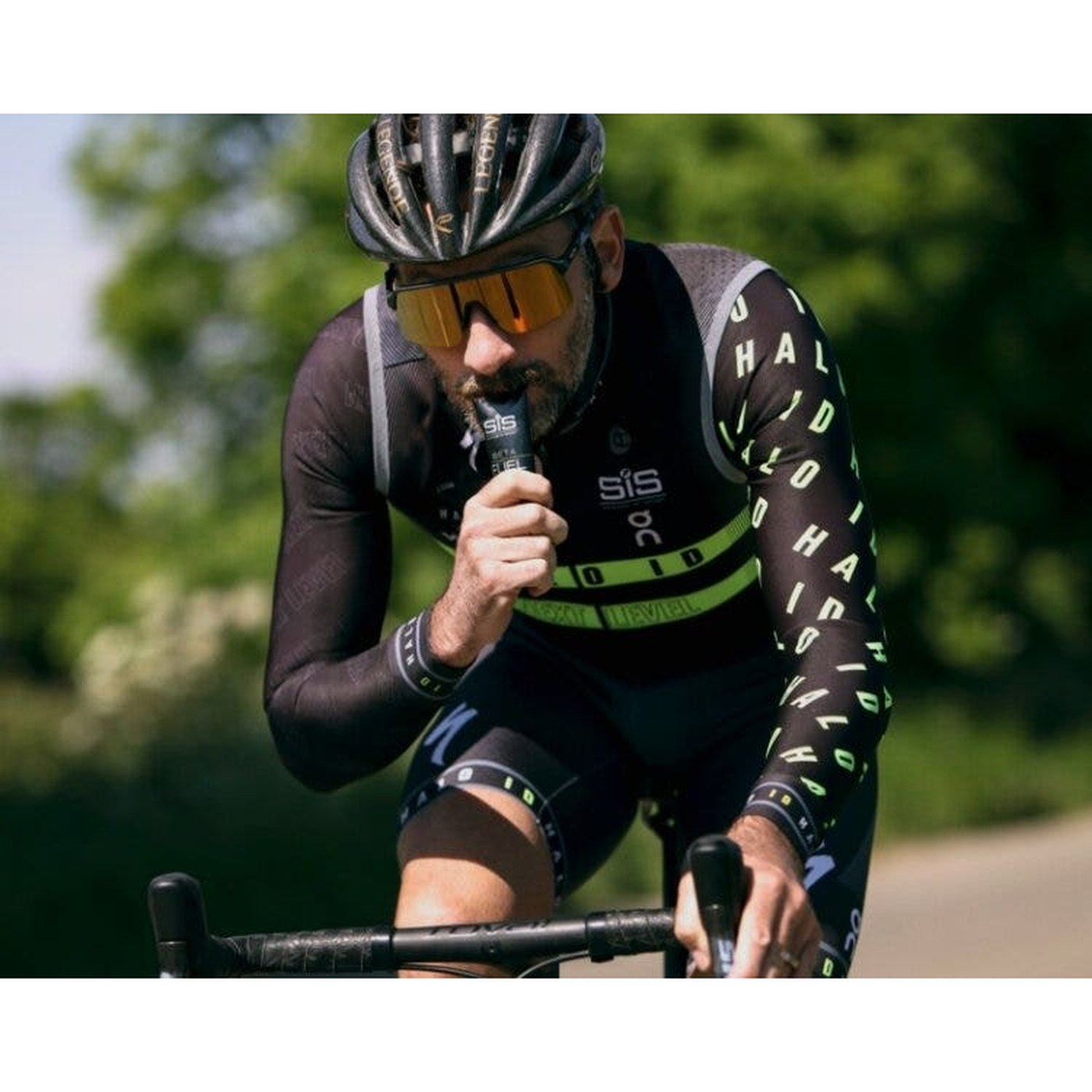
© SiS, official photo used for editorial purposes
Our take from the field: who is it for, and which RunMorph training?
The Beta Fuel fits into a fueling strategy planned ahead for a marathon goal or beyond. It cuts the number of gels you need on a long race while keeping carb intake high, which simplifies race-day logistics. On shorter runs, it offers no decisive advantage over a cheaper classic gel.
If you're training for a marathon or a long trail race, check out the
RunMorph training plans, which include long-run sessions to test and dial in your carb fueling strategy before race day.
RunMorph Coach verdict
The SiS Beta Fuel delivers on its promise of a well-tolerated high-dose gel, with a real practical benefit on efforts over two hours. It doesn't revolutionize the energy gel market, but it smartly fills a niche classic formats had left largely open. Price remains the main drawback for very regular use across long training blocks.
RunMorph verdict: 8/10. A very good pick for marathoners and trail runners who want to simplify their carb fueling, as long as you accept the price and test it in training before race day.