Best Interval Running Shoes 2026 Compared (€100-200)
Intervals are the key to getting faster: they raise your maximal aerobic speed, sharpen your running economy and make you quicker at every distance, from the 5 km to the marathon. But only if you have the right shoe. Too heavy and you drag. Too stiff and you suffer. Too expensive and you regret it. In 2026, the market for interval shoes under €200 is more competitive than ever: PEBA foams, carbon and nylon plates, featherweight builds... At RunMorph, we put the best models through the wringer to help you pick the one that fits your sessions, your feet and your budget.
The RunMorph podium in 3 sentences
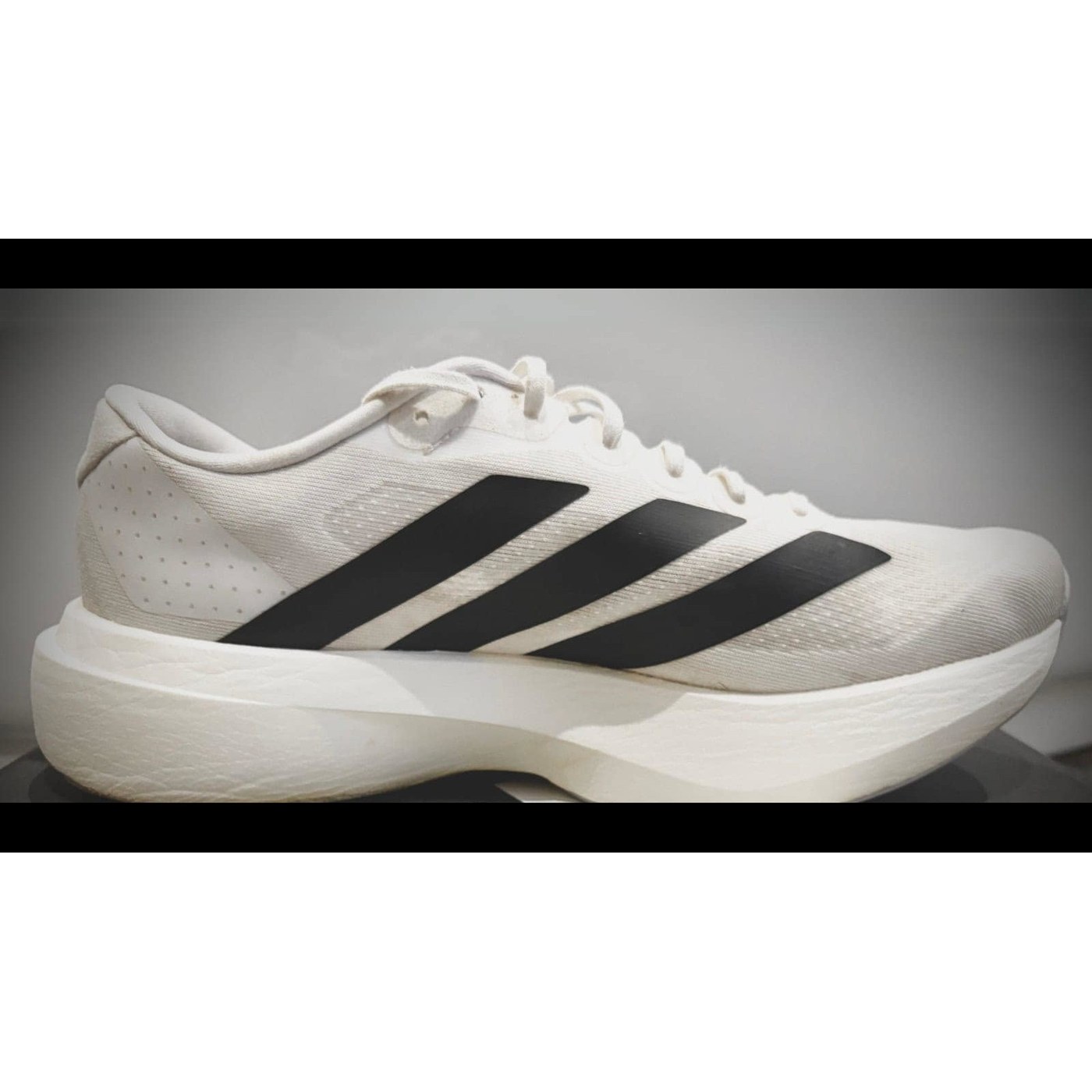
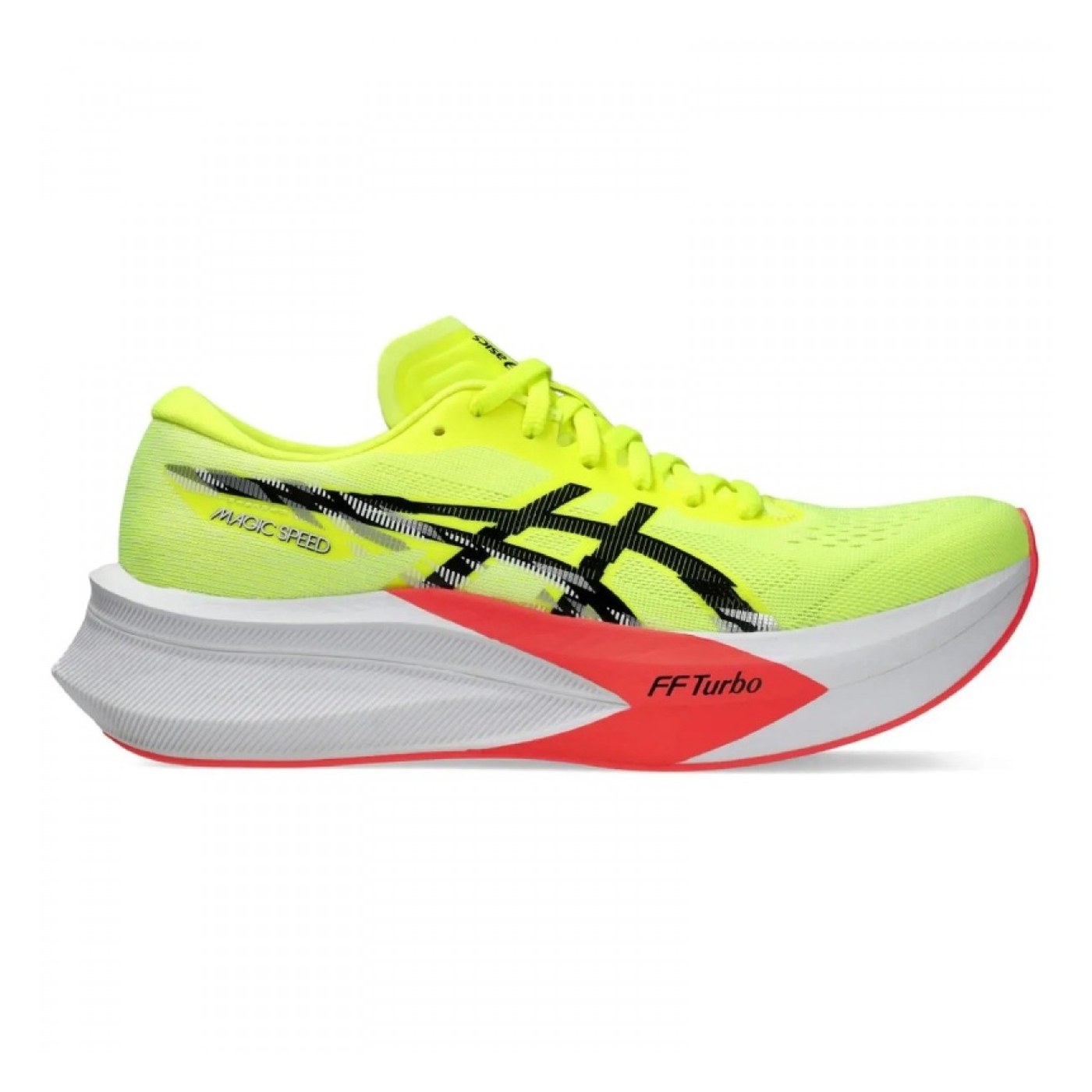
For versatility and unbeatable value for money, the €98 Adidas Adizero EVO SL goes toe to toe with €250 super shoes thanks to its 100% Lightstrike Pro foam. For runners who want carbon without breaking the bank, the €100 Nike Zoom Fly 6 pairs a Flyplate with ZoomX PEBA. And if you want the most explosive track specialist, the 205 g Asics Magic Speed 4 launches you through every rep.
Top Pick for versatility: Adidas Adizero EVO SL (€98)
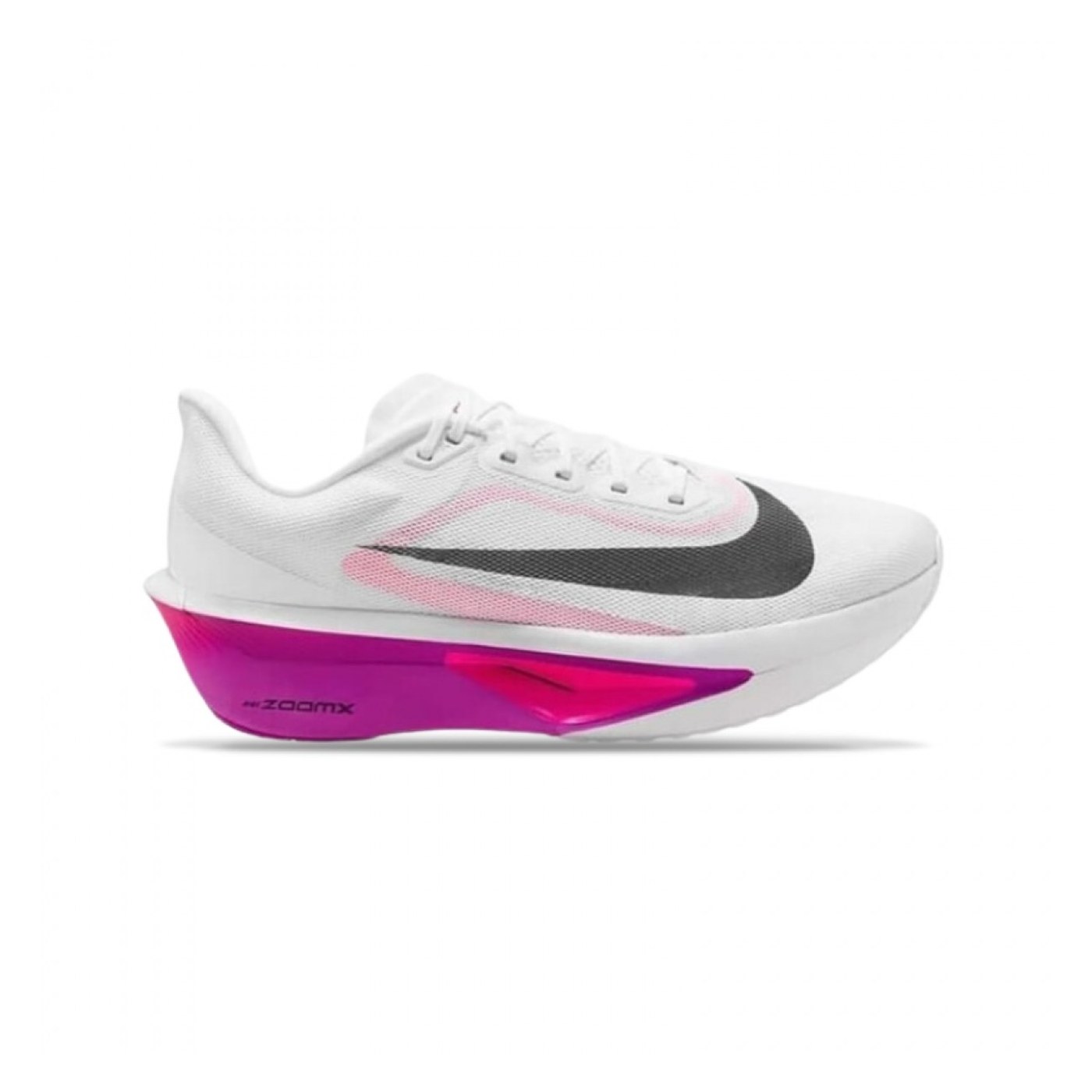
Best affordable carbon shoe: Nike Zoom Fly 6 (€100)
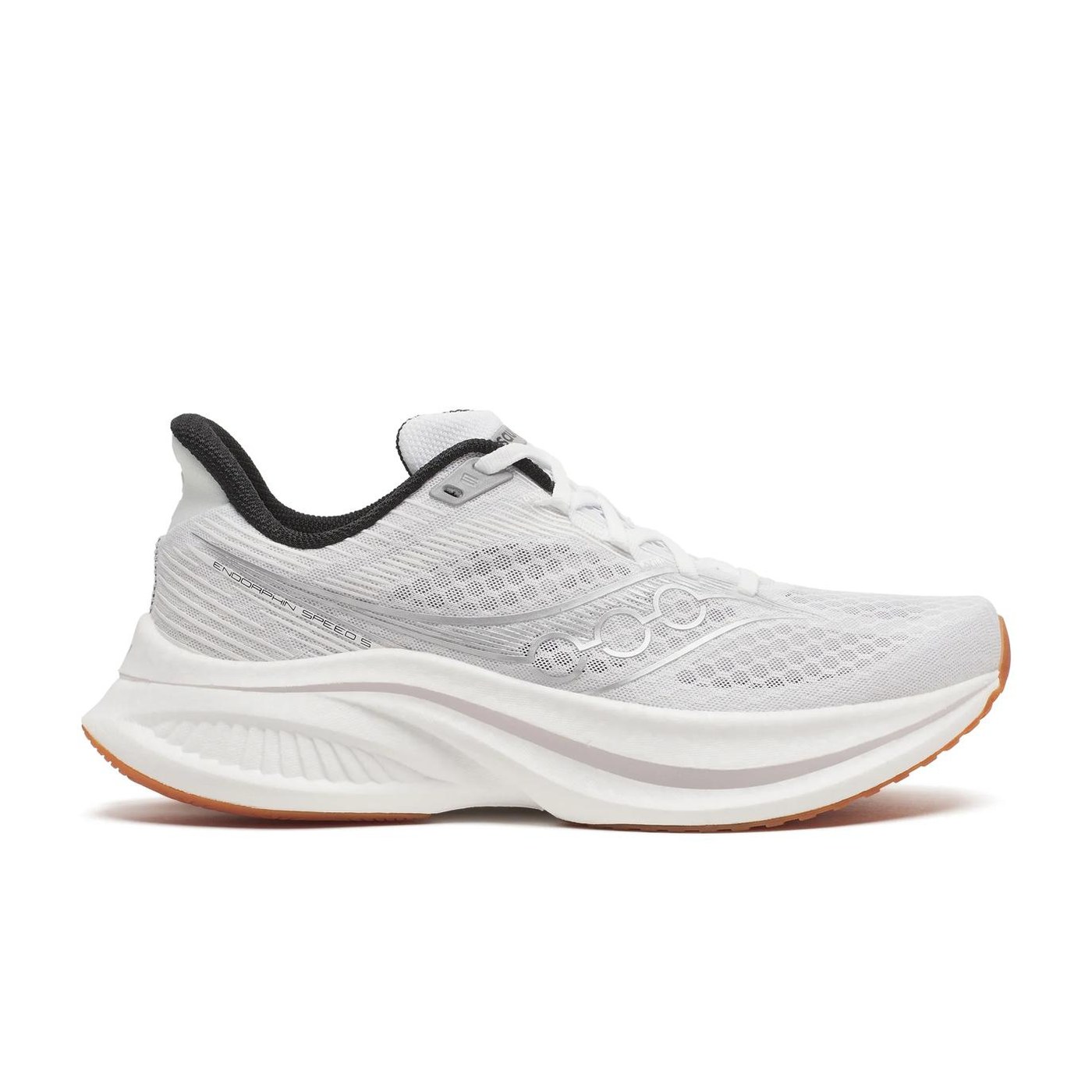
Best super trainer: Saucony Endorphin Speed 5 (€200)
Short interval specialist: Asics Magic Speed 4 (~€180)
How we picked the best interval shoes of 2026
An interval shoe is judged on five criteria that often pull against each other. First, responsive cushioning: PEBA foams (Lightstrike Pro, ZoomX, PWRRUN PB) deliver 67 to 74% energy return, well above classic EVA. Next, weight: aim for under 250 g, ideally under 220 g for short sessions. Then the drop: 4 to 8 mm is the sweet spot for a natural midfoot or forefoot strike when you accelerate. Don't forget the plate: carbon for tempo work and long reps, nylon or no plate at all for short, explosive speed work. Finally, price: we only kept models at or around €200, with a close eye on the deals that make some of them unbeatable.
The EVO SL is the surprise of the year. Its midsole is 100% Lightstrike Pro, the same PEBA/TPEE foam as the €250+ Adios Pro 3, and it delivers 74.3% energy return, which puts it in super shoe territory for just €98 on sale. At 223 g, it all but disappears on your foot. The rocker inherited from the Adios Pro Evo 1 smooths out your stride, and its versatility is stunning: it handles easy runs, tempo and intervals equally well. Weak spots? No carbon plate (so no trampoline effect), average traction (Continental rubber rated 0.40 against a 0.51 average) and limited toe box durability (ultra-thin mesh, scored 1/5). But at €98, it's simply the best value for money in running in 2026.
Saucony Endorphin Speed 5 Best versatile super trainer
At 241 g, the Speed 5 refines the formula: it gains stability and comfort while keeping the signature bounce of its PWRRUN PB foam (supercritical PEBA). The nylon wing plate gives a smoother transition than the previous generation, and the generous cushioning (37/28 mm stack) soaks up big mileage without complaint. As versatile as ever (tempo, threshold, fast easy runs, intervals), it remains the benchmark for runners who want one shoe that does it all. Its €200 price puts it at the top of the budget, but sales often bring it down to around €140-160.
Nike Zoom Fly 6 Best affordable carbon super trainer
With its full-length carbon Flyplate and ZoomX PEBA foam, the Zoom Fly 6 is Nike's knockout price: €100 on sale (RunningXpert) for a genuine carbon super trainer. Its tempo score of 90/100 and outstanding durability (5/5 at the toe box) make it the ideal pick for runners who want one carbon shoe for everything: easy runs, tempo, intervals and even racing. The lab-measured drop runs a touch high (9.6 mm) and the toe box is narrow (90.9 mm), but at €100, it's a steal that puts carbon performance within everyone's reach.
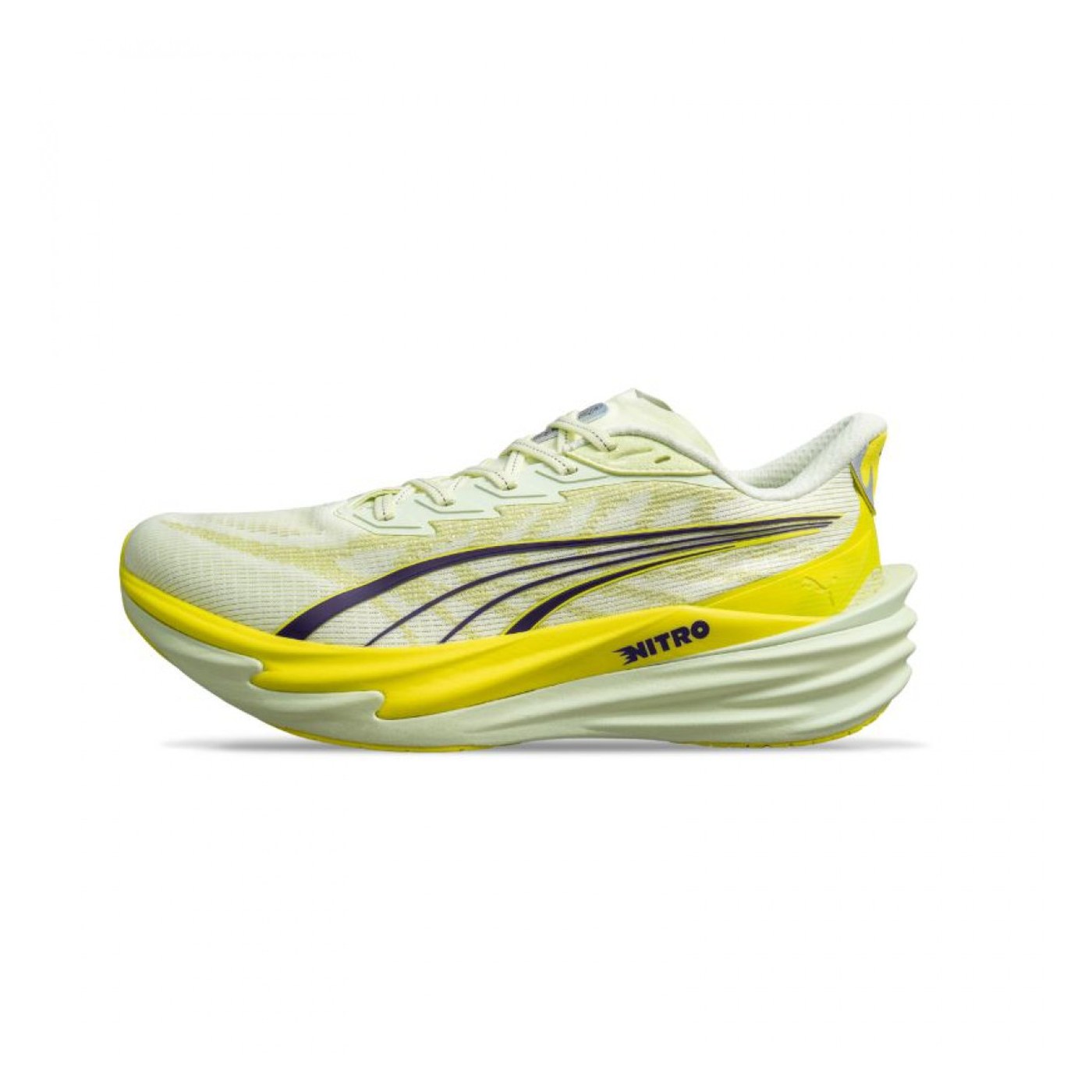
The DN4 pairs a pure PEBA forefoot with a full-length carbon PWRPLATE, all for €110 on sale. With a 7 mm drop and a weight of 247 g, it's built for a midfoot or forefoot strike during intervals. The PUMAGRIP outsole delivers outstanding grip on every surface, and the improved width (compared with the narrow fit of the DN3) makes it suit more feet. It's less versatile than the Zoom Fly 6 (moderate 33.6 mm stack, no rocker) and the plate feels stiff on slow easy runs, but for 400 m-5 km intervals with carbon propulsion, it's one of the best deals on the market.
Asics Magic Speed 4 Short track interval specialist
At 205 g with a 5 mm drop, the Magic Speed 4 rules short intervals on the track. Its full-length winged carbon plate and featherweight build make it the ultimate weapon for reps from 200 m to 5 km: explosive propulsion, maximum agility. It costs half as much as the MetaSpeed Sky (~€360) and still gives you a real carbon plate. Its weaknesses are the flip side of its specialization: firm cushioning (FF Blast+ is less bouncy than ZoomX or Lightstrike Pro), a narrow fit (not for wide feet), limited lifespan (~500-600 km) and rare discounts (expect ~€180). The speed purist's choice.
RunMorph's advice: don't judge an interval shoe on its first 10 km. PEBA foams and plates (carbon or nylon) need a 30 to 50 km break-in before they reach their full potential. During that period, the foam decompresses and the plate adapts to the natural flex of your stride. Our protocol: 5 km warm-up → 10-15 km of relaxed easy running with strides → 20-30 km of light tempo/fartlek → normal full-intensity intervals after 30-50 km. The difference between km 5 and km 40 is striking.
The RunMorph Coach's verdict
In 2026, the market for interval shoes under €200 is unusually competitive. You can find PEBA foams and carbon plates at prices that would have sounded like a fantasy three years ago.
Our overall Top Pick is the Adidas Adizero EVO SL: its 100% Lightstrike Pro foam delivers 74.3% energy return for just €98. It's the best performance-to-price ratio in running in 2026, period. It has no carbon plate, but for versatile interval work, it outclasses everything else at this price.
For the best carbon plate value, go with the Nike Zoom Fly 6 at €100 or the Puma Deviate Nitro 4 at €110. The Zoom Fly 6 is more versatile (tempo 90), while the DN4 has a better-suited 7 mm drop and outstanding grip. Both are steals.
For a versatile super trainer, the Saucony Endorphin Speed 5 (207 g, €120-145) remains the benchmark: fast enough for intervals, comfortable enough for everyday running.
For the track purist, the Asics Magic Speed 4 (205 g, ~€180) is the ultimate weapon for short reps.
Our final advice: build a rotation. If you run more than 50 km/week, don't try to do everything with one pair. Get an EVO SL (€98) for daily runs and tempo, and add a DN4 (€110) or a Magic Speed 4 for pure interval sessions. For under €250, you get two pairs that cover 100% of your needs, an investment that will take minutes off your next race times.
FAQ: your questions about interval shoes
Can an interval shoe work for a marathon?
Yes and no. A shoe like the Saucony Endorphin Speed 4 or the Nike Zoom Fly 6 is versatile enough to handle a marathon if you're chasing a fast time: their plate and PEBA foam strike a good balance between cushioning and propulsion over the distance. A very race-oriented model like the Asics Magic Speed 4 (ultra-light, minimal cushioning), on the other hand, will be uncomfortable over 42 km. If you can only keep one, pick a versatile super trainer (EVO SL, Zoom Fly 6). If you want two pairs, specialize: a light one for intervals, a more cushioned one for the marathon.
Do you really need a carbon plate for intervals?
No, and it can even backfire in some sessions. A carbon plate shines on sustained, continuous efforts (threshold, tempo, 1000 m repeats) where its stiffness stores and returns energy. But on very short reps (200-300 m, hill sprints), it can interfere with your natural stride. The Saucony Endorphin Speed 4 (nylon plate) is an excellent compromise: more flexible than carbon, it gives you support without excessive stiffness. Verdict: a carbon plate for 800 m to 1 km reps, no plate or nylon for short speed work.
What's the difference between an interval shoe and a daily trainer?
It comes down to three words: weight, responsiveness, comfort. An interval shoe aims for the lowest possible weight (190-260 g) with a highly responsive foam (PEBA) that returns energy. It gives up some comfort and durability to gain speed. A daily trainer, by contrast, puts maximum cushioning and durability first, with a weight of 280-320 g and denser foams (EVA, TPU). If 80% of your volume is endurance running, keep a comfortable pair for those runs and invest in a dedicated interval pair for your key sessions.
Can you use an interval shoe on both the track and the road?
Yes. All 5 models in our selection are designed for the road and work very well on a synthetic track. They're fast training shoes, not racing spikes. One caveat: the Asics Magic Speed 4 has a fairly thin sole that can transmit more vibration on a hard track. The Puma Deviate Nitro 4, by contrast, with its PUMAGRIP outsole, is very comfortable on both surfaces. Just steer clear of trails and technical paths.
Key takeaways for your interval gear
Two key numbers: weight < 250 g, drop 4-8 mm. They're the foundation of a good interval shoe.
Carbon vs nylon plate: carbon for tempo and long reps, nylon or no plate for short speed work.
The best deal: the €98 Adidas Adizero EVO SL delivers 74.3% energy return, the best performance-to-price ratio on the market.
Don't put all your eggs in one basket: rotate between a fast shoe and a daily trainer to preserve the plate and the foam.
Deals: 2026 interval models are often found 30-50% below MSRP. Watch prices at RunningXpert, i-Run, Hardloop and Sports Direct.
💡
Coach's tip: the right pace to break in an interval shoe
Your new pair just arrived. You want to head straight out for your all-out 10×400 m session, and that's normal. But it's a very bad idea.
PEBA foams (Lightstrike Pro, PWRRUN PB, ZoomX) and plates need a 30 to 50 km break-in before they reach their full potential.
Our protocol:
5 km: warm-up + very easy run to get a feel for the plate
10-15 km: relaxed easy run + progressive strides
20-30 km: start tempo sessions or light fartlek
30-50 km: normal full-intensity intervals
You'll feel the difference between kilometer 5 and kilometer 40. The shoe becomes more flexible, bouncier and natural underfoot.
How to bring your new shoe into your RunMorph training
You don't discover an interval shoe on the day of your key session. Rotate it with your daily trainer for the first few weeks, respect the break-in and learn to pace your effort: a light shoe makes you want to speed up even when you should be recovering.
Whether you're training for a 10K, a half marathon or a marathon, the RunMorph training plans include interval sessions tailored to your goal and your gear, so you never leave time on the clock.