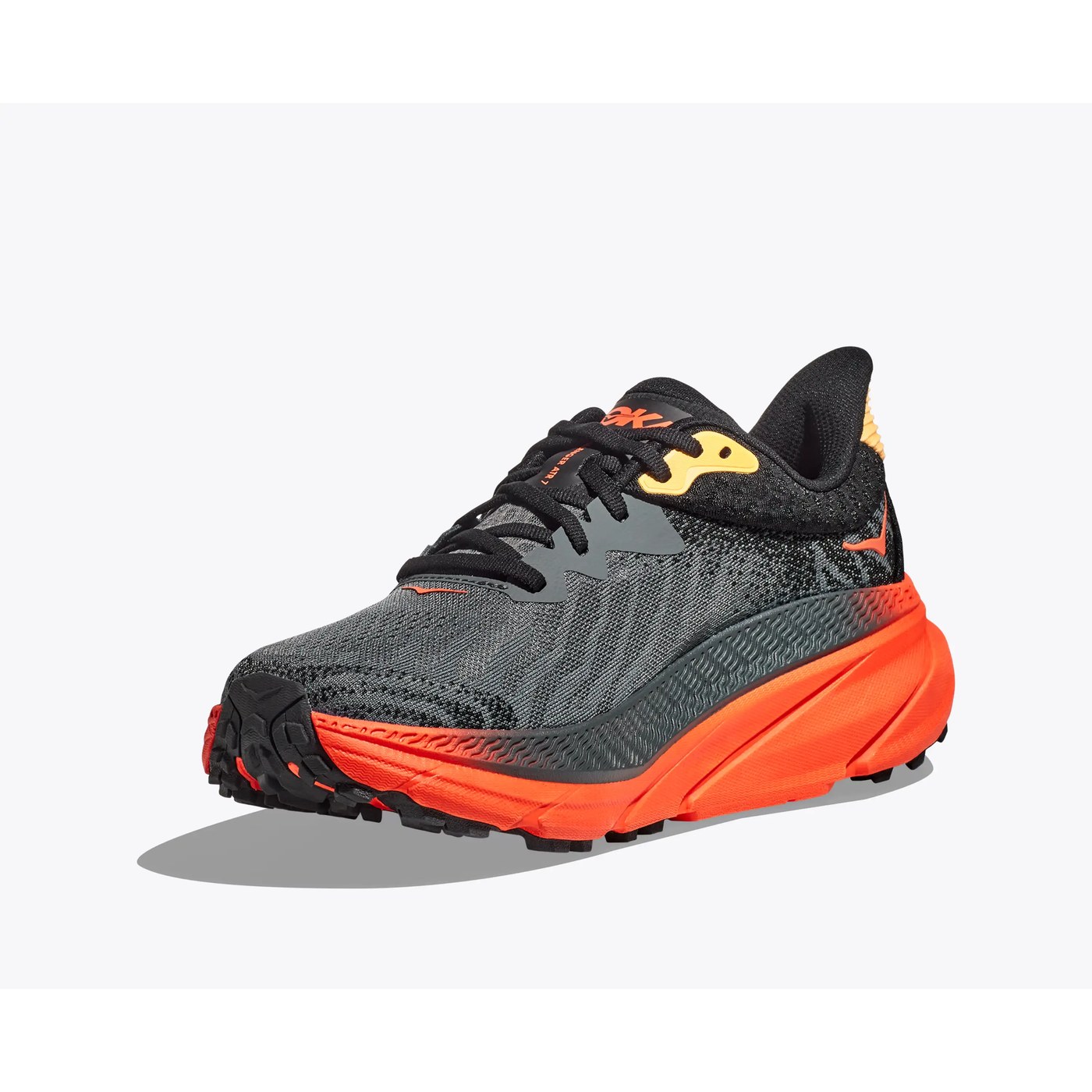
Looking for one shoe that handles your Sunday long run on the road and your weekend intro trail run? The Hoka Challenger 7 is exactly the versatile Swiss Army knife plenty of runners are after. Here's our full review, from the RunMorph Coach's point of view.
Hoka Challenger 7 Review: A Trail Shoe That Owns the Road Too
Hoka Challenger 7: versatile and proud of it
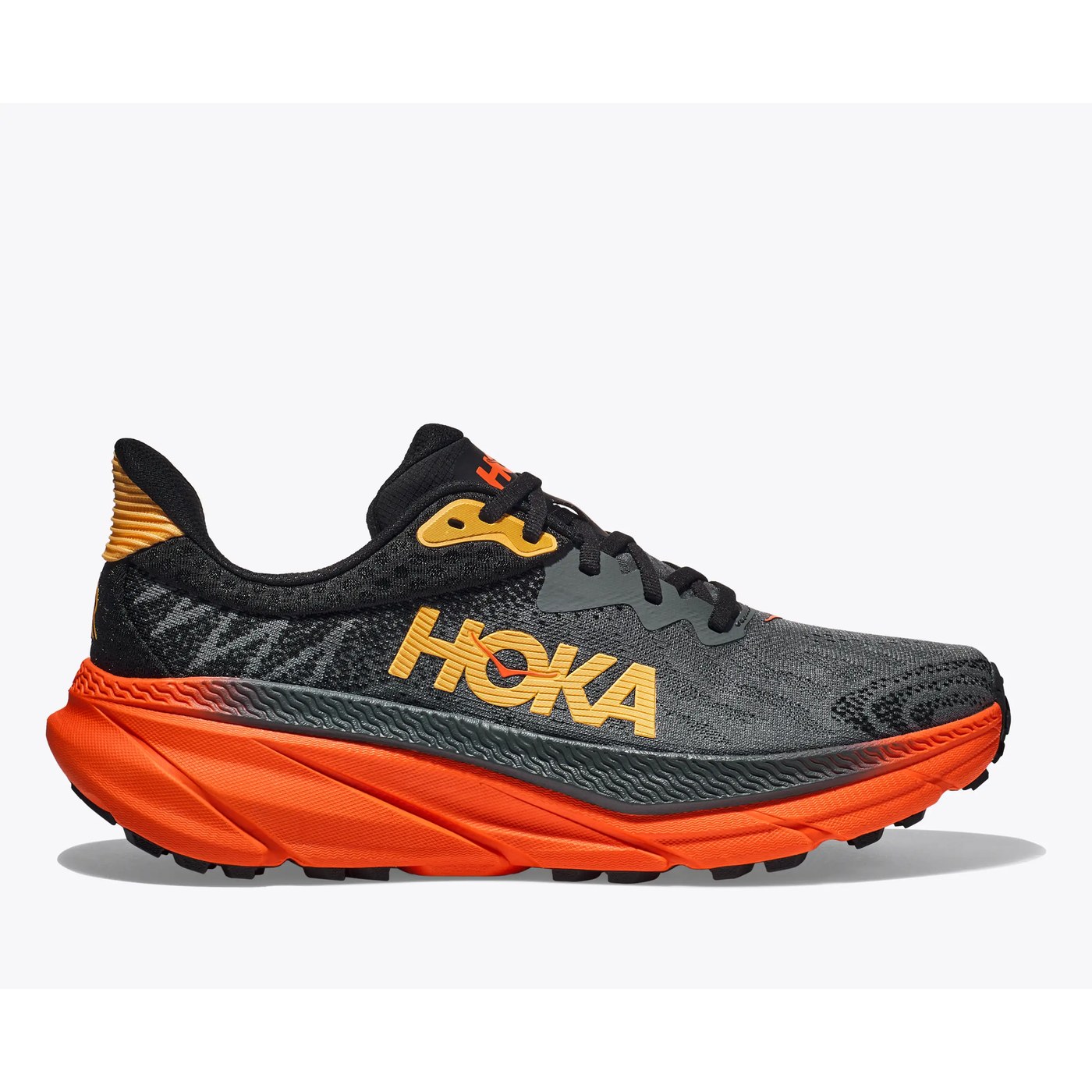
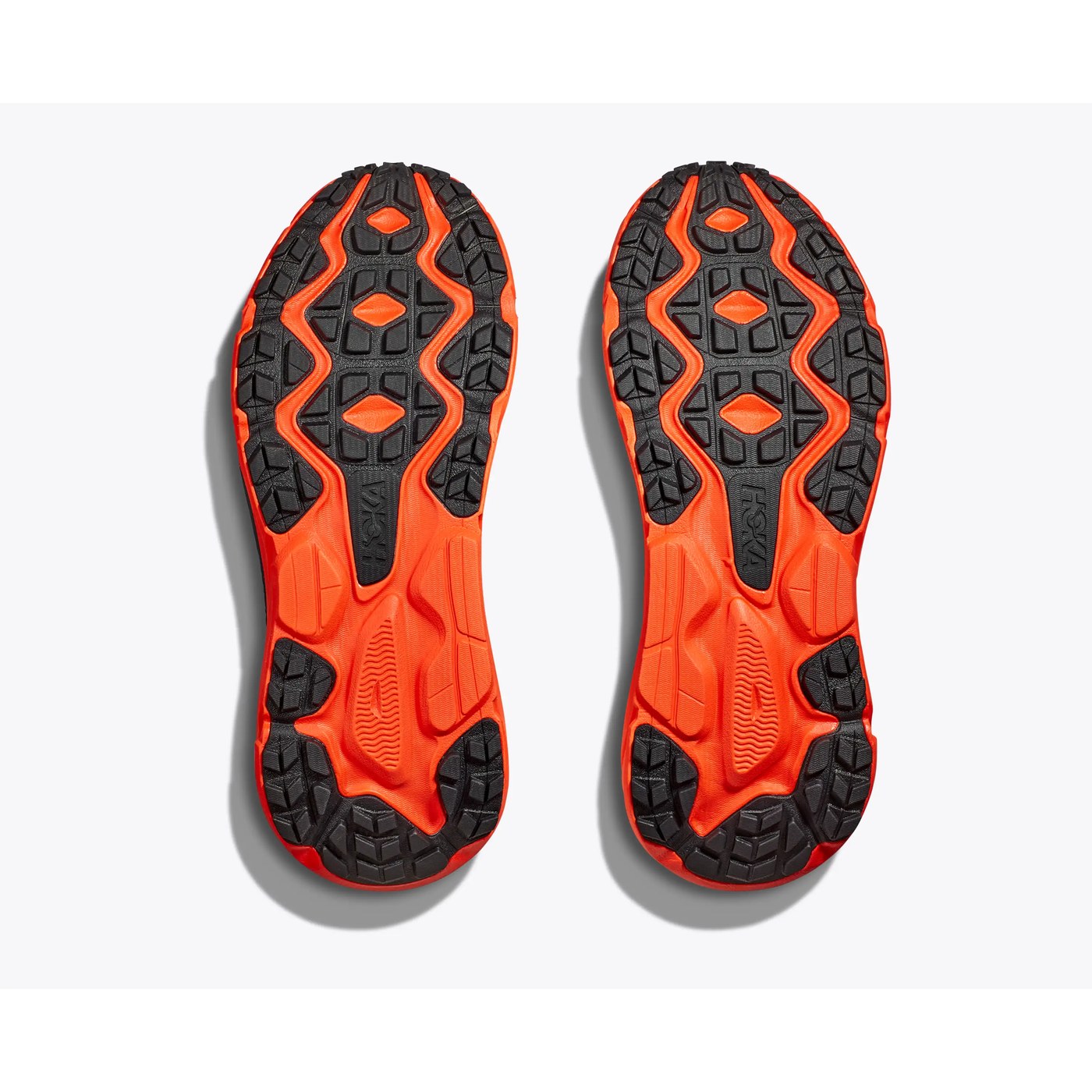
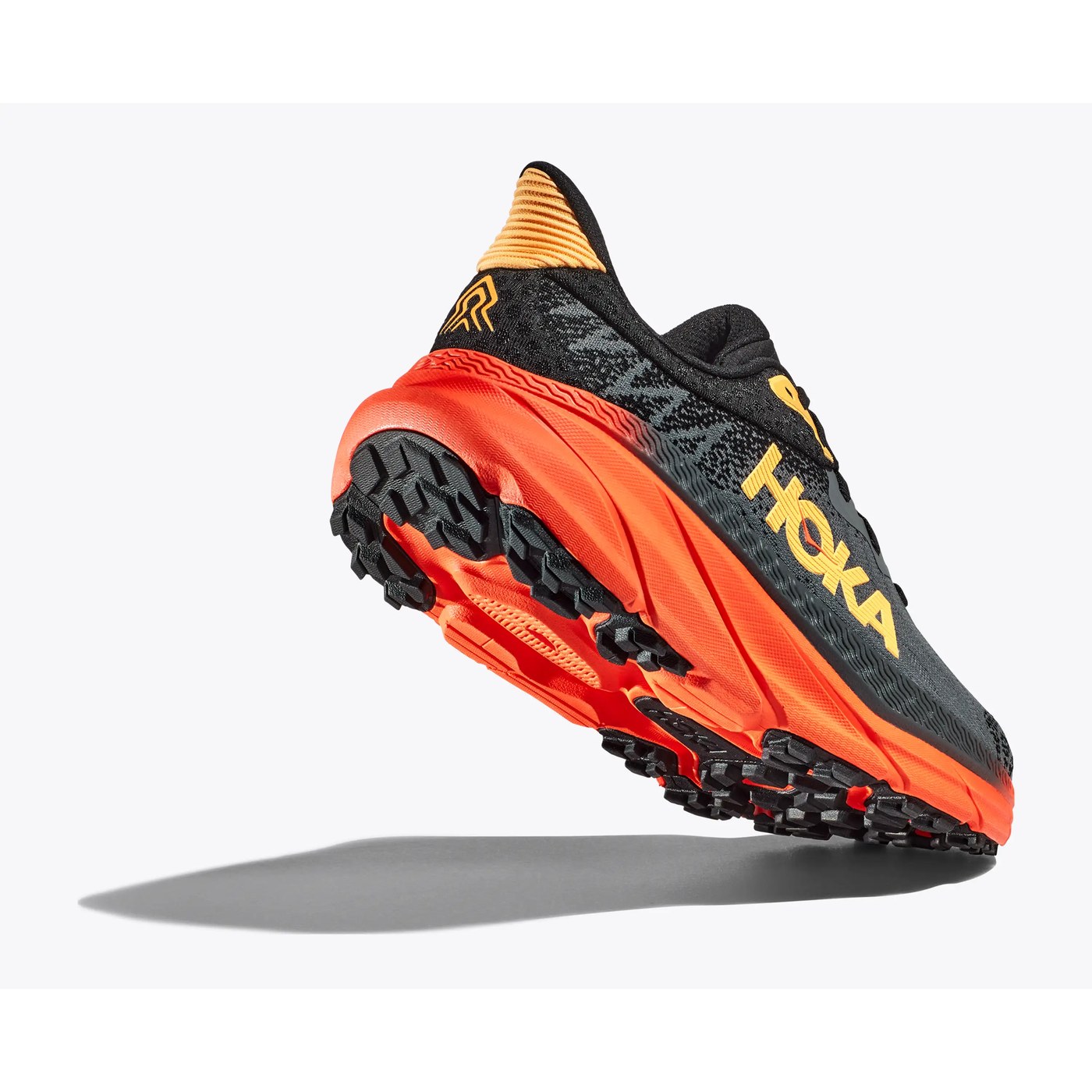
The Hoka Challenger remains one of the undisputed benchmarks in the road-to-trail category. With this seventh version, Hoka doubles down on its hybrid DNA: the brand's signature max cushioning, an outsole with enough lugs for gravel paths and runnable singletrack, and transitions smooth enough to eat up the paved stretches.
As a coach, I recommend it every time to runners who don't want to stack up pairs. If your typical weekend mixes an urban long run with an intro trail run on Sunday, the Challenger 7 saves you from juggling two shoes.
RunMorph's advice: the Challenger is not a technical trail shoe. Beyond 1500 m of elevation gain or on rough, broken trails, look instead at the Hoka Speedgoat 7 or the Salomon Speedcross 6, which give you better grip and protection.
Objective technical data
Here are Hoka's official numbers and the measurements consolidated by international testing labs:
- Drop: 5 mm
- Stack height: 31 mm forefoot / 36 mm heel
- Weight: 286 g (EU 42)
- Foam: compression-molded CMEVA (medium density, durability above the Hoka average)
- Lugs: 4 mm, Durabrasion outsole
- Upper: breathable engineered mesh with welded overlays
- Retail price: €145
Lab measurements confirm a foam hardness of 24 HA (medium-soft), close to a Hoka Clifton 10 but with radically different traction. The geometry stays true to Hoka's MetaRocker: no explosive propulsion, but a smooth ride that spares your calves over the long haul.
Who is the Challenger 7 for?
The versatile road/trail runner (target #1)
If you log 80% of your volume on the road but like to slip in one nature run a week, the Challenger 7 is your Swiss Army knife. The 4 mm lugs barely get in the way on dry pavement, and the CMEVA foam soaks up long distances without packing out too early.
The comfort-first trail runner (target #2)
For newer trail runners who put max cushioning ahead of technical precision, the Challenger 7 feels more welcoming than a Salomon Sense Ride 5 on runnable trails. You can stack up the hours without discomfort, as long as you stick to moderate terrain.
The road runner moving to trail (target #3)
This is the ideal shoe if you come from the road and want to try trail without breaking the bank or scaring yourself. The feel stays familiar (Hoka foam, rocker), but the traction keeps you secure in the woods and on muddy paths.
© Hoka, official photo used for editorial purposes
Comparison: Challenger 7 vs the competition
In the road-to-trail segment, the Challenger 7 faces several serious rivals. Here's how I rank them:
- vs Salomon Sense Ride 5: the Sense Ride is more technical and more precise on rugged trails. The Challenger 7 is more comfortable on the road and over long distances.
- vs Asics Trabuco Max 5: the Trabuco Max goes even more maximalist for ultra comfort. The Challenger 7 feels livelier in transitions.
- vs Saucony Peregrine 16: the Peregrine is a true technical trail shoe with aggressive lugs. The Challenger 7 leans toward comfort and road versatility.
- vs Hoka Mach 7: the Mach 7 is a pure road shoe, livelier, with no trail traction. If you never run on dirt, get the Mach.
- vs Mount to Coast H1: lighter (242 g vs 286 g), with bio-based CircleCELL foam and TUNEDFIT; worth a look if you want a light hybrid profile with better durability, at €170.
© Hoka, official photo used for editorial purposes
How to fit it into your RunMorph training plan
Here's my concrete recommendation for using this shoe in your build-up:
- Mixed long run (road + trail): the Challenger 7's natural playground. Ideal for 1:30 to 2:30 hour runs where you go back and forth between asphalt and trails.
- Recovery easy run on natural terrain: the comfortable foam and moderate grip protect you when you run tired after a hard session.
- Intro trail run or short nature race (up to 25 km) on non-technical terrain.
- Avoid: intervals (the foam lacks responsiveness) and long technical trail runs (not enough lateral protection).
If you're preparing for a nature race or an intro trail race, work the Challenger 7 into your RunMorph training plan from the first weeks so your feet get used to the terrain. The switch from road to trail is one of the leading causes of injury (ankle, plantar fascia), and alternating surfaces in a suitable shoe like the Challenger 7 cuts that risk.
© Hoka, official photo used for editorial purposes
The RunMorph Coach's verdict
The Hoka Challenger 7 is an honest shoe: no revolution, but no major flaw either. Hoka refines its formula year after year: comfort, durability, versatility. If you want a single pair for 70% of your runs (road + light trails), it's probably the best buy in this segment in 2026.
Value for money is solid at €145, especially given the average durability we've seen reported (700 to 900 km, based on feedback from French-speaking testers and the international lab consensus).
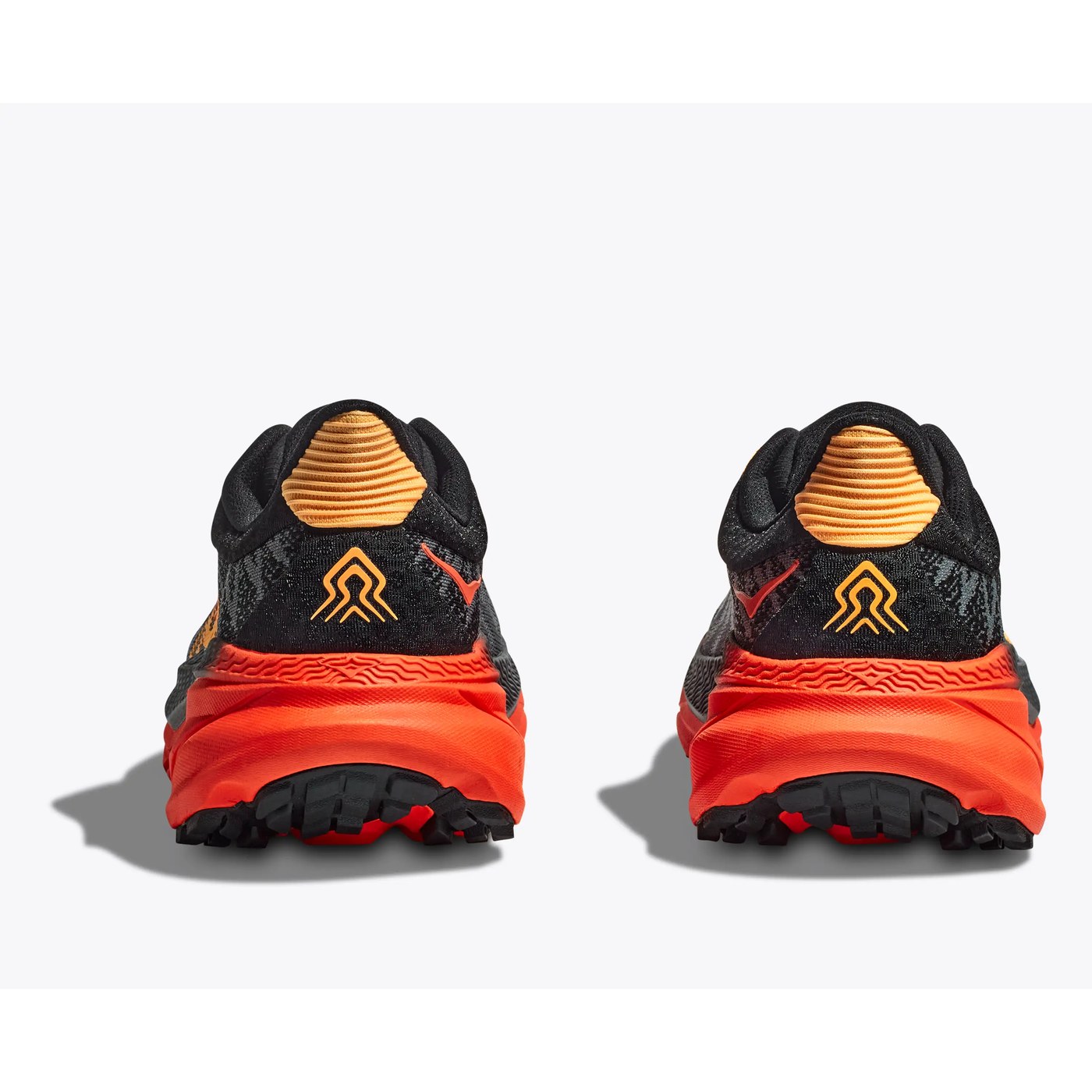
© Hoka, official photo used for editorial purposes
Key takeaways for your training
- Road + trail versatility, fully owned: THE model's main strength
- Max cushioning true to Hoka's DNA, ideal for long runs
- Limits on technical trails (beyond 1500 m of elevation gain or on broken terrain)
- Excellent choice for moving from road to trail
- Durability of 700-900 km depending on your profile
- Pair it with a progressive RunMorph plan if you're new to trail