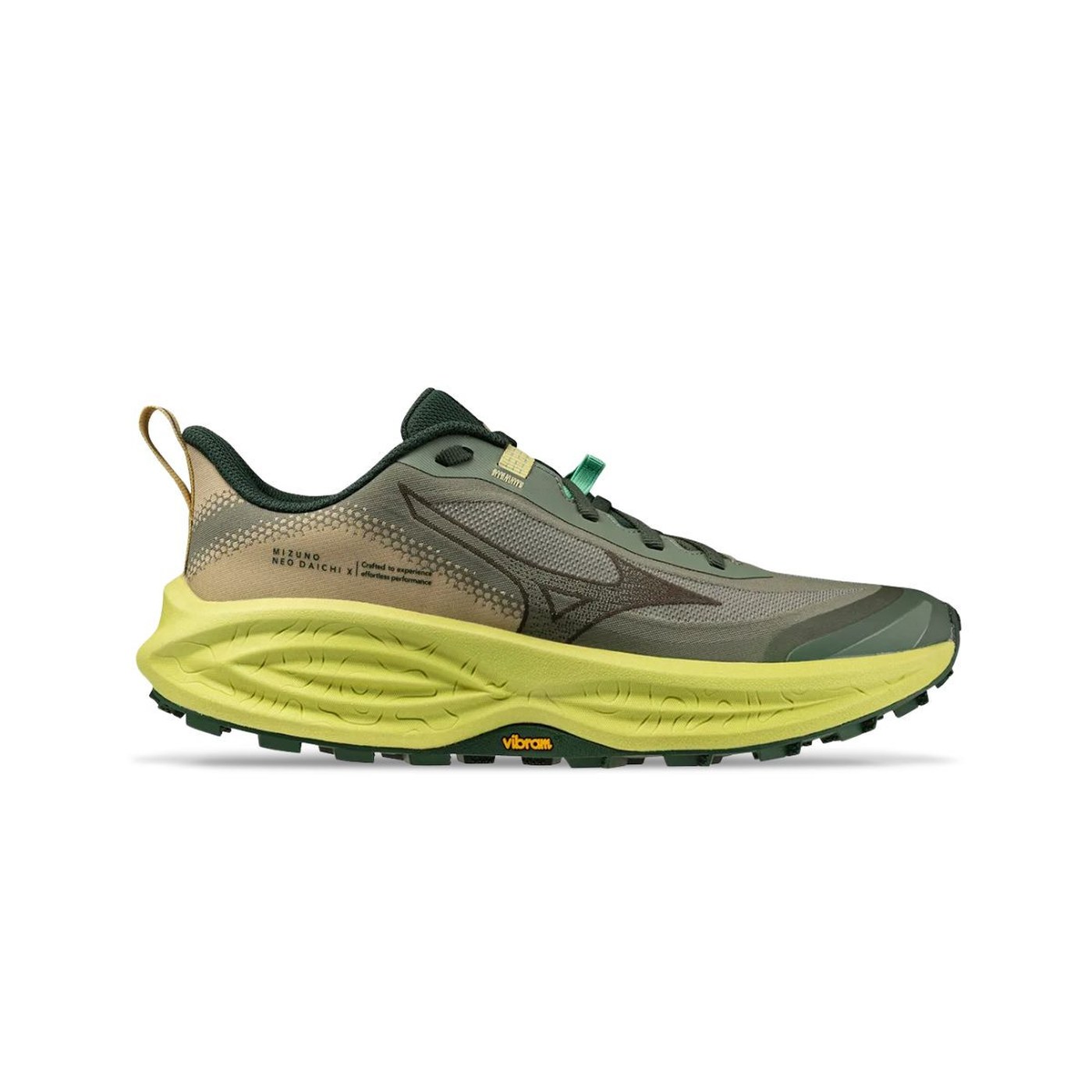
Mizuno is renaming its technical trail line: the Wave Daichi becomes the Neo Daichi X, with a completely reworked midsole. Releasing mid-July 2026, the shoe targets mountain trail running from 0 to 50 km, with Vibram Megagrip grip and a list price of 150 €. At RunMorph, the team compared the technical specs and the field feedback available to position this new generation against the previous one.
© Mizuno, official photo used for editorial purposes
Mizuno Neo Daichi X: A Name Change That Hides a Platform Change
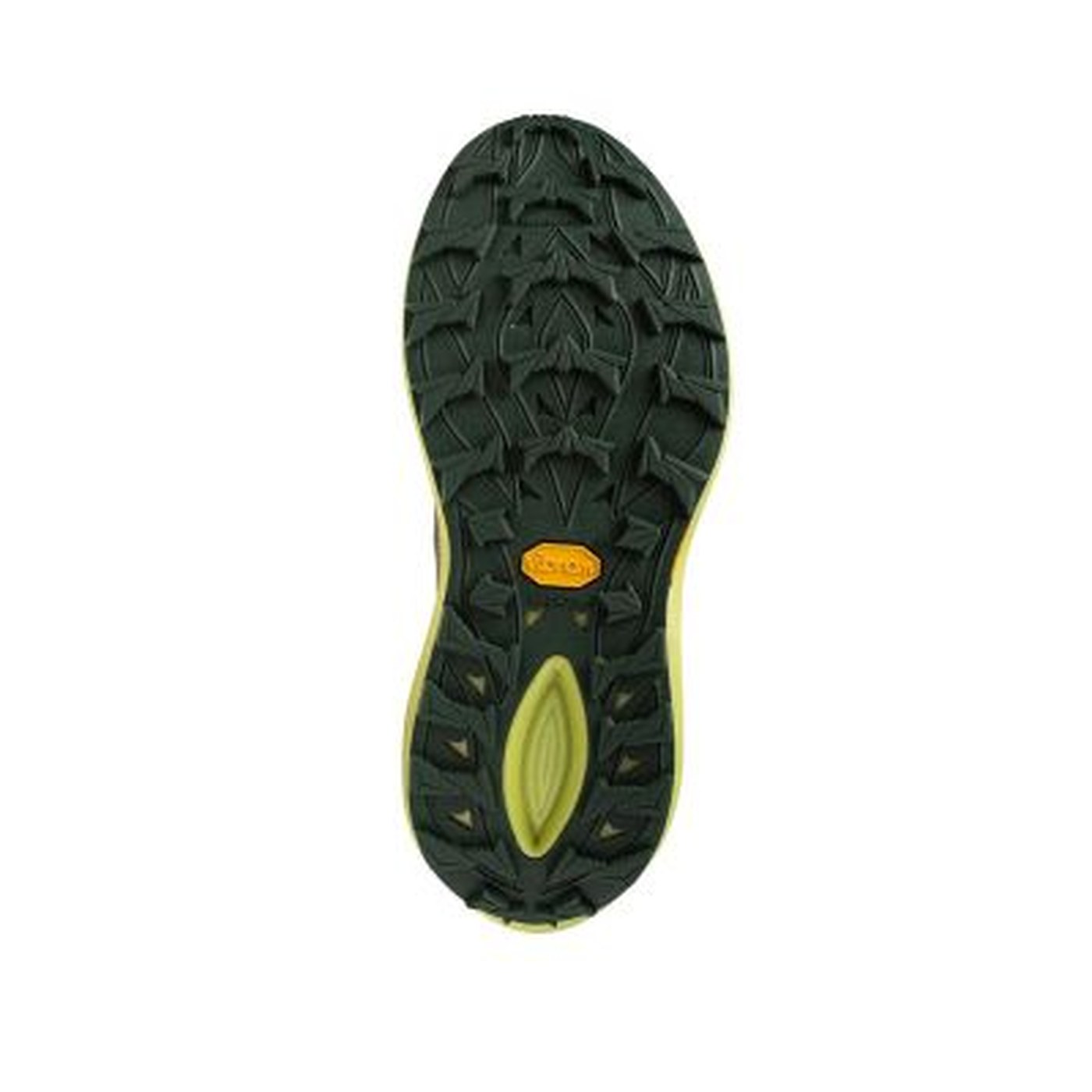
Mizuno is releasing the Neo Daichi X in mid-July 2026, as a direct replacement for the Wave Daichi 9. The name change, from Wave to Neo, signals something deeper than a simple facelift: the brand now runs its Enerzy NXT foam the full length of the sole and adds roughly 3 mm of stack height over the previous generation. The shoe still targets technical mountain trail running, with a Vibram Megagrip outsole and 4 mm lugs designed for grip on loose and rocky terrain.
RunMorph's advice: don't confuse the Neo Daichi X with the Mizuno Neo Daichi 10, a road model from the same family. If you're after a pair for the mountains, the X is the right pick; for the road, stick with the 10. Also compare it with the Hoka Speedgoat 7, the benchmark in this segment.
Who Is the Mizuno Neo Daichi X For?
The technical mountain trail runner
On rocky trails and scree, the Vibram Megagrip grip and 4 mm lugs deliver reliable traction, confirmed on both dry and wet ground. This is the Neo Daichi X's natural habitat, the terrain where the forefoot rock plate fully earns its place.
The runner who racks up long runs on rough terrain
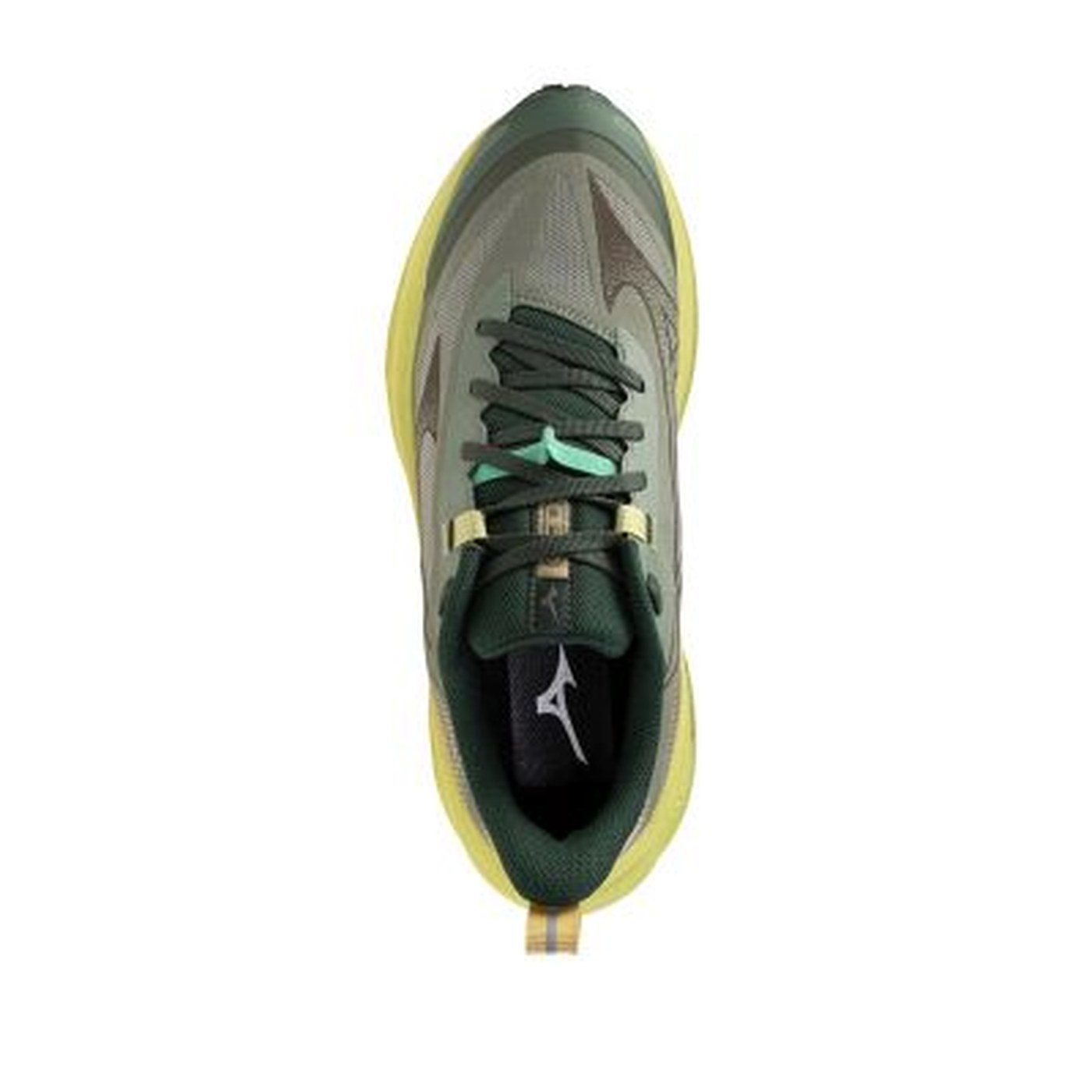
The Enerzy NXT foam running the full length of the sole delivers cushioning that several reports rate above the Wave Daichi 9's, a real plus on a multi-hour run with plenty of elevation gain. At 290 g, the weight is solid for the category without chasing extreme lightness.
The loyal Mizuno runner who wants a trail shoe in the lineup
For a runner already used to Mizuno's road fit, the Neo Daichi X lets you stay with the same brand for technical trail, with a build that feels similarly comfortable overall, while gaining the protection and grip suited to the mountains.
© Mizuno, official photo used for editorial purposes
The Field Test
At RunMorph, the team cross-checked multiple field reports on the Neo Daichi X, especially on muddy and rocky trails. The grip is unanimous: the 4 mm lugs bite effectively into soft ground, and the Megagrip rubber holds its traction even on wet rock, a point confirmed by testers who compared the pair to the previous generation.
The forefoot rock plate protects effectively against impacts on scree, without adding excessive stiffness to the flex. The fit is described as comfortable, staying warm-weather-friendly even at high temperatures without feeling stifling, a point appreciated for summer runs in the mountains.
The point to watch is stability on technical descents. The 3 mm increase in stack height over the Wave Daichi 9 translates into a slightly higher center of gravity, which you feel on fast descents across sidehill or diagonal terrain. Nothing that rules it out, but a trail runner used to very low, close-to-the-ground shoes will notice the difference versus the previous generation.
Pros
- Reliable Vibram Megagrip grip on both dry and wet terrain
- Effective rock plate without excess stiffness
- Enerzy NXT foam more comfortable than the previous generation
- Fit that stays comfortable in the heat on summer runs
Cons
- Slightly reduced stability on diagonal descents
- 290 g weight, a bit high for the technical trail category
- Higher stack height, less ground feel than the Wave Daichi 9
Mizuno Neo Daichi X vs Hoka Speedgoat 7: The Comparison
The Hoka Speedgoat 7 stays lighter, at 275 g versus 290 g, with a 5 mm drop close to the Mizuno's. Both shoes rely on Vibram grip, but the Speedgoat 7 keeps better ground contact despite its own cushioning gains, which makes it slightly more stable on technical descents. The Neo Daichi X makes up for it with a more pronounced rock plate and a comparable launch price.
| Spec | Mizuno Neo Daichi X | Hoka Speedgoat 7 |
|---|
| Weight | 290 g | 275 g |
| Drop | 6 mm | 5 mm |
| Stack height | about 36 mm / 30 mm | 37 mm |
| Outsole | Vibram Megagrip 4 mm | Vibram Megagrip |
| Price | 150 € (119,90 € on sale) | 165 € (112 € on sale) |
Up Against the Competition
Against the Hoka Speedgoat 7, the segment's undisputed benchmark, the Neo Daichi X holds its own on grip but gives up some ground on descent stability. Against the Hoka Tecton X 4, more race-oriented with its dual carbon plate, the Mizuno sticks to a more versatile, accessible positioning, without chasing pure race performance.
How to Fit It Into Your RunMorph Training Plan
For trail training, the Neo Daichi X earns its place on the long technical-terrain runs scheduled in the RunMorph trail program, especially on mixed muddy and rocky routes where Vibram grip makes the difference. Save very fast, technical descents for a lower-profile pair if sidehill stability is your priority.
© Mizuno, official photo used for editorial purposes
The RunMorph Coach's Verdict
The Mizuno Neo Daichi X pulls off its transition from the Wave Daichi 9, with Vibram Megagrip grip that impresses on every terrain tested and a rock plate that protects effectively without weighing down the flex. The 3 mm gain in stack height costs a bit of stability on technical sidehill descents, a trade-off worth knowing before you buy. At 150 €, found from 119,90 € at French retailers, it remains a solid option for versatile mountain trail running. RunMorph Coach score: 8,2/10.