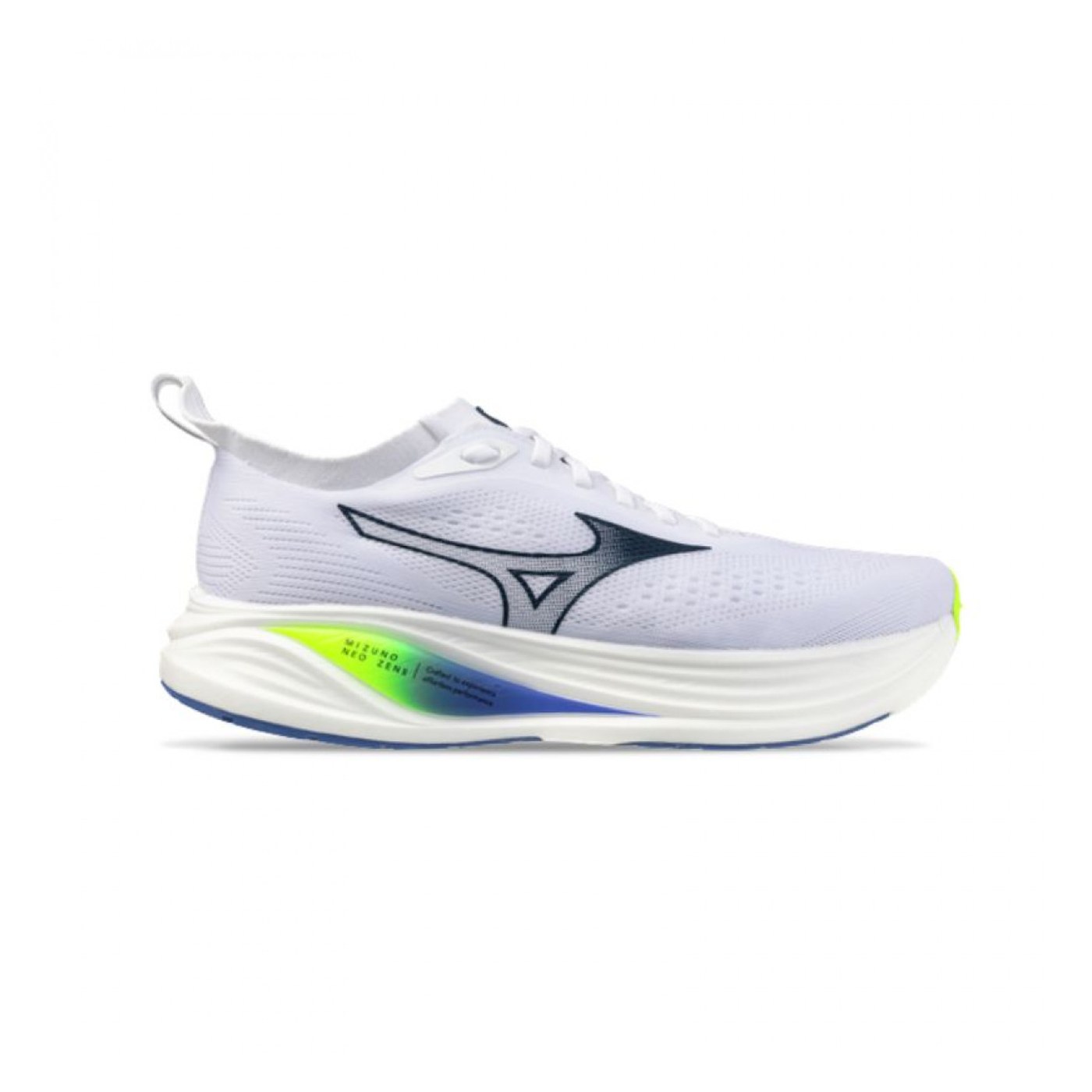
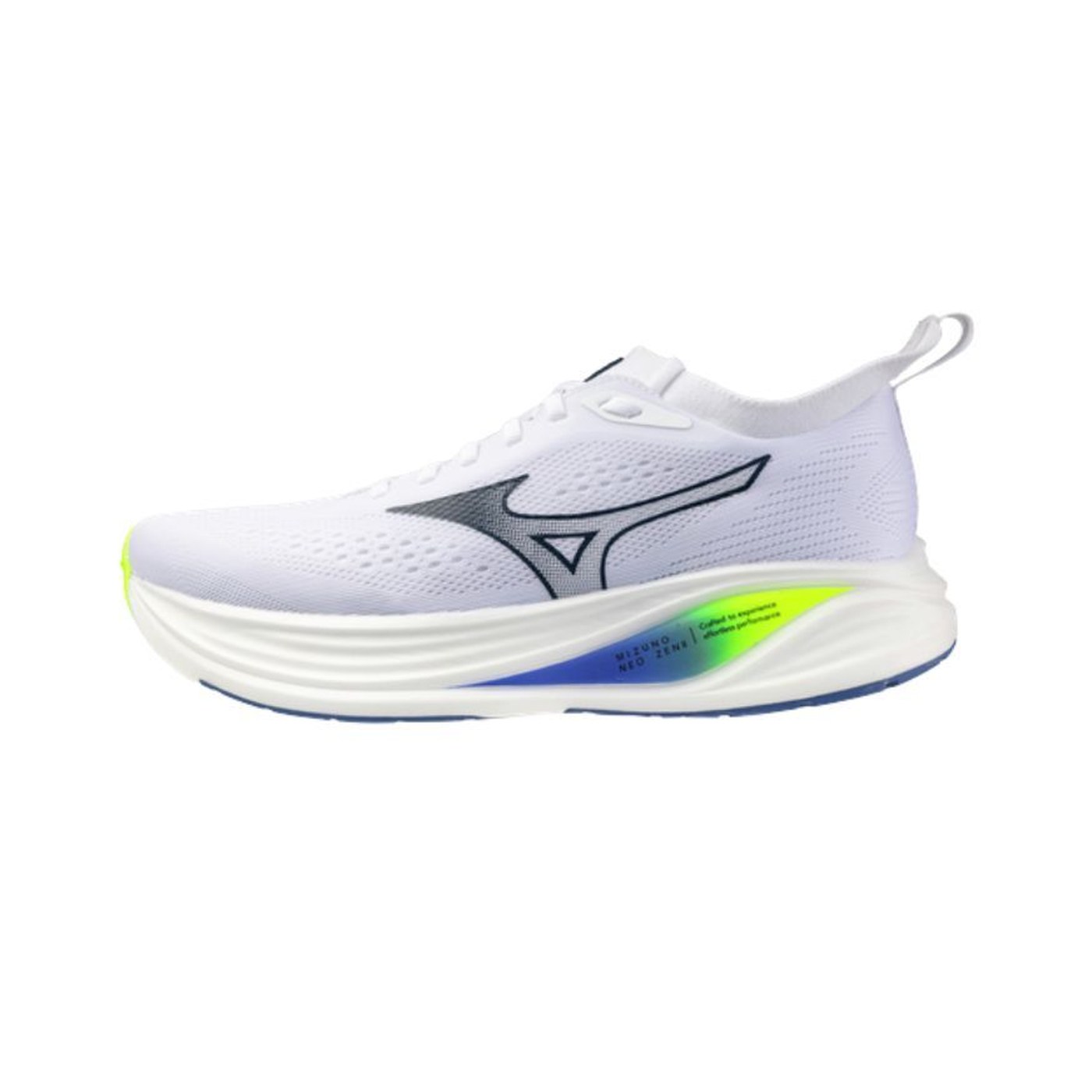
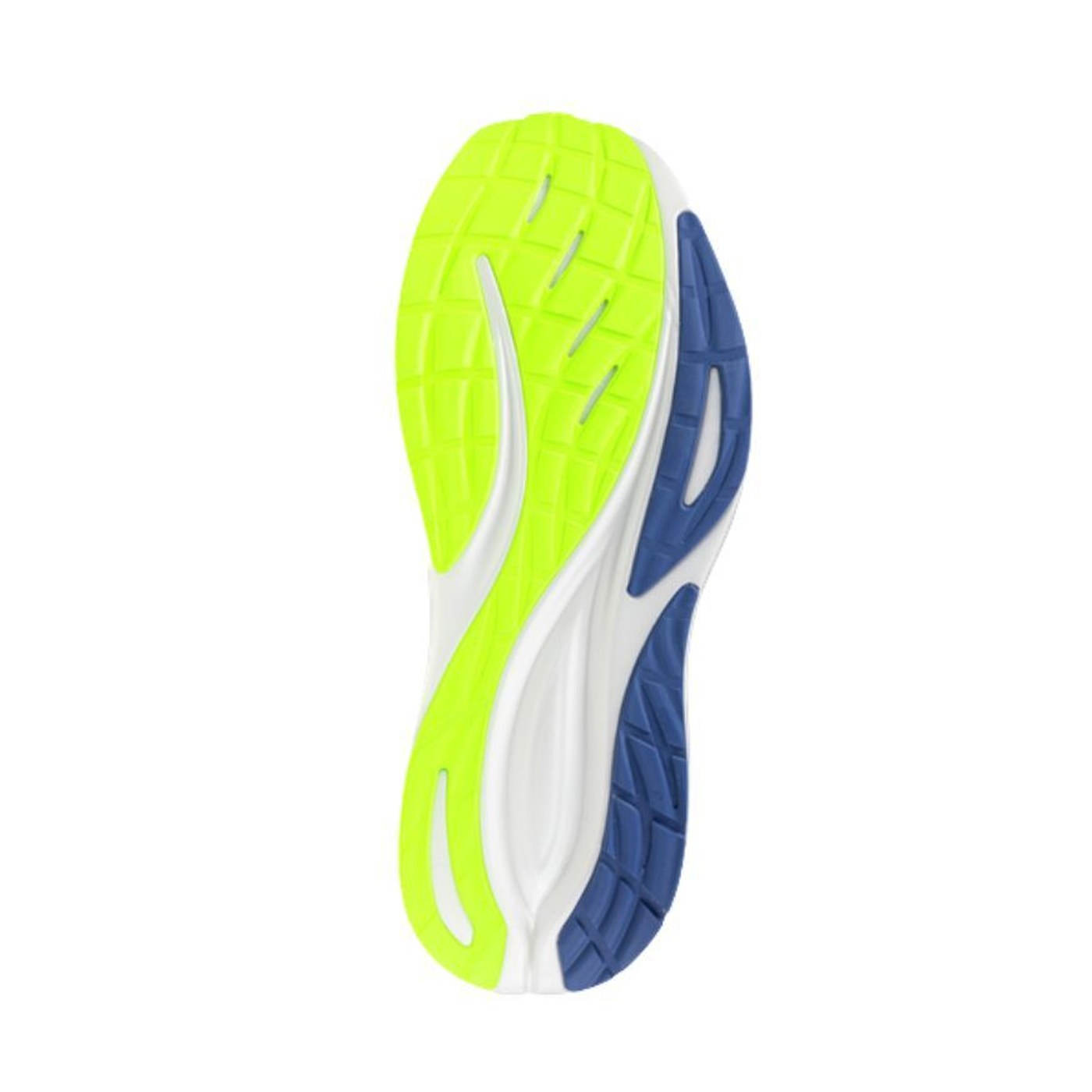
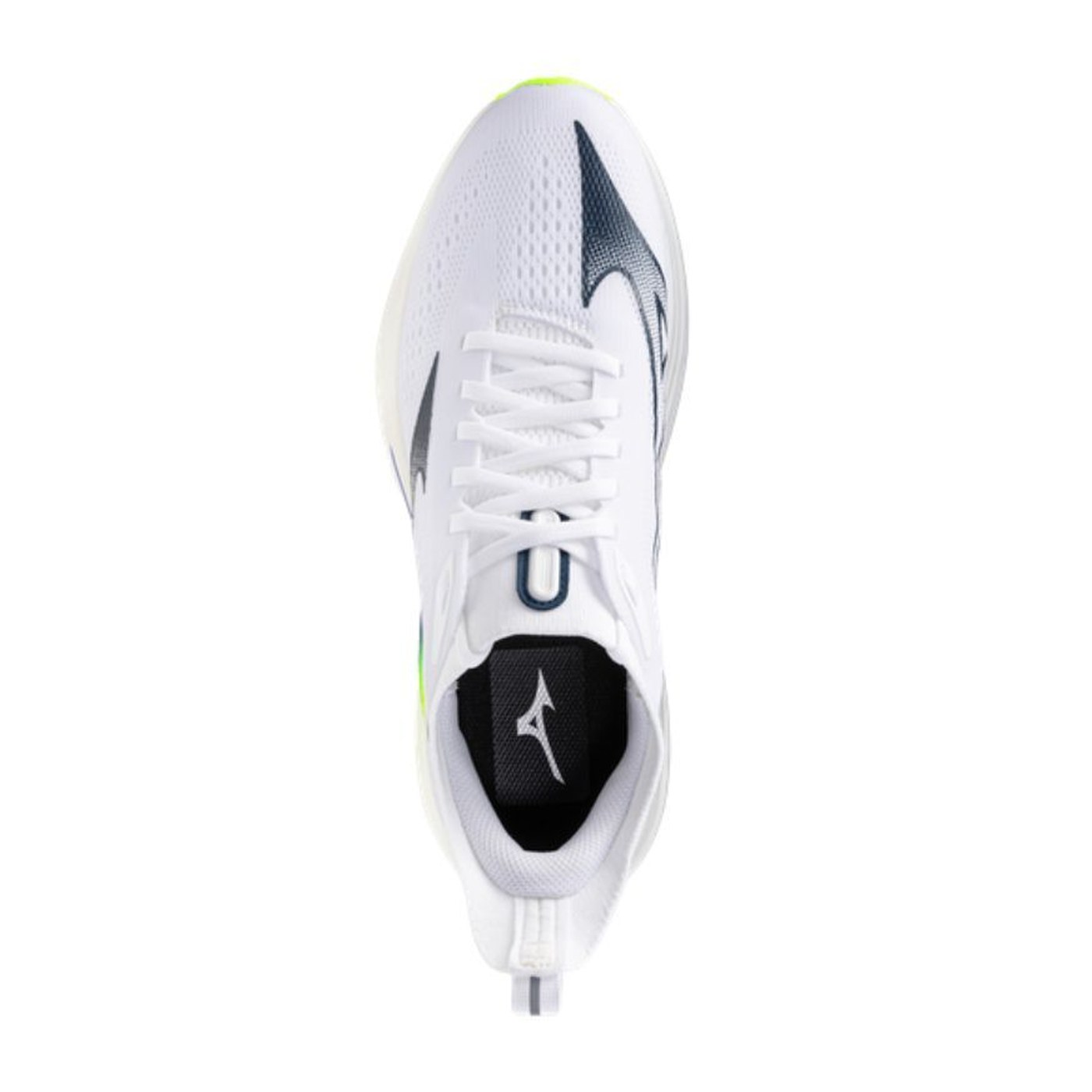
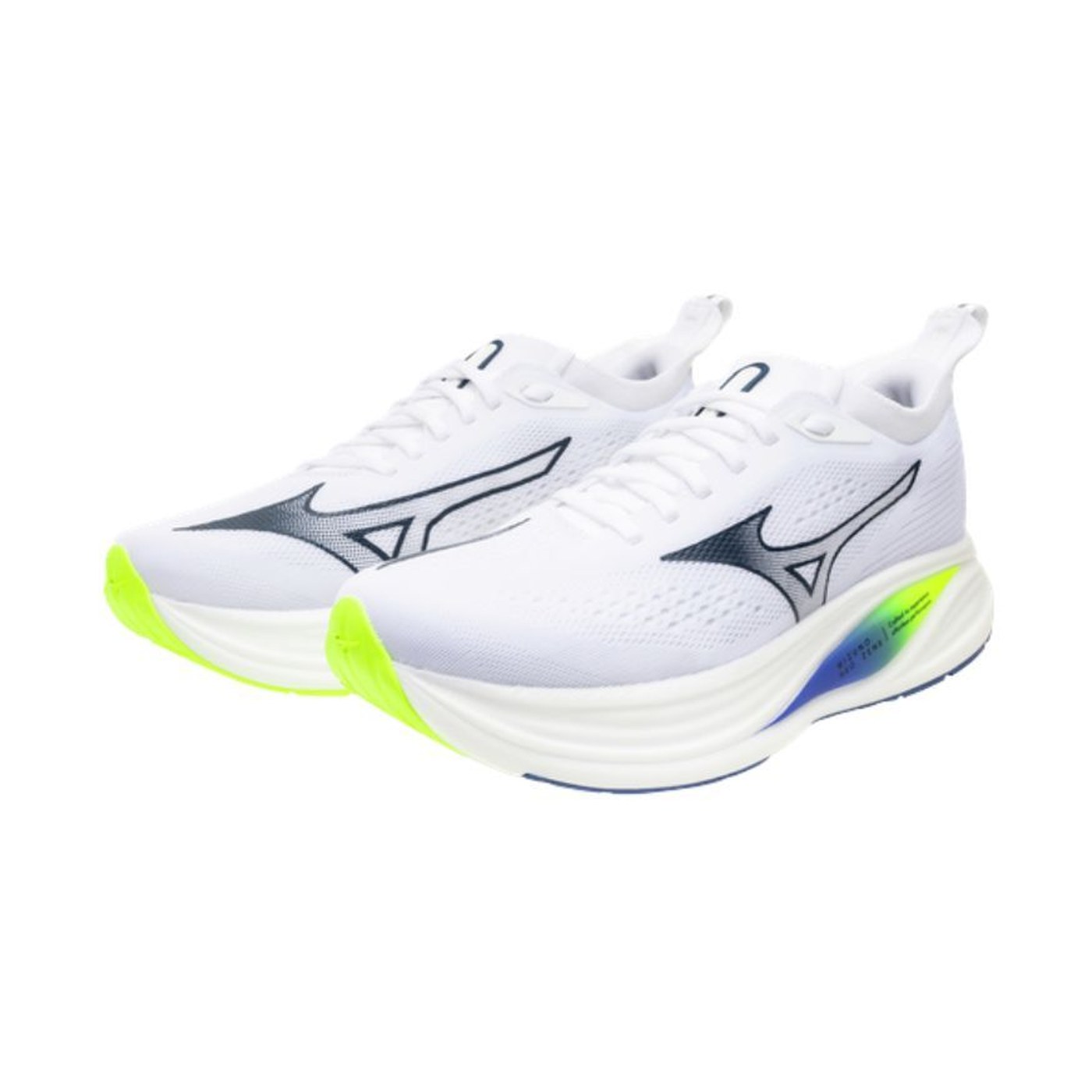
Mizuno Neo Zen 2 Review: A Calmer, More Stable Daily Trainer
8/10
Some shoes make noise. Others do the job. The first Neo Zen surprised everyone in 2025: a daily trainer with a playful, almost mischievous bounce that broke Mizuno out of its sensible image. For version 2, the Japanese brand made a deliberate but risky call: trade some of that bounce for more stability and composure. The result is a more mature, more versatile daily trainer, but one that splits the runners who loved the first version's wild streak. So, smart evolution or betrayal?
The Mizuno Neo Zen 2 is a versatile neutral daily trainer that bets on comfort, stability and a clean response rather than pure bounce. Its 100% nitrogen-infused Enerzy NXT midsole stays pleasant and light (245 g) while gaining support and composure over the first version. It's an excellent one-shoe option for stringing together easy runs, recovery runs and long runs, as long as you're not after the snap of a speed shoe.
8 / 10 · RunMorph overall score
Cushioning8 / 10
Responsiveness7 / 10
Comfort8.5 / 10
Durability7.5 / 10
Value for money8 / 10
Who it is forRunners who want one reliable, comfortable shoe for easy runs, recovery and long runs at a controlled pace.
Who it is not forRunners chasing the playful bounce of the first Neo Zen, or a snappy shoe for fast interval work.
Mizuno tones down its most playful daily trainer
The first Neo Zen made an impression in 2025 because it didn't feel like a typical Mizuno. Where the brand usually cultivates stability and restraint, this one delivered a lively, fun bounce that made it easy to love. For version 2, Mizuno listened to a different need: versatility. At RunMorph, we see a clear underlying trend in the daily trainer market: runners want specialized shoes less and less, and increasingly look for one pair that does everything competently. The Neo Zen 2 answers exactly that demand.
The shift is clear: more stability, stronger support, a midsole redesigned to reassure over the long haul. The trade-off, and it's only fair to admit it, is a less spectacular bounce than the first version. That's not a manufacturing flaw, it's positioning: Mizuno chose reliability and comfort over the wild streak. The question is whether that compromise works for you.
Easy runs, recovery, 10K to marathon at endurance pace
Official price
€150 (often found well below that)
Weight is the knockout argument: 245 g for a well-cushioned daily trainer with 40.5 mm under the heel is remarkably restrained. The 6 mm drop is modern and suits most strides, and the 90% recycled upper ticks the sustainability box without sacrificing support. On paper, the Neo Zen 2 checks every box of a light, complete daily trainer.
Full-length Enerzy NXT: what does it change underfoot?
The heart of the Neo Zen 2 is its 100% Enerzy NXT midsole. This nitrogen-infused foam is softer and more responsive than standard EVA: it cradles your foot while returning a clean response when you push off. Compared with the first version's foam, it's a little more settled and more stable, which explains the overall sense of composure. You don't sink into a mattress: you land on a comfortable platform that stays predictable, even when your legs get tired.
This is where the debate lies. Independent measurements confirm what the road already hints at: the foam change removes part of the playful bounce that made the original Neo Zen so charming. In return, you gain stability, consistency and versatility. For runners who want a reassuring daily trainer, that's an excellent deal. For those chasing sensations, it's a minor letdown that Mizuno fully owns.
RunMorph's advice: don't get caught by the word "versatile." A shoe that does everything competently does nothing exceptionally. Keep the Neo Zen 2 for your easy runs, recovery and long runs at a controlled pace, and pair it with a livelier shoe like the Hoka Mach 7 for your quality sessions. Two well-chosen shoes beat a single do-it-all pair.
The road test: from 4:45 to 6:15 per kilometer
At RunMorph, we ran the Neo Zen 2 in its comfort zone: endurance and long runs, between 4:45 and 6:15 per kilometer. In that range, it's a pleasure to run in, smooth and consistent. Support is excellent for a daily trainer, with a well-held heel and a fit that locks down the midfoot without squeezing it. Stability, usually the weak spot of high-stack shoes, is surprisingly good here: the platform stays planted even at the end of a long run, when fatigue starts to break down your stride.
Push the pace below 4:30 and the shoe does the job without ever shining. It accepts the acceleration but doesn't push you into it: toe-off is decent, not explosive. That's an honest portrait of a modern daily trainer, built to absorb volume comfortably rather than set fast times. In that specific niche, it holds its own against the best shoes in the segment.
Neo Zen 2 vs Wave Rider 30 vs Hoka Mach 7: daily trainer comparison
Three versatile daily trainers, three personalities. The Mizuno Wave Rider 30 remains the brand's safe bet, a bit more structured thanks to its Wave plate. The Hoka Mach 7 plays the lightness and liveliness card. The Neo Zen 2 sits between the two, built around comfort and stability.
Criterion
Mizuno Neo Zen 2
Mizuno Wave Rider 30
Hoka Mach 7
Weight (men's EU 42)
245 g
about 275 g
about 250 g
Drop
6 mm
12 mm
5 mm
Foam
Full-length Enerzy NXT
Double Enerzy + Foam Wave
Supercritical EVA
Character
Comfort and stability
Structured, dynamic
Light and snappy
Ideal use
Easy runs, long runs
Versatile daily trainer
Fast daily trainer, light tempo work
The RunMorph verdict: the Neo Zen 2 is the best pick if you want comfort and stability above all. The Wave Rider 30 suits runners who like a higher drop and a guided stride, while the Mach 7 is for those who prioritize lightness and a bit more pop to vary their paces.
Restrained weight (245 g) for a well-cushioned daily trainer
Surprising stability despite the high stack
Top-level comfort and support
Genuine versatility, an excellent one-shoe option
What we liked less
Less bounce than the first Neo Zen
Decent toe-off, but not explosive
Not built for fast intervals
Full price of €150 a little high for the segment
Our take from the road: which runner is it for?
The one-shoe runner
If you want a shoe that can cover 90% of your runs without spending a fortune on specialized pairs, the Neo Zen 2 is an obvious choice. Comfort, stability and low weight coexist well, making it a reliable daily trainer from easy runs to long runs.
The beginner or returning runner
If you're building your base or coming back from injury, the Neo Zen 2's stability and cushioning are reassuring. It forgives imperfect strides and protects your legs as you gradually build volume.
The endurance runner
If you log lots of easy kilometers, it delivers the comfort and consistency you need. It doesn't try to make you run fast: it goes the distance with you, which is exactly what you want from an endurance daily trainer.
Turn your kilometers into progress. A daily trainer like the Neo Zen 2 only pays off as part of a coherent plan, where endurance, volume and quality sessions work together. To structure your training and improve without getting injured, build on a RunMorph training plan tailored to your goal.
The Mizuno Neo Zen 2 is a pragmatic success. By trading some of the first version's playful bounce for more stability and support, it becomes a truly well-rounded versatile daily trainer: light at 245 g, comfortable, reassuring on long runs and flexible enough to vary your easy paces. It's not a shoe that delivers big thrills, and fans of the original Neo Zen will miss that. But for the vast majority of runners looking for one reliable, enjoyable pair to eat up the kilometers, it checks nearly every box. At its street price, often well below the suggested retail price, it even becomes one of the best deals in the segment. RunMorph score: 8/10.
Key takeaways for your training
A well-rounded versatile daily trainer: comfort, stability and low weight to cover most of your runs.
Comfort before bounce: more settled and stable than the V1, but less playful, and that's a deliberate choice.
Sweet spot from 4:45 to 6:15 per km: easy runs, recovery and long runs, where it excels.
A credible one-shoe option: ideal if you only want one reliable pair for everything.
Not for pure speed: keep a livelier pair for fast intervals.
Recommended articles
Mizuno Wave Rider 30: the Japanese daily trainer that stays true to its Wave plate