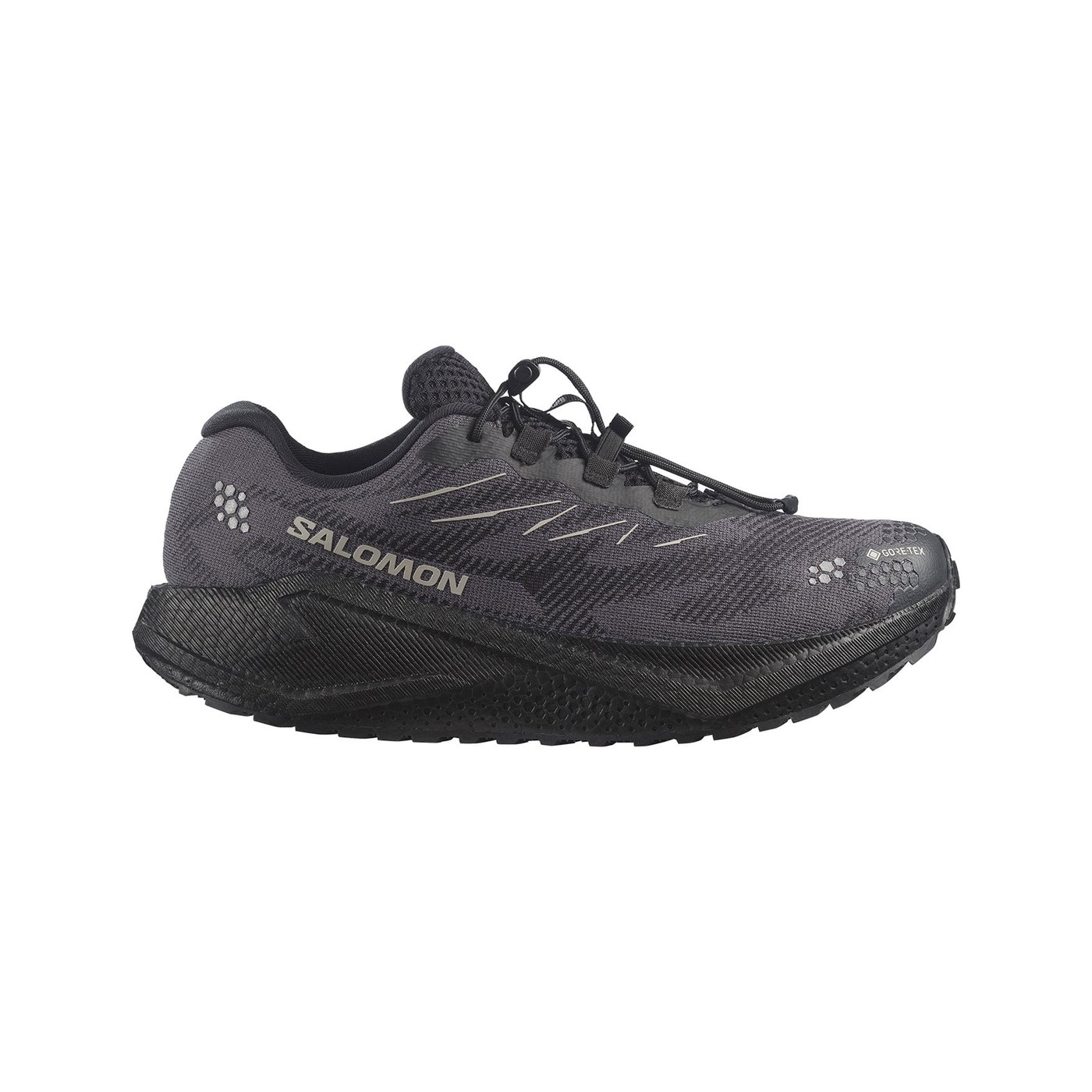
Salomon releases the Aero Blaze 4 GRVL in September 2026, the fourth generation of its shoe designed to run from asphalt to trail without changing pairs. At 140 €, it relies on a new Quicklace Neo lacing system and a heel stack raised by 2 mm for added comfort. At RunMorph, the team cross-checked the available field tests to see whether this update truly changes the game compared with the previous generation.
© Salomon, official photo used for editorial purposes
Salomon Aero Blaze 4 GRVL: the shoe that refuses to choose between road and trail
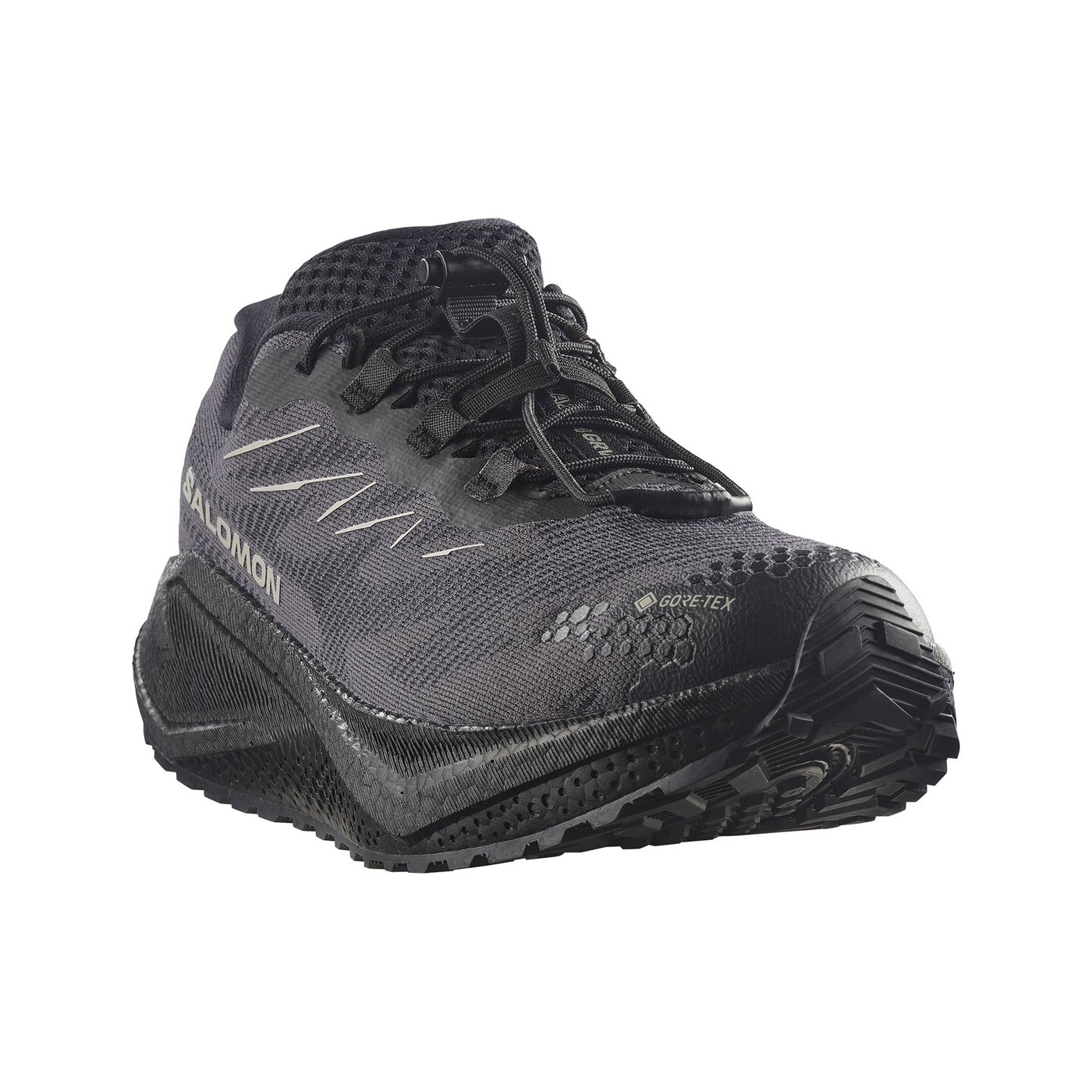
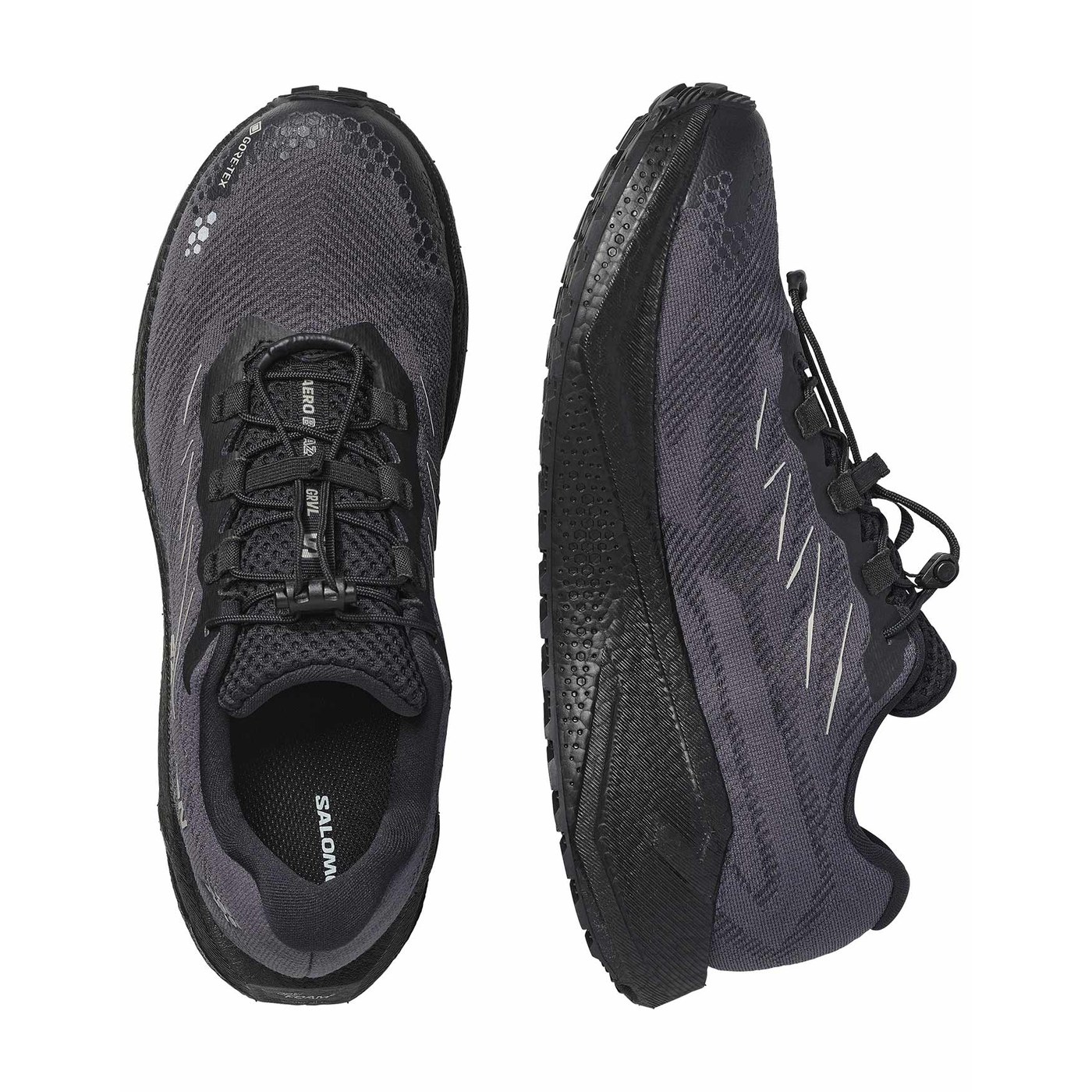
Salomon has positioned the Aero Blaze GRVL line for several generations in a precise segment: the runner who doesn't want a separate road pair and trail pair for mixed outings. The fourth generation, released in September 2026, introduces the Quicklace Neo lacing system, a single-pull closure already seen on other Salomon models, and raises the heel stack from 35 to 37 mm for extra cushioning. The Gravel Contagrip outsole, with its 2,5 mm chevron lugs, remains unchanged from the previous version.
RunMorph's advice: don't mistake the Aero Blaze 4 GRVL for a true trail shoe. For technical trails, look instead at the Hoka Speedgoat 7 or the Mizuno Neo Daichi X, both far better equipped for rough terrain.
Who is the Salomon Aero Blaze 4 GRVL for?
The runner alternating between asphalt and rural paths
For a runner living in the countryside or on the outskirts, whose outings move naturally from pavement to dirt path, the Aero Blaze 4 GRVL avoids the need for multiple pairs. One field test describes it as the ideal shoe for exactly this profile: someone with no access to technical trails who still wants to get off pure asphalt.
Someone who wants a single pair for daily training
At 223 g with optiFOAM² cushioning judged lively without being soft, the shoe wins runners over for daily use, whether running or brisk walking. The Quicklace Neo lacing makes quick entry easy before a spontaneous outing, a real plus for anyone squeezing a run in between commitments.
The runner facing autumn and winter
The Gore-Tex version, at 273 g, effectively protects against rain and moisture according to the available tests, a serious argument for the cold season. The extra weight stays reasonable given the waterproofing gained, as long as use remains on rolling terrain rather than soaked trails.
© Salomon, official photo used for editorial purposes
The field test
At RunMorph, the team cross-checked several real-world tests carried out on mixed routes. A Swiss test documents two outings, 14 km on a mixed route and 22 km on a course judged technically demanding, with smooth transitions between asphalt and gravel. The optiFOAM² foam delivers enough bounce to pick up or hold a sustained pace, a point confirmed by a second test describing comfortable cushioning without losing responsiveness, on both road and gravel.
Grip divides opinion more depending on terrain. On rolling surfaces and dry gravel, the 2,5 mm chevron lugs are more than enough. The first test notes, however, that traction regularly drops on wet, technical terrain, with lugs too flat and shallow to bite effectively in mud or through boggy sections. That same test flags insufficient support on uneven footing, a point worth watching for anyone venturing beyond rolling paths.
On the Gore-Tex version, one test notes an occasional issue with water trapped inside under certain conditions, while another test instead rates it valuable for autumn and winter training, with the extra weight (273 g versus 223 g for the standard version) judged reasonable given the protection it provides. This disagreement between sources suggests sensitivity to usage conditions rather than a systematic flaw.
Pros
- Smooth transitions between asphalt and rolling paths
- Lively optiFOAM² cushioning, comfortable over distance
- Quicklace Neo lacing, practical for quick entry
- Price of 140 €, well below premium trail shoes
- Gore-Tex version useful for the cold season
Cons
- Insufficient grip on mud and wet technical terrain
- Limited support on uneven footing
- Gore-Tex version occasionally prone to trapped moisture inside
- Outsole unchanged from the previous generation
Salomon Aero Blaze 4 GRVL vs Mizuno Neo Daichi X: the comparison
The two shoes don't target the same terrain. The Aero Blaze 4 GRVL remains a lightweight road-to-gravel shoe, designed for rolling paths, while the Neo Daichi X targets technical mountain trail running with a Vibram Megagrip outsole clearly superior on rough terrain. The choice depends above all on the type of outing that dominates your training week.
| Feature | Salomon Aero Blaze 4 GRVL | Mizuno Neo Daichi X |
|---|
| Weight | 223 g (273 g in GTX) | 290 g |
| Drop | 8 mm | 6 mm |
| Outsole | Gravel Contagrip, 2,5 mm lugs | Vibram Megagrip, 4 mm lugs |
| Terrain | Road, rolling paths | Technical mountain trail |
| Price | 140 € | 150 € (119,90 € on sale) |
Comparison against the competition
Compared with the Hoka Speedgoat 7, more versatile on technical terrain thanks to its Vibram Megagrip outsole, the Aero Blaze 4 GRVL stays confined to rolling routes but gains in lightness and price. Compared with the Mizuno Neo Daichi X, the comparison quickly falls short as soon as the terrain turns muddy or rocky, a segment the Salomon isn't meant to venture into.
How to fit it into your RunMorph training plan
As part of the RunMorph 10K program, the Aero Blaze 4 GRVL works perfectly for base runs and recovery outings on mixed road-and-path routes. Save your long runs on technical or wet trails for a dedicated trail shoe instead, since the Aero Blaze 4 GRVL's grip quickly shows its limits once the terrain gets more demanding.
© Salomon, official photo used for editorial purposes
RunMorph Coach's verdict
The Salomon Aero Blaze 4 GRVL succeeds at its primary mission: smoothly handling outings that mix asphalt and rolling paths, with an enjoyable optiFOAM² cushioning and a Quicklace Neo lacing system that simplifies everyday use. The limit sits exactly where its name still promises versatility: as soon as the terrain turns technical, muddy or root-covered, the flat 2,5 mm lugs and the support, which could still improve on uneven footing, are reminders that this isn't a trail shoe. At 140 €, it remains a sound, affordable choice for anyone sticking to rolling paths. RunMorph Coach's score: 7,6/10.