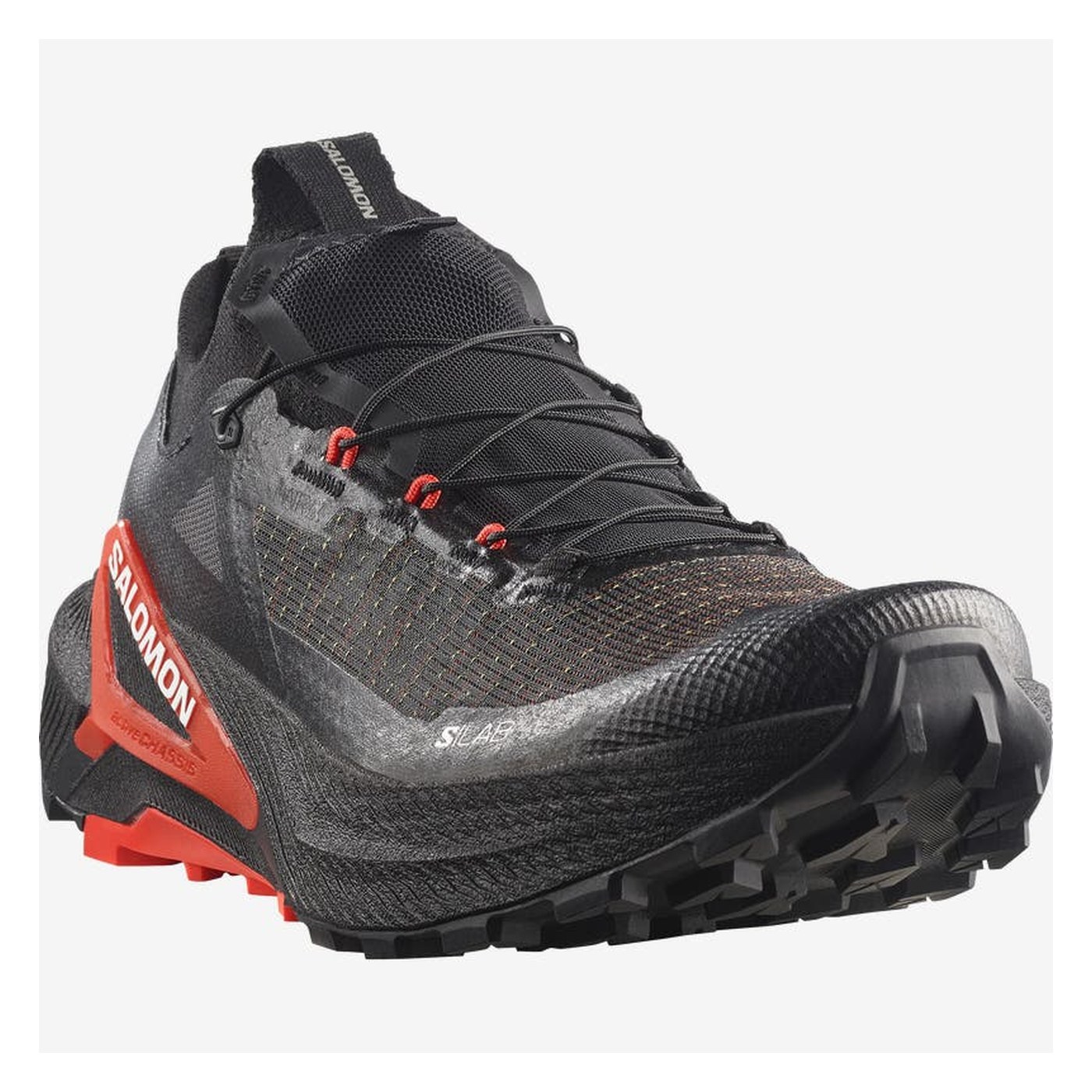
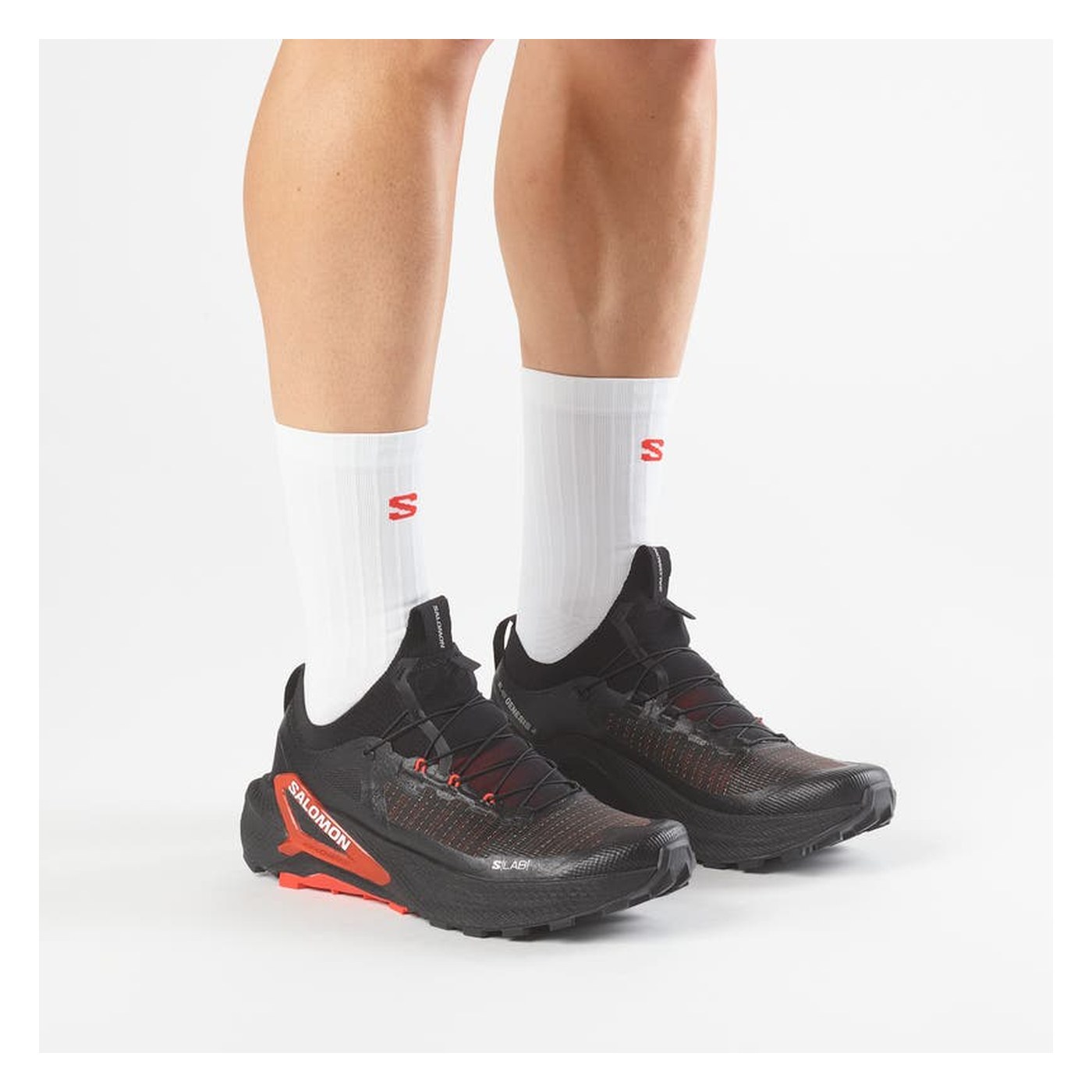
Salomon didn't try to reinvent its flagship shoe. It set out to fix exactly what needed fixing. The original S/Lab Genesis had two flaws that ultra trail runners knew well: grip that fell short on muddy ground and flat energy return. Two years later, version 2 arrives with a targeted answer to both. RunMorph tested the new foam and the new rubber on the terrain that built the model's reputation: technical mountain trails.
© Salomon, official photo used for editorial purposes
Salomon's targeted approach to updates
Some brands change everything with each new version to justify the update. Salomon does the opposite with the S/Lab Genesis 2, available since August 1, 2026. The silhouette stays recognizable and the technical ultra positioning doesn't move, but the two weak points of the first generation get fixed head-on. The original EVA foam, which felt flat in energy return, gives way to a dual-density optiFOAM² build. The ContaGrip rubber, which struggled on wet rock, gets a new lug geometry that increases ground contact.
Don't expect a transformed shoe. This is a sharpening, not a redesign, and that's exactly the angle Salomon owns with a model cut for elite technical running.
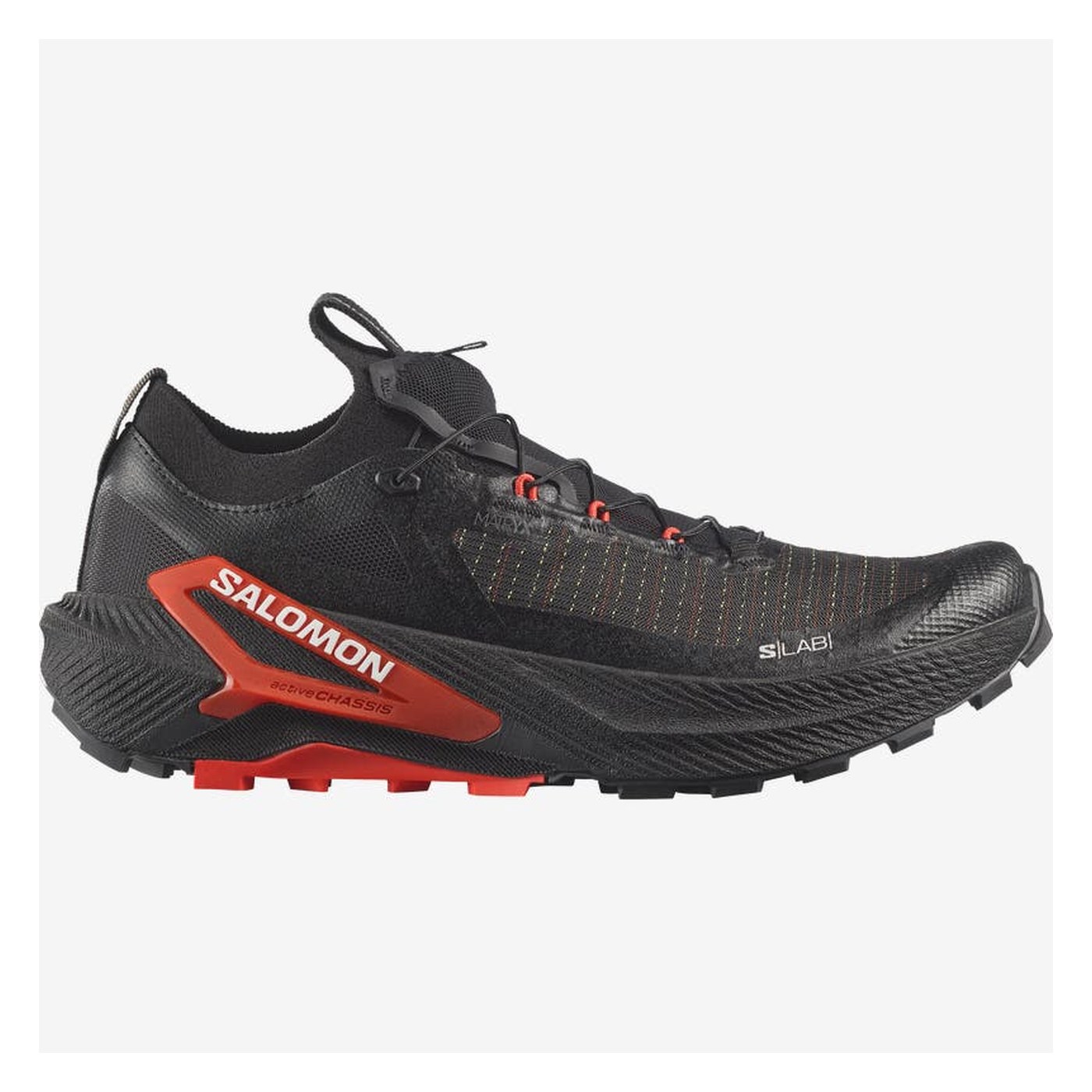
S/Lab Genesis 2 specs: optiFOAM² and Matryx Micro
| Brand | Salomon |
| Model | S/Lab Genesis 2 |
| Release | August 1, 2026 |
| Type | Technical trail, mountain ultras |
| Drop | 6 mm |
| Stack height (forefoot / heel) | 25 mm / 31 mm |
| Weight | 272 g |
| Foam | Dual-density optiFOAM² + integrated activeCHASSIS |
| Upper | Matryx Micro (lighter, more abrasion-resistant) |
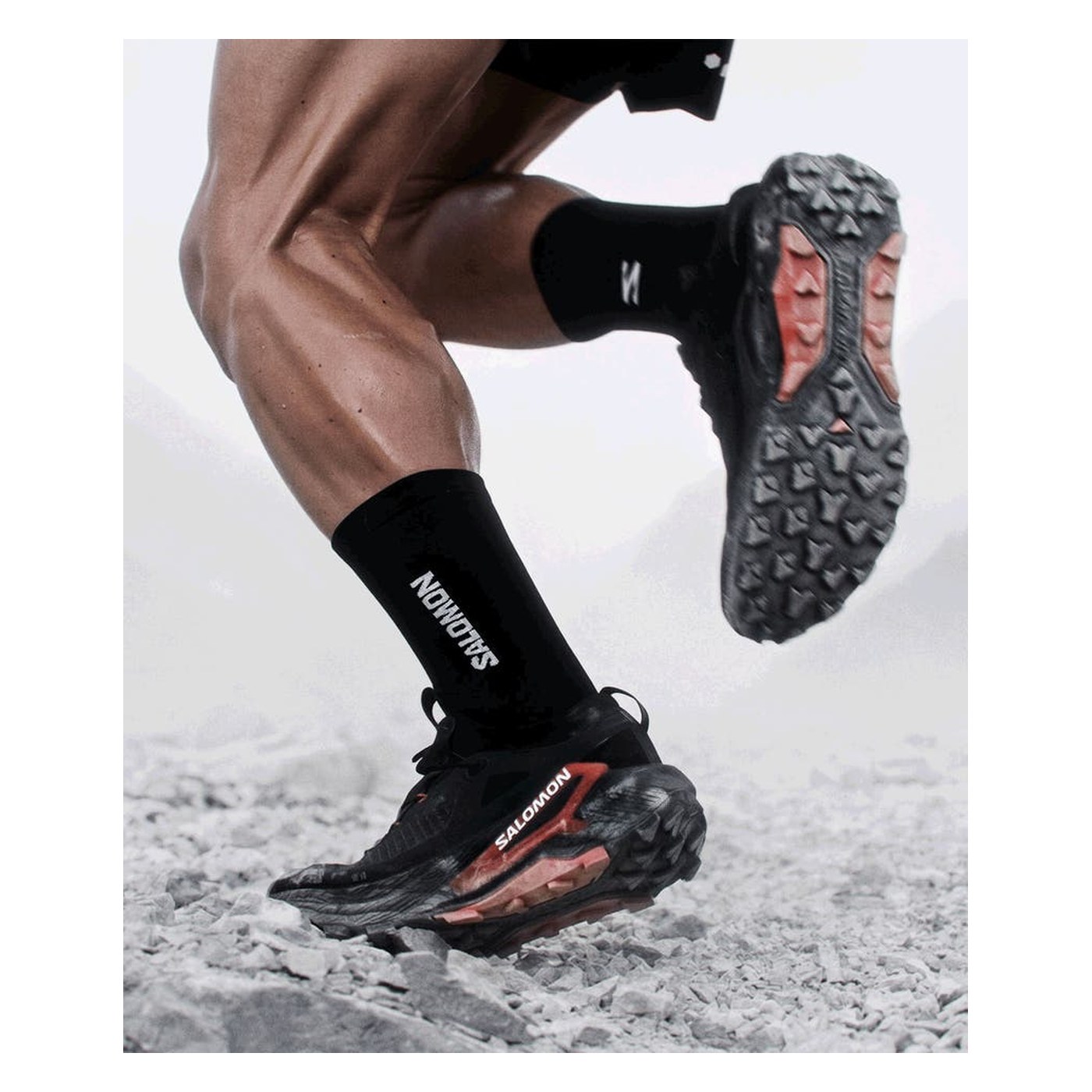
| Outsole | All-Terrain ContaGrip, 4 to 5 mm lugs |
| Recommended distance | Technical ultras in mountain terrain |
| Official price | €200 |
© Salomon, official photo used for editorial purposes
optiFOAM² and activeCHASSIS: what changes underfoot?
activeCHASSIS isn't new at Salomon, but building it directly into the midsole is a game changer. On the previous version, the stability chassis sat more around the edges. Here it works with your natural stride and gives you real control when the trail turns uneven, without the feeling of running in a rigid shell.
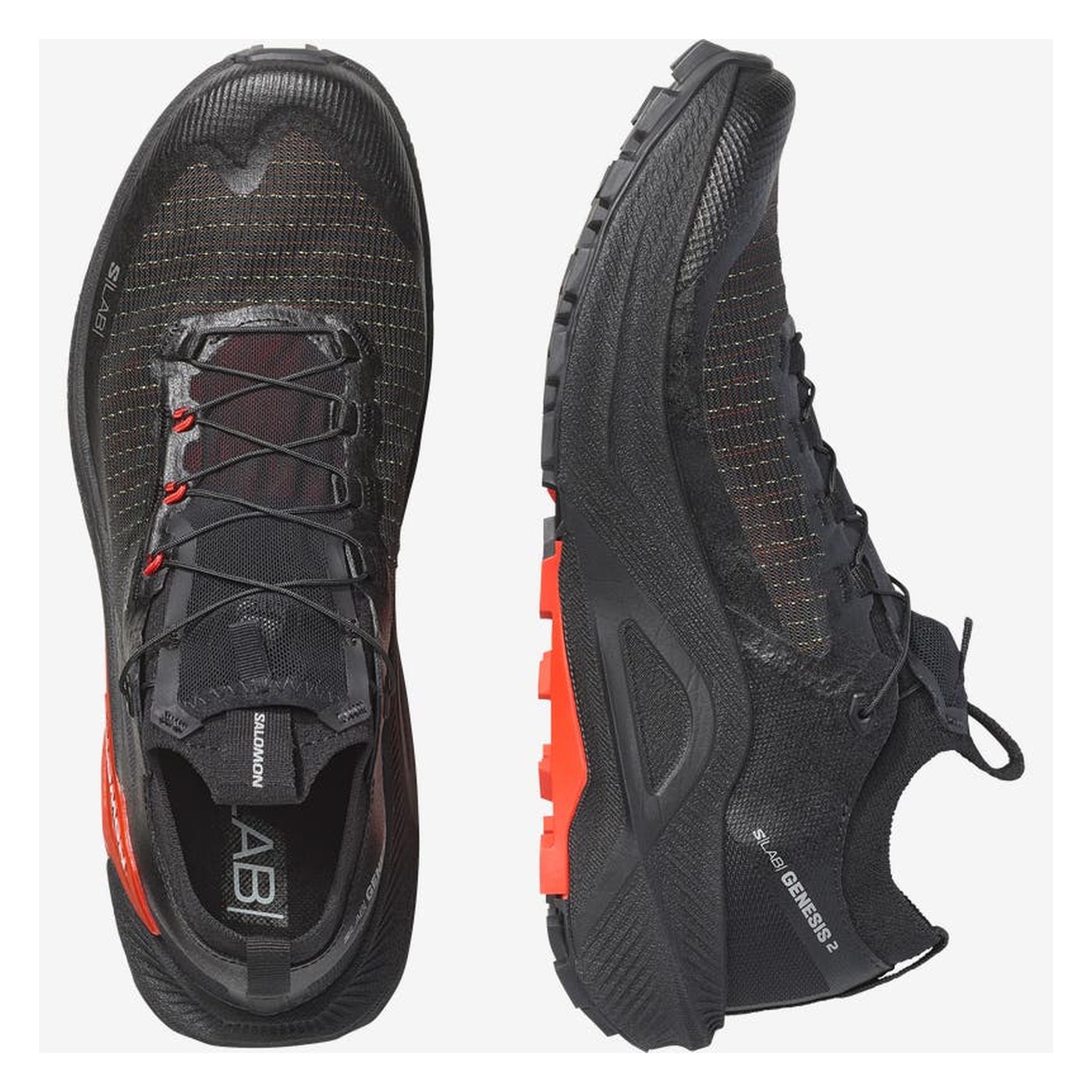
The dual-density optiFOAM² pairs a more responsive layer with a more stable base. It's similar in spirit to what other brands do on their carbon-plated models, minus the plate. The result: energy return that feels far livelier than on the first Genesis, plus better durability over time. On the upper, Matryx Micro replaces standard Matryx. It's lighter and, above all, more abrasion-resistant, a weak spot on the V1 flagged by runners who wear out their shoes on scree.
RunMorph tip: the S/Lab Genesis 2 performs best on technical mountain ultras. For smoother, more versatile trail running, the Hoka Tecton X 3 or the Asics MetaFuji Trail 2 are a better fit.
Trail test: precision over comfort
We tested the S/Lab Genesis 2 on runs of 15 to 35 kilometers, from a 5:00/km pace on runnable sections to power hiking on the steepest climbs. Crossing unstable scree, the integrated activeCHASSIS makes a clear difference compared with the previous generation: your foot placement stays more predictable, with less side-to-side rolling on shaky footing. On wet rock, the new ContaGrip lug geometry delivers, with noticeably better grip than the V1 in the same conditions.
The flip side of that precision is an S/Lab fit: narrow, wrapping, designed for slim feet and for performance rather than the comfort of an easy run. That's not a flaw in itself, but you need to know it before you buy, especially if you have wide feet.
On durability, the first kilometers back up the Matryx Micro promise. The upper holds up well against rock and branches, where the previous version showed wear faster in the flex zones. The classic lacing, with no quick-lace system, works well but needs more manual adjustment than a cable system. Given the shoe's focus on precision, that's a deliberate choice, not an oversight.
© Salomon, official photo used for editorial purposes
S/Lab Genesis 2 vs Genesis 2: head to head
| Criteria | S/Lab Genesis 2 | Genesis 2 (standard version) |
|---|
| Price | €200 | €150 |
| Positioning | Elite, technical ultras | Versatile, all levels |
| Upper | Matryx Micro | Standard Matryx |
| Fit | Narrow, precise | Roomier |
| Weight | 272 g | Slightly heavier |
The difference between the two lines comes down mostly to fit and to how demanding the target runner is. The Hoka Tecton X 3 remains the benchmark for a similar runner profile, with more focus on cushioning than on pure precision.
Pros and cons
Pros
- New optiFOAM² foam, far livelier than the V1's EVA
- Integrated activeCHASSIS that genuinely improves stability on unstable ground
- Noticeably better ContaGrip grip on wet rock
- More abrasion-resistant Matryx Micro upper
- Targeted update that fixes exactly the flaws identified on the V1
Cons
- High price (€200), the main complaint in user feedback
- Narrow fit, a poor match for wide feet
- Less comfortable than more general-purpose models
- Niche positioning, not an everyday shoe
© Salomon, official photo used for editorial purposes
Our take: who is it for, and which RunMorph training fits?
The S/Lab Genesis 2 is for trail runners preparing a demanding goal on technical mountain terrain who already know what they want from a precision shoe. It's not a first purchase to get into trail running. It's a performance tool for runners with experience on rough ground. For a skyrace or an ultra with plenty of technical sections and elevation gain, this pairing of stability and grip fully justifies the investment. For smoother trails or a first taste of the mountains, a more general-purpose shoe that's more comfortable day to day is the smarter choice.
Preparing a technical ultra? Pair the S/Lab Genesis 2's precision and upgraded grip with a RunMorph trail plan matched to your distance and elevation goal. 👉 Explore RunMorph training plans.
RunMorph Coach verdict
The S/Lab Genesis 2 shows how to get an update right. Salomon pinpointed the two weak spots of the first generation, a foam that played it too safe and grip that fell short in the wet, and fixed them without losing what made the model a success. The result is a livelier, more secure shoe on technical terrain. The €200 price and the S/Lab fit remain the points to weigh before you buy. 8.5/10: a benchmark for technical ultras, reserved for runners who already know what they're doing.
Key takeaways for your training
- Livelier optiFOAM²: a real gain in responsiveness over the V1's EVA foam.
- Integrated activeCHASSIS: stability on unstable ground is much improved.
- Upgraded grip: the new ContaGrip geometry holds better on wet rock.
- Narrow fit: try it on before you buy if you have wide feet.
- Elite positioning: built for technical ultras, not for versatile everyday use.
© Salomon, official photo used for editorial purposes