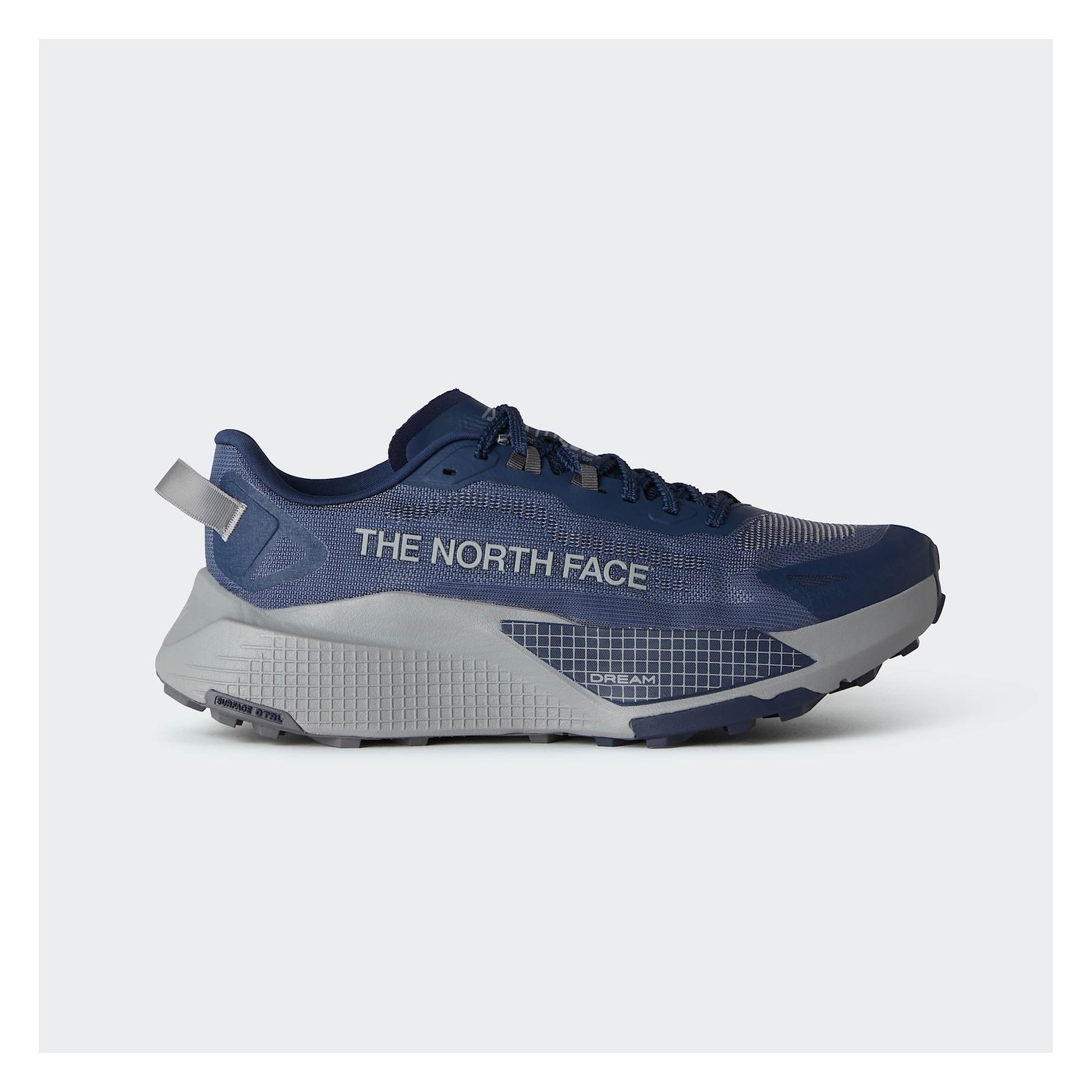
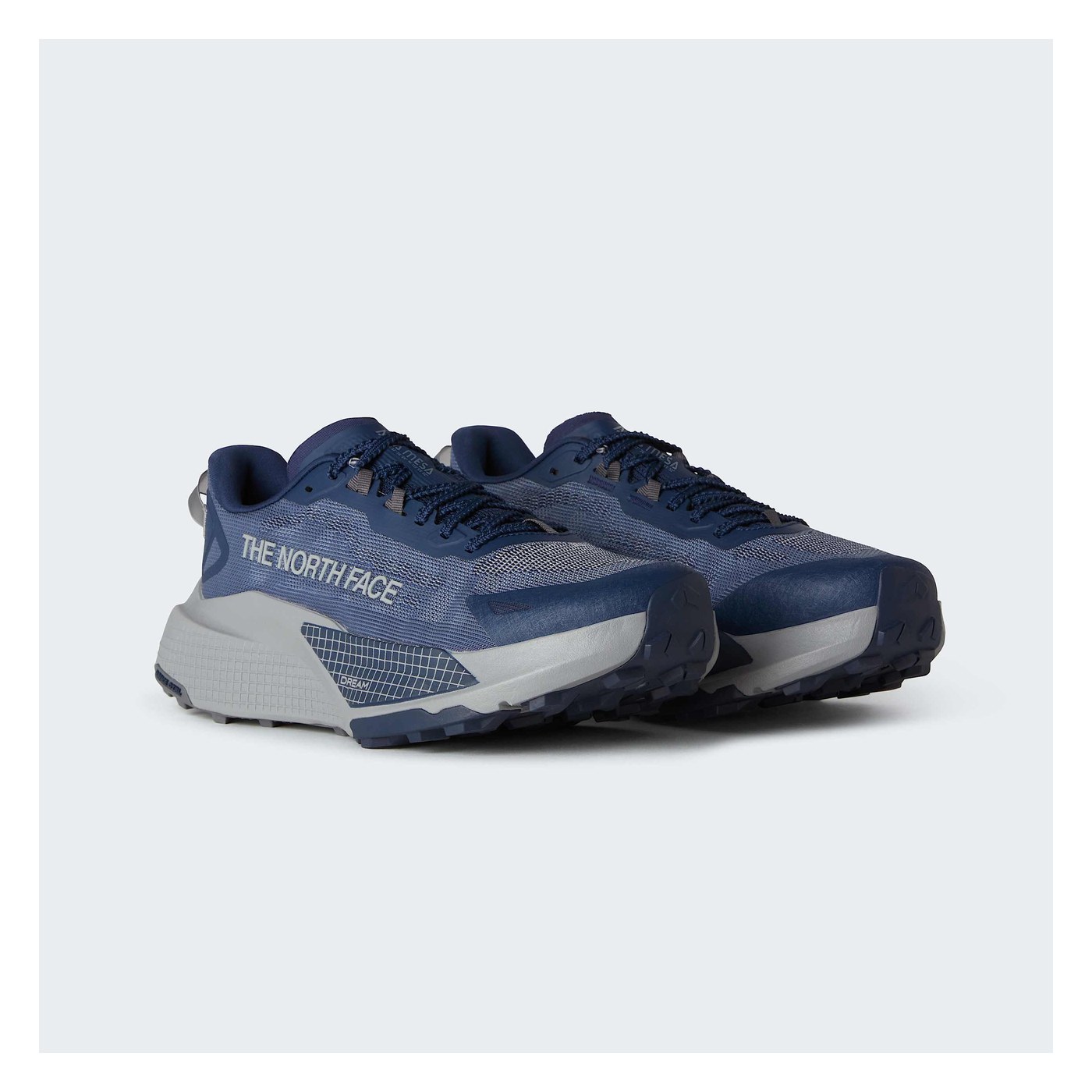
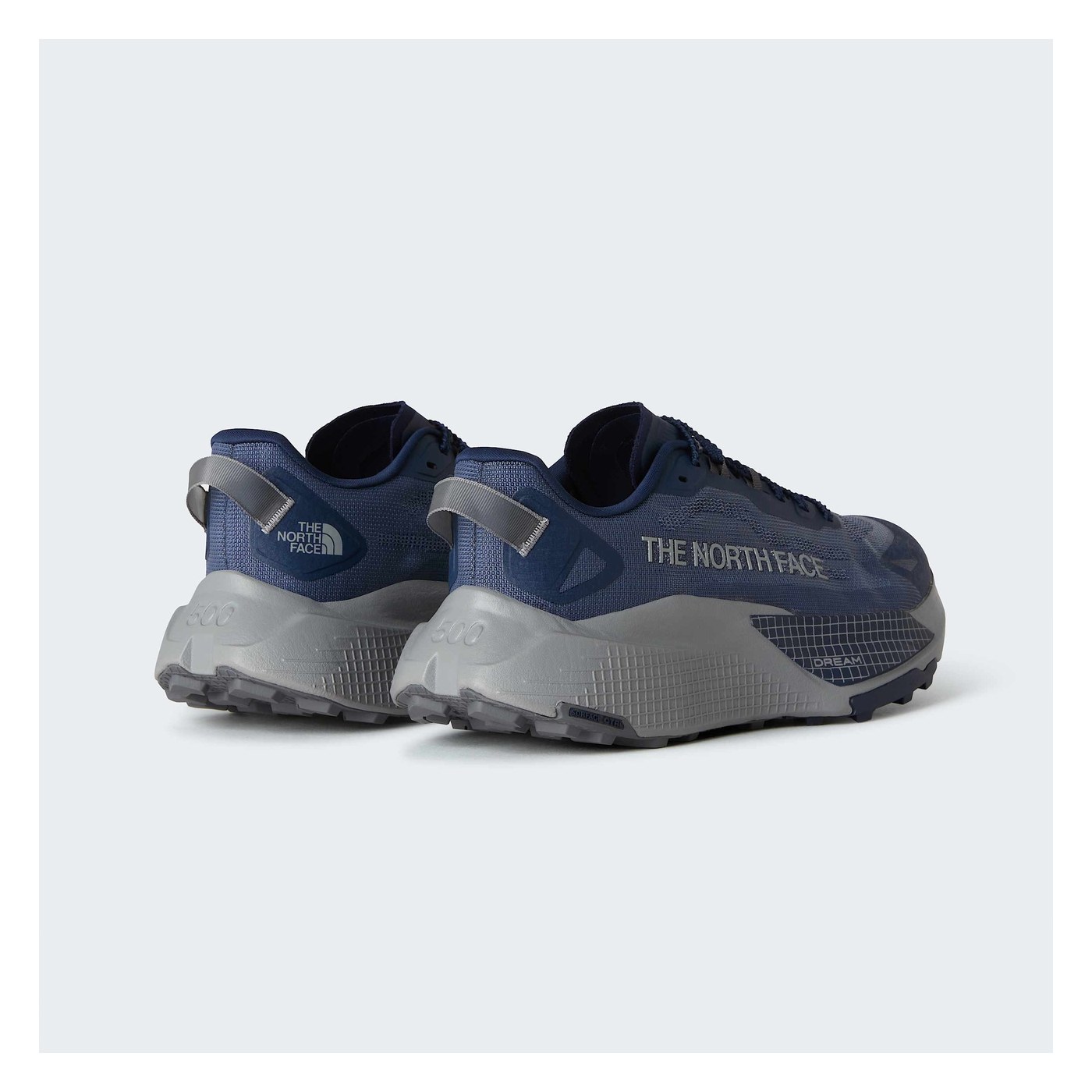
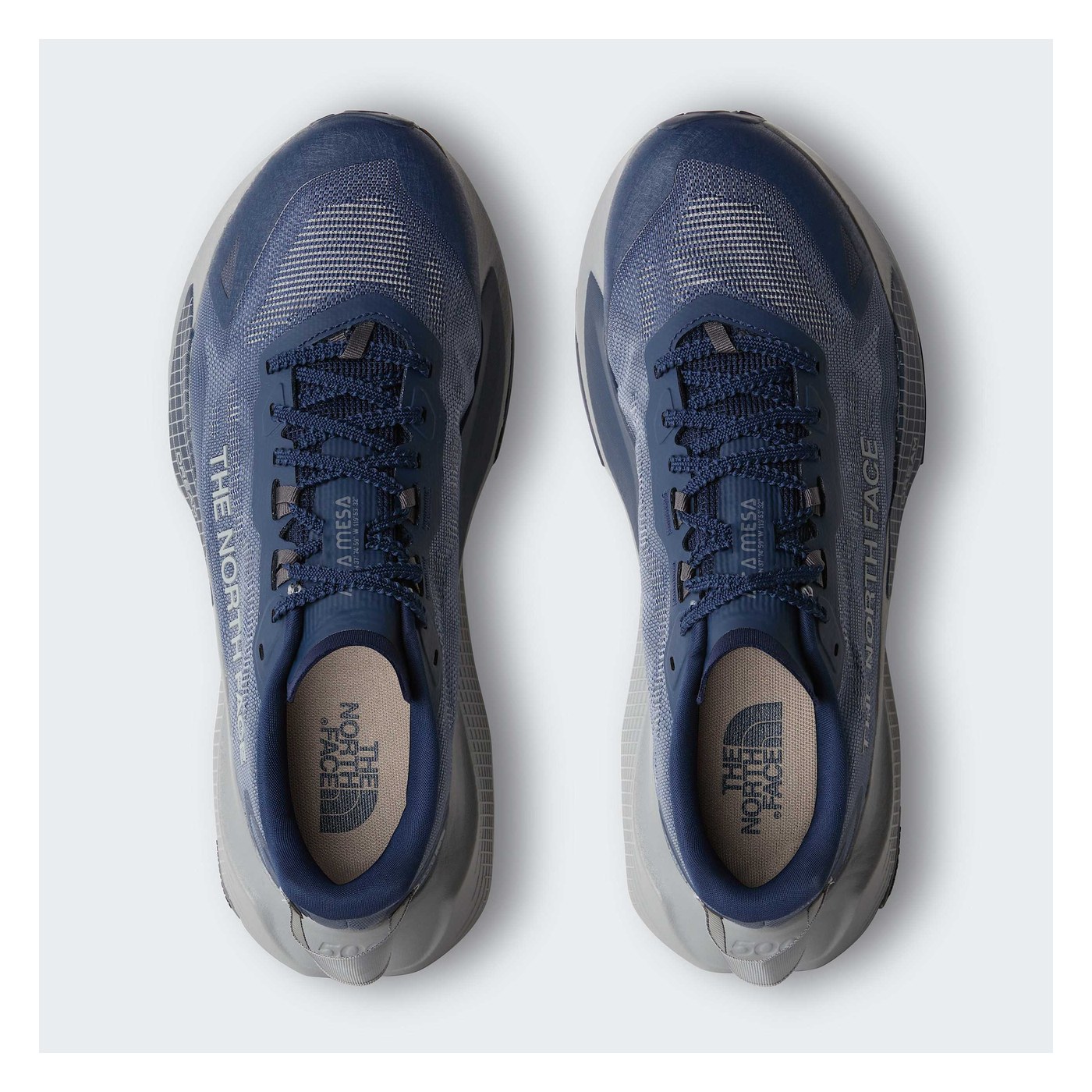
The North Face Altamesa 500 V2 Review: Max-Cushion Trail Comfort
8/10
For years, running in The North Face mostly meant mountaineering, down jackets and expeditions. The brand left pure trail running to Salomon, Hoka and Kiprun for a long time. The Altamesa 500 V2 tells a different story: an outdoor brand that finally wants a say in the most contested segment of the moment, max-cushion shoes built to eat up the kilometers. With its nitrogen-infused DREAM foam and 36 mm of stack height, this second version fixes the flaws of the first and makes a credible case for your long runs and your first ultras. At RunMorph, we put it through its paces.
The Altamesa 500 V2 is a versatile max-cushion trail shoe, built for long runs and runnable ultras rather than technical terrain. Its nitrogen DREAM foam makes it lighter and livelier than the V1, while the new Surface CTRL SC2 outsole with 4 mm lugs beefs up grip on mixed and wet ground. It delivers on its promise of long-distance comfort, as long as you accept that it is not a precision tool in the mountains.
8 / 10
RunMorph overall score
Cushioning
Responsiveness
Grip
Long-distance comfort
Value for money
Who it is forRunners who stack up long runs on runnable trails, gravel and dirt roads, and who are preparing a first 50 to 80 km race with comfort ahead of snap.
Who it is not forTechnical trail runners who descend fast through off-camber terrain and rock: the high platform and relaxed fit lack precision on steep mountain ground.
The North Face finally returns to runnable trails
You need some context to understand what is at stake with the Altamesa 500 V2. The North Face has an elite trail line (the Summit Vectiv Pro, seen on ultra podiums), but for a long time the brand stayed out of the heart of the market: the everyday shoe, the one that handles 60 to 80 km a week without breaking the bank. The first Altamesa 500, released in 2024, laid the groundwork but suffered from a slightly clunky foam and grip that left room for improvement. A year later, the V2 is no cosmetic makeover: it changes what really mattered.
DREAM is The North Face's new in-house foam, a nitrogen-infused TPU running the full length of the shoe. The promise is clear: softer cushioning AND a livelier rebound than the V1's standard EVA, at a controlled weight. That is exactly the language of the supercritical foams that have rewritten the road and trail market over the past three years. The brand is late to the party, but it shows up with a pitch that speaks to runners. At RunMorph, we see this positioning (accessible, versatile max cushion built for long runs) as the most crowded segment in trail, where the Hoka Mafate 5, the Asics Trabuco Max 5 and the formidable Kiprun Kipsummit Max all meet. Carving out a place here is anything but a given.
RunMorph's advice: don't read too much into the word ultra. The Altamesa 500 V2 shines on runnable trails and gravel, not on vertical scree. If your playground is mid-mountain paths and long aerobic loops, it is right in its comfort zone. For technical off-camber terrain and committed descents, look instead at a Salomon Speedcross 6 or a Saucony Peregrine 16, which bite harder.
Altamesa 500 V2 spec sheet: max cushion gets lighter
Brand
The North Face
Model
Altamesa 500 V2
Year / availability in France
Launched late 2025, 2026 collection available in France
Type
Trail, versatile max cushion (long runs and runnable ultras)
Drop
6 mm
Heel / forefoot stack height
36 mm / 30 mm
Weight
277 g (men's US9), about 290 g in EU 42 / 245 g women's
Foam
DREAM, nitrogen-infused TPU, full length
Carbon plate
No
Outsole
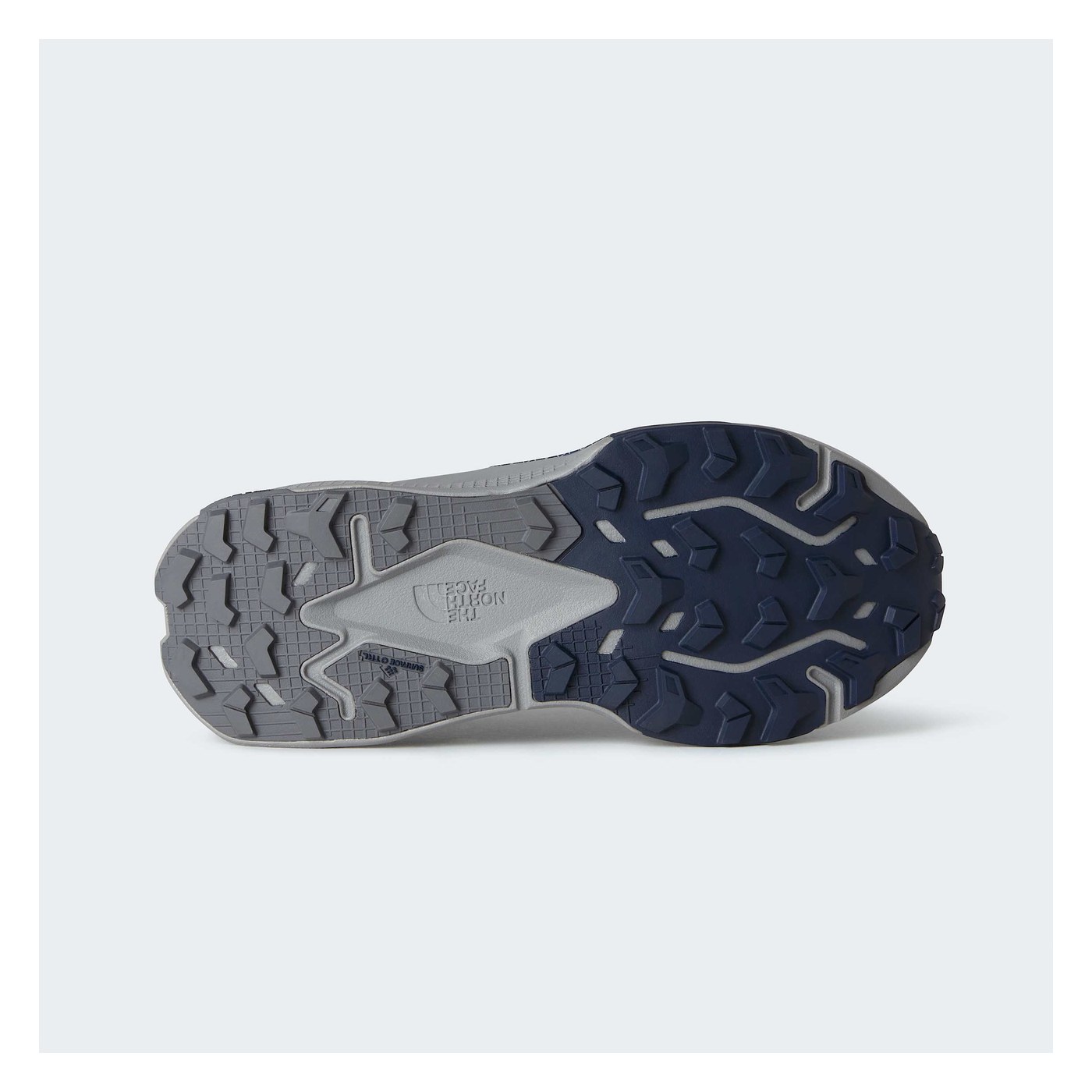
Surface CTRL SC2, 4 mm lugs
Upper
Seamless technical mesh, reinforced toe cap, internal debris shield
DREAM and Surface CTRL SC2 technology: what changes underfoot?
Two changes define the V2. The first is the DREAM foam. The feel at impact is typical of nitrogen TPU: a soft landing that compresses noticeably at the heel, then a snappier return than older-generation EVA. With 36 mm of stack height at the heel, you get serious protection to absorb the impact of long descents and hours on your feet, without sinking into a dead mattress. Independent lab data confirms what you feel: the V2 returns more energy than the V1, while remaining a comfort foam, not a racing foam.
The second change is the Surface CTRL SC2 outsole and its 4 mm lugs. The V1 often struggled on wet ground. The V2 fixes that with a stickier rubber and a more aggressive pattern. On dry trails, gravel and packed dirt, grip is reassuring. In deep mud or on very slick rock, 4 mm lugs remain a compromise: they do not replace the 5 to 6 mm of a mud-specific trail shoe. On the other hand, the wide platform and ground geometry deliver a natural stability that pays off when fatigue sets in and your ankle starts to get sloppy.
The field test: from 4:45 to 6:30 per km, on runnable trails and gravel
At RunMorph, we ran the Altamesa 500 V2 in the role it is designed for: aerobic long runs and mid-mountain loops, between 4:45 and 6:30 per kilometer. The field verdict matches the promise. For the first two hours, the shoe disappears: the fit is wide and welcoming, the internal debris shield keeps gravel out, and the midfoot hold is secure without squeezing. This is the classic shoe that gets better the longer you go, just when a snappier model would start to pound your legs.
Things get more nuanced as soon as the terrain steepens or breaks up. The high platform and deliberately relaxed fit, perfect for comfort, become a handicap on off-camber ground and technical descents: you lack precision and ground feel, and your foot shifts a little on tight lateral moves. On runnable terrain, this never costs you. On committed rock, you miss a lower, grippier shoe. The weight, around 290 g in EU 42, stays reasonable for the category but reminds you this is a comfort tool, not a racing shoe.
Altamesa 500 V2 vs the competition: the comparison to make the right call
The max-cushion trail segment is a battlefield. Here is how the Altamesa 500 V2 stacks up against four rivals already tested by RunMorph.
Model
Stack / drop
Approx. weight
Price
Character
TNF Altamesa 500 V2
36 mm / 6 mm
~290 g
€150
Soft comfort, runnable trails and gravel
Hoka Mafate 5
~45 mm / 8 mm
~300 g
€185
Ultra max cushion, Vibram grip
Asics Trabuco Max 5
~42 mm / 6 mm
~300 g
€170
Road-to-trail cushioning, comfort
Kiprun Kipsummit Max
~40 mm / 6 mm
~290 g
€140
Unbeatable value for money
Salomon Ultra Glide 4
~42 mm / 6 mm
~290 g
€150
Runnable ultras, Salomon grip
The Altamesa 500 V2 plays the accessible comfort card. It is softer and more protective than many trail daily trainers, but less aggressive on grip than the Hoka Mafate 5 and its Vibram Megagrip, and less versatile in mud than the Salomon Ultra Glide 4. Against the Kiprun Kipsummit Max, the fight is tough: the French shoe is still the queen of value for money. The North Face stands out mainly for its fit comfort and brand image, an argument that matters if you love the outdoor world.
Excellent long-distance comfort, soft and protective DREAM foam
A real step forward in grip thanks to the Surface CTRL SC2
Natural stability from the wide platform, reassuring when fatigue sets in
Controlled weight for a max-cushion shoe, around 290 g
A €150 price that holds up against premium rivals
Cons
Limited precision on off-camber ground and technical descents
Relaxed fit lacks hold on tight lateral moves
4 mm lugs come up short in deep mud and on very slick rock
Decent but not explosive responsiveness: this is not a racing shoe
Our verdict from the field: which runners and which distances?
Runners logging aerobic long runs
This is its natural target. If you build your base on runnable paths, gravel and mid-mountain terrain, the Altamesa 500 V2 protects your legs hour after hour without asking you to compromise on comfort. Verdict: yes, no hesitation.
Future finishers of a first runnable ultra
For a 50 to 80 km race on a not-too-technical course (a flat or rolling-hills ultra), it ticks the boxes: generous cushioning, stability, sufficient grip. Verdict: yes, bearing in mind that a very technical course will call for a grippier shoe.
Technical trail runners in the Alps or the Pyrenees
If your terrain is scree, off-camber slopes and committed descents, this is not the right tool. You will want more precision, often a lower drop and deeper lugs. Verdict: with reservations, and mostly no for purely technical terrain.
Turn the review into training. A comfort shoe like the Altamesa 500 V2 makes the most sense inside a structured build, where long runs pile up week after week to develop your base before an ultra. The RunMorph training plans calibrate your volume and paces so you can log those kilometers safely, without burning out before race day.
How to fit it into your RunMorph training plan
The Altamesa 500 V2 is a volume shoe, not a quality-session shoe. At RunMorph, we put it on weekend long runs and easy aerobic runs during the week, where its cushioning keeps you fresher over time. Keep a snappier, lower pair for hill sessions, trail intervals and technical races. In an ultra build structured with a RunMorph trail plan, it becomes your go-to shoe for base endurance blocks, while a more specialized shoe handles the speed work.
The Altamesa 500 V2 is a genuine comeback success. The North Face fixes the V1's two major flaws (foam and grip) and finally delivers a credible max-cushion trail shoe in the most contested segment of the market. Long-distance comfort is first-rate, stability is reassuring, and the €150 price is fair. It is neither the liveliest nor the most technical shoe in its category, but it never claimed to be: it targets runners who want to cover runnable kilometers in comfort, and it keeps that promise.
Against the Kiprun Kipsummit Max and the Salomon Ultra Glide 4, it does not upend the pecking order, but it settles into the lead pack of accessible max-cushion shoes. If you love the world of The North Face and want a reliable long-run shoe, it is an excellent choice. RunMorph score: 8/10.
What to remember for your training
A volume shoe: use it for your long runs and easy aerobic runs, where its DREAM cushioning makes the difference.
Runnable rather than technical: perfect on gravel and trails, a step behind on off-camber ground and committed scree.
Grip fixed: the 4 mm Surface CTRL SC2 holds dry and mixed ground, but comes up short in deep mud.
Comfort that lasts: stability and protection that pay off after two hours on your feet, ideal for a first runnable ultra.
Solid value for money: €150 for a well-finished max-cushion shoe, in the lower half of the premium category.