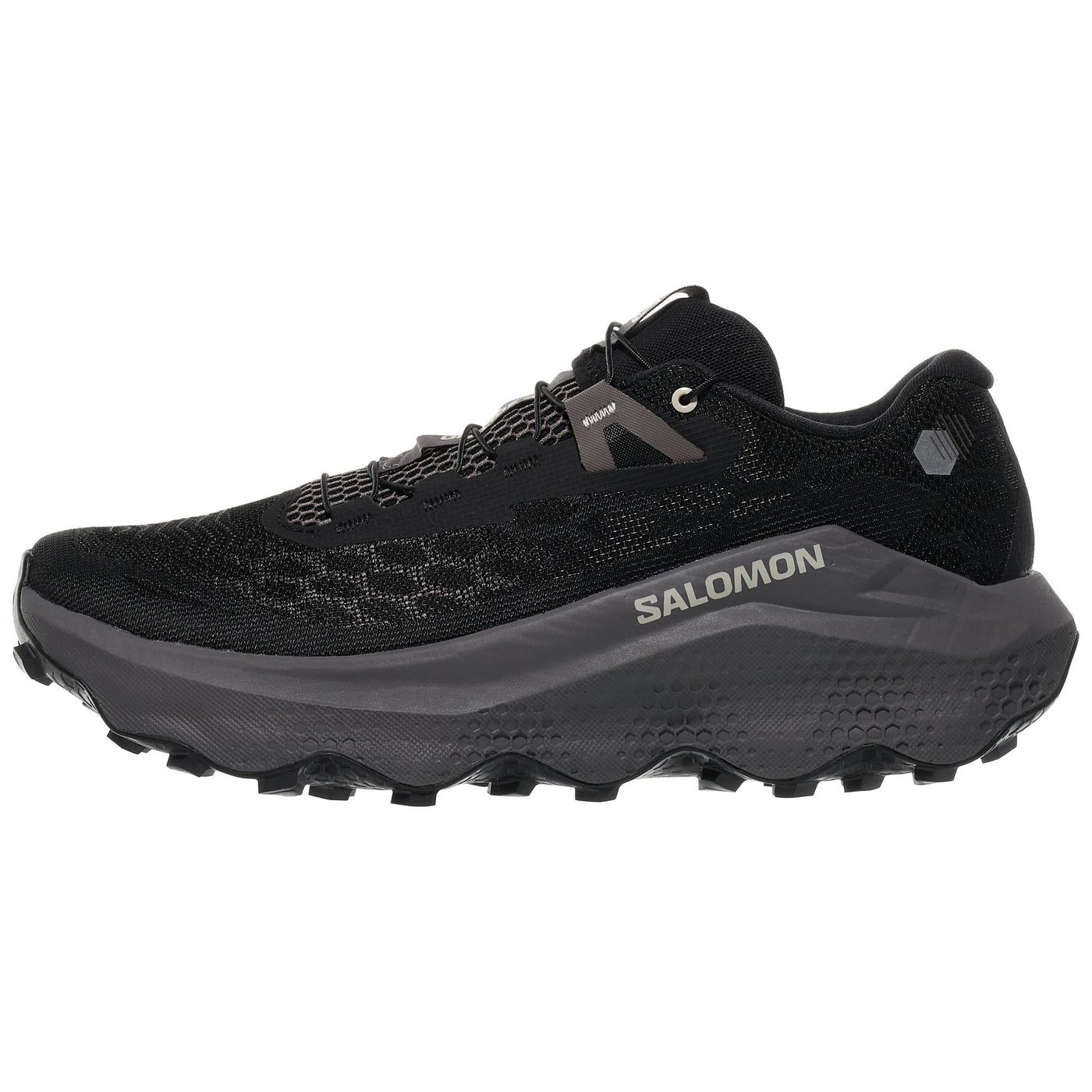
The Salomon Ultra Glide 4 hit French retailers on February 1, 2026. Salomon's versatile max-cushion trail shoe pushes its "comfort, distance, accessibility" philosophy further with a new, livelier optiFOAM, a more breathable upper and a better balance between weight and protection. 280 g, 6 mm drop, 41 / 35 mm stack height, 4.5 mm Contagrip outsole, €150. As a RunMorph coach, I see a shoe that makes ultra-trail accessible without any major compromise.
Salomon Ultra Glide 4 Review: Max Cushion With New optiFOAM
8/10
Salomon refines its versatile ultra formula
Since 2021, the Ultra Glide has been Salomon's accessible max-cushion trail shoe. Not the most technical, not the fastest, but a go-to for runners who want to go the distance in the mountains without spending €250. Version 4 keeps that identity and fixes the flaws of the v2 (Salomon skipped the v3 in its numbering): an upper that ran too hot, durability that topped out around 600 km, and grip that needed work on wet rock slabs.
The Ultra Glide 4 goes up against the Asics Trabuco Max 5, the Hoka Speedgoat 7 and the On Cloudultra 3. Released on February 1, 2026, it sells for €150 in France through salomon.com/fr-fr and the major sports retailers (Intersport, Decathlon via its marketplace, Snowleader, Hardloop).
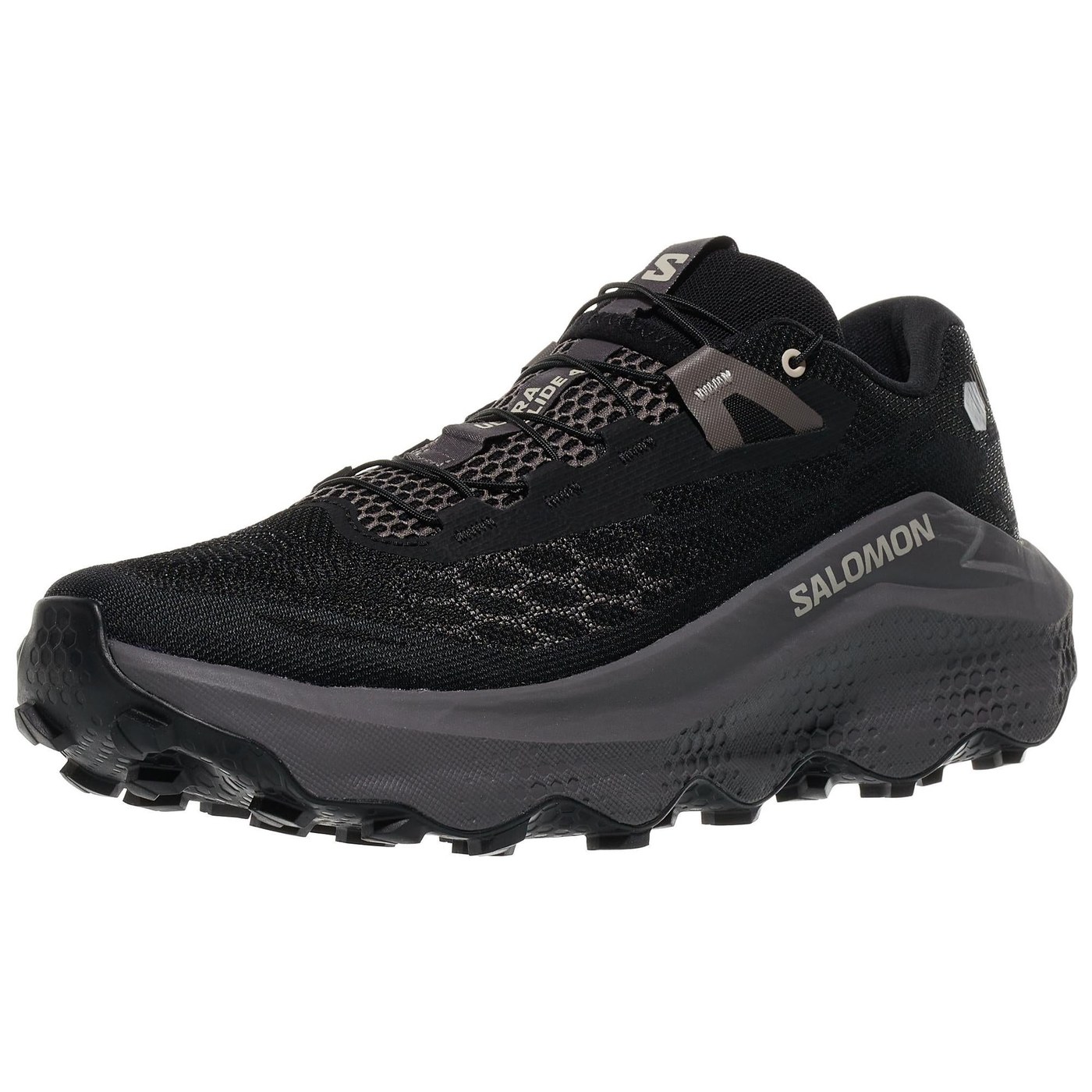
© Salomon, official photo used for editorial purposes
RunMorph's advice
If you're training for your first 50 to 100 km ultra-trail in mid-altitude mountains or on mixed terrain, the Ultra Glide 4 is excellent value for money. At €150, it's €50 less than the On Cloudultra 3 and €30 less than the Asics Trabuco Max 5, for a broadly comparable shoe. For extreme ultras on highly technical high-mountain trails, I prefer the Hoka Speedgoat 7 or the Salomon S/Lab Genesis.
Objective technical data
| Brand | Salomon |
| Model | Ultra Glide 4 |
| Release date | February 1, 2026 |
| Type | Versatile max-cushion trail shoe, runnable ultra-trail |
| Drop | 6 mm |
| Heel / toe stack height | 41 mm / 35 mm |
| Weight | 280 g (men's, size 42.5) / 252 g (women's) |
| Foam | optiFOAM (2026 formulation, +25% energy return) |
| Geometry | Pronounced R.Camber rocker, Relieve Sphere shaping |
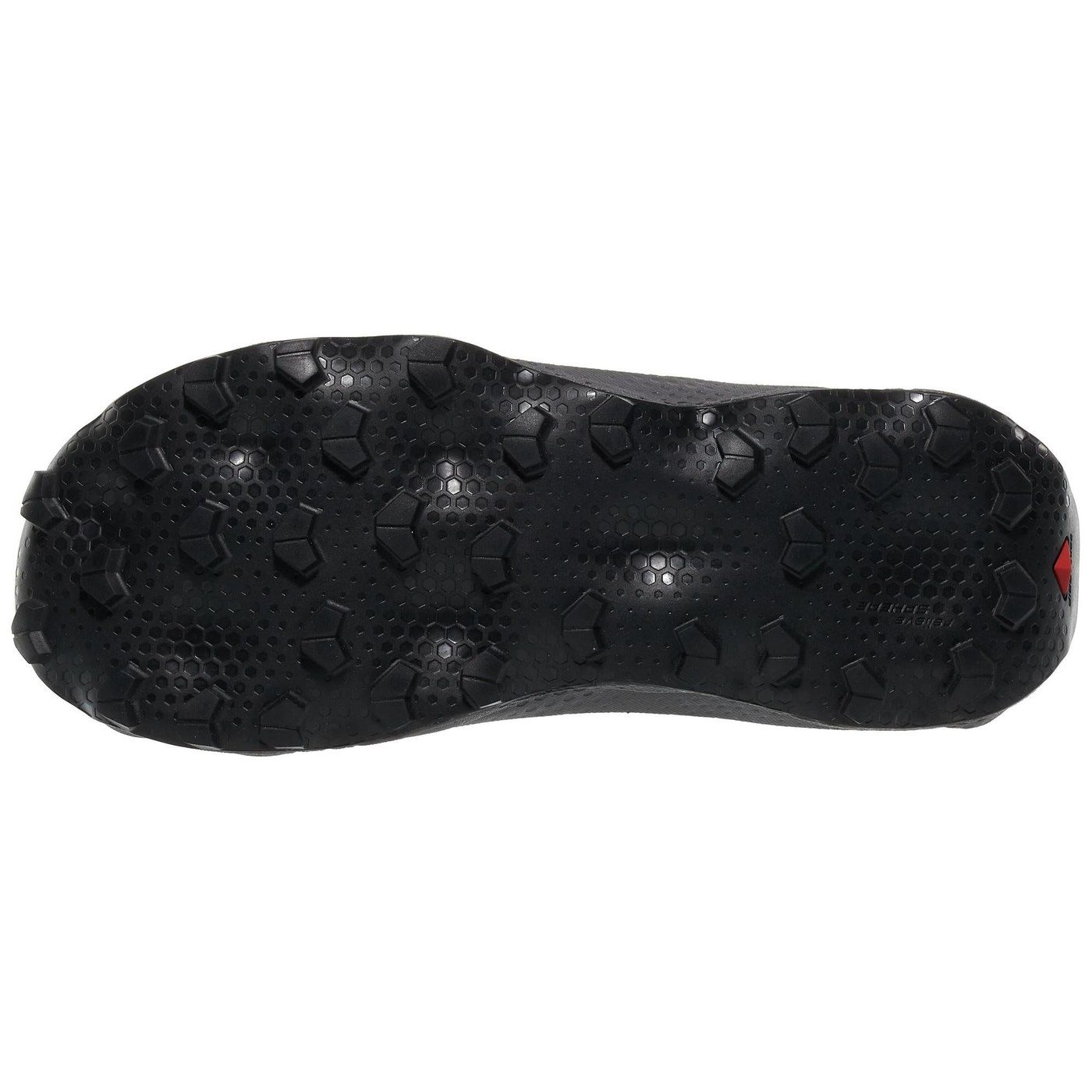
| Outsole | Contagrip All Terrain, 4.5 mm lugs |
| Upper | Breathable engineered mesh + abrasion overlays |
| Recommended distance | 30 km to 100 miles |
| Official price | €150 |
Three numbers to remember: 280 g (reasonable for 41 mm of stack), 4.5 mm Contagrip (generous lugs for versatility), €150 (below the €200 psychological threshold that shuts a lot of doors in France).
The 6 mm drop is in line with modern ultra-trail standards. The R.Camber geometry is a pronounced rocker that smooths the heel-to-toe transition, which really pays off late in a long run when your cadence drops. Relieve Sphere is a Salomon innovation: a system of internal pads that spreads pressure under the arch and prevents hot spots. It's a detail, but you feel it after 4 hours on your feet.
Who is this shoe for?
The accessible ultra-trail runner (50 to 100 km)
This is its core target. If your calendar includes the Eco-Trail Paris, the Marathon du Mont-Blanc, the Templiers (short or mid distance), the Mont Aigoual or the Trail de Roussillon, the Ultra Glide 4 gets the job done. You get the protection you need to last 6 to 12 hours without paying €200 for an On Cloudultra 3.
The runner moving up to long trail races
If you're switching from road half marathons to trail, or training for your first ultra-trail, the Ultra Glide 4 is an excellent entry point. Protection is generous, stability is solid and the Contagrip grip is reliable. You don't need to understand the finer points of a high-end shoe to enjoy it from your very first run.
The all-rounder who mixes road and light trail
With its fairly soft optiFOAM and pronounced rocker, the Ultra Glide 4 holds its own on asphalt (keep that to 5 to 10% of your runs at most). You won't use it as a daily road shoe, but for a 90-minute long run that mixes fire roads, singletrack and stretches of pavement, it's very acceptable. For more versatile use, check out the Salomon GRVL Concept, which is built for exactly that.
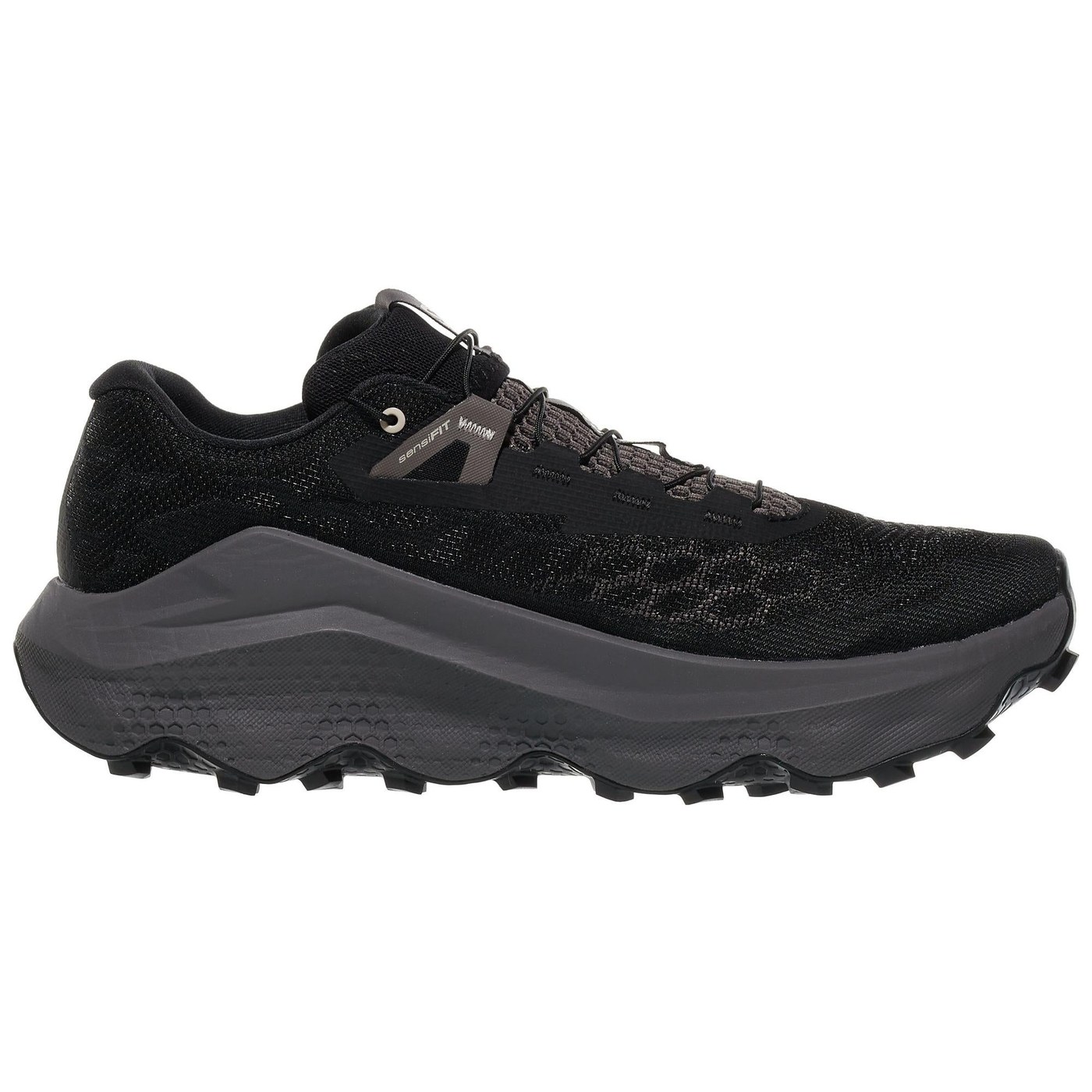
© Salomon, official photo used for editorial purposes
On the run: what you'll feel
First steps: soft and stable. You don't get the explosive bounce of a 100% PEBA foam, but a predictable softness. The Salomon Ultra Glide 4 carries you without throwing you forward. That's a deliberate choice: the shoe goes for long-haul comfort, not pure performance.
On runnable climbs (up to 8% grade), the shoe is efficient thanks to the R.Camber rocker, which helps with propulsion. On steeper or more technical slopes, you notice the 280 g a little, but nothing that holds you back. The upper is flexible enough to let your ankle flex freely.
On descents, the 4.5 mm Contagrip outsole grips well on most surfaces: dry rock, moderately wet rock, packed roots, loose dirt. On very wet limestone slabs or moss-covered roots, the shoe hits its limits (as do most versatile trail shoes). For that kind of terrain, go for an S/Lab Genesis.
On ultras (beyond 6 hours), the optiFOAM holds up well. It doesn't bottom out, the rebound stays consistent and your foot never feels crushed. That's exactly what you want from a shoe in this category. The Relieve Sphere system does its job: no hot spots under the arch after 8 hours of running during testing.
How it stacks up against direct rivals
Vs On Cloudultra 3 (€200, 295 g, 6 mm drop): the Cloudultra 3 adds supercritical Helion HF foam (PEBA) and a TPU Speedboard plate for €50 more. It stays livelier over long distances, but the ride has a more distinctive character. If your budget allows, get the Cloudultra 3. If not, the Ultra Glide 4 does the job with nothing to apologize for.
Vs Asics Trabuco Max 5 (€180, 310 g, 4 mm drop): the Trabuco Max 5 goes all in on comfort with its FF Blast Plus foam, but it's 30 g heavier and a little less versatile. The Ultra Glide 4 is lighter and easier on the wallet.
Vs Hoka Speedgoat 7 (€155, 285 g, 4 mm drop): a very close fight, with just €5 between them. The Speedgoat 7 leans more toward the mountains (Vibram Megagrip, stiffer build), while the Ultra Glide 4 is more versatile. Pick based on the terrain you run most.
Vs Saucony Peregrine 16 (€140, 260 g, 4 mm drop): the Peregrine 16 is built for mid-distance trail (10 to 50 km), firmer and more precise. The Ultra Glide 4 takes over on long distances thanks to its higher stack (41 mm vs 28 mm).
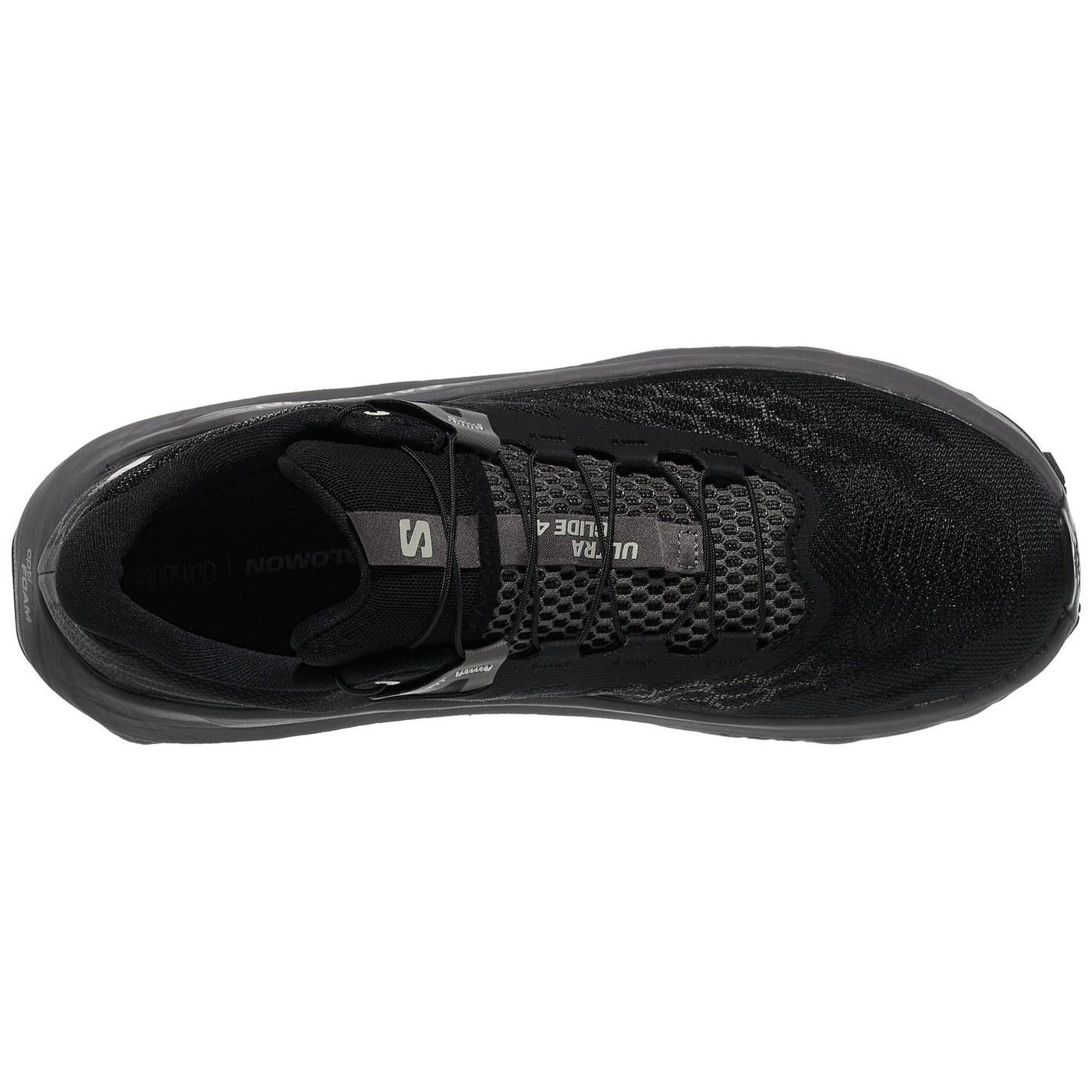
© Salomon, official photo used for editorial purposes
How to fit it into your RunMorph training plan
The Ultra Glide 4 is a versatile shoe for long training runs and long races. Here's how I use it when building RunMorph plans:
Progressive long run (90 to 240 minutes). This is the shoe's main job. You build your aerobic base, your body learns to go long, and the comfort of the optiFOAM lets you work up gradually to 4-hour runs without joint pain.
Target races: 30 to 160 km trail. This is its hunting ground. Ecotrail, Templiers, Maxi-Race, Diagonale des Fous (runnable sections), 6000D, Festival des Templiers: the Ultra Glide 4 delivers. For a very technical 100-miler in the high mountains, I prefer the S/Lab Genesis or the Speedgoat 7.
Recovery trail run (45 to 75 minutes). The reasonable weight and soft feel work well for easy trail runs the day after a big session.
What I don't recommend this shoe for, period: road races longer than 5 km (it isn't built for that), short intervals (the weight penalizes pace changes), very technical trails over slick rock or roots (go for a Speedcross 6 instead).
RunMorph Coach verdict
The Salomon Ultra Glide 4 is an excellent new take on the accessible, versatile ultra shoe. Salomon didn't reinvent anything; it fine-tuned. The new optiFOAM brings a real gain in liveliness, the upper breathes better and claimed durability is up 10%. At €150, the value for money is excellent.
My two reservations: the shoe never shines in any one area (not lightness, not pure performance, not technical terrain), and optiFOAM still trails PEBA foams for elite-level energy return. For runners who want a versatile, durable shoe without breaking the bank, it's one of the best trail buys on the market right now. For sharper goals (chasing times, purely technical terrain), look elsewhere.
If you're preparing an accessible ultra-trail and your budget is around €150, it's a purchase you won't regret. For more specialized goals, look instead at the On Cloudultra 3, the Hoka Speedgoat 7 or the Brooks Cascadia Elite.
Key takeaways for your training
- Accessible, versatile max-cushion trail shoe: 280 g, 6 mm drop, 41/35 stack, 2026 optiFOAM, 4.5 mm Contagrip outsole, R.Camber rocker, Relieve Sphere, €150.
- Who it targets: accessible 30 to 160 km ultra-trails, newcomers to long trail races, all-rounders mixing road and light trail.
- Strengths: excellent value for money, 2026 optiFOAM livelier than the v2's, durability up 10%, more breathable upper, effective R.Camber geometry + Relieve Sphere.
- Limitations: lacks the pop of a pure PEBA foam, not suited to very technical high-mountain terrain, no carbon plate.
- Matching RunMorph plans: accessible ultra-trail prep, long runs, recovery trail runs.
© Salomon, official photo used for editorial purposes