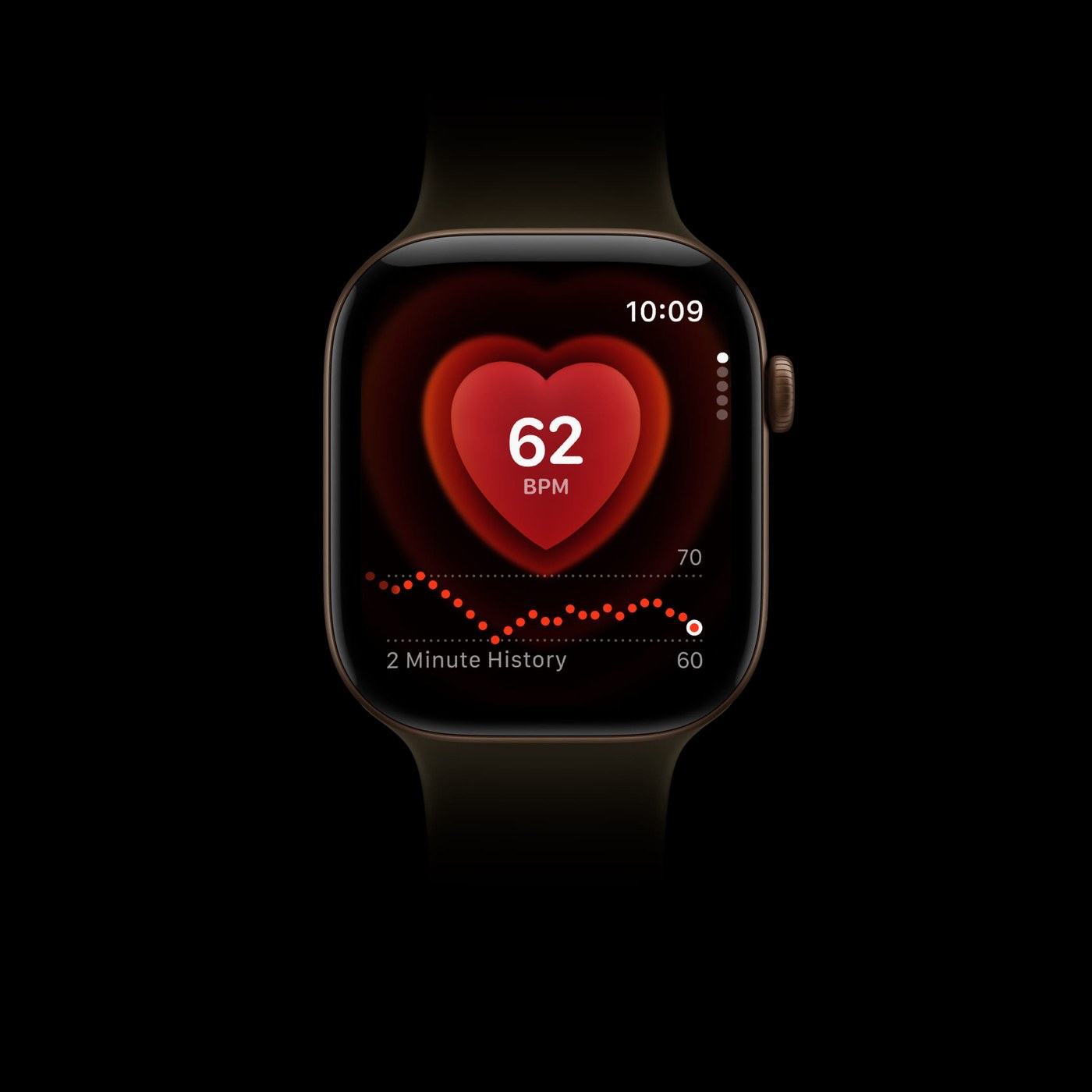
Apple calls it "the most accurate heart rate measurement on a wearable." A runner's question is more down to earth. Does the Series 12 finally track a long run like a chest strap, and can it get through a half marathon without battery anxiety? On heart rate, the first side-by-side readings back Apple up. On GPS, nothing has changed.
© Apple, official photo used for editorial purposes
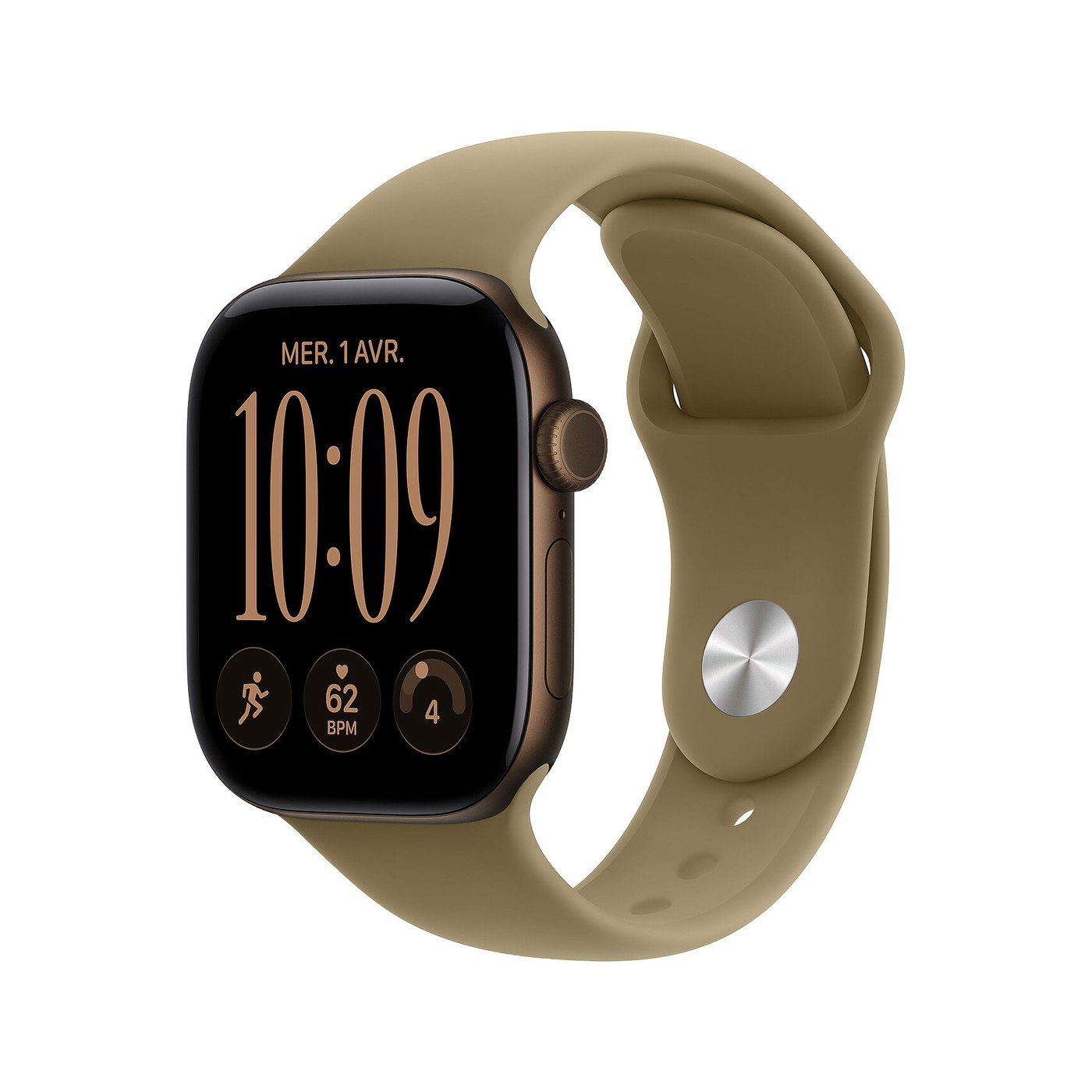
Apple Watch Series 12: Apple's mainstream watch finally targets runners
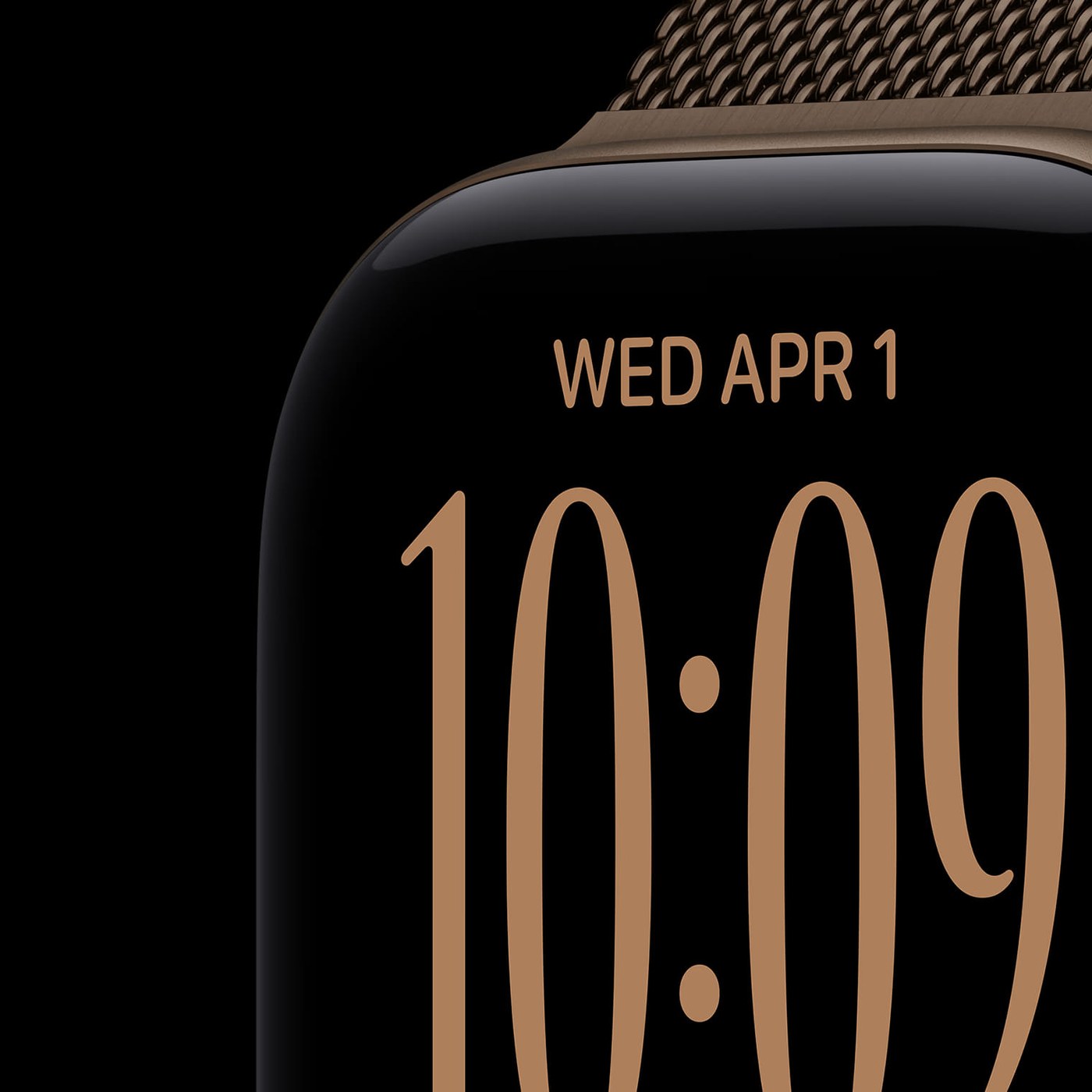
The Series 12 has been in stores since September 18, 2026, a little over a month before this review. It starts at €449 for the 42 mm aluminum GPS model and €499 for the 46 mm. The case barely changes: 9.7 mm thick, 32.2 g for the 42 mm aluminum, 39.5 g for the 46 mm.
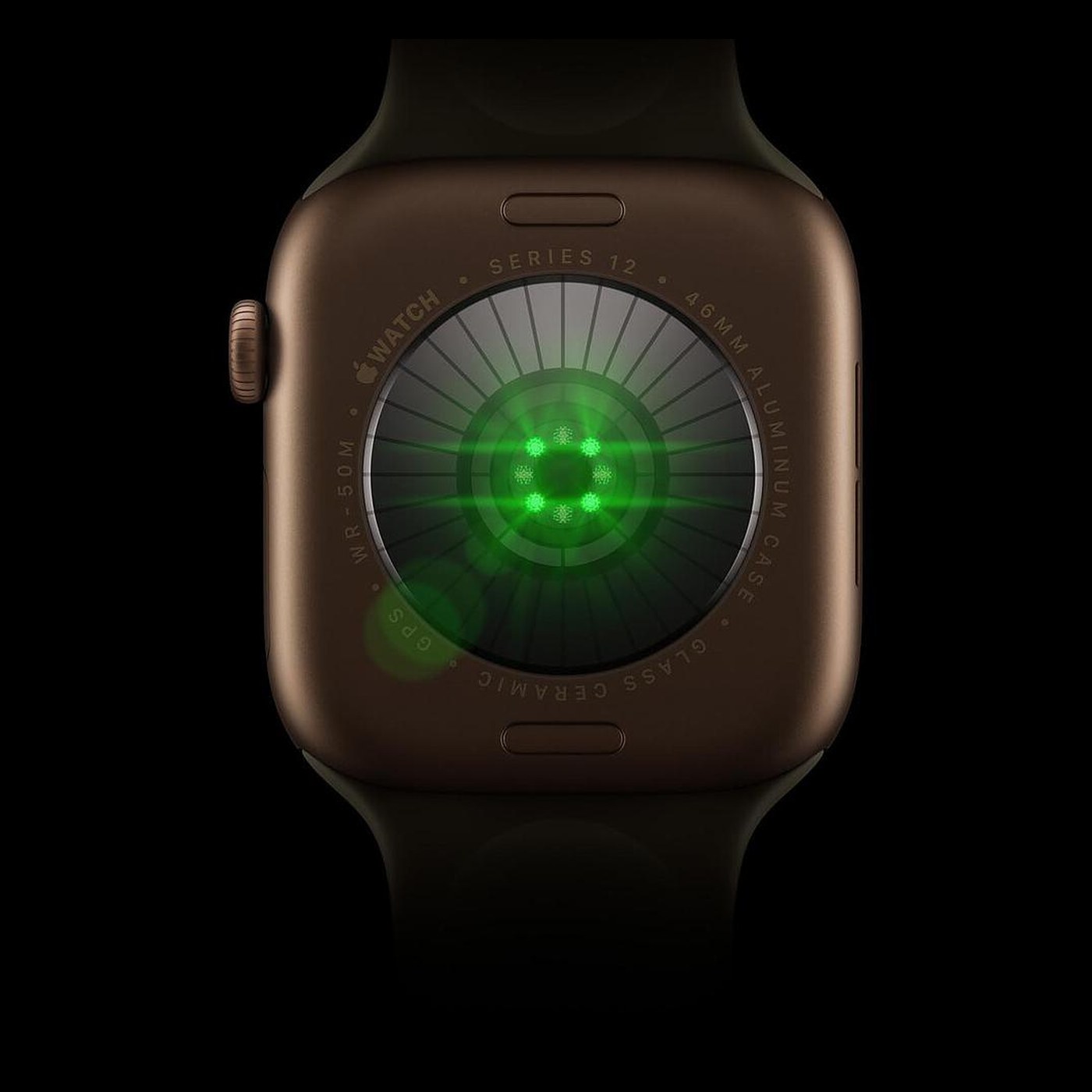
The real work is inside. Apple redesigned the optical sensor (larger green LEDs, new electrodes), added a daily readiness score and raised claimed workout battery life from 8 to 10 hours. What Apple left alone matters a lot to us: GPS stays single-frequency L1, while the Ultra 4 and a €269 Coros Pace 4 already pick up both bands.
RunMorph's advice: got a Series 11 that works fine? Keep it, because the difference on the run mostly comes down to all-day heart rate. Want a watch to improve at 10K and half marathon with a proper racing GPS on a tight budget? The Garmin Forerunner 265 does a better job there.
What Apple claims vs what testers measured
| Item | Apple's claim | Testers' findings |
|---|
| GPS running battery | 10 h | 6% used in 55 minutes of running, a pace consistent with about 15 h |
| Everyday battery | 24 h | 30 h on average with 5 km runs and sleep tracking (French review); 51 h on one full drain cycle, not repeated in the second test |
| Low Power Mode | 38 h | 46 h to go from 100% to 20% |
| Long-run heart rate | "The most accurate on a wearable" | 138 bpm average against 137 on a Garmin Fenix 9 Pro |
| Charging 0-80% | 30 minutes | 57 minutes measured by a US tester |
Battery life beats the claim everywhere. Apple is playing it safe, which is good news for your half marathon. Charging, on the other hand, takes nearly twice as long as promised in the only timed measurement available.
© Apple, official photo used for editorial purposes
Who is the Apple Watch Series 12 for?
Road runners racing 10K to half marathon
This is its natural target. Steady paces on open pavement give L1 GPS little trouble, and a 1:45 half marathon barely dents the battery at the rate testers recorded. Reliable heart rate pays off straight away if you train by zones.
Trail runners
Wrong choice. Under tree cover, on tight switchbacks or at the bottom of a valley, single-frequency GPS drops off the most. No tester measured a mountain track with the Series 12. What we do know is what dual-frequency brings on that terrain, and the Series 12 doesn't have it.
Triathletes and marathoners
It swims and it handles a 3:30 marathon with no trouble. The roadblock is elsewhere: no ANT+, so no ANT+ bike power meter or foot pod pairing directly. A marathon beyond 5 hours is covered on paper, but with no margin left for the rest of the day.
GPS accuracy and heart rate sensor: two very different stories
Good news first. On a long run, a British tester wore the Series 12 and a Garmin Fenix 9 Pro at the same time. Average: 138 bpm against 137. The two traces, he wrote, followed each other "remarkably closely." On the bike, 124 against 122. Another tester compared it with a Garmin chest strap and called the readings "pretty much spot on."
There is a catch. Over 40 minutes of strength training, a French review found a 125 bpm average against 132 on the Fenix 9 Pro, and 242 kcal against 340. That's not running, but the calorie gap shows not everything is sorted.
And Apple's study? 1,460 participants enrolled, 1,254 analyzed, a Polar H10 chest strap as the reference. The Series 12 beat every competing watch tested. A specialist analyst still points out the limits: a study funded and run by Apple, sessions of only 15 to 20 minutes, and no heart rate variability data even though the readiness score depends on it. Honestly, the field readings count for more than that paper.
GPS, for its part, was not measured over a reference distance by the testers we read for this review. Only one wrote that it caused "no obvious problems." That's thin. The chip is still single-frequency L1, like on the Series 11, which already logged 20.00 km on a measured course in our previous review. In open city streets, you won't notice. Between tall buildings or under trees, a dual-frequency watch does better.
Maps and navigation
watchOS offers maps and route following, with backtrack on your trail. That's enough for an easy run in an unfamiliar city. To follow a GPX in the mountains, an outdoor watch is still the safer bet, especially since single-frequency GPS becomes the weak link on exactly that terrain.
Training and recovery metrics
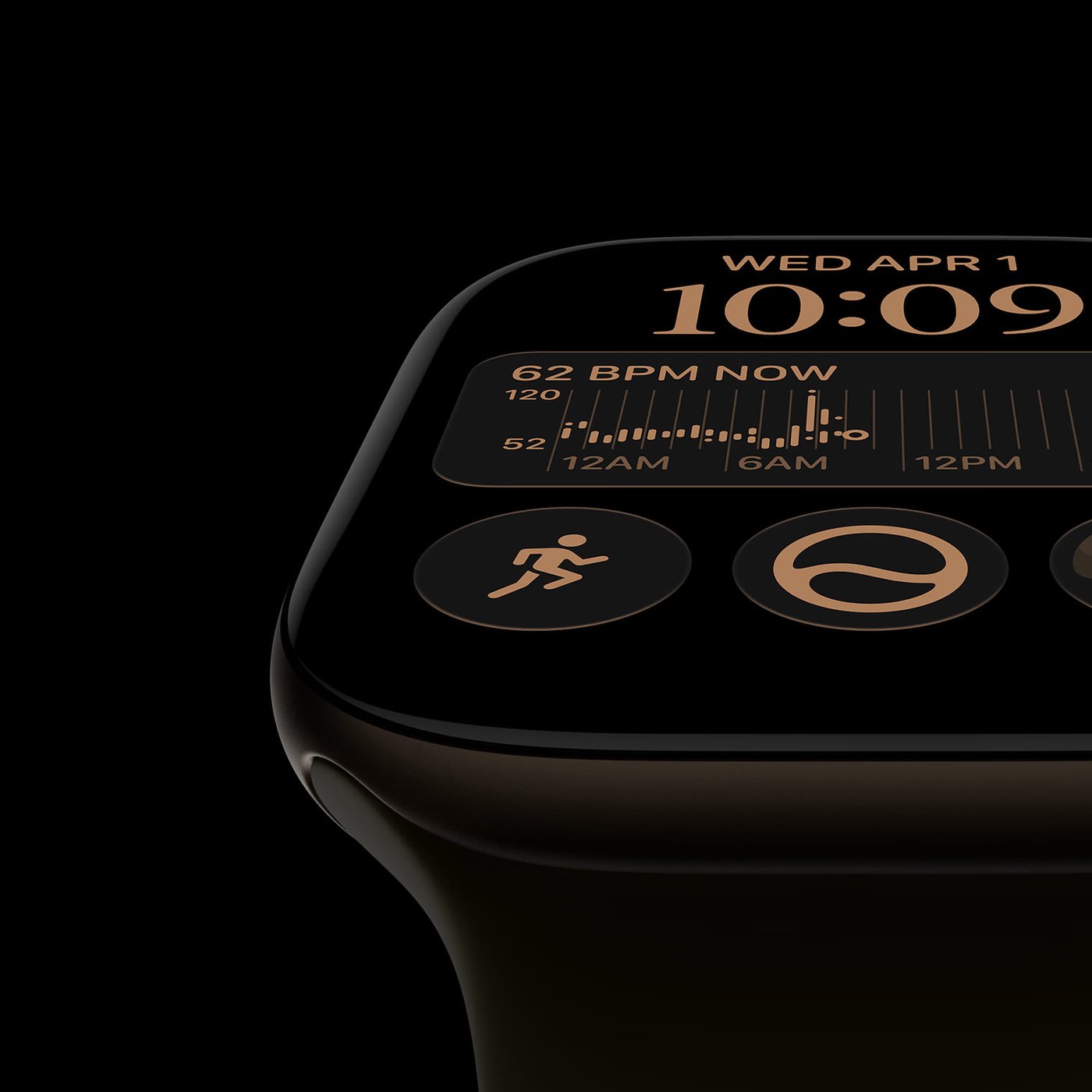
The new feature that matters is the readiness score. A rating from 0 to 10 and four recommendations: recover, pace yourself, ready, go for it. It combines sleep, overnight vitals and recent load. Two concrete limits: you need seven nights of wear with at least 4 hours of sleep, and one tester waited almost two weeks for a first score. That first score was 2 out of 10 after a 17 km run and a day of walking. Makes sense.
Heart rate variability is recorded roughly every 5 minutes, against every 2 to 4 hours on the Series 11. No subscription to pay, unlike Oura. The data is still scattered across several apps, a complaint one tester raised.
© Apple, official photo used for editorial purposes
Real-world battery life: better than claimed, still far from a Garmin
6% for 55 minutes of running. In plain terms, a half marathon or even a 3:30 marathon goes through without charging that morning. Day to day, the French review recorded about 30 hours with a few 5 km runs and tracked nights. So you charge every day, or every other day in Low Power Mode.
By comparison, the Coros Pace 4 claims 41 hours of GPS for 32 g. Not the same product, but if battery life is your number one criterion, the question answers itself.
Apple Watch Series 12 vs Series 11, Ultra 4 and Coros Pace 4: the comparison
| Criterion | Series 12 | Series 11 | Ultra 4 | Coros Pace 4 |
|---|
| GPS | L1 single-frequency | L1 single-frequency | Dual-frequency | L1 + L5 |
| Claimed GPS battery | 10 h | 8 h | Up to 50 h (overall use) | 41 h |
| Readiness score | Yes | No | Yes | No |
| Weight | 32.2 g / 39.5 g | 30.3 g / 37.8 g | About 63 g | 32 g |
| Price | From €449 | €449 at launch | €899 | €269 |
Our take. If you're staying with Apple and you train seriously, the Ultra 4 is the only one that fixes the GPS problem, for €450 more. If you just want the best running watch for the money, the Pace 4 costs €180 less and picks up both bands. The Series 12 wins on one point: it's the best everyday watch on this list, notifications, payments and health included. On the Garmin side, the Forerunner 570 remains more complete for structured training.
How to fit it into your RunMorph training plan
The Series 12's strength is heart rate. Use it to lock your easy runs into zone 2, where most runners go too fast. The readiness score can help you push back an interval session after a bad night, but don't let it run your whole plan: it knows nothing about your race goal. The RunMorph 10K plan works out your target paces and adjusts the load week after week. The watch measures, the plan decides.
© Apple, official photo used for editorial purposes
RunMorph Coach verdict
RunMorph score: 7.2/10.
The Series 12 fixes what bothered runners least and leaves in place what bothers them most. Heart rate is now on par with a high-end Garmin on a long run, and running battery life beats the claim. But at €449, sticking with single-frequency GPS in 2026 is hard to defend when a €269 watch does better. Buy it if you have an iPhone, run on the road and want one watch for everything. If running comes before everything else, get a Coros Pace 4, or an Ultra 4 if you don't want to leave Apple.
© Apple, official photo used for editorial purposes