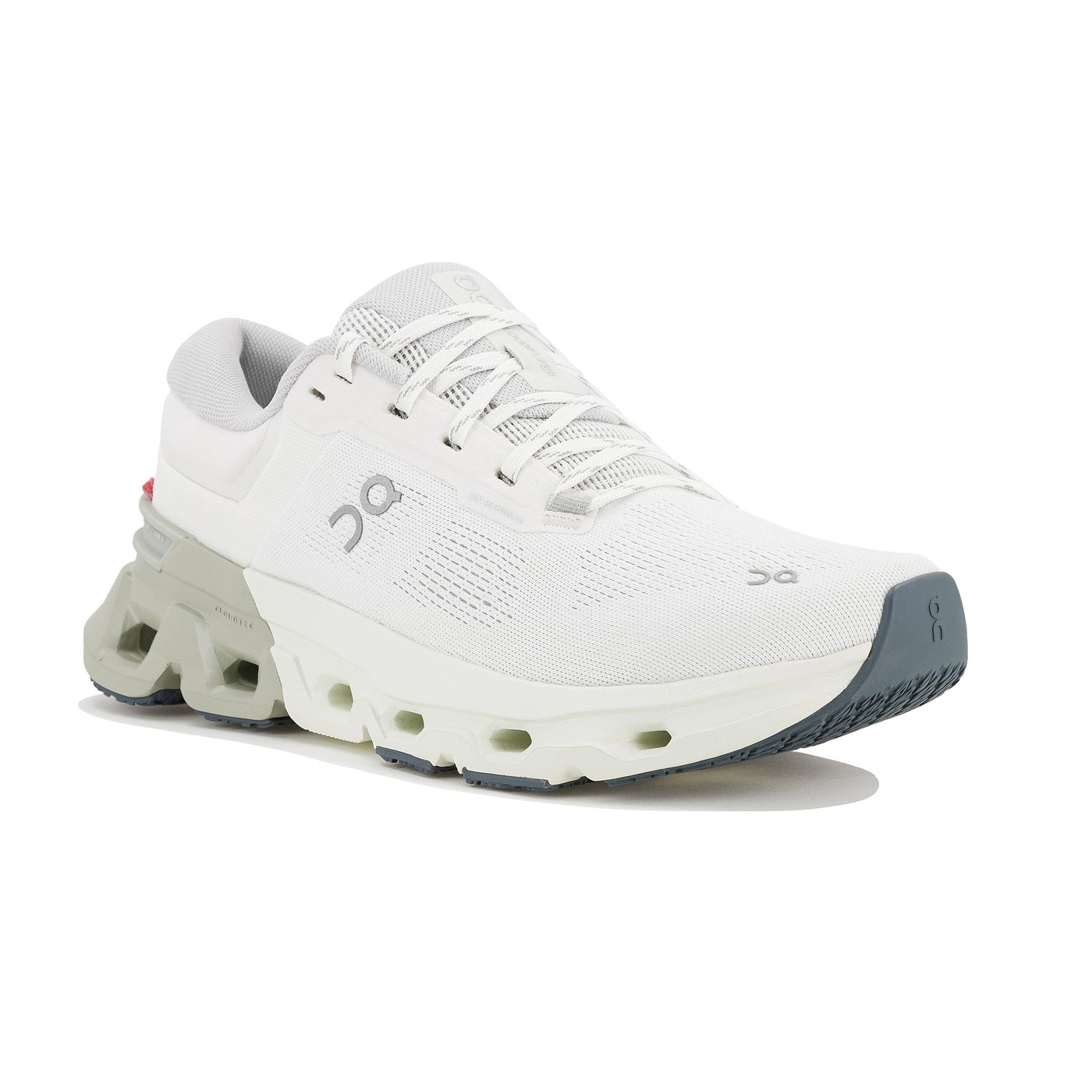
The spec sheet promises a 10 mm drop and a weight kept to around 280 grams, the classic pitch for a comfortable stability shoe for your Sunday easy run. Lab measurements tell a different story: a real drop of 7.9 mm and a measured weight of 329 grams. RunMorph cross-checked these figures against field reports to see what the Cloudflyer 5 really delivers.
© On, official photo used for editorial purposes
On Cloudflyer 5: stability through guidance, not correction
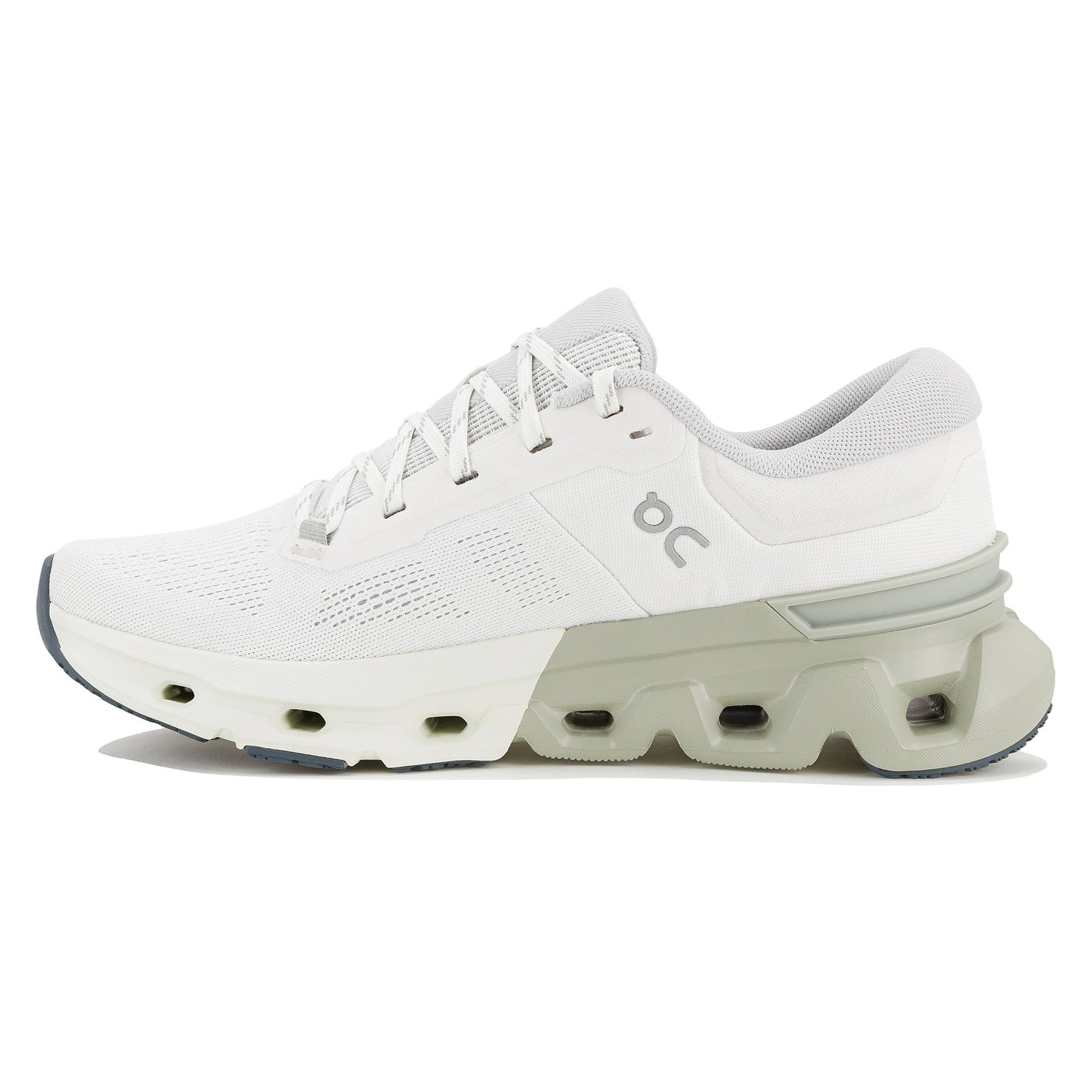
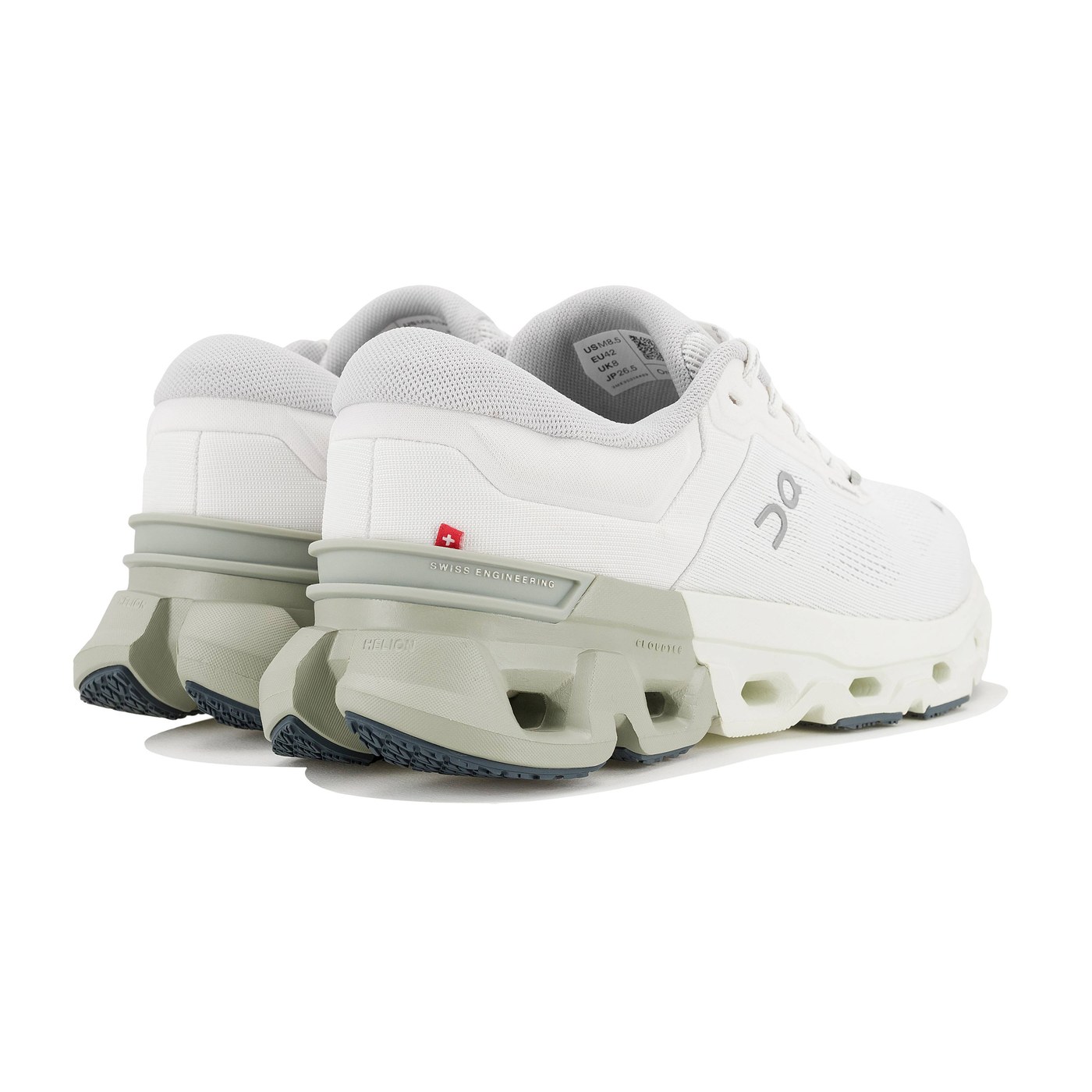
On has always sold the Cloudflyer line as its stability option, distinct from the neutral Cloudsurfer and the max-cushion Cloudmonster. The 5th generation keeps that positioning but changes the method: no old-school rigid medial post, but a widened heel platform, a reinforced heel counter and dual-density Helion foam, firmer on the medial side, softer on the lateral side. Independent lab testing backs up this approach: a stability score of 91/100, one of the highest in its comparison, achieved without a classic medial post.
An experienced American tester, who had found the Cloudflyer 4 too heavy and too firm to keep in regular rotation, sees real progress on the 5: a smoother forefoot transition, a better upper and a clearer sense of stability. He still has one clear reservation: the heel stays firm, with a pronounced bevel that makes heel landings a little rough, which he calls "clunky".
RunMorph's advice: if you land squarely on your heel and mainly want guidance without excessive restriction, this firm heel shouldn't bother you. If your foot strike drifts toward the midfoot or forefoot during a run, as one independent tester noticed on his own runs, the ride can get harsher as the kilometers pile up.
© On, official photo used for editorial purposes
Claimed vs measured: the gap that changes how you see this shoe
The official spec sheet and French retailers list a weight between 275 and 285 grams and a 10 mm drop. Independent lab measurements tell a clearly different story, itself backed by a separate independent weigh-in of 300 grams on a US size 9.
| Data point | Claimed | Measured (lab) | Gap |
|---|
| Weight (standard men's size) | 275 to 285 g | 329 g | +44 to 54 g (up to +19%) |
| Drop | 10 mm | 7.9 mm | -2.1 mm (-21%) |
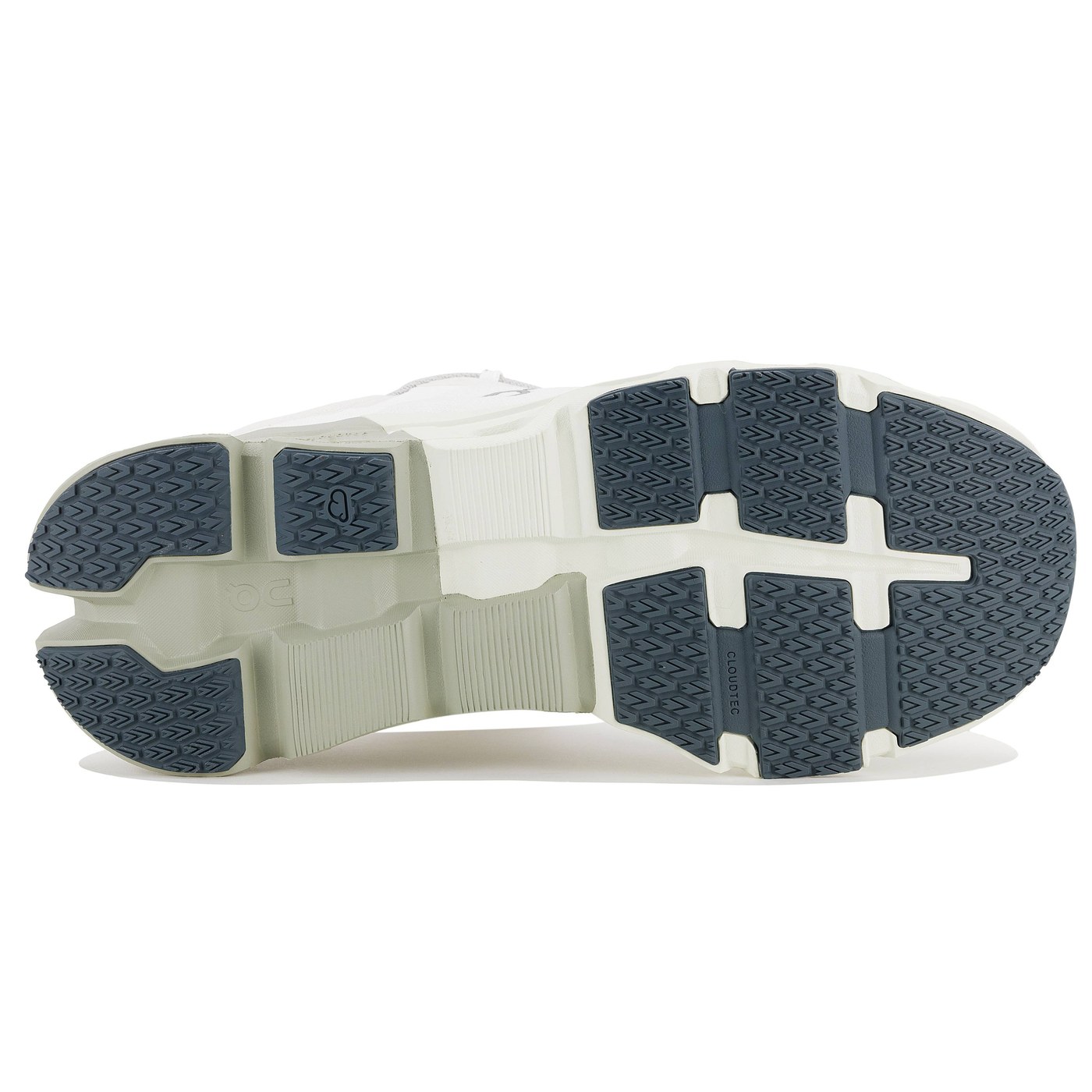
| Heel / forefoot stack | 31 / 21 mm | 33.2 / 25.3 mm | in line at the forefoot, the heel is closer to 33 mm than 31 mm |
In practice, the Cloudflyer 5 is neither as light nor as steep as its spec sheet suggests. A real drop under 8 mm pushes the shoe toward a more neutral transition profile, even though it's marketed as a high-drop benchmark for heel strikers. This double gap isn't documented anywhere in the brand's official communication.
Who is it made for?
The heel striker who wants guidance without restriction
This is the core profile On is targeting. Camille Cholbi, the French tester at 21Run, describes a shoe that's comfortable from the first kilometers, with cushioning that feels natural once you're rolling, and a real sense of stability on long runs.
The runner who sticks to easy runs and long runs, not tempo
The lab scores leave no doubt: 83/100 for daily use against 40/100 for tempo and just 28/100 for racing. The Cloudflyer 5 isn't meant for intervals or a threshold session.
The runner who puts fit comfort ahead of low weight
A wide, well-padded upper and a thick gusseted tongue that keeps the laces from biting: both field tests we read agree on a generous, comfortable fit, at the cost of a weight that stays high for the category.
Cross-checked reviews: what runners who actually tested it say
RunMorph read 3 independent sources on this exact model in full, on top of the independent lab report used for the measurements and the overall score: the French field test from 21Run (Camille Cholbi, daily runs plus a long run the day after a 25 km session), a detailed review by an American tester (run-and-walk protocol, direct comparison with the Cloudflyer 4), and the aggregated page from Runnea (numeric sub-scores across 10 criteria).
All three sources agree on stability and fit comfort: 21Run calls it a "very pleasant" shoe over several runs, the American tester gives it an A- for stability and fit, and Runnea shows a stability sub-score of 7/10 and a cushioning sub-score of 9/10. Where they split is heel firmness: 21Run doesn't raise it as an explicit criticism, while the American tester clearly calls it the shoe's central flaw, with a performance grade capped at C+. RunMorph flags this split rather than smoothing it over: it most likely depends on your foot strike and on the distance of the run tested.
Two major flaws
Energy return and responsiveness below the category average
The number is clear: 48.3% heel energy return in lab testing, against an average of 58.7% for the daily trainers compared. Combined with firmer-than-average foam (28.0 HA vs 20.1 HA), it confirms the American tester's impression: a heel that absorbs less than it could, felt as "clunky" on hard landings. The lab's Tempo (40/100) and Race (28/100) scores point to the same limit: this shoe doesn't come alive beyond easy pace.
A price that doesn't match what it delivers
A 180-euro list price for a moderate stack (33.2 mm at the heel), with no premium foam and no plate, puts the Cloudflyer 5 above the average price of its category on the US market (170 dollars against a 157-dollar average). The B- value grade from the American tester reflects this gap between price and technical performance, even if stability and outsole durability remain solid.
© On, official photo used for editorial purposes
On Cloudflyer 5 vs On Cloudsurfer 2: the in-house comparison
Both shoes come from the same On range but serve different needs: the Cloudsurfer 2, already reviewed by RunMorph, is a versatile neutral daily trainer, while the Cloudflyer 5 fully owns its stability positioning.
| Criterion | Cloudflyer 5 | Cloudsurfer 2 |
|---|
| Positioning | Stability daily trainer (guidance) | Versatile neutral daily trainer |
| Measured weight | 329 g | Lighter, neutral profile with less material |
| Drop | 7.9 mm measured (10 mm claimed) | CloudTec Phase profile without Speedboard |
| Ideal use | Easy runs and long runs, heel strike | Daily runs at any pace, neutral stride |
For a neutral runner looking for versatility, the Cloudsurfer 2 remains RunMorph's On benchmark. For a runner who needs real heel guidance, the Cloudflyer 5 is still the brand's only stability option.
Against the competition: Brooks Adrenaline GTS 25 and Asics Gel-Kayano 33
| Criterion | On Cloudflyer 5 | Brooks Adrenaline GTS 25 | Asics Gel-Kayano 33 |
|---|
| Measured weight | 329 g | 295 g | Lighter thanks to the dual FF Blast foam |
| Stability (method) | Platform-based guidance, no medial post | GuideRails, external guidance |
| List price | 180 euros | 160 euros | Equivalent premium positioning |
| Responsiveness | Low (lab Tempo score 40/100) | Decent for a comfort stability shoe | Boosted by the dual FF Blast foam |
At 295 g measured for 160 euros, the Brooks Adrenaline GTS 25 does better on weight for the money. For a bigger budget but clearly more responsiveness, the Asics Gel-Kayano 33 remains the premium stability benchmark in the RunMorph catalog.
Cost per kilometer
Based on the list price (180 euros) and an estimated lifespan of 500 to 550 km for a stability daily trainer at this level (a reasoned estimate, not measured over a pair's full life by the sources we read), the cost per kilometer comes to around 0.33 to 0.36 euro. That's well above the Kiprun Cushion 500 (0.07 euro/km) and above the Brooks Ghost 18 (0.19 euro/km), two daily trainers already reviewed by RunMorph, which confirms the price gap identified above.
© On, official photo used for editorial purposes
How it fits into your RunMorph training plan
The Cloudflyer 5 belongs on easy runs and Sunday long runs, where stability and fit comfort matter more than responsiveness. In a structured plan, it isn't built for tempo or interval sessions, where its lab score drops sharply. To organize your paces across a full training cycle and know when to bring out a livelier pair, the RunMorph training plans lay out, zone by zone, the sessions where a stability daily trainer like this one fits.
The RunMorph coach's verdict
The On Cloudflyer 5 keeps a real promise of guidance-based stability, confirmed by both lab testing and the field reports read for this article. But two gaps weigh on the verdict: a measured weight far from the claim, and responsiveness that tops out early, consistent with below-average energy return for its category. Add a high price for what it delivers, and it ends up reserved for a specific use: easy runs and long runs for heel strikers. 7.8/10: the score rewards stability and durability, not responsiveness or value.
Key takeaways for your training
- Check the real drop before adjusting your stride: 7.9 mm measured vs 10 mm claimed, a gap that changes how the transition feels.
- Expect a higher real weight: 329 g measured, far from the 275-285 g claimed by the brand and retailers.
- Keep it for easy runs and long runs: the lab's Tempo (40/100) and Race (28/100) scores rule it out for fast sessions.
- Enjoy the roomy fit: comfort praised by two independent testers, go with your usual size.
- Compare prices before you buy: at a 180-euro list price, the Brooks Adrenaline GTS 25 offers a better weight-to-price ratio for the same use.
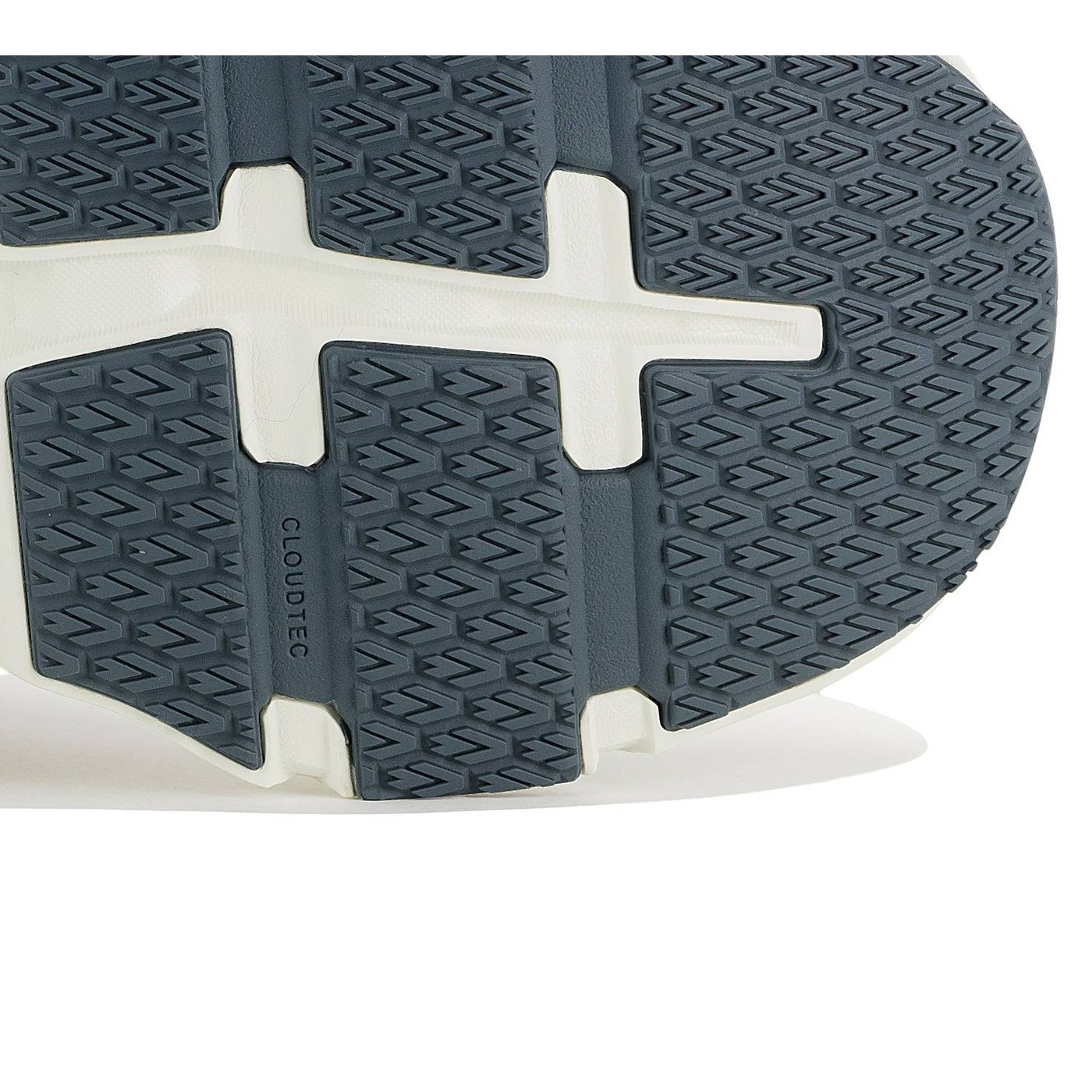
© On, official photo used for editorial purposes