The Hoka Torrent 5 lands in June 2026 with the simplest pitch there is: more foam, less weight, same price. On paper, the math works. On the trail, it also shows what 130 dollars can't buy. Here's our full review, no filter.
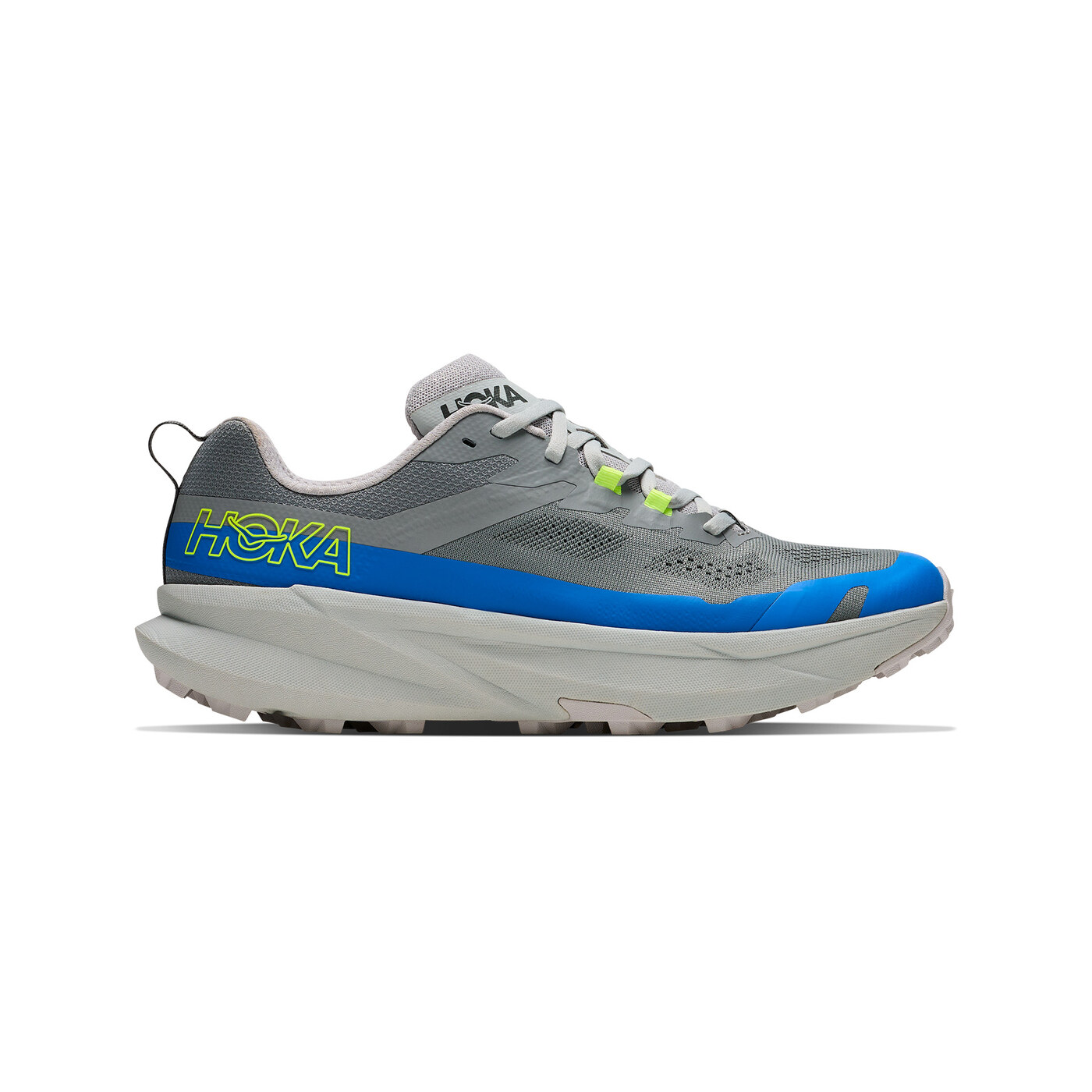
© Hoka, official photo used for editorial purposes
Hoka Torrent 5: the budget franchise that never really kept up
From day one, the Torrent held a special spot in the Hoka lineup: the model that stayed close to the ground while the rest of the catalog kept piling on foam. As the Speedgoat, Mafate and Skyward X climbed in stack height and tech, the Torrent kept a low profile and a tight price. That was its identity, and also its limit: less protection and less energy return than a more premium trail shoe.
Version 5 finally changes the game on volume. Hoka adds 5 mm of foam along the full length of the shoe, bringing the stack height to 38 mm at the heel and 32 mm at the forefoot, a level the franchise had never reached. The official drop stays at 5 mm. In other words, the Torrent 5 isn't trying to become a different shoe. It's trying to do what it already did, only better, with more material underfoot.
The real feat lies elsewhere: despite the extra foam, weight drops by about 20% versus the Torrent 4, thanks to a fully redesigned, breathable engineered mesh upper and a thinner wraparound protective rand. Hoka's claimed result: about 230 g in a reference men's size, versus nearly 280 g for the previous generation. On paper, more foam and less weight is the combo everyone is after. The question is what that thicker foam is really worth once it hits the dirt.
The thickest EVA midsole in the franchise: a real upgrade, with conditions
On paper, the technology is nothing spectacular: Hoka sticks with compression-molded EVA foam, a simpler and cheaper base than a supercritical foam or PEBA. What changes is the amount. By adding 5 mm along the full length of the shoe, the brand is tackling the main complaint about earlier generations: cushioning that felt too harsh on runs longer than 45 minutes.
From the first strides, the heel does absorb impact better than before. The Torrent 5's MetaRocker is more pronounced than on Hoka's other trail shoes, which tips your stride forward and clearly favors heel strikers. At the forefoot, though, the foam stays firmer and more direct: less cushion, more responsiveness, a deliberate trade-off to keep the shoe light rather than plush everywhere.
RunMorph tip: if you want the same extra cushioning on truly technical terrain, the Hoka Speedgoat 7 is still the brand's benchmark, with a Vibram outsole and far better protection. The Torrent 5 is built for gentler ground: keep it for smooth trails, not the mountains.
The key takeaway: this thicker EVA doesn't turn the Torrent 5 into a premium shoe. It's still a basic foam, without the rebound of a supercritical foam or PEBA. Hoka's goal was never to compete with a €180 or €200 shoe, but to make the Torrent more comfortable without raising the bill. On that specific point, it delivers.
Our trail test: where the Torrent 5 shines, and where it gives up
On gravel, smooth forest roads and loose singletrack, the Torrent 5 fully delivers. You feel the extra foam from the first few kilometers: runs between 45 minutes and 1:30 go much better than in the previous generation, without the harsh, dead feel that used to define the franchise. The MetaRocker smooths the heel-to-toe transition for heel strikers, and the pair's overall lightness shows as soon as you pick up the pace on a runnable stretch.
Things flip as soon as the terrain gets tricky. On boulders, wet limestone slabs or steep, rocky slopes, confidence drops fast: your footing turns hesitant, the soft outsole doesn't bite the way you'd expect, and the missing rock plate makes itself felt on every sharp stone. It's not a dangerous shoe, but it forces you to slow down and pick your lines, which is exactly what you don't want to do on technical terrain.
On runnable descents, stability holds up well thanks to a flared heel and a wide base that cradles the foot. But once the slope steepens on loose or soaked ground, the 5 mm lugs, decent on paper, can't make up for the soft rubber compound. The verdict is simple: the Torrent 5 is a shoe for trails and paths, not for the mountains.
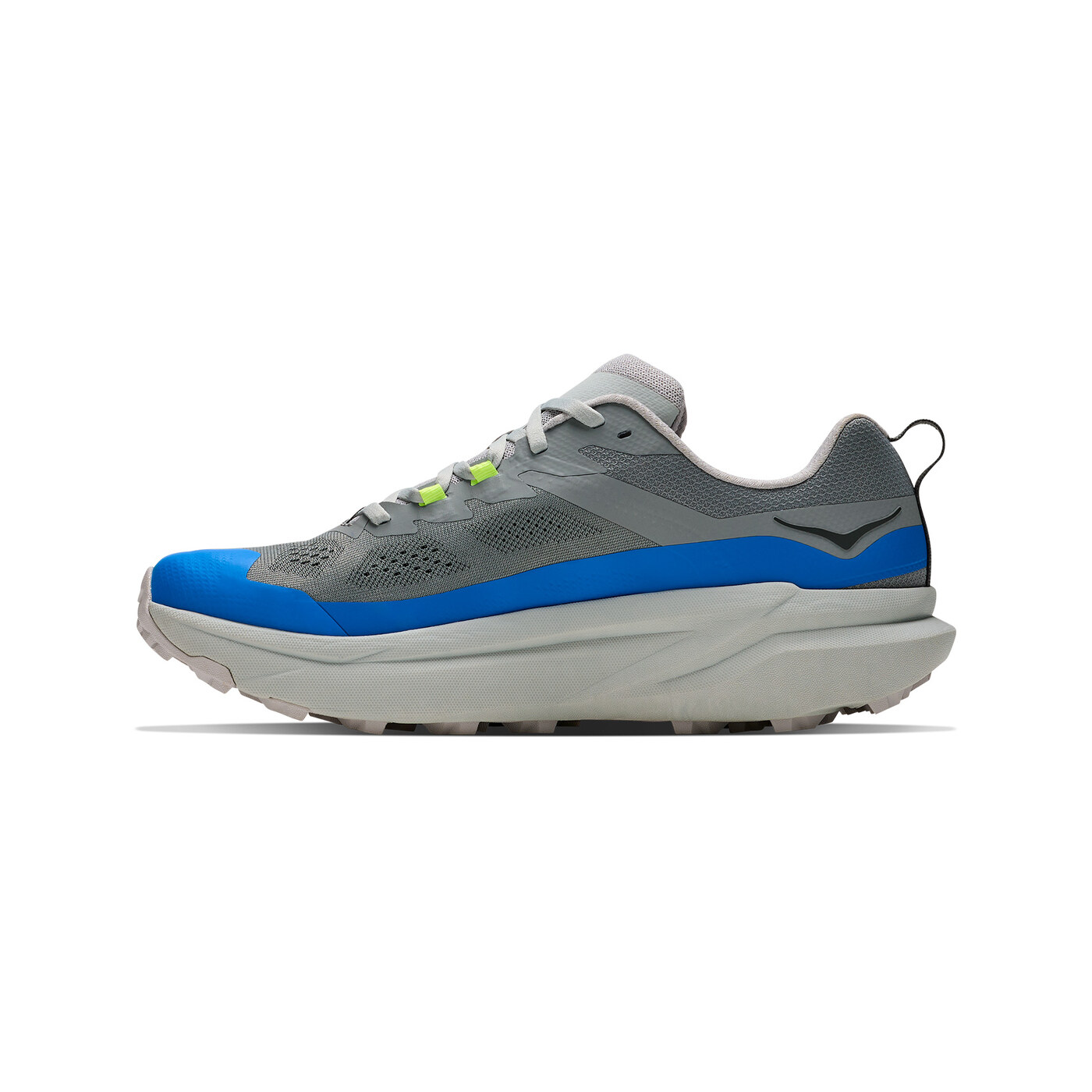
© Hoka, official photo used for editorial purposes
Hoka Torrent 5 vs Asics Blazeblast: the battle of the accessible trail shoes
In the budget, accessible segment, the most relevant comparison is the Asics Blazeblast, also designed for runners new to trail or mixing road and singletrack. Both shoes share a similar philosophy: put comfort and responsiveness ahead of technical aggressiveness, even if that means giving up grip on difficult terrain.
| Criterion | Hoka Torrent 5 | Asics Blazeblast |
|---|
| Price | 130 USD (~€140-150) | €160 |
| Weight (M) | ~230 g | 252 g |
| Drop | 5 mm | 8 mm |
| Stack height heel / forefoot | 38 mm / 32 mm | 43 mm / 35 mm |
| Lugs | 5 mm, Hoka proprietary rubber | 2.5 mm, Asicsgrip |
| Rock plate | No | No |
| Strength | Lightness and a snappy transition | Road-style foam rebound (FF Blast Max) |
| Terrain limit | Slips on rock and greasy mud | Slips on mud and steep slopes |
The Torrent 5 is lighter and cheaper, with slightly more aggressive lugs on paper. The Blazeblast leans more on road-style rebound thanks to its FF Blast Max foam and a taller stack height, at the cost of extra weight. Neither is built for technical terrain: the choice mostly comes down to budget (a clear win for the Torrent 5) and the feel you want underfoot (more direct with Hoka, bouncier with Asics).
Our take from the trail: which RunMorph workouts is it for?
The Torrent 5 naturally fits recovery runs, easy aerobic runs on smooth trails and first trail outings for runners coming from the road. Its lightness also makes it a good pick for slightly faster sessions on non-technical terrain, where a heavier, more protective shoe would hold you back.
For long runs in the hills, rocky sections or workouts on waterlogged trails, you're better off with a more protective pair. In your RunMorph plan, save the Torrent 5 for base endurance sessions and trail discovery runs, and keep a shoe with a rock plate or a Vibram outsole for technical days.
New to trail running, or want to structure your off-road runs without getting injured? A RunMorph coach can help you match the right sessions to the right pair. 👉 Talk to a RunMorph coach.
The RunMorph Coach verdict
The Hoka Torrent 5 does what it promises: more comfort, less weight, same tight price. It's a real upgrade over the previous generation and a solid option if you're getting into trail running or want a light shoe for smooth trails. But you need to be honest about its limits: with no rock plate, no Vibram rubber and a narrow fit with no wide option, it isn't meant to take on technical terrain. That's not a design failure. It's the logical trade-off of a shoe that sells for 130 dollars. At that price, with this level of comfort, the Torrent 5 earns its place, as long as you keep it on the terrain it was built for.
RunMorph score: 7.5 / 10
Key takeaways for your training
- +5 mm of EVA foam: the thickest midsole in Torrent history, a real comfort gain on long runs.
- -20% weight: about 230 g, one of the lightest accessible trail shoes on the market.
- No rock plate and no Vibram rubber: keep it for smooth trails, not technical terrain.
- Narrow fit, no wide version: check your foot shape before you buy.
- 130 USD: one of the best comfort-to-price ratios in the accessible trail segment in 2026.