Mizuno Wave Rider 29 Review: Still True to the Wave Plate
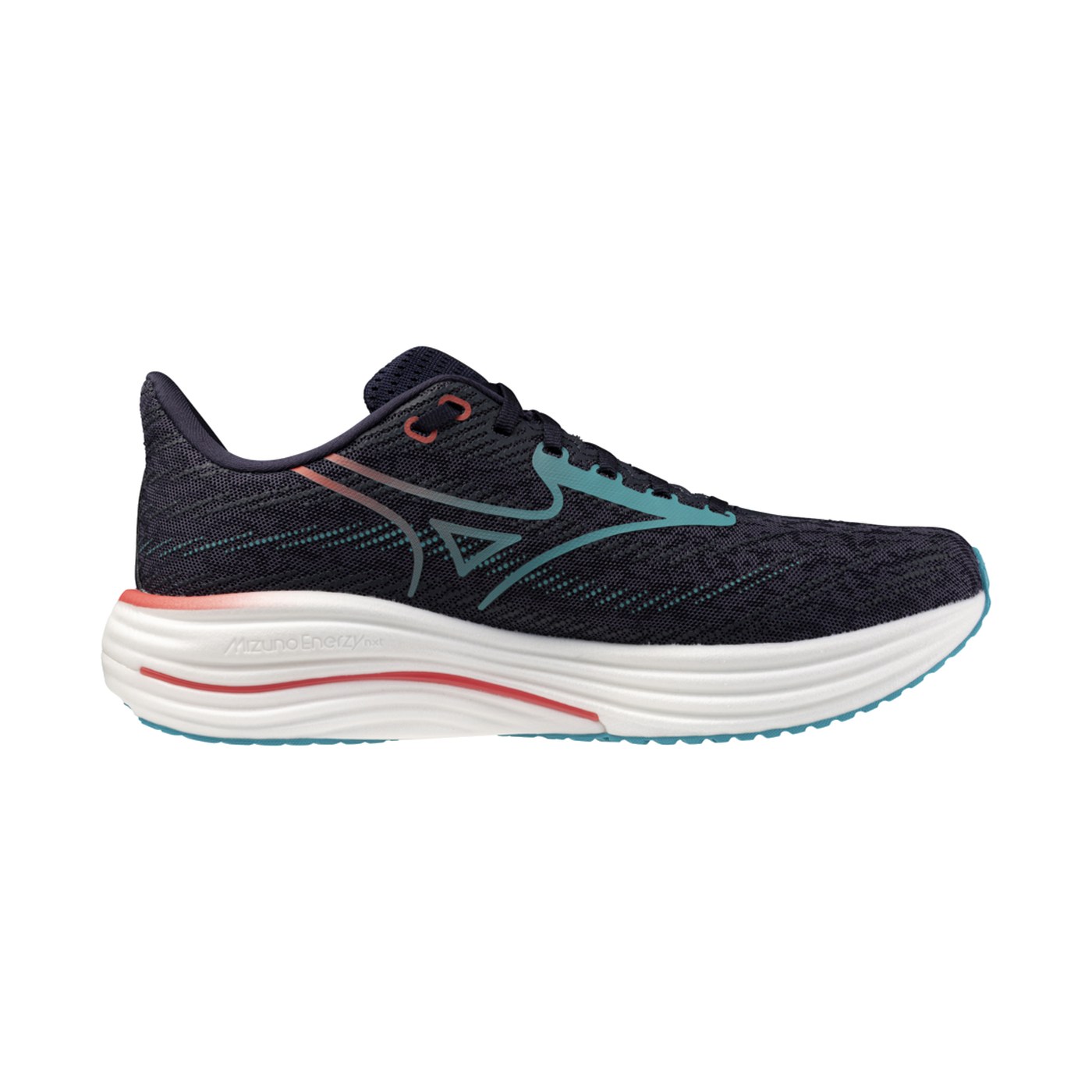
The Wave Rider 29: a Japanese daily trainer with 30 years of history.
The Wave Rider is one of the oldest running shoes on the market. Launched in 1997, it reaches its 29th version in 2026. That longevity comes down to a proven formula: Mizuno's famous Wave Plate (a rigid, wave-shaped plate built into the foam) that delivers stability and propulsion. On the V29, Mizuno pairs this heritage technology with its new EnerzyLite+ foam, which is lighter and bouncier.
At €150, it's positioned as an affordable, reliable daily trainer and an alternative to best-sellers like the Nike Pegasus 42 and the Hoka Clifton 10. Let's see whether it deserves your trust.
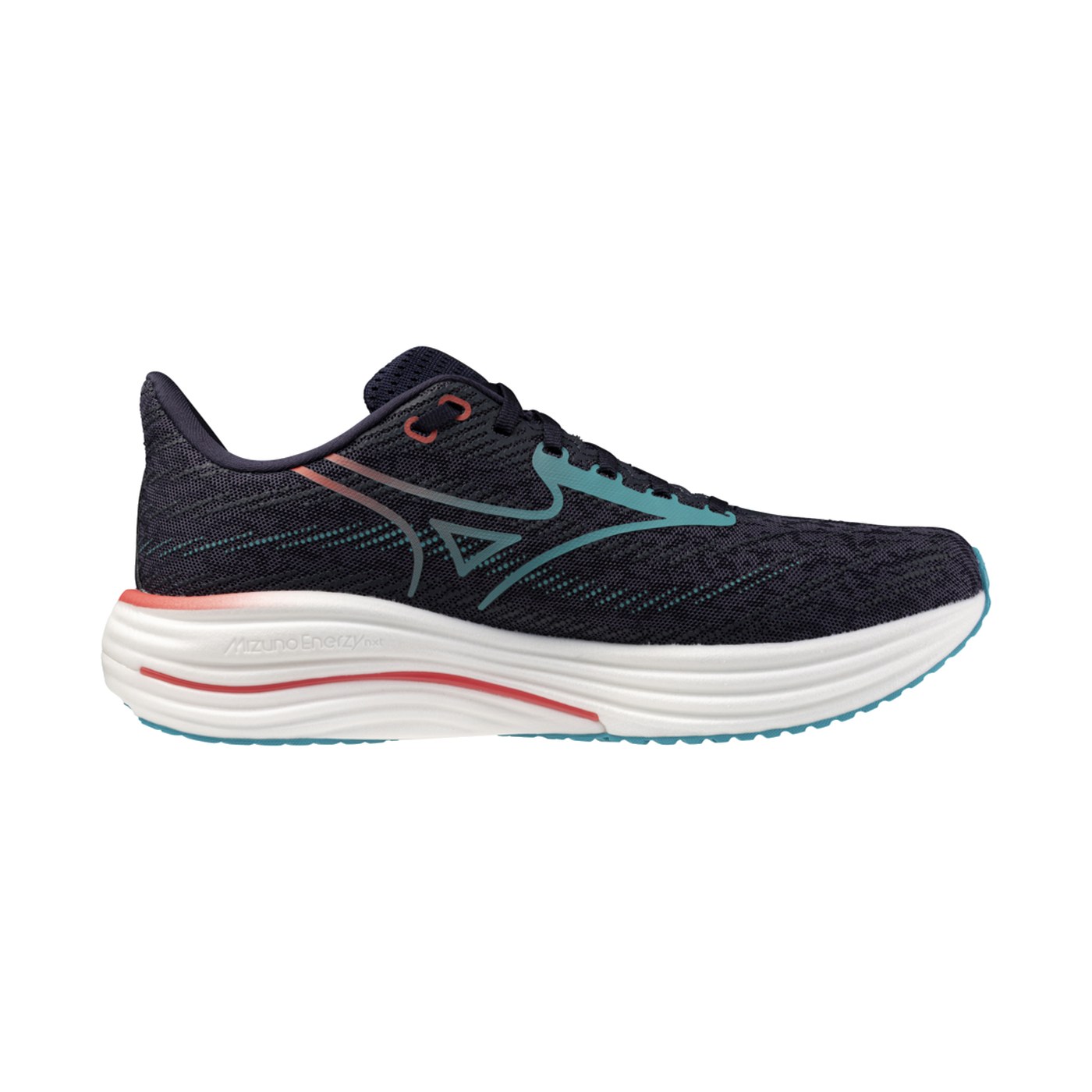
Mizuno Wave Rider 29 specs
| Brand | Mizuno |
| Model | Wave Rider 29 |
| Release date | August 15, 2025 |
| Use | Road, reliable and stable daily trainer |
| Drop | 12 mm |
| Stack height (forefoot / heel) | 27 mm / 39 mm |
| Weight (men's size 42) | 285 g |
| Foam | EnerzyLite+ and signature Wave Plate |
| Carbon plate | No, signature plastic Wave Plate |
| Upper | Breathable engineered mesh |
| Recommended distance | 5 km to half marathon |
| MSRP | €150 |
| RunMorph score | 8.5 / 10 |
Wave Rider 29: a stable, reliable daily trainer
Three things make the Wave Rider 29 a solid pick in the affordable daily trainer category:
- Signature Wave Plate: Mizuno's famous wave-shaped plate, embedded in the heel foam. It absorbs impact at foot strike and spreads pressure across the entire contact area. Nothing else on the market works like it, and it has been Mizuno's DNA for 30 years.
- Reworked EnerzyLite+: the new generation of Mizuno's foam, lighter and bouncier than on the V28. Energy return is decent without reaching premium PEBA levels, but durability is exceptional.
- Reassuring 12 mm drop: a rarity in 2026, when low drops are the trend. This drop makes heel striking easier and spares your calves. Ideal for traditional runners and beginners.
RunMorph's advice: the Wave Rider 29 is my pick for traditional or beginner runners looking for an affordable, reliable daily trainer. If you're a modern runner after a low drop and pronounced bounce, look at the Saucony Triumph 23 or the New Balance 1080v15 instead.
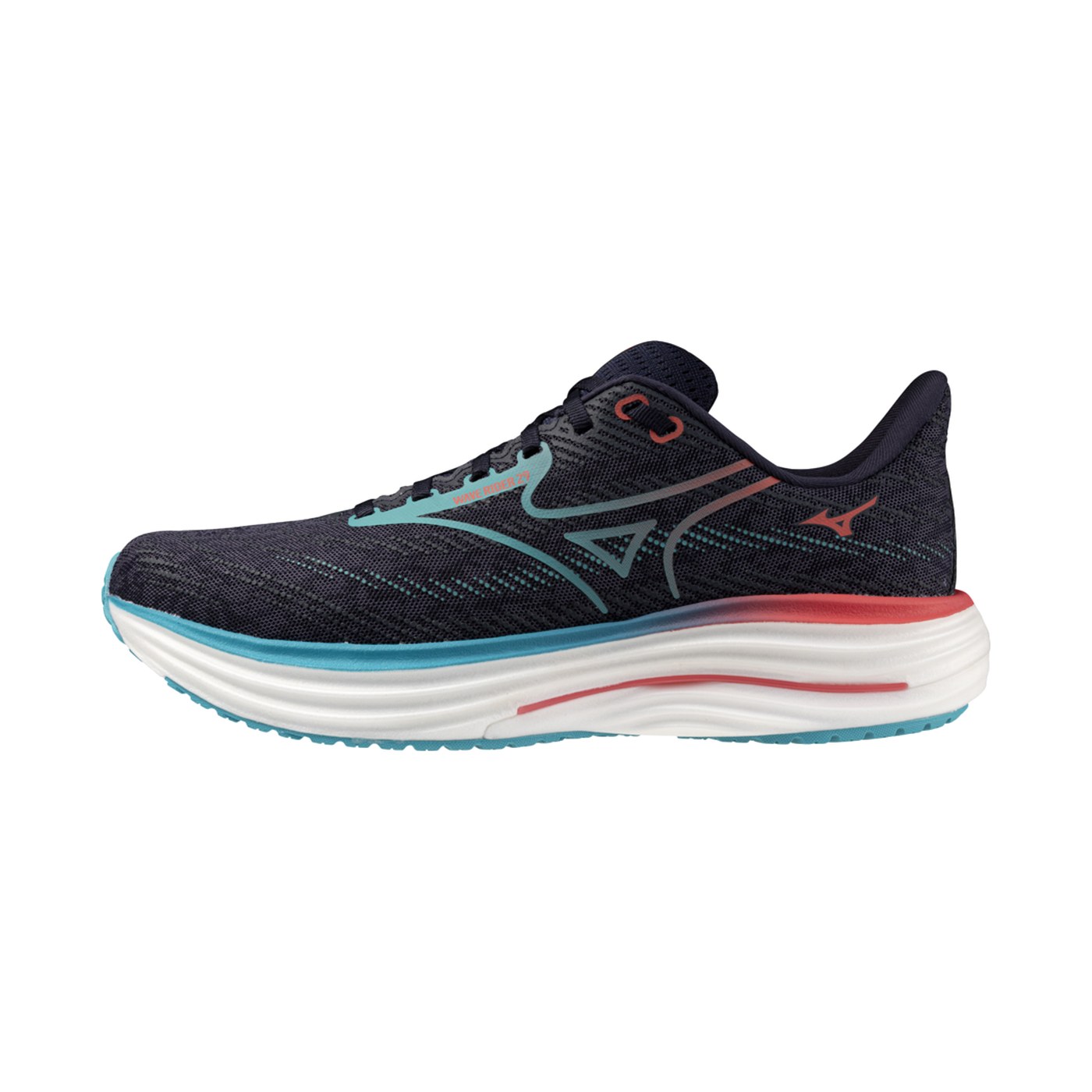
Who is the Mizuno Wave Rider 29 for?
Verdict: the Wave Rider 29 is built for traditional runners who want reliability, stability and durability. If you're a modern, performance-focused runner, look at premium PEBA daily trainers instead (Triumph 23, 1080v15).
Under the hood: the technical details
Wave Plate: Mizuno's DNA since 1997
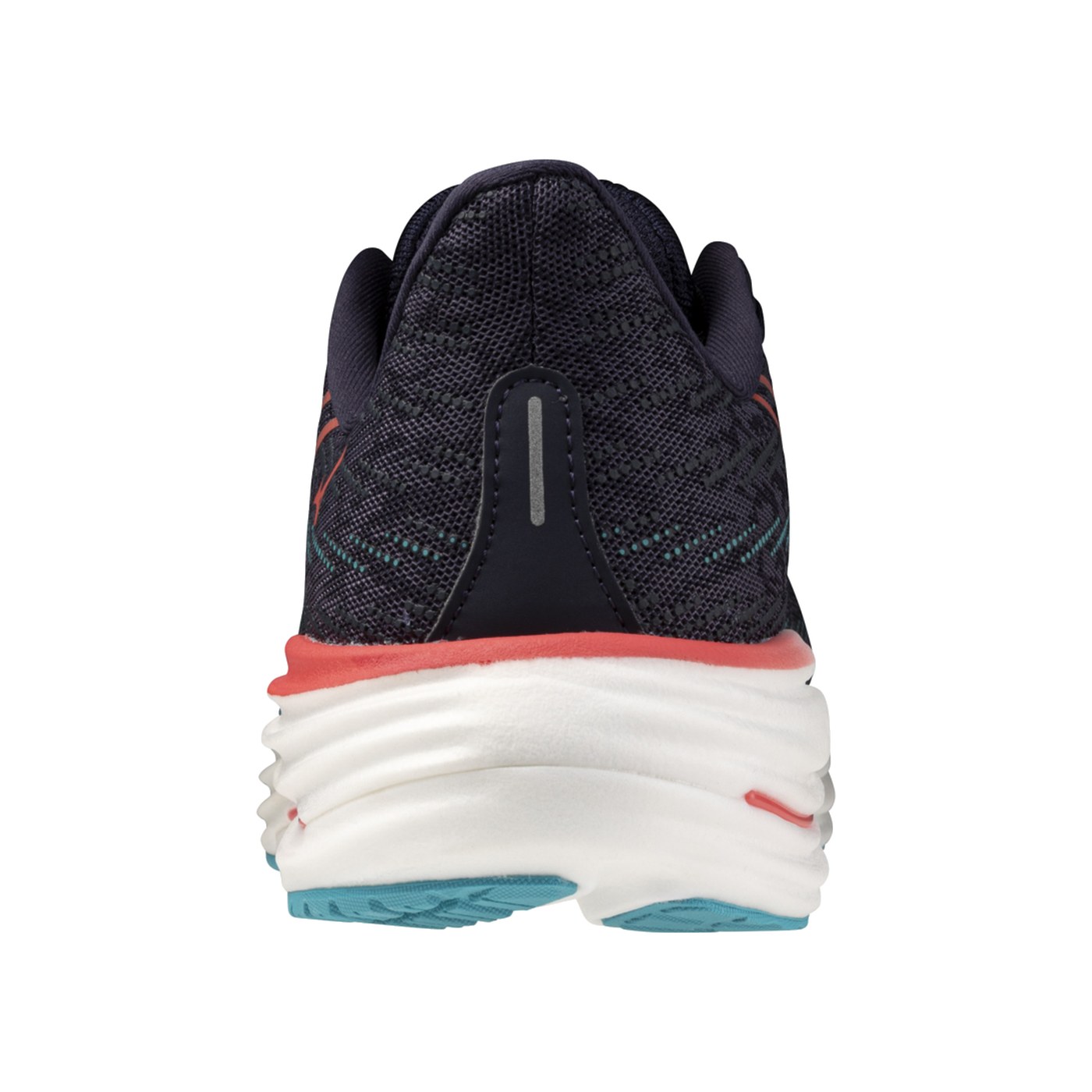
The Wave Plate is a wave-shaped plastic plate embedded in the heel foam. Its job: absorb impact when you land on your heel and spread pressure across the whole contact area. You get more stability than with a typical daily trainer, without the stiffness of a carbon plate. Nothing else on the market works like it, and after 30 years it's still what sets Mizuno apart.
EnerzyLite+: Mizuno's new foam
EnerzyLite+ is Mizuno's signature foam, reworked for the V29. It's lighter and bouncier than on the V28. You don't get the energy return of a premium PEBA, but you do get a durable, dependable foam that's perfect at the €150 price point. Expect 800 to 1,000 km of use, which makes it one of the most durable running shoes on the market.
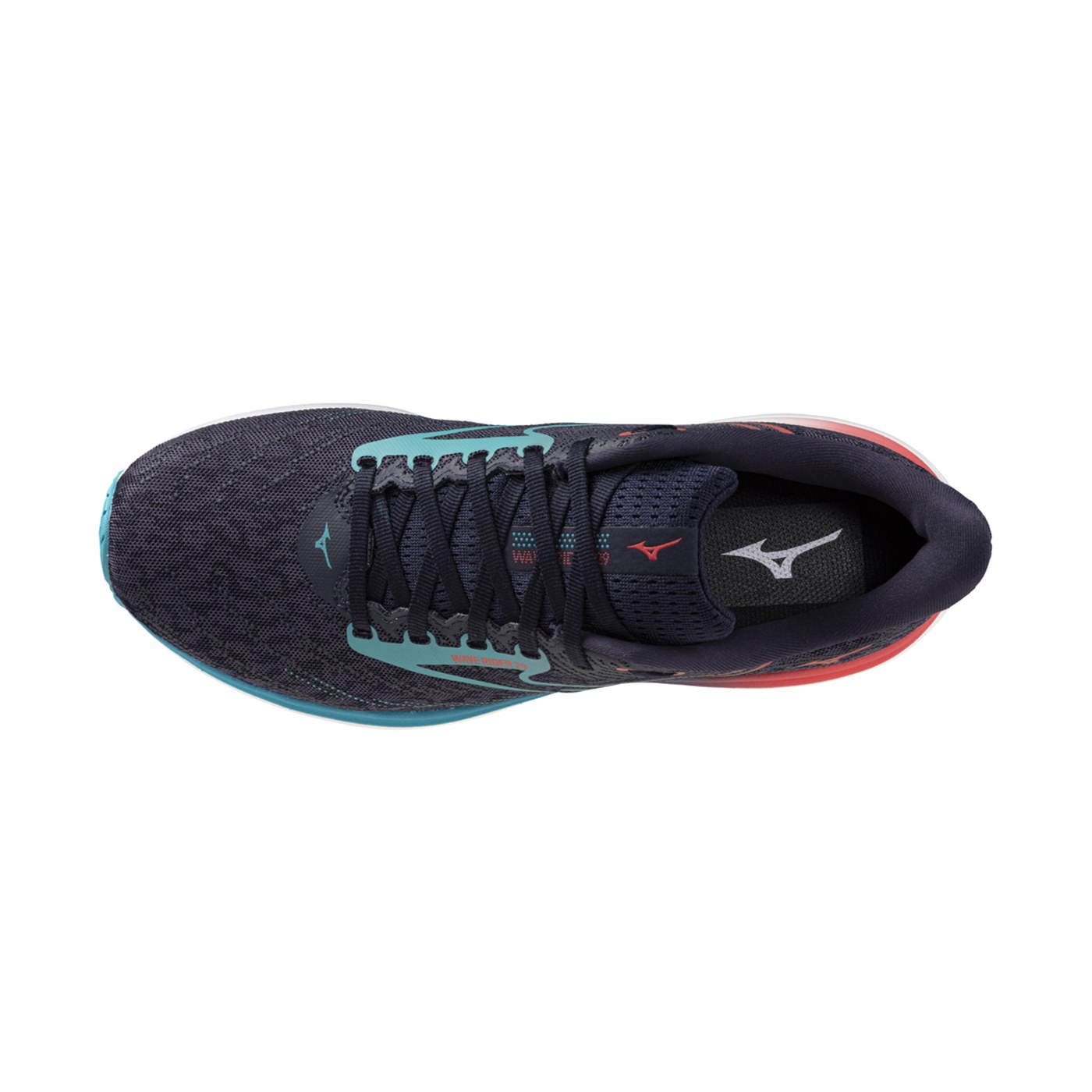
12 mm drop: going against the trend
In 2026, most running shoes use a 5-8 mm drop. The Wave Rider 29 sticks with a traditional 12 mm drop. That may look old-fashioned, but it makes sense for its target audience: traditional or beginner runners who land on their heels. For that profile, a higher drop absorbs impact better and spares the calves.
Breathable mesh upper
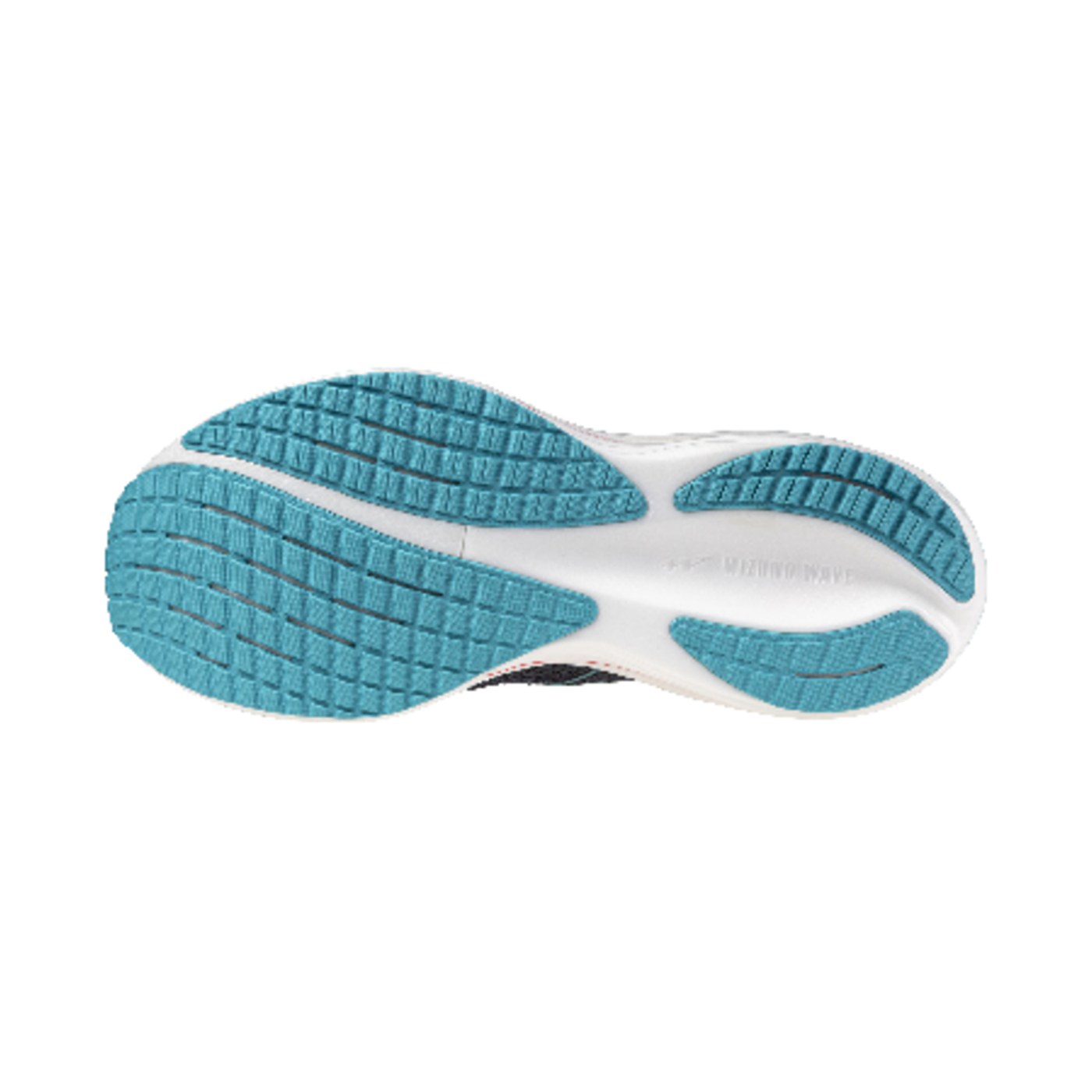
The upper has been reworked for better breathability. The engineered mesh strikes a good balance between lockdown and airflow. The fit is true to size with comfortable volume, roomier than Mizuno's racing models. The classic lacing system lets you dial in a precise fit.
What French reviewers say
Wanarun notes that the Wave Rider 29 stays true to Mizuno's DNA while bringing in modern updates (reworked EnerzyLite+, a more breathable upper). The review singles out its exceptional durability and signature stability.
Lepape-Info highlights the model's reliability, six versions later. The verdict is clear: for a traditional or beginner runner looking for an affordable, durable daily trainer, it's one of the best options on the market.
Running Lab confirms the model's place among the top affordable daily trainers, noting that the Wave Plate remains a differentiator no other shoe on the market can match.
Our take as RunMorph coaches. The consensus is clear: the Wave Rider 29 is the mature evolution of a proven formula. Mizuno didn't want to shake up what works. Instead, it refined the details (foam, upper, sole). For traditional runners who appreciate Japanese stability, it's an excellent choice.
Quick comparison
Wave Rider 29 vs Nike Pegasus 42. The Pegasus is snappier thanks to ReactX and Air Zoom. The Wave Rider is more stable thanks to the Wave Plate. Verdict: Pegasus for responsiveness, Wave Rider 29 for Japanese stability.
Wave Rider 29 vs Hoka Clifton 10. The Clifton is softer, with its Meta-Rocker. The Wave Rider is more stable and more traditional. Verdict: Clifton for modern comfort, Wave Rider 29 for traditional reliability.
Wave Rider 29 vs Saucony Triumph 23. The Triumph is a premium PEBA shoe (€180). The Wave Rider is affordable (€150) with a conventional foam. Verdict: Triumph 23 for premium bounce, Wave Rider 29 for value for money on a budget.
Fitting the Wave Rider 29 into your training
- As your only shoe: if you run 30 to 50 km a week and want a reliable, durable pair, the Wave Rider 29 can handle 80% of your runs.
- As your training workhorse: in a 2-shoe rotation, the Wave Rider 29 takes on your steady weekly mileage. Keep a snappier pair like the Hoka Mach 7 or the Asics Superblast 3 for faster sessions.
- For your first races: 5 km, 10 km, half marathon. Its reliability lets you take on these distances without any nasty surprises.
The RunMorph coach's verdict
As a coach, I recommend the Wave Rider 29 to traditional runners who value stability, durability and reliability. For that profile, it's one of the best options on the market at €150.
The jump from the V28 to the V29 is a mature one: a reformulated, bouncier EnerzyLite+, a more breathable upper and tweaked geometry. Mizuno didn't want to break its signature formula (Wave Plate, 12 mm drop), but it refined the details to stay competitive.
The only real drawback: it's anything but modern. 12 mm drop, conventional foam, no PEBA, no carbon plate. Modern, performance-minded runners will find it too traditional. But for the 60% of recreational runners who put reliability first, the Wave Rider 29 is exactly what they need.
RunMorph score: 8.5 / 10. At €150, it's one of the best values in the daily trainer category. Buy it if you want stability, durability and Japanese reliability. Look elsewhere if you want modern responsiveness or a low drop.
Key takeaways for your training
- Reliable, durable daily trainer: 800 to 1,000 km of life, one of the most durable on the market.
- Signature Wave Plate: unique stability from the wave-shaped plate built into the heel.
- Reformulated EnerzyLite+: bouncier foam than on the V28.
- 12 mm drop: reassuring for heel strikers and beginners.
- 285 g in size 42: average for the daily trainer category.
- Target: traditional runners, beginners, heel strikers, runners who want stability.
- Excellent value for money: €150 for a shoe this durable.
FAQ
Is the Mizuno Wave Rider 29 good for beginners?
Yes, it's one of the best choices for getting started in running. Its familiar 12 mm drop, Wave Plate stability and durability make it an ideal pair for your first kilometers and for building up to the half marathon.
How durable is the Wave Rider 29?
Expect 800 to 1,000 km. It's one of the most durable running shoes on the market, thanks to its conventional EnerzyLite+ foam and generous outsole rubber in high-wear zones.
Does the Wave Rider 29 run large or small?
It fits true to size, with comfortable volume. If you're unsure, go with your usual size. For wide feet, Mizuno also offers a 2E (Wide) version.
What's the difference between the Wave Rider 29 and the Wave Rider 28?
Three major changes: a reformulated, bouncier EnerzyLite+, a more breathable mesh upper and tweaked geometry for a smoother transition. The Wave Plate, the 12 mm drop and the weight stay nearly identical.
Is the Wave Rider 29 good for a marathon?
With caveats. For a fun marathon or a first marathon (where the goal is to finish), yes. Its stability and durability protect you over the distance. For an ambitious time goal, look at a carbon-plated shoe instead (Vaporfly 4, Endorphin Pro 5).
Recommended articles
- Nike Pegasus 42: the full RunMorph review
- Hoka Clifton 10: the full RunMorph review
- Getting started with running: the complete guide