Nike Pegasus 42 Review: Nike's Iconic Daily Trainer Gets ReactX
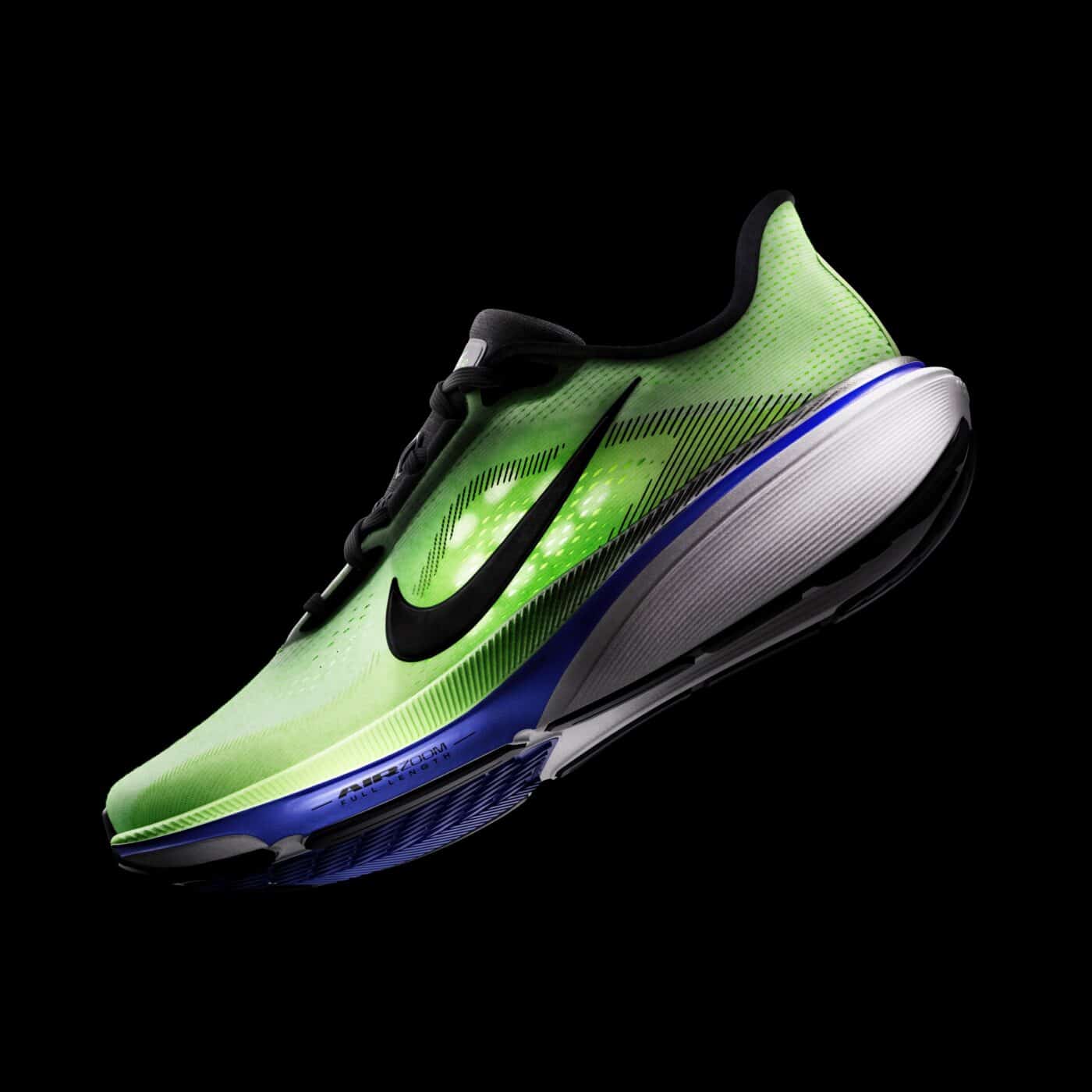
You run a lot. But is your progress random?
Every runner, beginner or seasoned, faces the same question: how do you structure your training to keep improving over the long haul? Your attention often goes to the latest racing shoe, the one that promises PRs. Yet the real foundation of your progress is built elsewhere: in consistency, base endurance and varied sessions. That's where the daily trainer plays its crucial role, the loyal partner that lets you pile up the kilometers without compromise.
The Nike Pegasus 42, the flagship of Nike's lineup, is back in the spotlight with innovations that confirm its status as the quintessential daily trainer. Wondering whether it belongs in your arsenal? Let's break down what this 42nd edition brings to support your running goals.
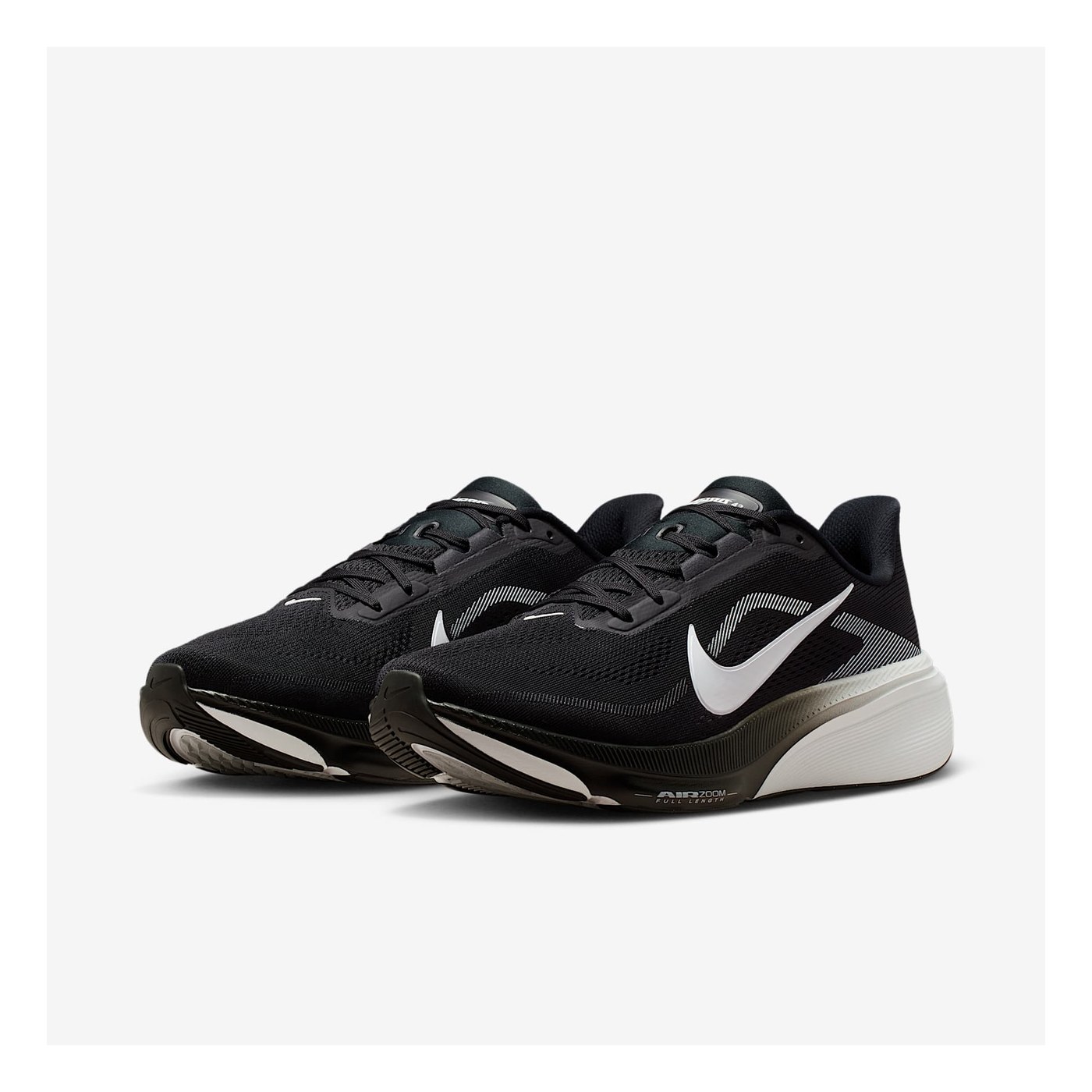
Nike Pegasus 42 specs
| Brand | Nike |
| Model | Pegasus 42 |
| Release year | 2026 |
| Intended use | Road, versatile daily trainer |
| Claimed drop | 10 mm |
| Measured drop (lab) | ~14 mm, a small gap worth knowing about |
| Stack height (forefoot / heel) | 27 mm / 37 mm |
| Weight (men's size 42) | 286 g |
| Foam | ReactX (bio-based foam) |
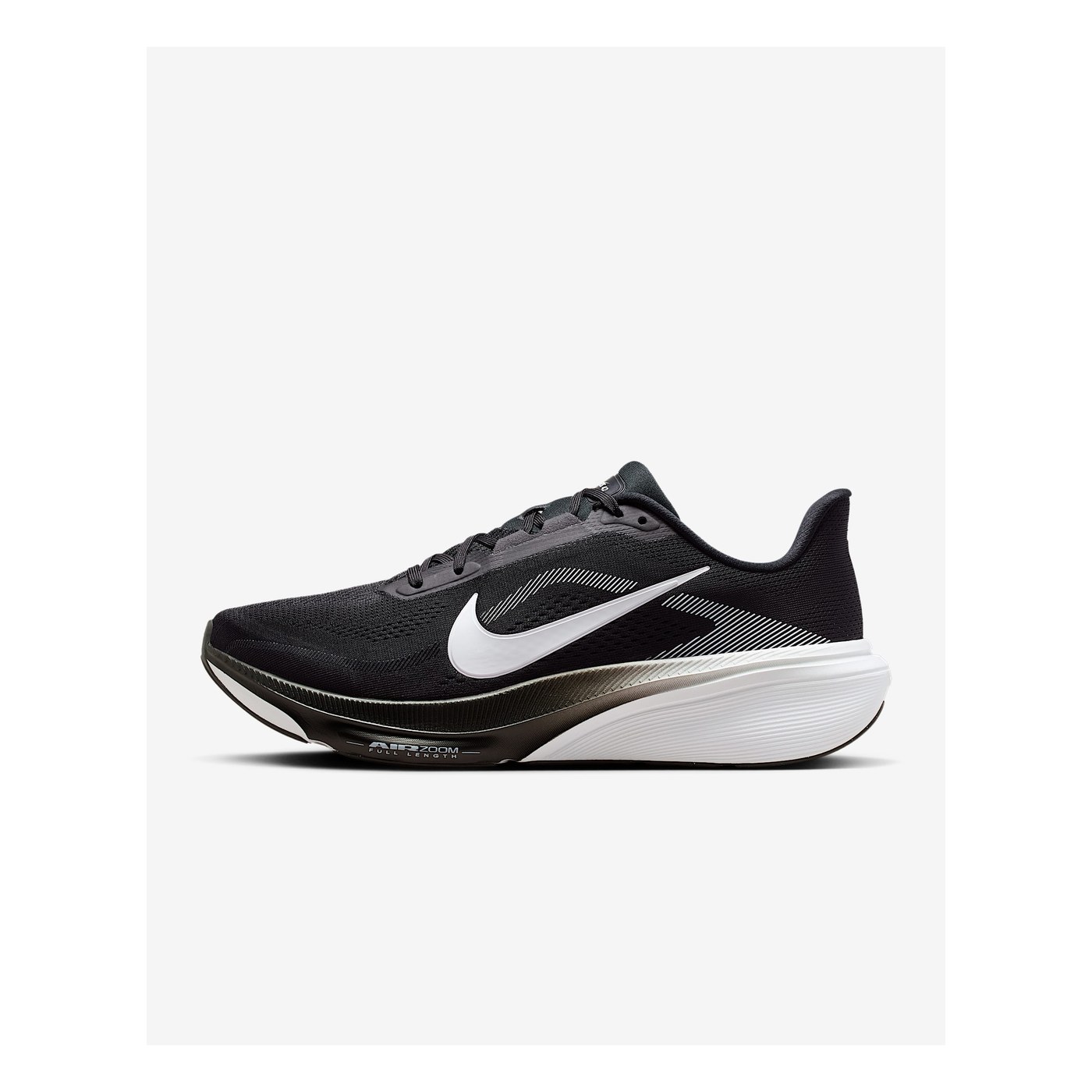
| Key tech | Full-length curved Air Zoom |
| Carbon plate | No |
| Recommended distance | 5 km to half marathon |
| Suggested retail price | €145 |
| RunMorph score | 8.2 / 10 |
The Pegasus 42: the foundation of your training plan
In a structured training plan, a shoe like the Pegasus 42 is essential. It's built to absorb volume, keep you comfortable on long runs and deliver enough responsiveness for pace changes. Forget vague marketing promises. The Pegasus 42 is designed to meet concrete needs:
- Balanced cushioning: The new ReactX foam paired with a curved, full-length Air Zoom unit gives a lively feel underfoot. Your stride doesn't sink in: you get noticeable energy return without tipping into excessive softness. That lets you run base endurance sessions (Z1-Z2) with protection and mix in moderate tempo segments (Z3) without switching shoes.
- Rock-solid versatility: With its 10 mm drop and reworked geometry, the Pegasus 42 delivers a smooth heel-to-toe transition and adapts to many stride types. It's your ideal partner for 70 to 80% of your weekly runs: easy runs, long runs, active recovery sessions. It lets you build a solid aerobic base, the prerequisite for any lasting progress.
- Structured lockdown and refined comfort: The engineered mesh upper, combined with a reworked lacing system, wraps your foot without feeling intrusive. The slightly roomier forefoot and moderate padding on the tongue and collar make for real comfort, especially beyond 10-15 km. This built-in stability, which comes from the wide base and the geometry, protects your foot from unwanted movement, even when fatigue sets in.
RunMorph's advice: Never underestimate your daily trainer. A versatile, durable shoe like the Pegasus 42 protects your joints, lowers your injury risk and lets you log the volume you need to raise your maximal aerobic speed and anaerobic threshold, without wearing out your racing shoes too early.
Who is the Nike Pegasus 42 for?
That's the real question before you buy. Here's our coach's take, profile by profile.
Bottom line: the Pegasus 42 shines in 70% of an average runner's situations and misses the other 30%, the ones where you're chasing pure performance. For a marathon with a time goal, pair the Pegasus 42 with a dedicated racing shoe (Vaporfly 4, Adios Pro 4, Endorphin Pro 4) rather than making it your race-day pair.
Under the hood: the technical details
To fully understand what the Pegasus 42 brings, you need to dig into its technical innovations. Every design choice Nike made aims to improve your everyday running experience.
ReactX foam: performance and durability
ReactX foam is a significant step forward. More than a simple iteration of React, this new formulation promises better energy return and a lower carbon footprint thanks to an optimized manufacturing process. Technically, it's an injected foam that stands out for its elasticity and its resistance to compression. For you, that means a midsole that keeps its cushioning and responsiveness over serious mileage. Your shoe doesn't go flat, so your runs feel the same month after month.
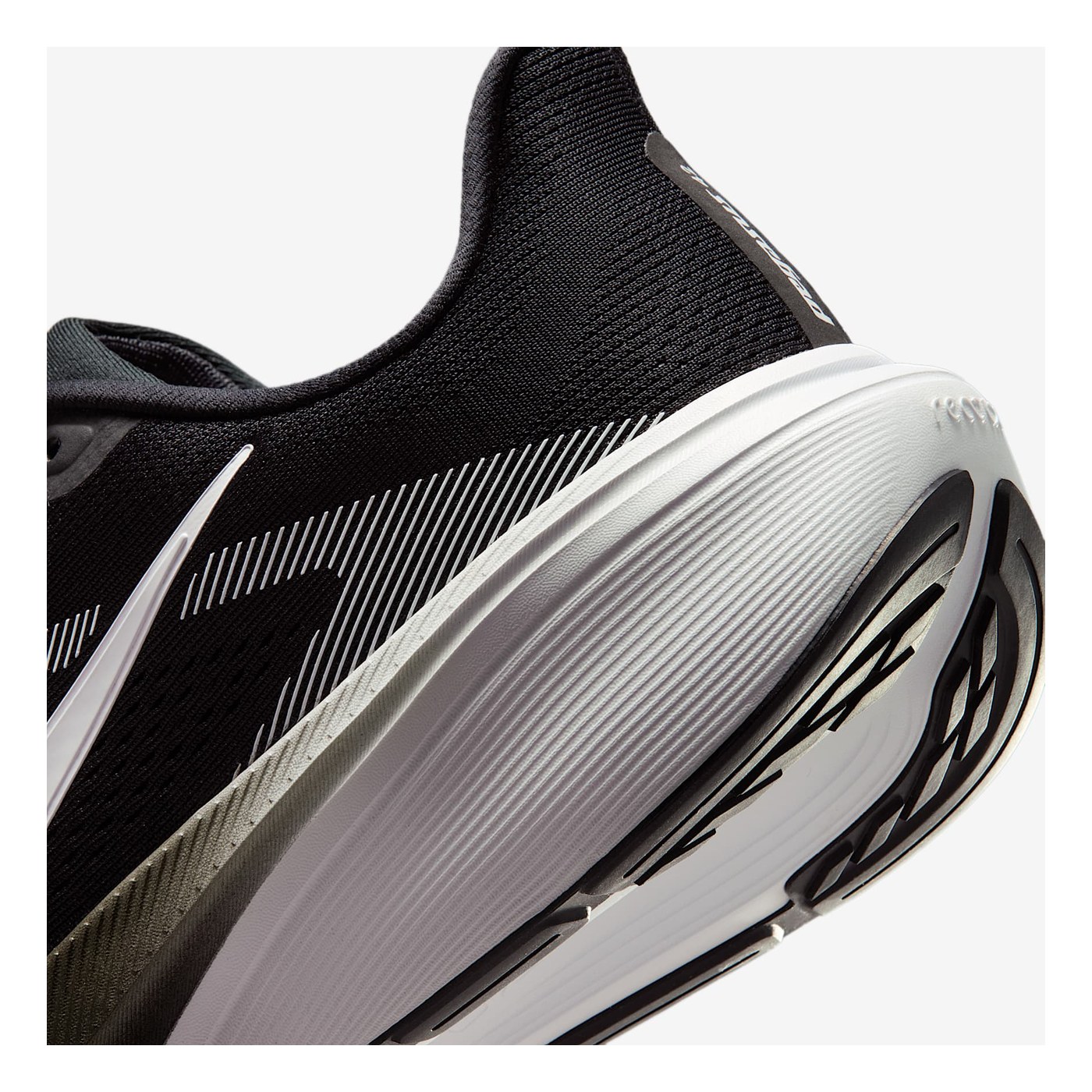
The Air Zoom unit: renewed liveliness
The full-length, curved Air Zoom unit is one of the big updates. The compressed air deforms on impact, then springs back, returning energy at every push-off. Its curvature naturally guides the heel-to-toe transition for a smoother stride. On some other Nike models, Air Zoom can raise durability questions. In the Pegasus 42, the unit was designed to last longer, giving you responsiveness without sacrificing durability.
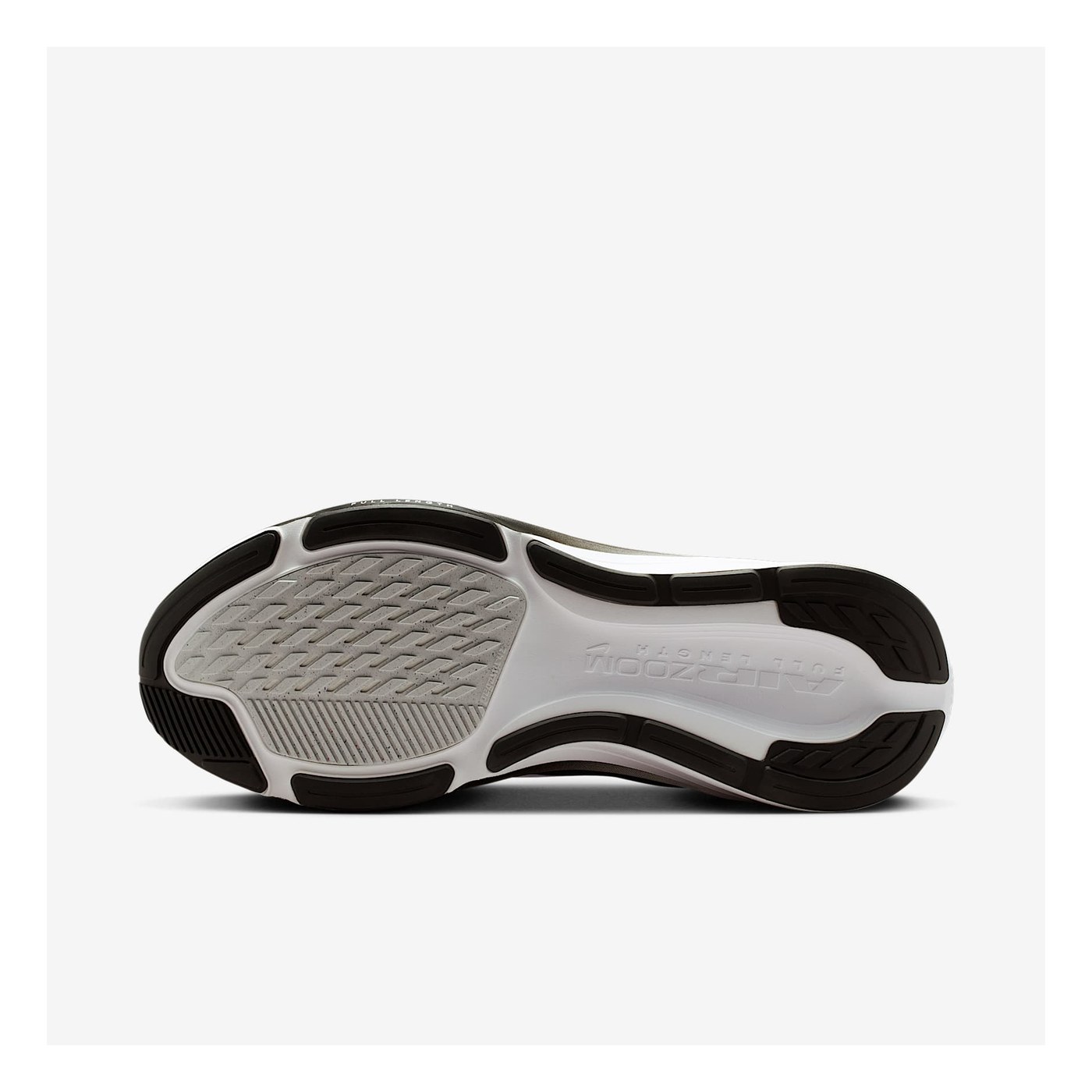
Geometry and stride: natural stability
The 10 mm drop of the Pegasus 42 is a deliberate choice to encourage a natural forward roll, which helps most if you're a heel striker. The stack height sits in a protective middle ground for road running, without reaching the extremes of max-cushion models. A mild rocker guides your stride without radically changing your biomechanics. The result: more propulsion than previous versions, while keeping the stability and accessibility the Pegasus is known for.
What French reviewers say
Wanarun highlights the legendary reliability of the Pegasus line and likes the step forward brought by the full-length Air Zoom, while noting that weight remains a drawback against the lighter competition of 2026.
Lepape-Info singles out versatility and stability as major strengths and concludes that the Pegasus 42 keeps its place among the four benchmark shoes for intermediate runners.
Jogging-International notes improved grip and a comfortable step-in feel, but finds that responsiveness falls short of the 2026 standards set by competitors with supercritical foams.
Our RunMorph coach's take. The consensus is clear: the Pegasus 42 is a successful update of a proven formula, but it doesn't reinvent anything. If you loved the 40 or the 41, you'll love the 42. If you were looking for the most exciting release of the year, look elsewhere.
Quick comparison
Pegasus 42 vs Hoka Clifton 10. The Clifton is softer, slightly lighter and feels more "floaty." The Pegasus is more stable and more connected to the ground. Verdict: Clifton if pure comfort is your priority, Pegasus for versatility.
Pegasus 42 vs Asics Novablast 5. The Novablast 5 is livelier and more fun, thanks to its FF Blast Max foam. The Pegasus is more composed and more reassuring. Verdict: Novablast if you love a bouncy feel, Pegasus if you want absolute reliability.
Pegasus 42 vs Brooks Ghost 18. A very close call. The Ghost is slightly softer in the forefoot, the Pegasus a bit snappier. Pick based on your personal preference: both are benchmark daily trainers.
Pegasus 42 vs Asics Gel-Nimbus 28. Different categories: the Pegasus 42 is a versatile daily trainer, the Gel-Nimbus 28 a max-cushion shoe built for long runs and maximum comfort. If you want one shoe for 70-80% of your runs, moderate intervals included, go with the Pegasus. If comfort over long distances is your priority, the Gel-Nimbus 28 will protect you better.
Adding the Pegasus 42 to your shoe rotation
The Pegasus 42 excels as a do-it-all single shoe, but it reaches its full potential in a coherent rotation. At RunMorph, we advocate a strategic approach that optimizes your performance and the lifespan of your gear.
If you want an optimized rotation, here are a few suggestions:
- Your foundation: Nike Pegasus 42. It handles the bulk of your volume: base endurance easy runs, long runs at moderate pace and recovery sessions. It's the shoe that lets you stick to a polarized distribution (80% in Z1-Z2) without wearing out your more specialized pairs.
- For hard sessions: when your training includes threshold work (Z4), demanding tempo sessions or intervals at specific paces (maximal aerobic speed, 10K/half marathon pace), a livelier, more structured shoe such as the Hoka Mach 6, the Adidas Adizero EVO SL, the Asics Superblast 3, the Adidas Hyperboost Edge or the Saucony Endorphin Speed 5 is a better fit. A plate (or not) and a snappier foam give a more guided ride and better energy return for these targeted efforts.
- For racing: on race day, to smash a personal best over 5 km, 10 km, half marathon or marathon, you need a shoe with a carbon plate and a high-rebound foam. The Vaporfly 4, the Alphafly 3, the Hoka Cielo X1 3.0, the Adios Pro Evo 3 or the Endorphin Elite 2 are designed to maximize your efficiency and turn the work you put in during training into pure performance.
This "shoe periodization" approach lets you play to each model's strengths while extending their lifespan. In this setup, the Pegasus 42 remains your pillar, the base that your race-day performance rests on.
RunMorph's advice: If you're training for a 10 km or a half marathon, the Pegasus 42 alone can cover 90% of your plan. For a marathon with an ambitious time goal, keep it for easy runs and invest in a carbon shoe for race day. It's the most effective rotation, and the cheapest.
The RunMorph coach's verdict
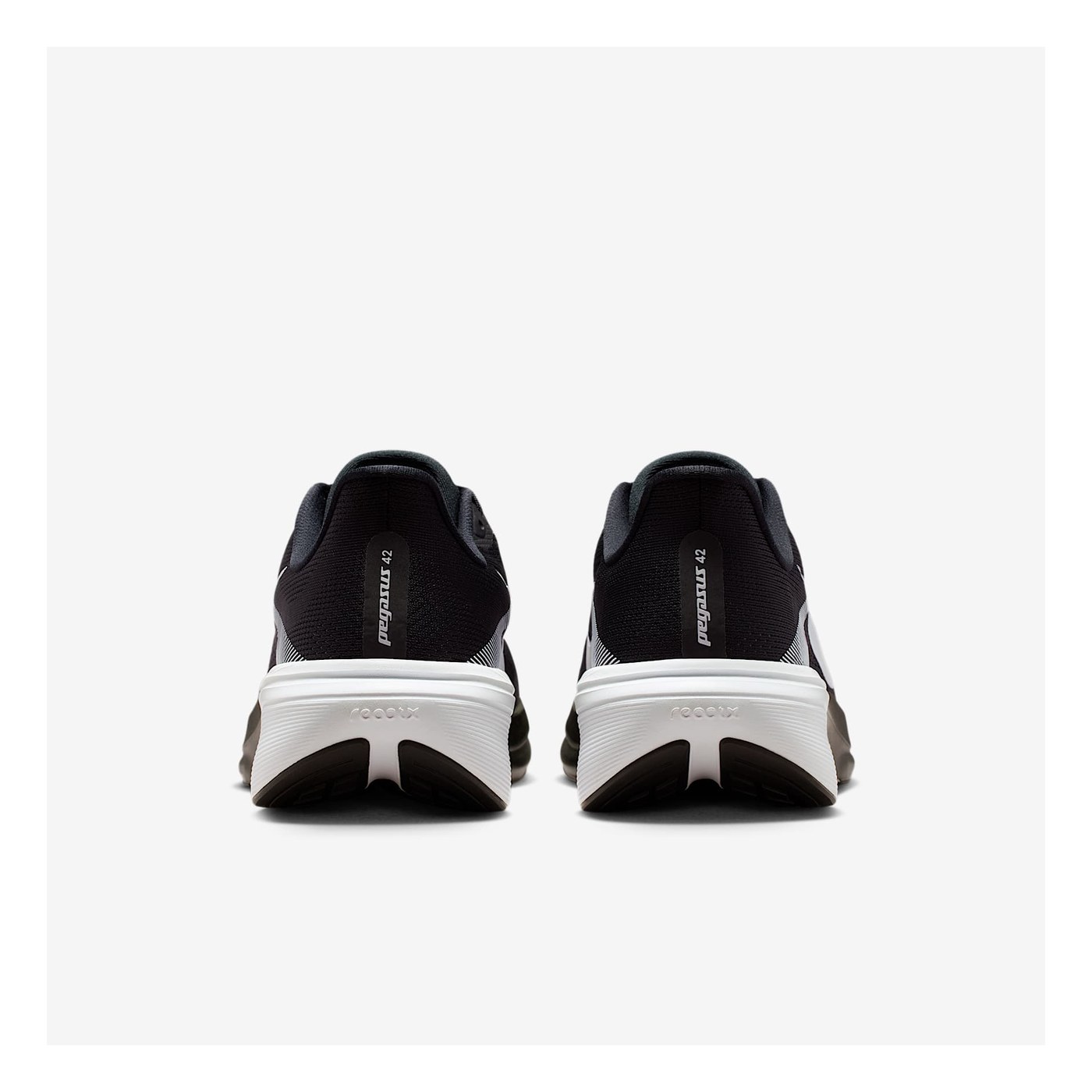
As a coach, I see the Nike Pegasus 42 as a safe bet, a shoe that delivers on its promise of versatility and durability. It doesn't try to revolutionize anything; it refines a winning formula. ReactX and the full-length Air Zoom unit add welcome liveliness without sacrificing the comfort and stability that are the very essence of the Pegasus.
It's the ideal choice for beginners looking for a reliable, do-it-all first pair, or for regular runners who need a workhorse for daily training. If your goal is a single pair that can handle volume and adapt to a wide range of paces, the Pegasus 42 is a top contender. Sure, it's not the softest max-cushion shoe, nor the most aggressive record-chaser, but its strength lies precisely in that balance. It's "good everywhere, excellent nowhere," and that's exactly what you want from a great daily trainer.
RunMorph score: 8.2 / 10. At €145, the value for money is fair without being exceptional. Buy it if you want a reliable, durable, versatile daily trainer. Look elsewhere if you want the liveliest ride possible.
Key takeaways for your training
- Versatile daily trainer: the Pegasus 42 is designed for easy runs, long runs and base endurance sessions.
- Measured technical innovation: ReactX foam and full-length Air Zoom deliver balanced cushioning and enough liveliness to vary your pace.
- 10 mm drop: a geometry that promotes a natural, smooth stride for a wide range of runners.
- One-shoe option or rotation pillar: it excels as the main shoe for most runners, or as the central pillar of a strategic rotation.
- Save your racing shoes: use it to build your weekly volume and keep your racing shoes for specific efforts.
- Limitation: it's still heavy (286 g) and less lively than daily trainers with supercritical foam. For a marathon with a time goal, add a carbon shoe.
Frequently asked questions
Is the Nike Pegasus 42 good for beginners?
Yes, the Pegasus 42 is an excellent shoe to start with. Its stability, comfort and versatility make it ideal for your first kilometers and your progression up to 10 km. It avoids the trap of shoes that are too technical or too performance-oriented for a beginner.
How many kilometers does the Nike Pegasus 42 last?
Count on 700 to 900 km before a noticeable drop in performance. The outsole rubber and the ReactX foam age well, which makes it one of the most durable shoes in its category.
Does the Nike Pegasus 42 run large or small?
The fit is standard, in line with previous Pegasus models. If you wore a 42 in the 40 or the 41, stick with the same size. If you have wide feet, Nike offers a recommended "Wide" version.
What's the difference between the Pegasus 42 and the Pegasus 41?
Three major differences: Air Zoom now runs full length (instead of being limited to the heel), grip on wet surfaces is better thanks to a new outsole pattern, and claimed energy return is up 15%. The Pegasus 42 was also slightly more expensive than the 41 at launch.
Is the Nike Pegasus 42 suitable for a marathon?
For a marathon just for fun or your first marathon, yes. For an ambitious time goal, no: its weight (286 g) and limited responsiveness compared with carbon shoes rule it out. In that case, keep it for easy runs and use a dedicated shoe on race day (Vaporfly 4, Adios Pro 4, Endorphin Pro 4).
Recommended reading
- Base endurance: run slow to get faster
- 10 km training plan: the complete guide
- Running warm-up: the complete routine