All reviews
October 8, 2026

Asics Novablast 5: Wet-Ground Grip and Fit Divide the Tests, the RunMorph Verdict

7.9/10
Asics Novablast 5: Wet-Ground Grip and Fit Divide the Tests, the RunMorph Verdict

Somewhere between 243g and 255g depending on who weighed it, praised for its wet-ground grip by a French tester and called slippery by two American testers: the Novablast 5 is not a shoe the reviewers agree on, and that is exactly what makes this test worth reading.

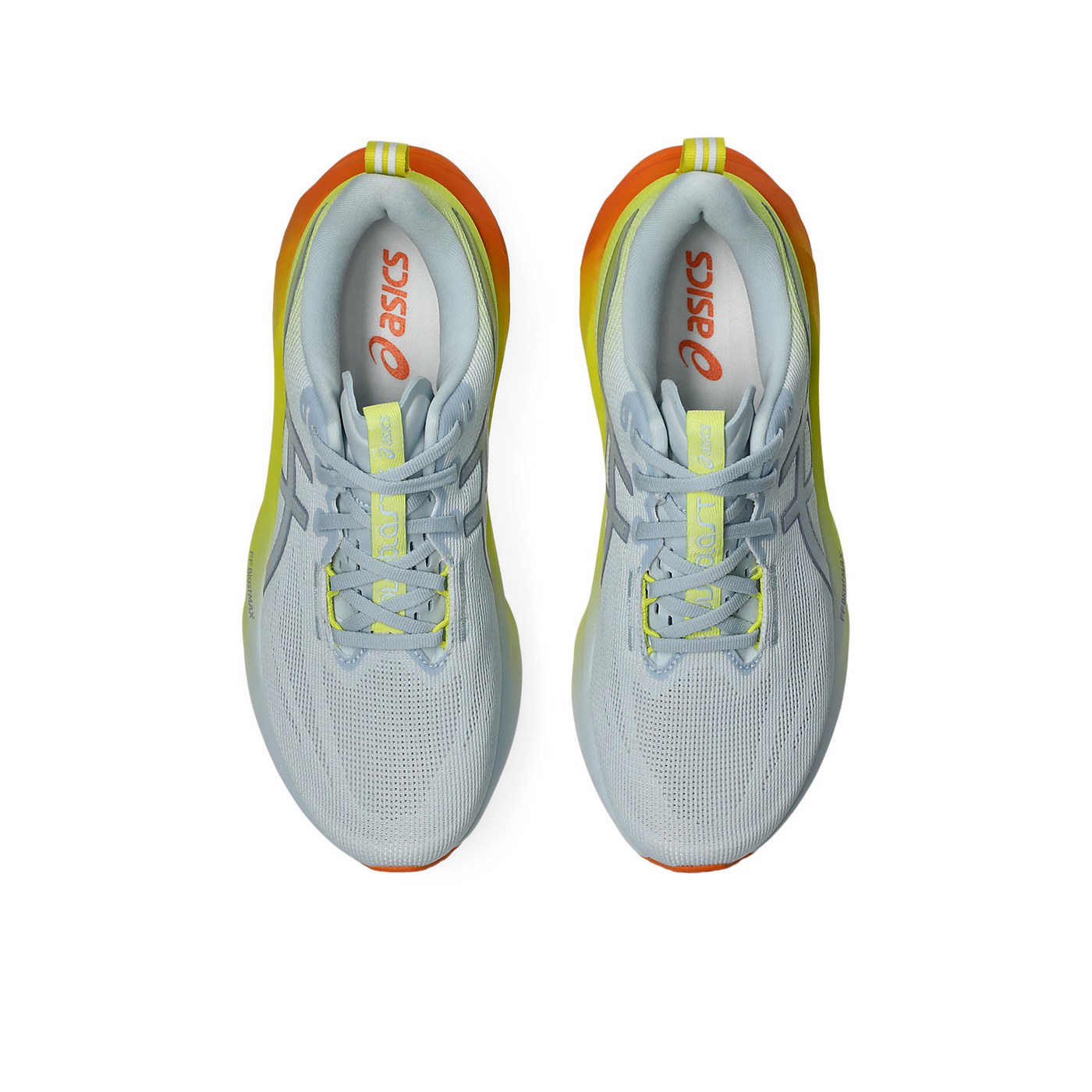
Asics Novablast 5, 3/4 front view, Sunny Sizzle colorway

© Asics, official photo used for editorial purposes

The gist in three sentences

The Asics Novablast 5 is still the bounciest daily trainer in the Asics lineup thanks to its FF BlastMAX foam, which is more generous and more stable than on the previous version. Its roomy midfoot fit and its contested wet-ground grip are the two things to check before you buy. At 125-150 €, it remains one of the best daily trainers around for the price.

7,9
/ 10 · RunMorph overall score
Cushioning
8,5 / 10
Responsiveness
7,5 / 10
Fit
6,5 / 10
Stability
8 / 10
Durability
8,5 / 10
Value
8,5 / 10
Who it's forYou want a cushioned, bouncy daily trainer for easy runs, long runs and marathon day at a moderate pace, without breaking the bank.
Who it's not forYou have a narrow foot that needs a snug midfoot hold, or you want a firm, snappy ride for speed work.

Asics Novablast 5: Asics' bounciest daily trainer gets a deep rework

Across four generations, the Novablast has become Asics' answer to runners who want a cushioned but playful daily trainer, a world away from the seriousness of the Gel-Nimbus or the discipline of the Gel-Cumulus. The fifth generation keeps that identity: an FF BlastMAX foam that is more generous than the FF Blast+ on version 4, a reworked jacquard mesh upper, and a price that stays under 150 €. At Asics, the Novablast 5 sits as the accessible premium daily trainer, between the more affordable Gel-Cumulus and the pricier, more technical Superblast 3.

The biggest change is in the foam. The FF BlastMAX keeps a stack close to the previous version (41,5 mm at the heel, 33,5 mm at the forefoot, 8 mm drop) but gains in volume and bounce. The Novablast 6, already reviewed on this site, pushes that same idea even further, which makes the V5 the logical entry point if you want the Novablast formula without paying the launch price of the latest generation.

RunMorph's advice: try the Novablast 5 with your usual training socks before you buy. Its generous midfoot volume suits most feet, but a narrow foot can lose precision in it, especially next to a Gel-Nimbus 28, which wraps the foot more snugly.

Objective technical data

SpecValue
Measured weight (men's, size US 9-9,5)243 to 255g depending on the source
Measured weight (women's)225g
Drop8 mm (8,2 mm as measured by an independent lab)
Stack height41,5 mm heel / 33,5 mm forefoot
FoamFF BlastMAX (Asics)
OutsoleAHAR LO, high-wear zones only
Upperengineered jacquard mesh
Useroad, neutral, no plate
Official price150 € (often 125 to 130 € at French retailers)

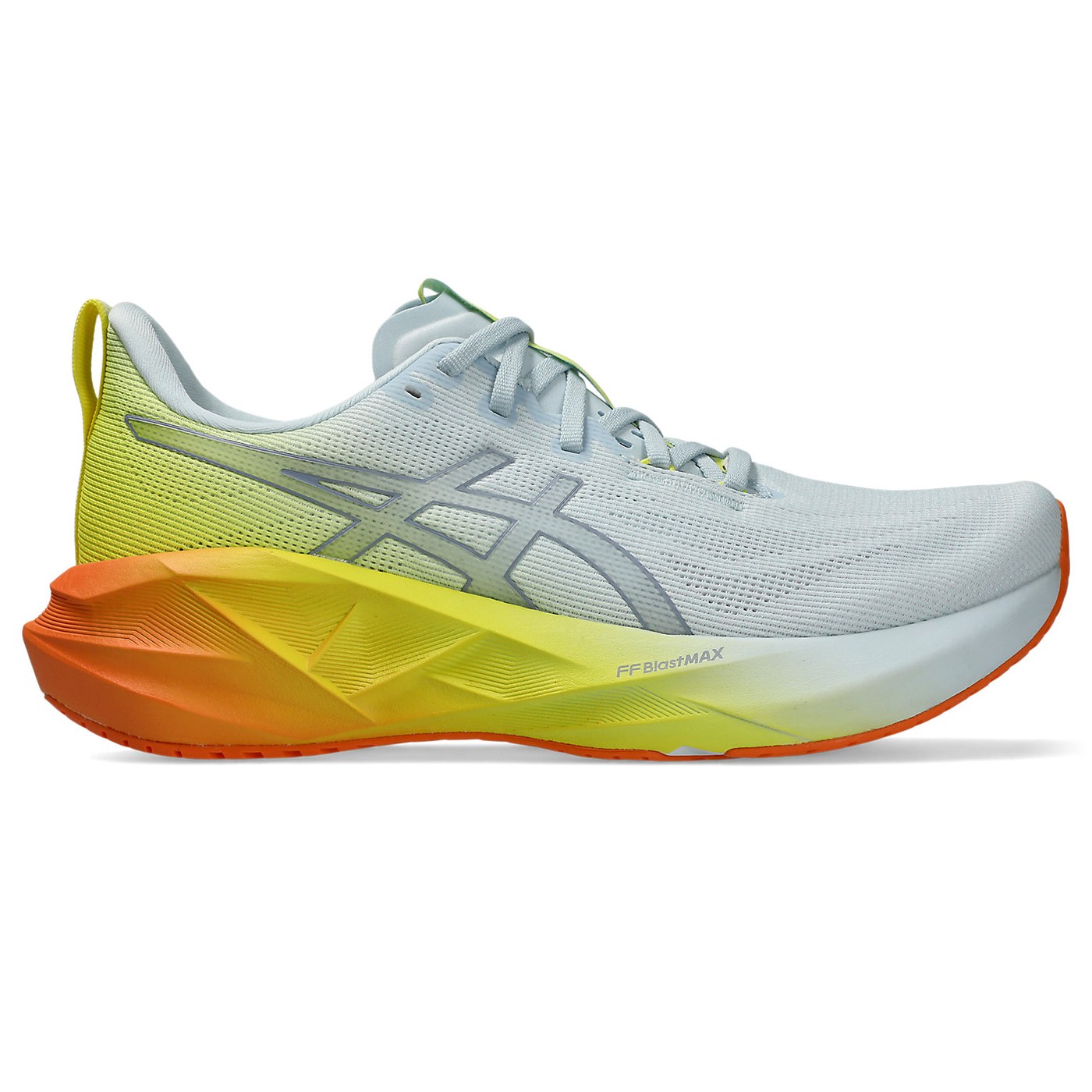
Asics Novablast 5, side profile

© Asics, official photo used for editorial purposes

The road test: a foam everyone agrees on, a grip that splits opinion

On cushioning, the reviews line up. Independent measurements show a sole thickness that is nearly identical to the previous version (41,5/33,5 mm), but a feel that is noticeably softer and less abrupt through the heel-to-midfoot transition, a recurring complaint about the Novablast 4. Testers who ran both versions back to back describe a clear improvement with the V5, with a more reassuring stride from the first few kilometers.

Stability is a pleasant surprise too, for a shoe this tall. Lab measurements put it at 7,5/10 on this criterion, a solid score for a foam of this volume, backed up by road reports that describe a wide platform and a flared sole that keep torsion in check, even with no dedicated stability tech.

Grip, on the other hand, pits the sources directly against each other. One independent French test, read in full, found noticeably improved traction on wet ground compared with the previous generation. Two American testers who ran the shoe on wet roads report the opposite: one describes slipping on soaked asphalt, the other calls grip on wet leaves and dirt mediocre, though without testing it in the rain. This disagreement is left open here: the feel likely depends on the surface and on the wear already present on some test pairs. The practical advice stays the same no matter which source you trust: be cautious over the first few kilometers on wet pavement before you judge the shoe.

Responsiveness is a second, even sharper disagreement. The French test describes increased bounce that makes you want to pick up the pace. An American tester who knows the previous three generations well describes the opposite: a softer, less snappy foam than the V4 at faster paces, with less pop on short intervals. Both verdicts can be true at once: the Novablast 5 gained comfort and lost a bit of pure responsiveness at high cadence, which shifts who the shoe is for without necessarily making it better for everyone.

Real flaw number one: a very generous midfoot fit, generous enough that it was a dealbreaker for one narrow-footed tester who gave up on the shoe entirely. If your foot is narrow, try it in a store before ordering online.
Real flaw number two: wet-ground grip that different sources and test conditions disagree on. Better to ease off the pace for the first rainy kilometers than to trust a single opinion.
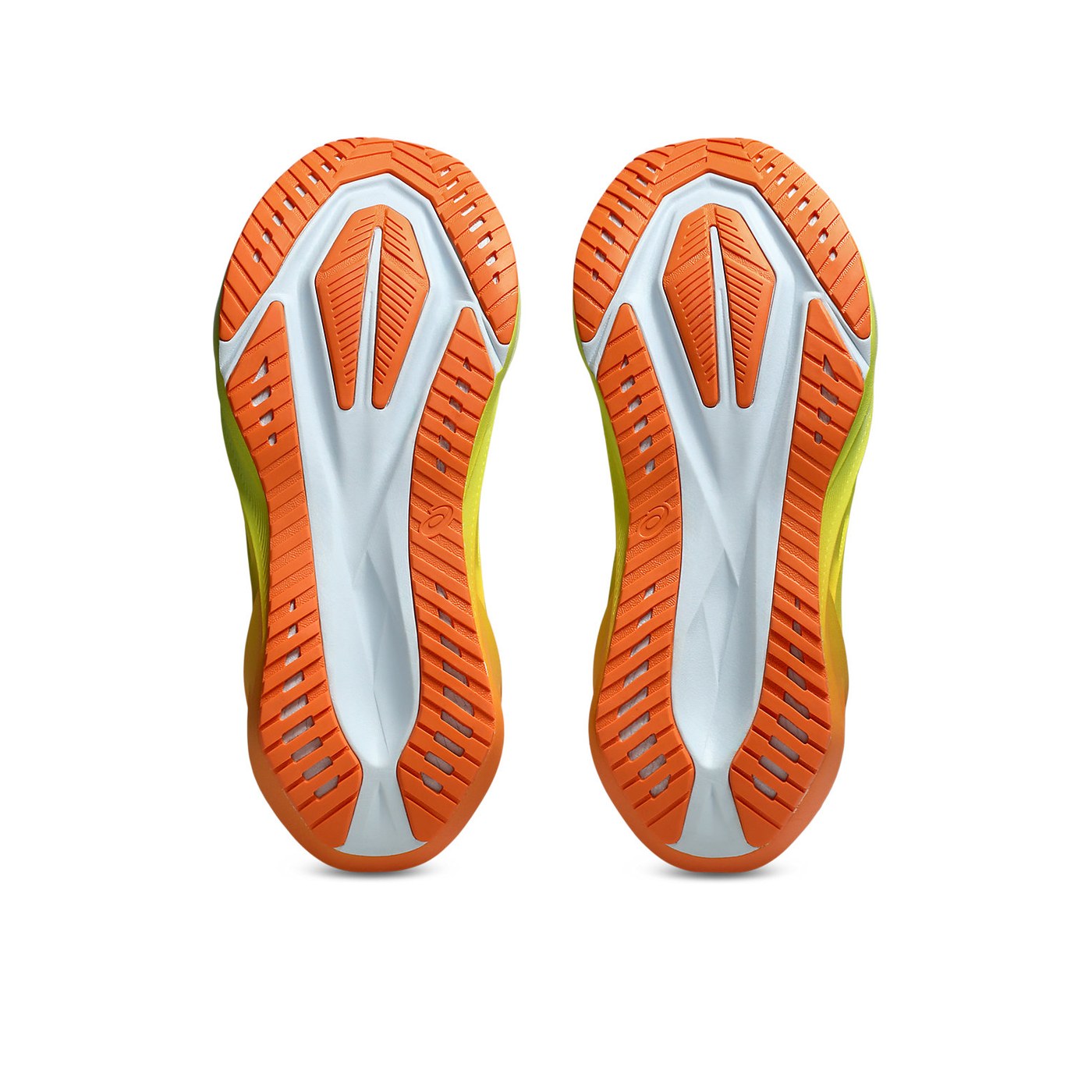
Asics Novablast 5, AHAR LO outsole

© Asics, official photo used for editorial purposes
Who it's for

The regular runner who wants a comfortable daily trainer

Easy runs, recovery days, long runs at a moderate pace: that is the Novablast 5's natural habitat. Its foam absorbs the miles without tiring your legs, and its durability, rated above average by testers who passed sixty kilometers with no visible outsole wear, makes it a solid pick if you want a single, versatile pair.

The marathoner who wants a non-carbon option

Several testers recommend it as a credible alternative to supershoes for long runs, and even for running a marathon at a moderate pace without chasing a personal best. The price clearly works in its favor against carbon-plated shoes at 250-300 €.

The wide foot that struggles to find a good match

The generous midfoot volume, described above as a flaw for narrow feet, becomes an asset for wide or high-volume feet, which finally get some room without having to size up half a size.

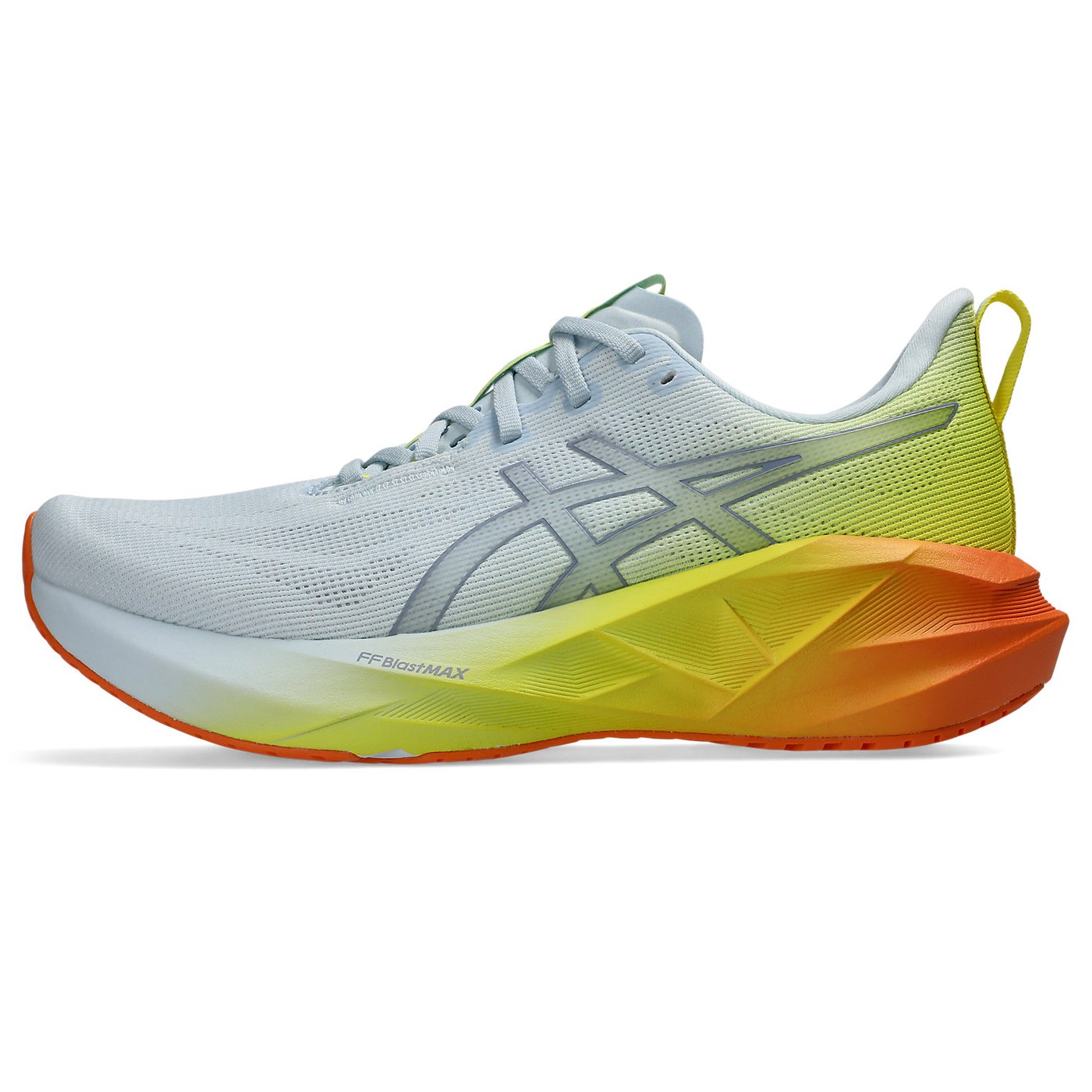
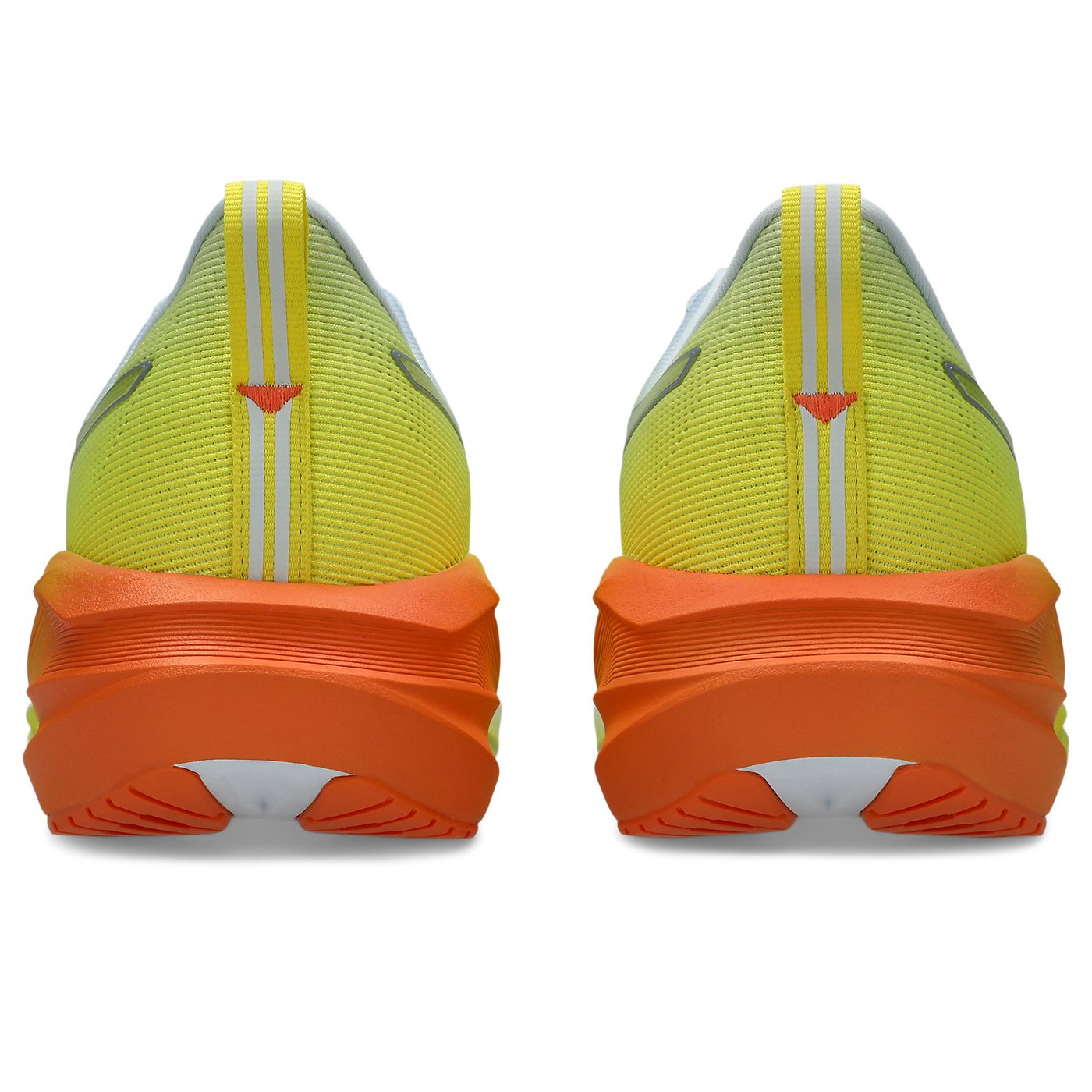
Asics Novablast 5, rear heel view

© Asics, official photo used for editorial purposes
Novablast 5 vs Novablast 6: the comparison

The question keeps coming up since the next generation launched: is it worth paying full price for the latest Novablast, or is the V5, already very polished and generally cheaper right now, the smarter buy?

CriterionNovablast 5Novablast 6
FoamFF BlastMAXRevised FF BlastMAX (next generation)
Street price125 to 150 €closer to launch price
Availabilityfrequent discounts, end of cyclefull current lineup (sizes and colorways)
RunMorph's pickbest value for the funfor runners who want the very latest version and the newest tweaks

At RunMorph, the choice mostly comes down to budget. The Novablast 6 refines the formula, but the V5 already covers most of what you need from a cushioned daily trainer, for twenty to thirty € less on average.

Head to head with the competition

Against the Mizuno Wave Rider 30, the Novablast 5 offers a bouncier but less structured ride: the Wave Rider relies on a full-length Wave plate and a more guided feel, while the Novablast favors free rebound. Against the Puma Velocity NITRO 5, it wins on measurement consistency (the Puma showed a large drop discrepancy between sources) and on overall stability. Compared with the Hoka Mach 7, which is lighter and livelier, the Novablast 5 stays more comfortable over distance but feels less quick when you change pace.

How to work it into your RunMorph training plan

The Novablast 5 fits naturally into a RunMorph marathon plan: it absorbs long runs without tiring your legs and still has enough pop for marathon-pace segments in your key sessions. If you are training for a shorter goal, it also works very well as a weekly easy-run shoe to pair with a lighter pair for your speed sessions.

Asics Novablast 5, top view of the upper and lacing

© Asics, official photo used for editorial purposes
RunMorph Coach's verdict

The Asics Novablast 5 earns its reputation as the bounciest daily trainer in the Asics lineup, with improved cushioning and surprising stability for such a tall foam. 7,9/10. The two things to know before you buy: a generous fit that will not suit every foot, and wet-ground grip that independent testers simply do not agree on. At its street price of 125 to 150 €, it remains one of the best daily trainers out there for anyone willing to live with those two trade-offs.

Key takeaways for your training

  • FF BlastMAX foam: more generous and softer than the previous version, with a noticeably improved heel-to-midfoot transition.
  • Try the fit before you buy: generous midfoot volume, great for wide feet, worth avoiding if you have a narrow foot that wants precision.
  • Wet-ground grip is uncertain: reviews disagree depending on the source, so ease off on soaked pavement until you know your own pair.
  • Above-average durability: no visible wear reported by testers after sixty to sixty-five kilometers.
  • Strong value: often found between 125 and 150 €, well below a competing premium daily trainer.
← Back to reviews