Polar charges 329.90 euros at launch for its most ambitious fitness watch, then watches it drop below 200 euros at retailers three years later. Between a heart rate sensor praised by every tester and the total absence of maps, compass and barometer, the Ignite 3 targets a specific crowd. At RunMorph, we read through the field tests to see whether it still holds up in 2026.
© Polar, official photo used for editorial purposes
Polar Ignite 3: the fitness watch that bets everything on heart rate and AMOLED
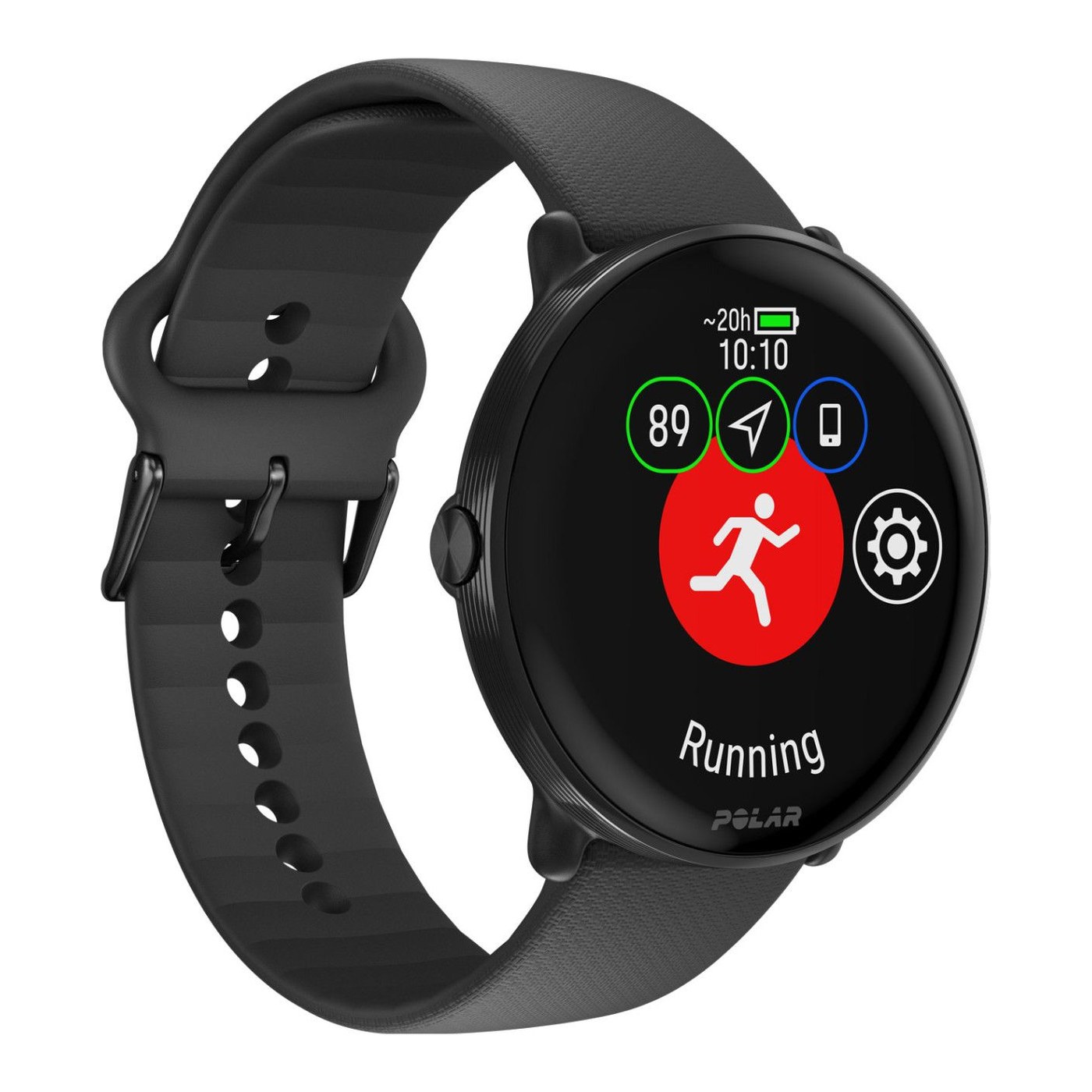
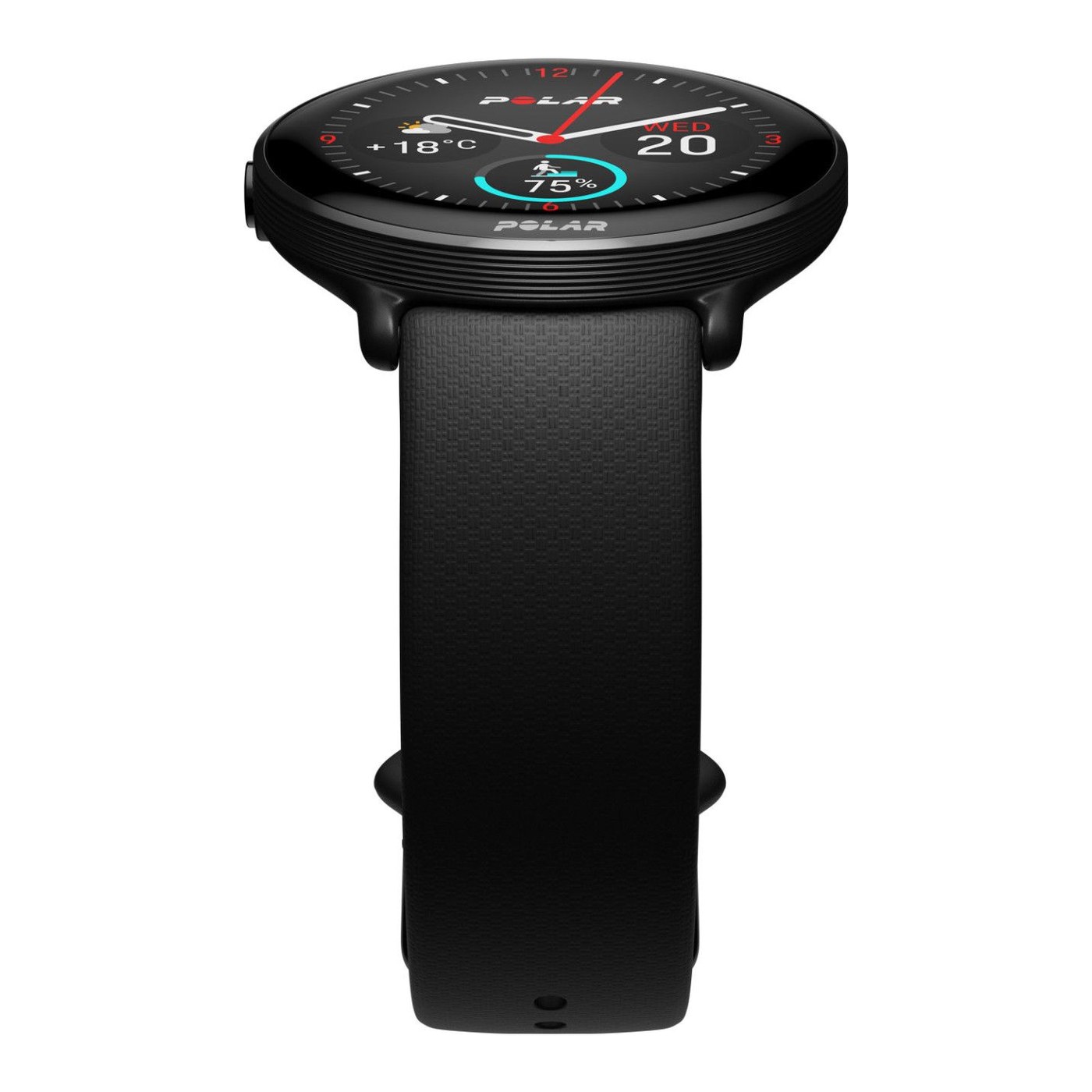
Launched on November 9, 2022, the Ignite 3 succeeds an Ignite 2 that sold for 229.90 euros at launch, with a price jump to 329.90 euros that Polar justifies through three changes: a curved touch AMOLED screen replacing the old TFT panel, a processor announced as twice as fast, and a GPS that gains accuracy through extra frequency bands. The brand positions the Ignite 3 as a fitness and wellness watch first, far from the outdoor ambitions of a Polar Vantage M3 or a Polar Grit X2 Pro.
RunMorph's advice: if your goal is reliable daily heart rate tracking and full sleep monitoring, the Ignite 3 answers that need for under 230 euros at most retailers. If you want to navigate trails or read a map on your wrist, look instead at the Polar Pacer Pro or the Coros Pace 4, both better equipped for that.
© Polar, official photo used for editorial purposes
Who is the Polar Ignite 3 for?
The casual runner who wants reliable heart rate without the fuss
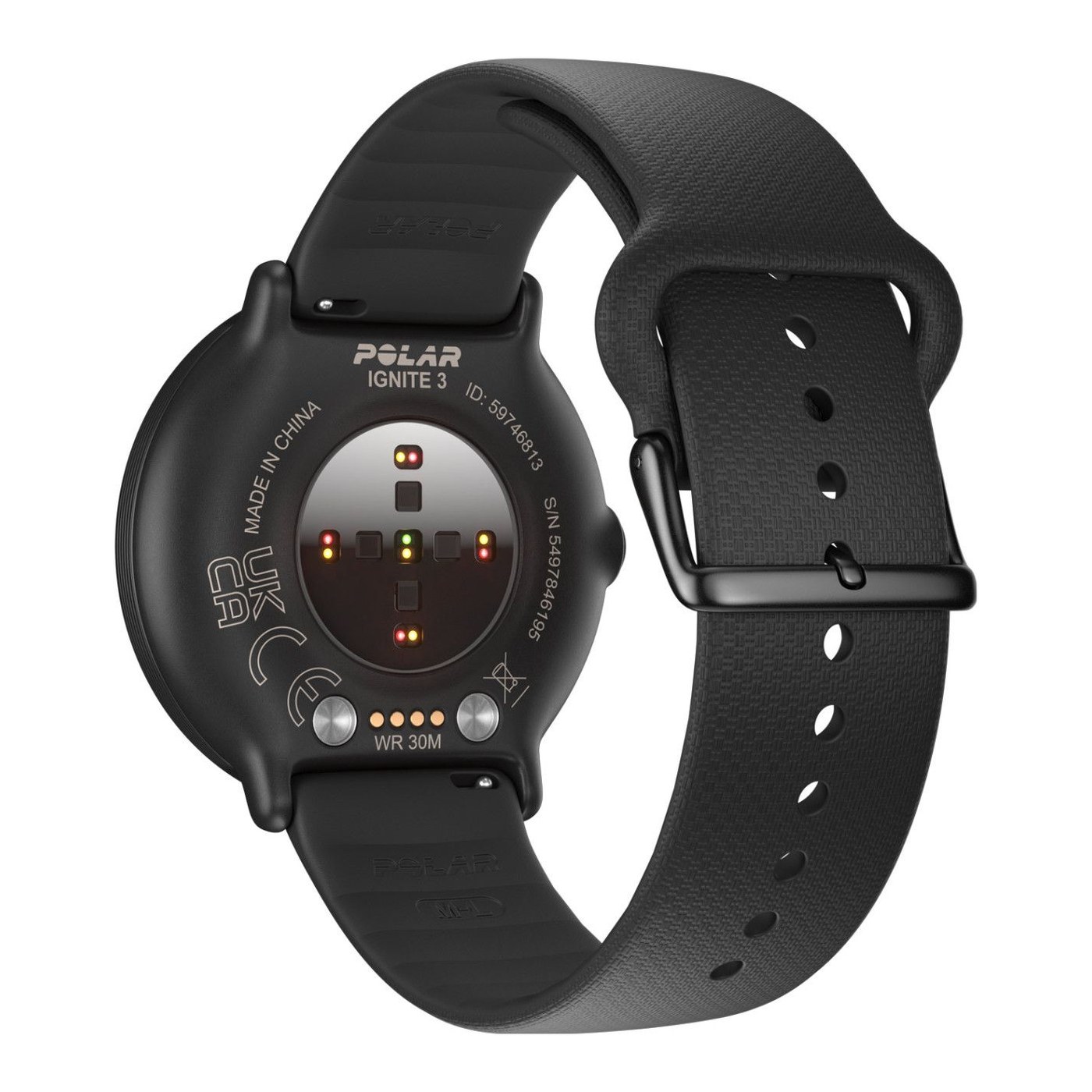
The Ignite 3 first targets someone who runs two to four times a week and wants an accurate heart rate during sessions, without strapping on a chest band. The Precision Prime sensor, with its ten LEDs and four photodiodes, is the point where French tests agree most: a reading judged reliable during intervals by several testers who compared it against an external reference.
The multisport, wellness-focused user
With over a hundred and fifty sport profiles and sleep-tracking features (Nightly Recharge, SleepWise), the watch suits anyone who wants a full health dashboard as much as a performance tool. FitSpark, the daily training assistant, suggests sessions tailored to the recovery level measured the night before.
The tight budget looking for AMOLED and multi-band GPS
Discounted to between 189 and 229 euros at most retailers in 2026, the Ignite 3 remains one of the few watches with a curved AMOLED screen and multi-constellation GPS under the 230-euro mark, a price segment with limited direct competition.
© Polar, official photo used for editorial purposes
GPS accuracy and heart rate sensor: the strong point versus the weak one
On heart rate accuracy, the field tests line up closely. One tester who compared the Ignite 3 against a reference chest strap during interval sessions found a minimal gap, calling the sensor very reliable. Another confirms a reliable heart rate monitor thanks to Precision Prime, with no dropouts reported during effort. At RunMorph, this optical heart rate reliability stands out as the watch's strongest point, rare at this price.
The GPS story is more mixed. One tester calls accuracy near-perfect in open terrain, but notes a clear drop in dense urban environments, despite the four onboard constellations, GPS, GLONASS, Galileo and BeiDou. None of the tests we read gives a percentage figure against a high-end multi-band reference such as a Forerunner 970 or a fenix 9, which limits direct comparison. RunMorph's verdict: solid GPS accuracy in open outdoor terrain, but not at the level of the market's references in the city.
© Polar, official photo used for editorial purposes
Mapping and navigation: the absence that shapes the whole review
The Ignite 3 has no maps, no compass and no barometer. This is not a minor omission: it clearly places the watch outside the outdoor and trail segment, where a COROS Apex 2 Pro or a Polar Grit X2 Pro take over with offline maps and a barometric altimeter. For road or track running, the absence matters little. For trail running on unmarked routes, it becomes a dealbreaker, as several reviews of outdoor watches in the same price range point out.
Training and recovery metrics
The Polar Flow software suite calculates training load, cardio load status and offers Nightly Recharge, an analysis combining overnight heart rate and variability to estimate recovery. SleepWise adds a reading of the energy level expected during the day based on measured sleep, a feature comparable to a readiness score in other ecosystems. FitSpark rounds out the toolkit with daily session suggestions. One tester calls these sleep and recovery tools among the most complete on the market at this price point, while another flags a mobile app judged unintuitive and at times cluttered.
Real-world battery life
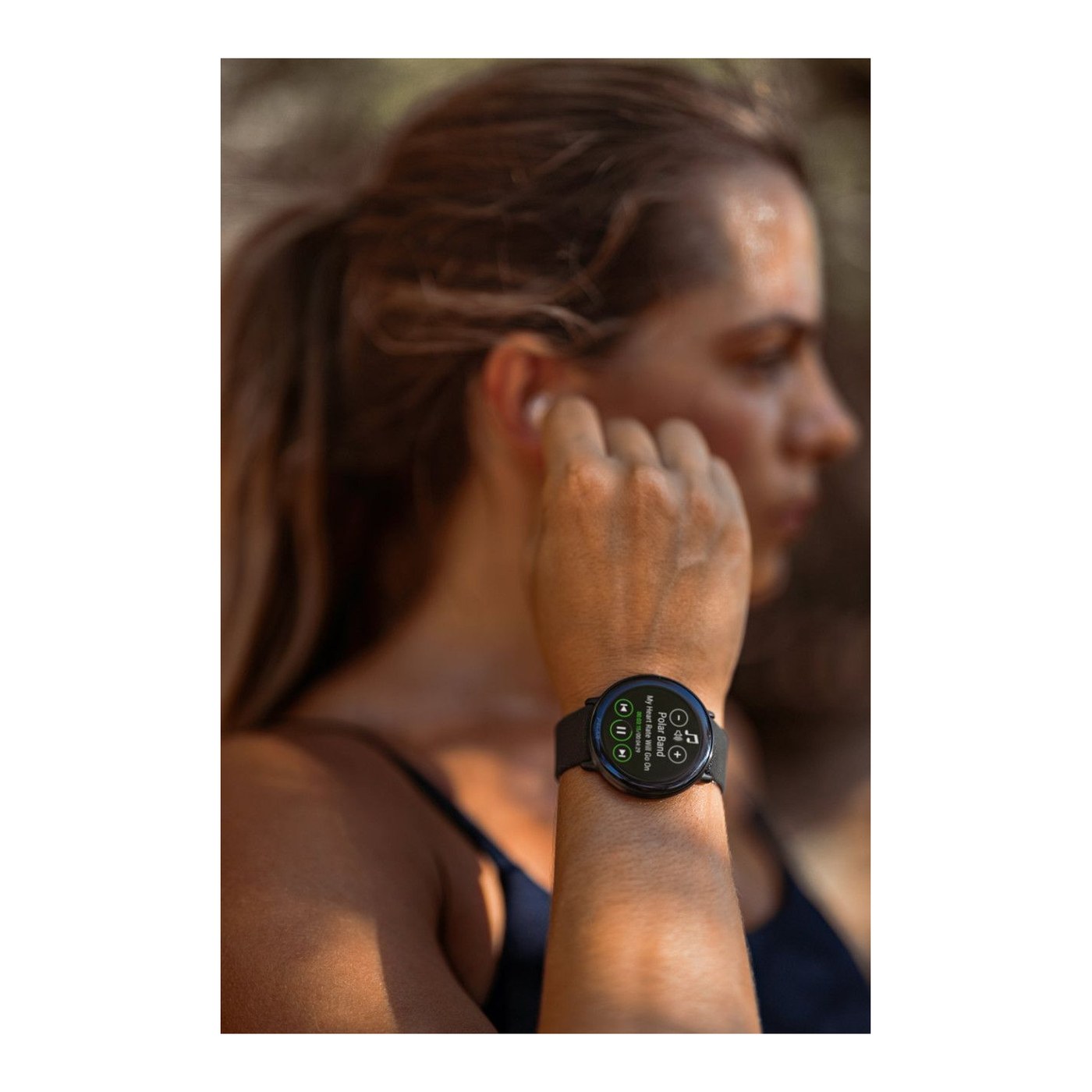
Polar advertises thirty hours in continuous GPS training mode, a hundred hours in power-saving training mode and a hundred and twenty hours in connected watch mode. Field tests nuance those figures without flatly contradicting them: one tester measures roughly four to five days of standard use with heart rate and GPS running daily, another suggests close to a week is possible by optimizing the settings. The common thread across every field measurement: keeping the Always-On Display active drains battery life noticeably, a typical AMOLED trade-off worth anticipating before you buy. A full charge takes about ninety minutes.
© Polar, official photo used for editorial purposes
How it compares to the competition
In the sub-300-euro fitness watch segment, the Ignite 3 crosses paths with the Polar Pacer Pro, more performance-oriented with its always-on display and the same Polar Flow suite, and the Coros Pace 4, lighter and fitted with offline maps that Polar lacks. On a tighter budget, the Garmin Forerunner 55 remains an entry-level reference, at the cost of a lesser screen.
Polar Ignite 3 vs Coros Pace 4: head to head
| Criterion | Polar Ignite 3 | Coros Pace 4 |
|---|
| Weight | 35 g | 32 g |
| Display | Curved touch AMOLED, 1.28 in | Touch AMOLED, 1.2 in |
| Mapping | None | Offline |
| GPS battery life | 30 h | 40 h |
| 2026 street price | 189 to 229 € | 269 € |
| Strong point | Precision Prime heart rate | Battery life and mapping |
The Ignite 3 wins on discounted price and heart rate reliability, the Coros Pace 4 on battery life and navigation. The choice mostly comes down to use: road running and health tracking for the first, trail and long outings for the second.
How to fit it into your RunMorph training plan
The Ignite 3 suits a gentle comeback or a consistency goal better than a timed trail build-up. At RunMorph, we recommend it alongside a beginner plan, where heart rate reliability and sleep tracking matter more than mapping or long battery life. The FitSpark score and Nightly Recharge help you dose session intensity based on real recovery, a real asset if you are returning to running after a break.
RunMorph Coach's verdict
The Polar Ignite 3 delivers on the essentials: an optical heart rate sensor among the most reliable in its class, a pleasant AMOLED screen and a weight you forget you are wearing. It pays, though, for the total absence of maps, compass and barometer, and for GPS that loses accuracy in the city. At its 329.90-euro launch price, the trade-off is debatable against better-equipped rivals. Discounted to between 189 and 229 euros, it becomes a defensible choice again for anyone who wants complete health tracking and heart rate data they can trust. 7,4/10.