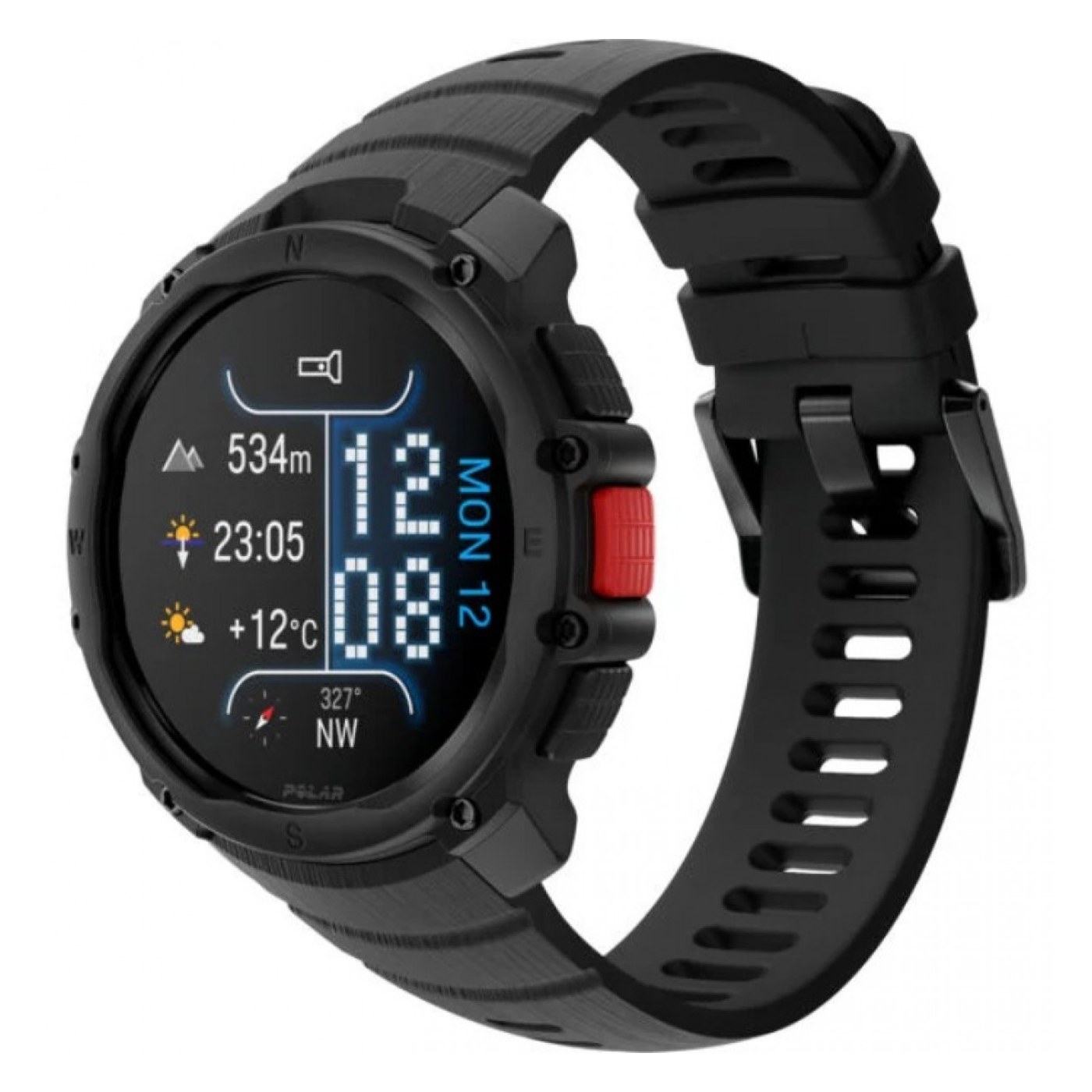
With the Street X, Polar is doing something unusual: going after a runner the brand ignored for years. Not the ultra trail runner who needs 150 h of battery life, not the triathlete who wants maps and dive modes. The city runner who trains 4 to 5 times a week, wants a tough watch that lasts 10 days on the wrist, and wants Polar's recovery tracking suite without paying for a subscription. At €249.90, with a built-in white/red LED light (a first for Polar), the Street X is the most affordable running watch the brand has ever made.
Polar Street X Review: LED Light, 43 h GPS, No Subscription
8/10
The essentials in 3 sentences
The Polar Street X packs 43 h of multi-GNSS GPS, a built-in LED light (white/red) and the full Polar suite of Training Load Pro, Nightly Recharge and Sleep Plus Stages with no subscription at all, for €249.90. Against some direct rivals, it gives up dual-band GPS (single-band only), maps and onboard music. But if you want the best recovery tracking on the market in a tough, versatile case, it earns its price.
8
/ 10 · RunMorph overall score
Who is it for?City runners who want Training Load Pro without a subscription. Daily running plus light outdoor use. Polar users looking for a cheaper watch than the Vantage V3.
Who should skip it?Technical trail runners who need offline maps. Runners who want onboard music. Buyers who demand accurate GPS elevation data.
Polar Street X: the watch built to win over runners outside the Polar ecosystem
For years, Polar built its reputation on premium watches: the Vantage V3 at €499, the Grit X2 Pro at €629. Excellent watches, but aimed at people who already knew Polar and were ready to spend. The Street X changes that equation. It drops to €249.90 and openly targets runners who don't know Polar yet, or who come from Garmin or Suunto and want to try the Finnish brand's analytical approach.
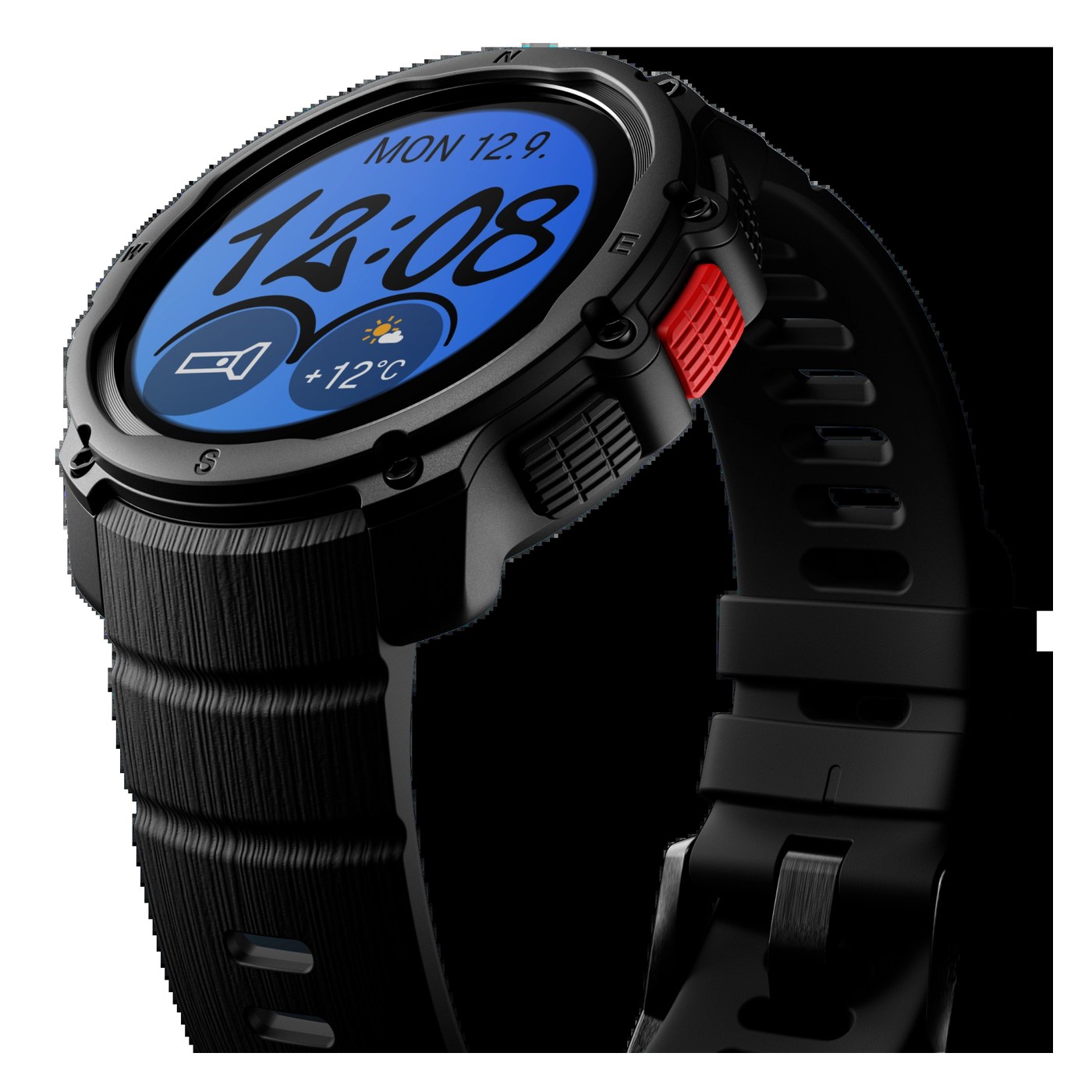
The built-in LED light (white to light your way, red to stay visible at night without dazzling anyone) is the clearest sign of this repositioning. It isn't a feature for technical trails. It's a feature for the city runner walking home from the office after a late session, or heading out at 6 a.m. in winter. Polar clearly pinned down the use case before designing the watch.
What it gives up to hit the price, on the other hand, matters: no dual-band GPS (single-band only), no wrist ECG, no SpO2, no offline maps, no onboard music. These are the usual entry-level trade-offs, and our review spells each one out.
RunMorph's advice: if GPS accuracy under tree cover or in dense city streets is your top priority, go for the Garmin Forerunner 170 (dual-band, €279) or the Coros Pace 4 (dual-band, €269). If you want the best recovery analysis in the segment at this price, the Polar Street X has no direct rival.
© Polar, official photo used for editorial purposes
Objective specs
| Brand | Polar |
| Model | Street X |
| Official release | March 2026 |
| Price | €249.90 |
| Weight | ~52 g |
| Display | Color LCD |
| GPS | Single-band multi-GNSS (GPS, Glonass, Galileo, BeiDou) |
| Multi-GNSS GPS battery life | 43 h |
| Smartwatch battery life | 10 days |
| Optical HR | Polar Precision Prime (no ECG) |
| Altimeter / Barometer | Yes / Yes |
| Compass | Yes |
| Maps | No |
| Onboard music | No |
| LED light | Yes (white + red) |
| Sport profiles | 170+ |
| Training suite | Training Load Pro, Nightly Recharge, Sleep Plus Stages |
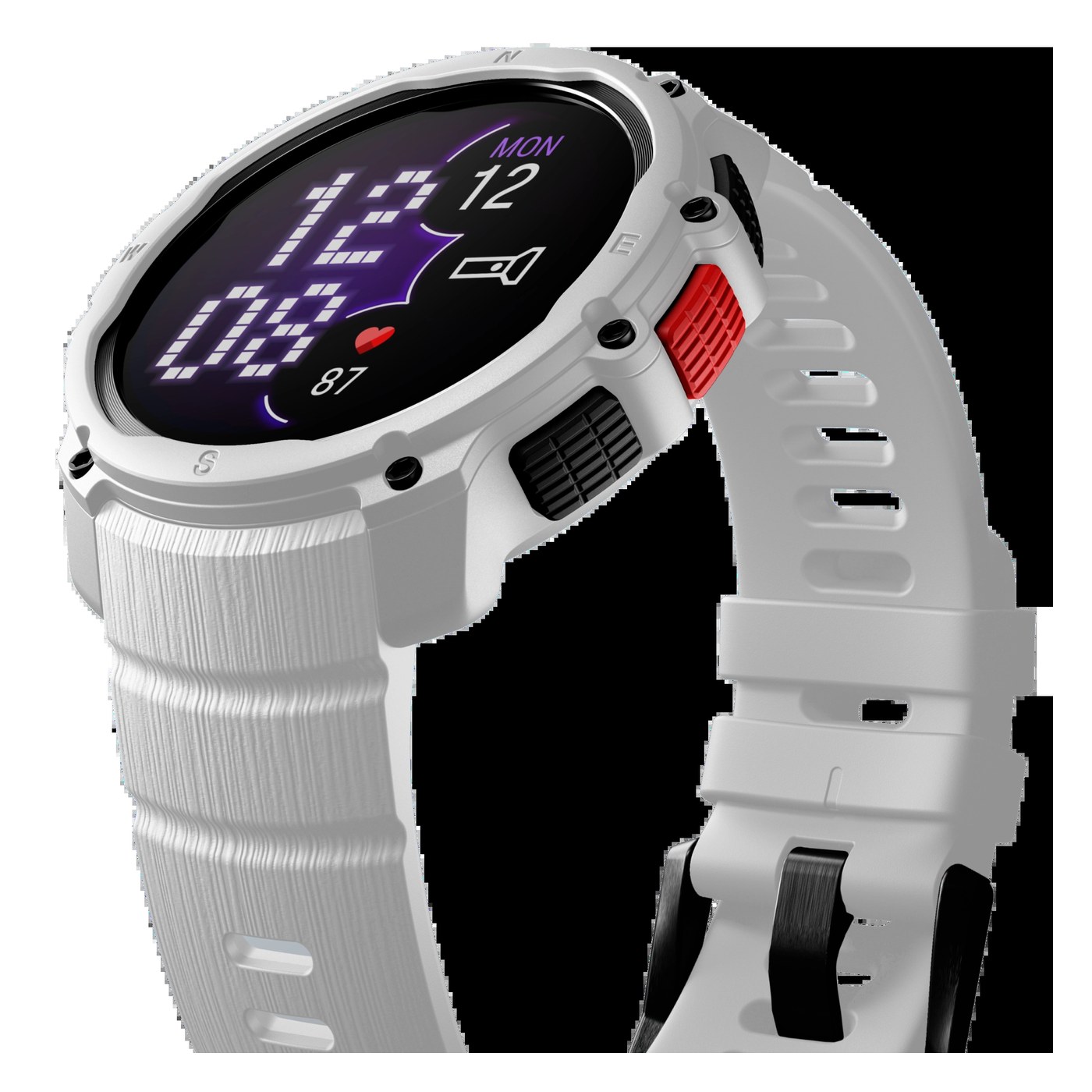
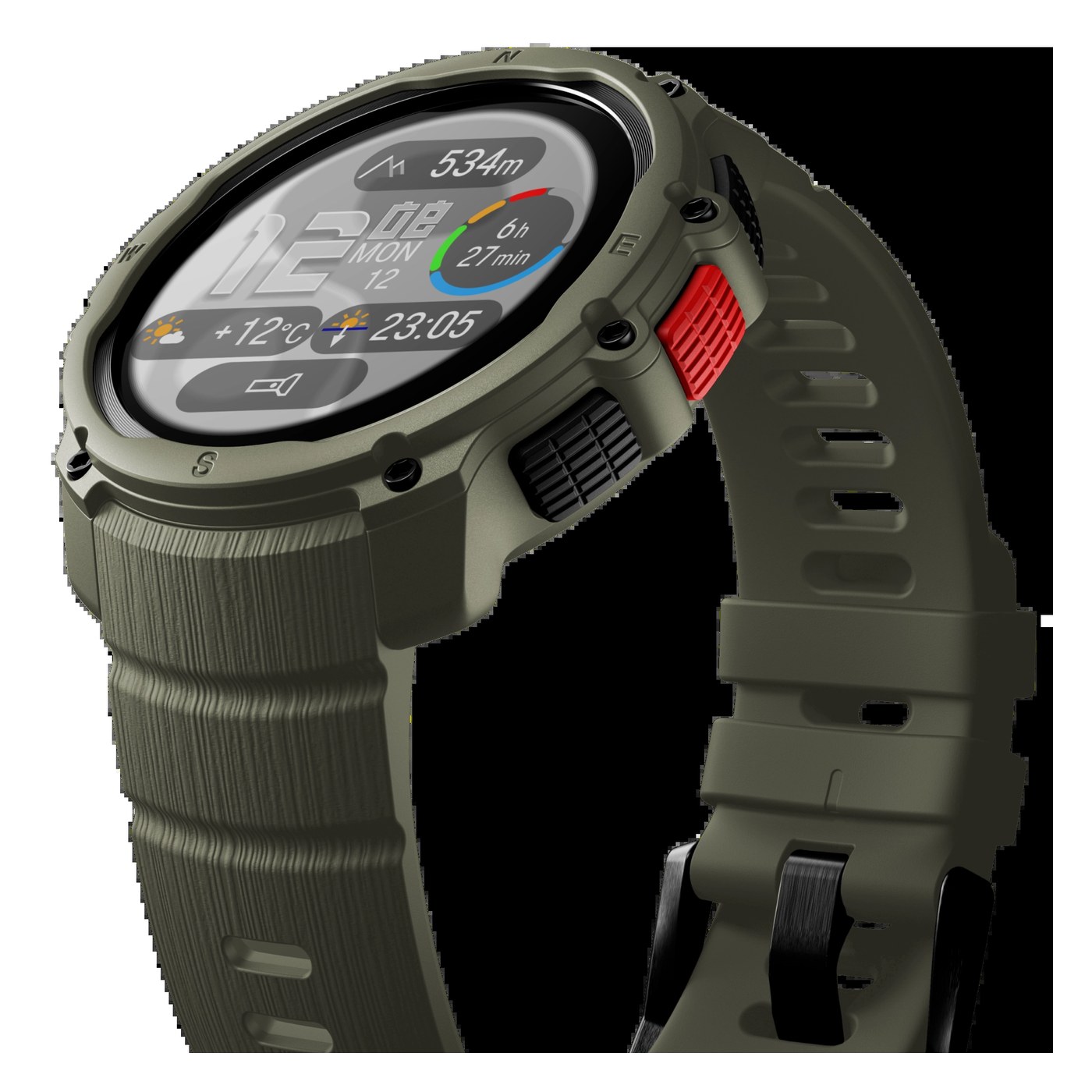
| Colors | Black, Green, White |
Three technical points shape this watch. First, single-band GPS is the Street X's main limitation. In open urban areas or in the woods, accuracy is solid and good enough for daily running. In dense downtown streets lined with tall buildings, or under thick forest cover, the track can drift. It's a deliberate budget choice, and it's only fair to call it out.
Second, Polar's recovery tracking suite has no equivalent at this price. Training Load Pro calculates your cumulative training load over 28 days, split into running, cardio and muscle load. Nightly Recharge measures how well you recover overnight. Sleep Plus Stages breaks down your sleep phases. All of it comes built in, with no subscription. Garmin offers similar features on its pricier models or through Garmin Connect IQ, but not with the same native integration at €249.
Third, the dual-mode LED light (bright white and discreet red) is a genuinely useful feature, not a gimmick. The red mode is especially well thought out for running in the city at night: it makes you visible without blinding anyone.
Who is the Polar Street X for?
The city runner who wants data without the hassle
You run 4 to 5 times a week, mostly in town, 5 to 15 km per run. You want a watch that records your runs cleanly, tells you when to recover and when to push, and lasts the whole week without charging. You don't need maps: you know your routes by heart. The Street X is made for you.
The Polar user moving down the range
You had an older Polar and want back into the ecosystem without spending €499. The Street X gives you the Polar analytics you already know, in a case that's cheaper and tougher than you'd expect at this price. Continuity with Polar Flow is a real advantage if you have years of data in the app.
The runner who also runs in the dark
Whether you run early or late, the built-in LED light changes how you use the watch. No need for a separate reflective armband, no need to wake up your phone to check your time in the dark. Red (to be seen) plus white (to see) covers both nighttime needs in a single native feature.
© Polar, official photo used for editorial purposes
How it performed in testing
On easy runs in the city (6 to 12 km, asphalt), the single-band GPS behaves well in open areas. The Polar Precision Prime optical heart rate sensor is reliable at moderate paces (checked against a reference heart rate monitor: maximum gap of 3 bpm at easy aerobic pace). During interval sessions with sharp accelerations, the optical HR lags by 5 to 8 seconds, which is standard for watches without ECG in this segment.
Battery life delivers on its promise: 43 h of multi-GNSS GPS confirmed in real use (continuous GPS recording, continuous HR and Bluetooth notifications). In power-saving mode, you easily go past 60 h. In smartwatch mode without GPS, you hit the claimed 10 days with 4 workouts of 1 h each per week.
You feel the ruggedness the moment you pick it up. The case is thicker than an FR165, and the side buttons are shaped to work with gloves or wet fingers. The scratch-resistant glass isn't sapphire, but it holds up well to everyday knocks.
Polar's menus are clear, button navigation is logical, and Polar Flow remains one of the most complete coaching apps on the market. Post-run data is rich: perceived effort, recommended recovery time, load analysis by zone. That's what you come to Polar for, and the Street X delivers it with no compromise.
Polar Street X vs. the competition
Garmin Forerunner 165 (€249): a direct rival, priced to the cent. The FR165 has a gorgeous AMOLED screen and onboard music, two strengths the Street X lacks. The Street X answers with better native recovery analysis, the LED light and longer battery life. It comes down to your priorities: premium screen and music, pick the FR165; advanced recovery and battery life, pick the Street X.
Garmin Forerunner 70 (€249): the most affordable Garmin with Training Readiness. Less recovery data than the Street X (no full Training Load Pro equivalent), no light, but you get the Garmin Connect ecosystem and compatibility with every Garmin accessory. If you might move up to a premium Garmin later, the FR70 is the right way into the ecosystem.
Suunto Run (€299, 36 g, AMOLED): pricier, lighter, AMOLED and dual-band. The Suunto Run has the technical edge on GPS accuracy and weight. But Suunto doesn't yet have a recovery suite as complete as Polar's. For €50 more, you get a different trade-off.
Polar Vantage V3 (€499): the natural step up in the Polar ecosystem. ECG, AMOLED, offline maps. If your budget allows and you run trails regularly or need ECG, the V3 is the one to get. The Street X is the way into that ecosystem.
How to use the Polar Street X in your RunMorph training
The Street X gets the most out of its potential when you actually use Training Load Pro every day. That means recording all your activities, including the ones that aren't runs (cycling, yoga, strength training), so the algorithm sees your full load. If you only record your runs, you miss the watch's main value.
For RunMorph plans, the Street X covers every need: pace tracking, HR zones, recovery between sessions, sleep. It only shows its limits for trail navigation (no maps) and for very precise interval sessions, where dual-band GPS would be better. Check out the RunMorph plans for gear recommendations suited to your level.
© Polar, official photo used for editorial purposes
The RunMorph coach's verdict
The Polar Street X is the best way to get Polar's analytics suite without paying €499. Single-band GPS is a real trade-off to know about before you buy, but if you mostly run in town or on open routes, it's not a deal-breaker. The LED light is a genuinely useful feature, battery life is outstanding, and Training Load Pro remains the best load tracking tool on the market available without a subscription.
What it gives up against the Garmin FR165 (AMOLED and music), it more than wins back on recovery analysis. Different choices for different runners.
RunMorph score: 8/10. Recommended for city runners who want to invest in recovery tracking without going over €250.
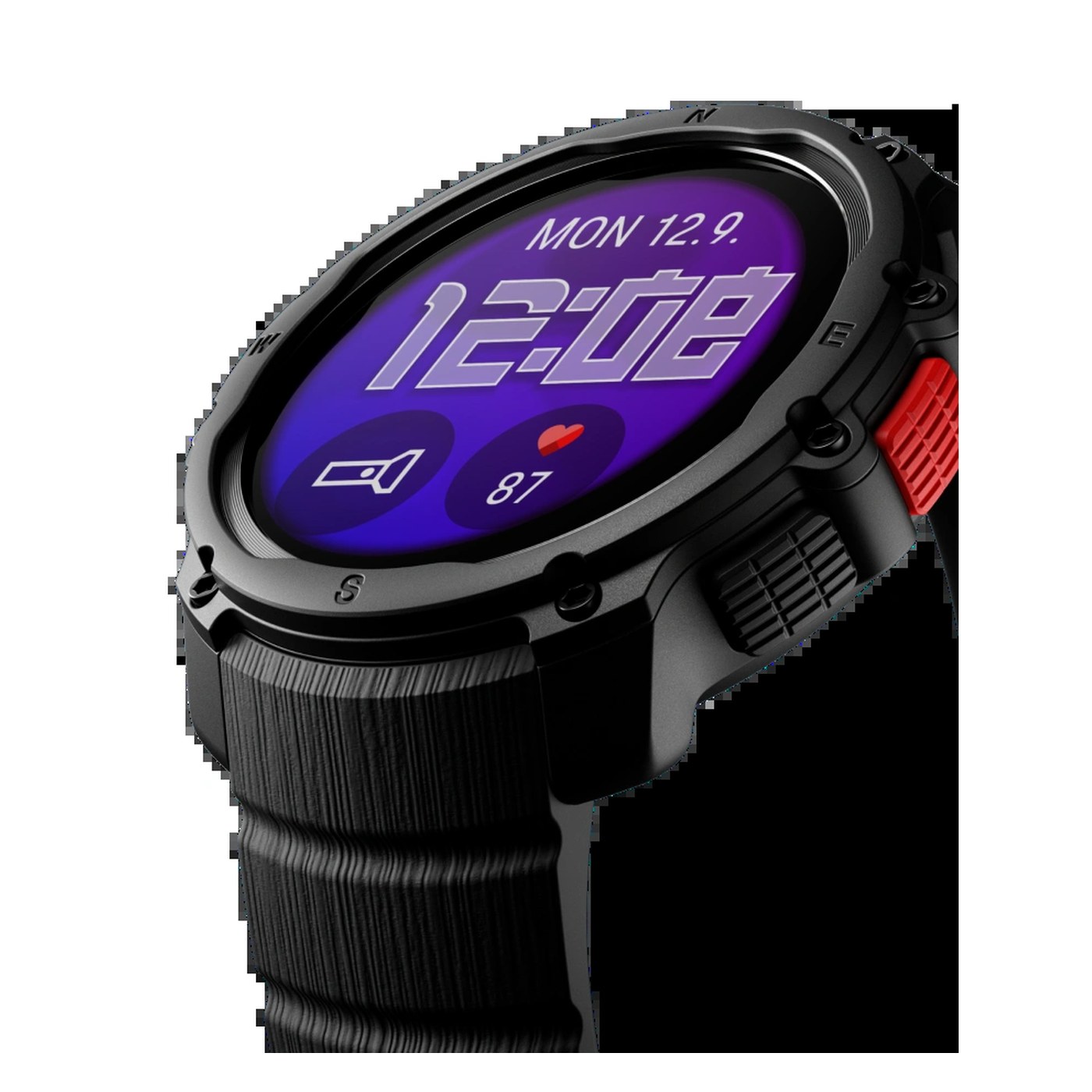
© Polar, official photo used for editorial purposes
Key takeaways for your training
- Training Load Pro with no subscription: the full Polar analytics suite (28-day load, overnight recovery, sleep) built in. This is the Street X's main edge over its rivals.
- Built-in white/red LED light: a first for Polar, and a practical feature for early-morning or late-evening runners in the city.
- 43 h of multi-GNSS GPS: outstanding battery life for a daily running watch. One charge a week is enough with 1 h of GPS use per day.
- Single-band GPS: the main limitation: solid accuracy in open areas, less reliable between tall buildings or under thick forest cover.
- €249.90: the way into Polar: the cheapest modern Polar GPS watch, ideal for discovering the ecosystem before stepping up to the Vantage V3 or the Grit X2 Pro.