Asics Metaspeed Sky Tokyo Review: A Super Shoe for Long Strides
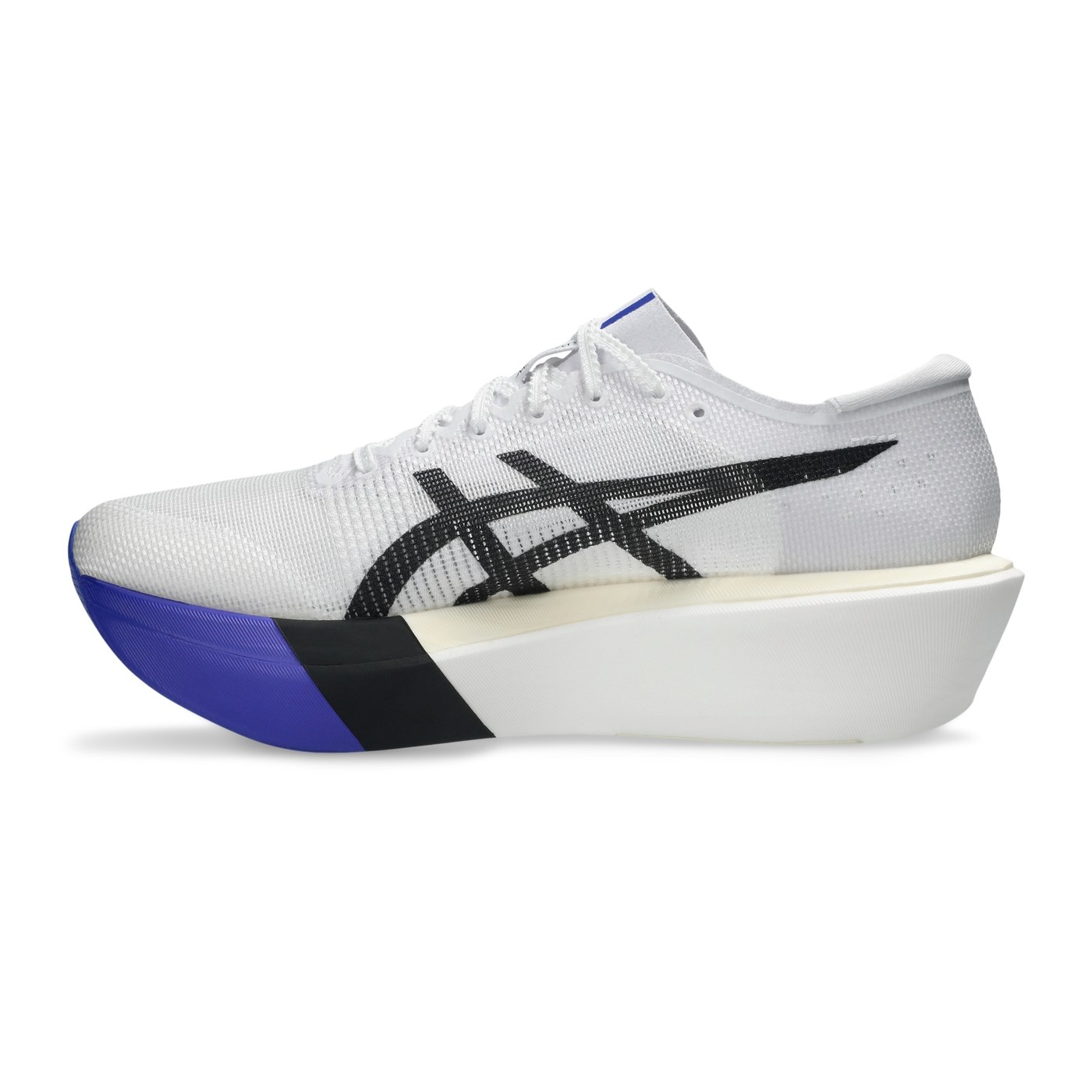
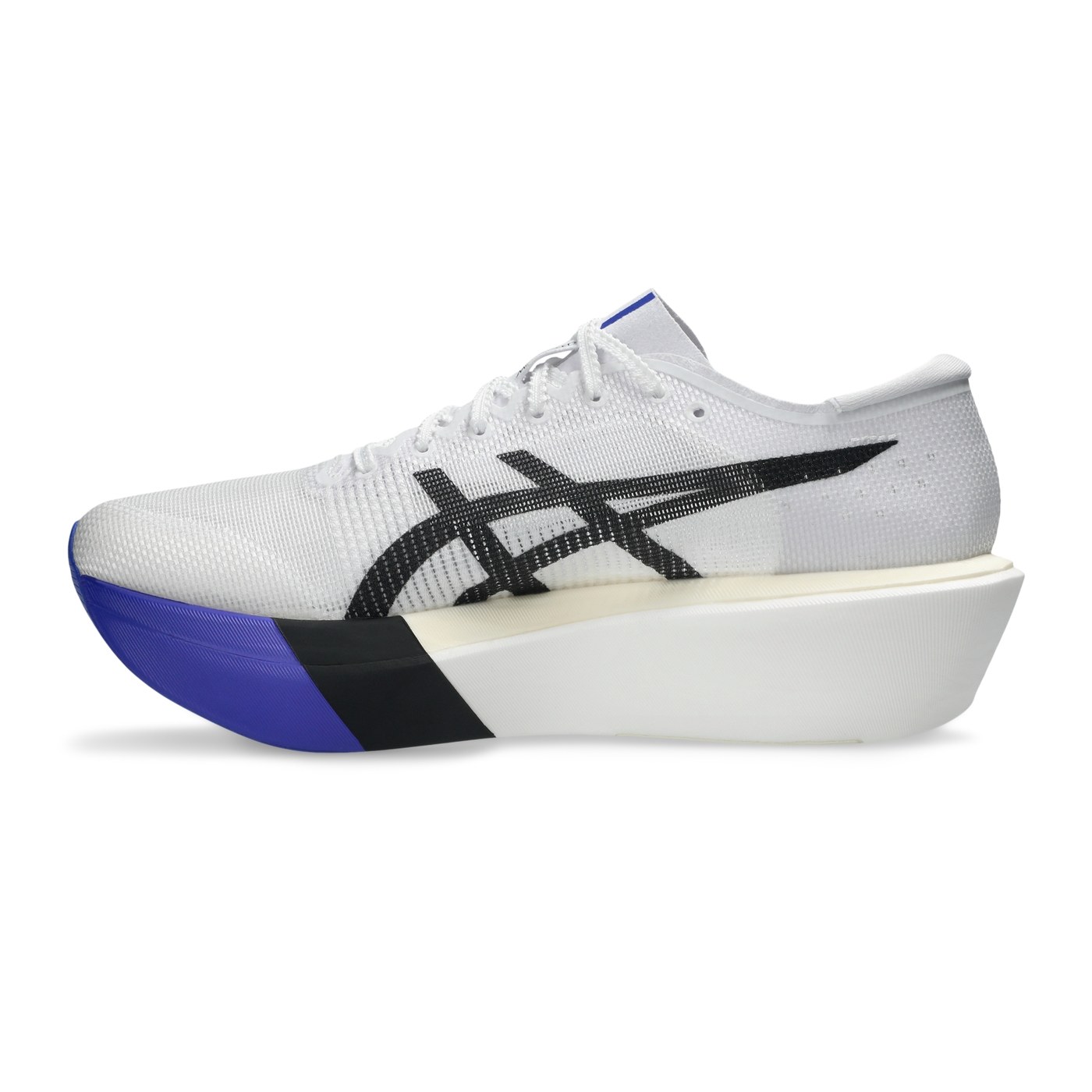
Metaspeed Sky Tokyo: the super shoe built for your long, powerful stride.
For five years now, Asics has split its racing lineup into two families: the Sky for stride runners (long stride, fewer ground contacts) and the Edge for cadence runners (high turnover, short contacts). No other brand does this in the super shoe category: everyone else builds one shoe and claims it suits every runner. If you know how you run, this choice lets you chase that last 1% of efficiency.
Released in 2025 for the World Athletics Championships in Tokyo, the Metaspeed Sky Tokyo is the culmination of that philosophy. It's lighter than the Sky Paris (170 g vs 187 g), runs on a new FF Leap + FF Turbo+ foam combo, and it's clearly aimed at the world's elite. Let's see if it deserves a spot in your arsenal.
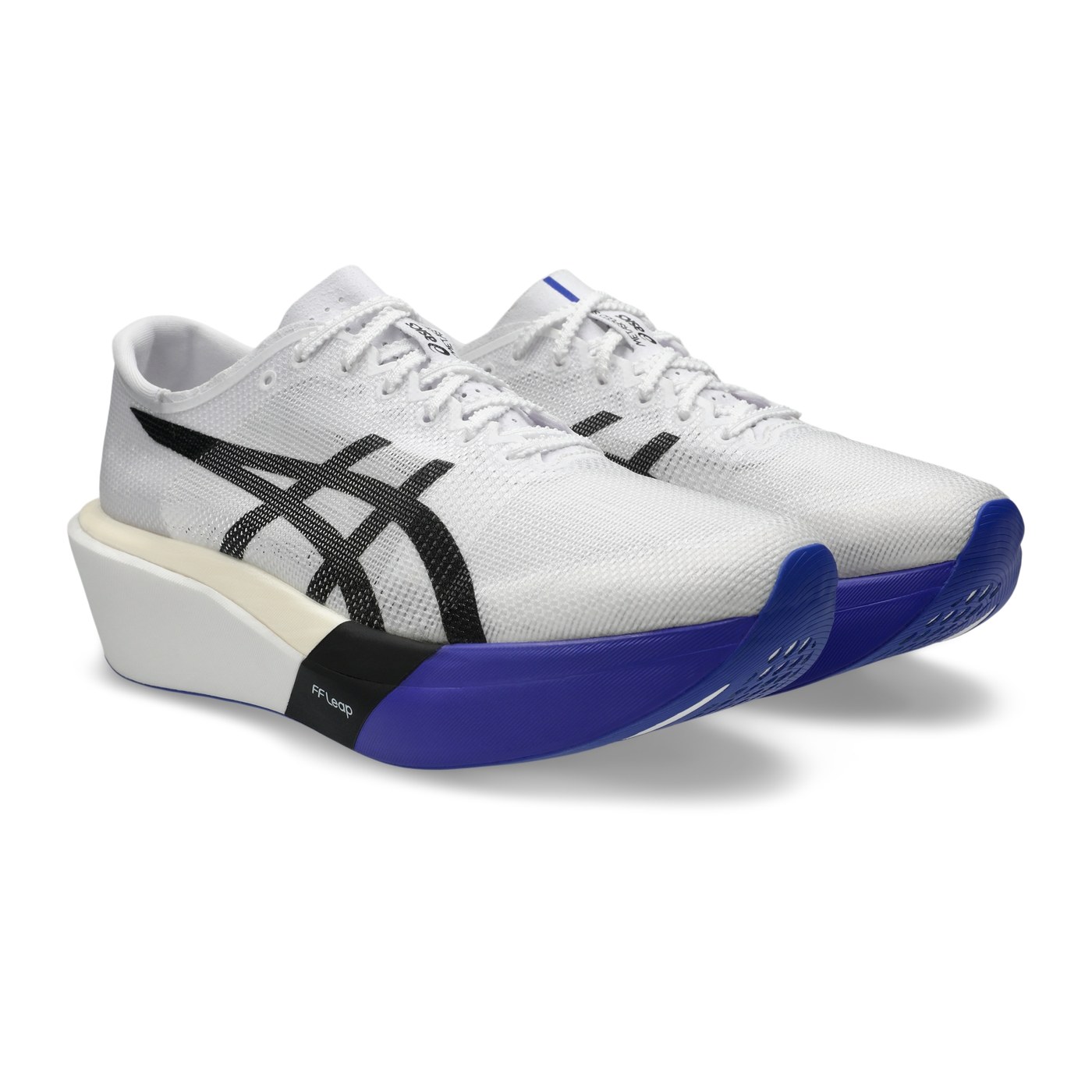
Asics Metaspeed Sky Tokyo specs
| Brand | Asics |
| Model | Metaspeed Sky Tokyo |
| Release date | June 15, 2025 |
| Intended use | Road, elite carbon-plated racing, stride runners |
| Claimed drop | 5 mm |
| Measured drop (lab) | ~6 mm, a small gap worth knowing about |
| Forefoot / heel stack height | 34.5 mm / 39.5 mm |
| Weight (men's size 42) | 170 g |
| Foam | FF Turbo+ (top) + FF Leap (bottom), dual-layer combo |
| Carbon plate | Yes, under the FF Turbo+ foam (spoon-shaped) |
| Upper | Motion Wrap 2.0, ultra-thin, narrow toe box (70 mm) |
| Recommended distance | 10 km to marathon (stride runners) |
| MSRP | €270 |
| RunMorph score | 9.3 / 10 |
Sky vs Edge: understand the difference before you buy
First things first: Sky or Edge? Asics designed two complementary super shoes, and picking the wrong one means spending €270 on a shoe that doesn't match your stride.
- You're a "stride runner" (long stride) → Sky Tokyo. If you run by lengthening each stride, with relatively long ground contact time, the Sky's geometry suits you. The carbon plate and rocker are tuned to help you sustain your speed through propulsion rather than generate it on every footstrike. That's the classic profile of Eliud Kipchoge or Ruth Chepngetich.
- You're a "cadence runner" (high turnover) → Edge Tokyo. If you favor turnover (180+ steps per minute) with short ground contacts, the Edge's geometry is designed to transfer energy fast on every quick footstrike. That's the profile of Sifan Hassan or Yomif Kejelcha.
RunMorph tip: if in doubt, check your cadence over your last 5-10 half marathons or marathons. Under 175 steps/minute, you're probably a stride runner: get the Sky. Over 185 steps/minute, you're a cadence runner: get the Edge. In between, both models work, but the Sky is statistically the more versatile of the two.
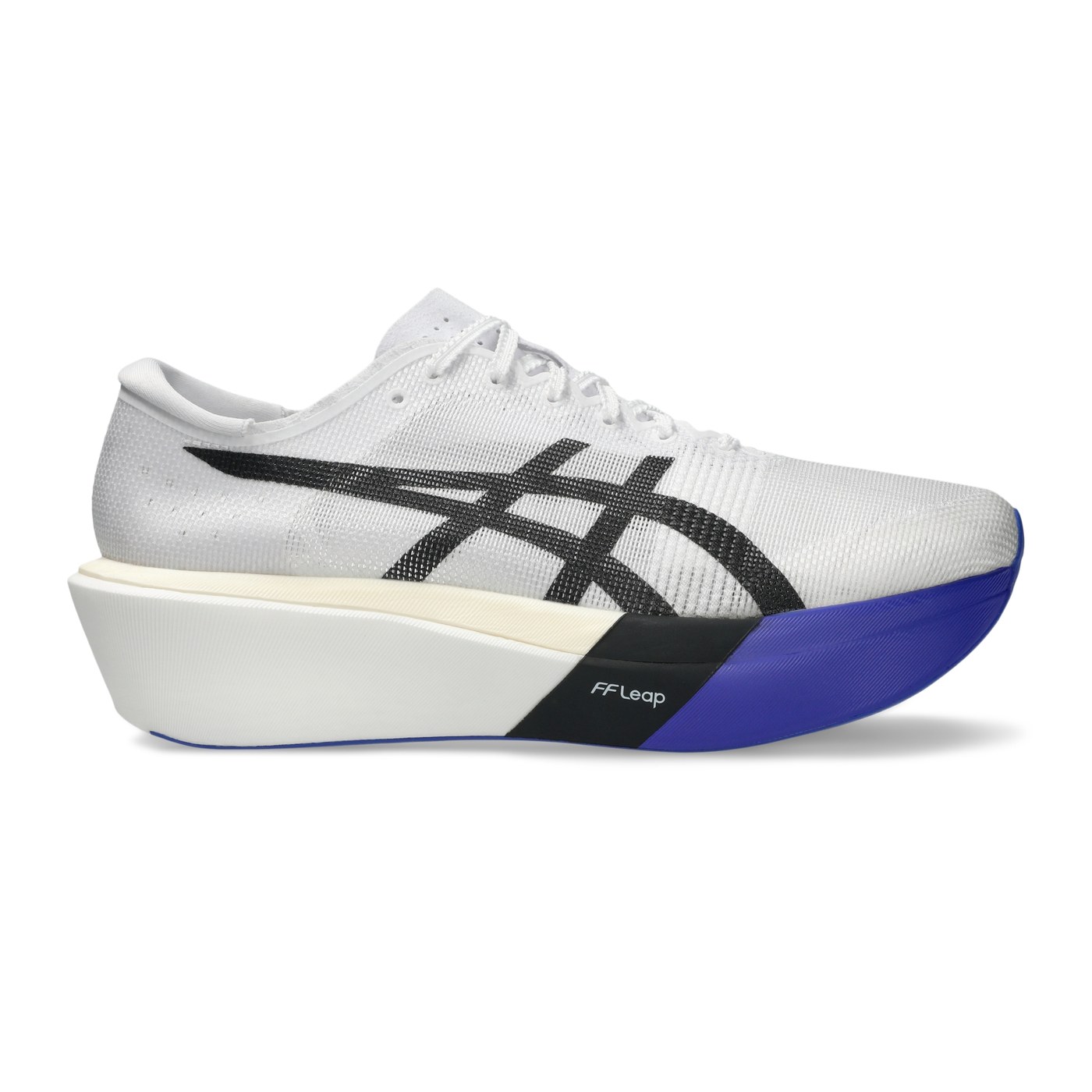
Who is the Asics Metaspeed Sky Tokyo for?
Here's our coaching take, profile by profile.
Verdict: the Metaspeed Sky Tokyo is an elite shoe that doesn't forgive. It demands a well-developed long stride, solid mechanics and serious weekly mileage (50 km/week minimum). If you're an everyday runner looking for an approachable super shoe, look at the Saucony Endorphin Pro 5 instead: it's more forgiving. If you're an elite cadence runner, the Metaspeed Edge Tokyo will suit you better.
Under the hood: the technical details
FF Turbo+ and FF Leap foam combo: the new architecture
On the Sky Paris, Asics used a single full-length FF Turbo+ midsole. On the Tokyo, the brand introduces a revolutionary dual-layer system: FF Turbo+ close to the foot (firmer, 38 Asker C), with FF Leap underneath (softer, bouncier). This new FF Leap foam accounts for part of the price increase.
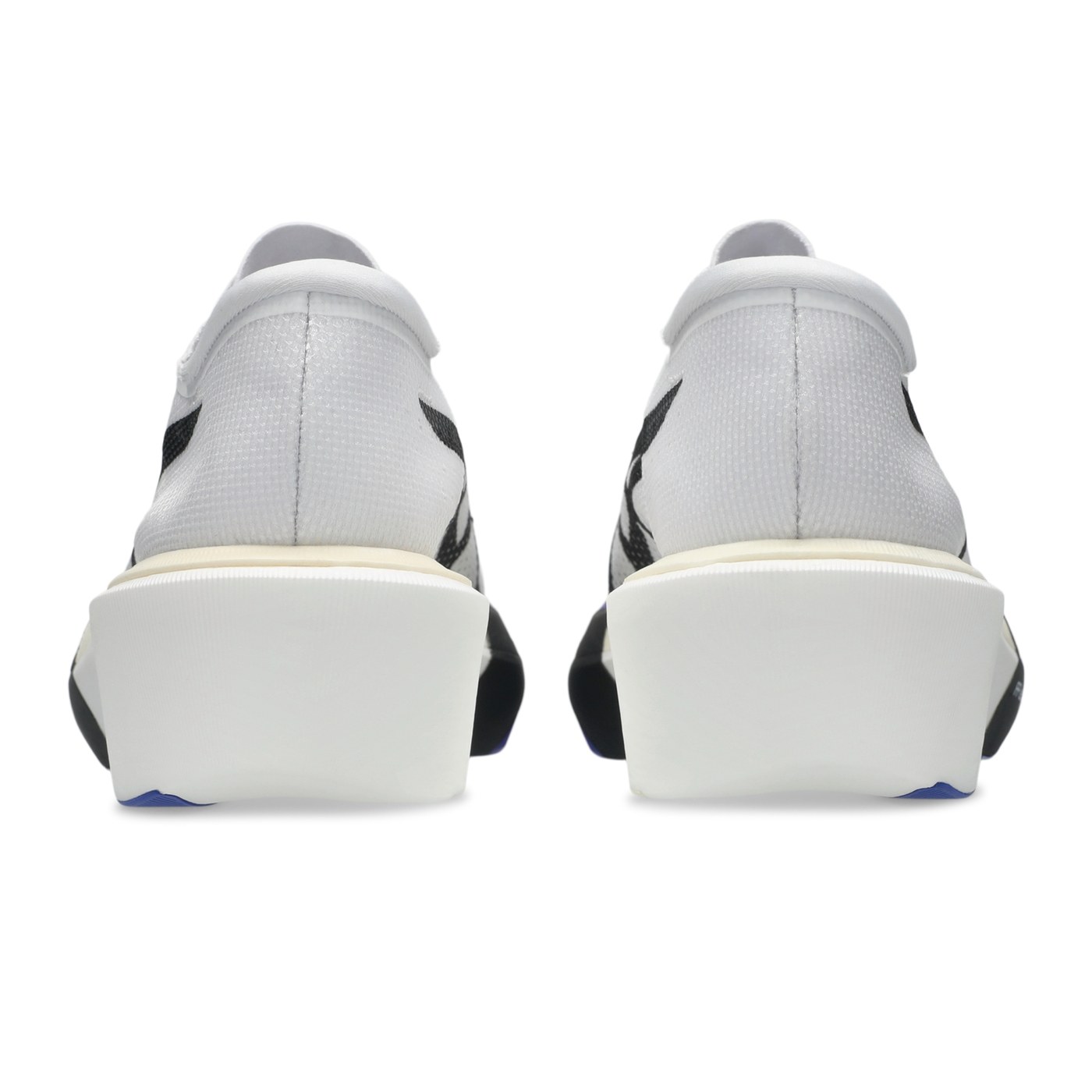
In practice, you get a livelier shoe than the Paris, with higher energy return. But that softer bottom layer also creates slight heel instability. That's the trade-off. With a long stride and a midfoot strike, you'll barely notice it. If you're a heel striker, it can catch you off guard.
"Spoon-shaped" carbon plate: a lever tuned for long strides
The Sky Tokyo's carbon plate sits under the FF Turbo+ foam (with FF Leap further below). Its spoon shape, longer and more curved than on the Paris, is designed to create a pronounced rocker effect that guides your stride forward.
For a stride runner, that's exactly what you want: the plate amplifies your propulsion phase without interfering with your stance phase. For a cadence runner, though, the same plate slows you down slightly on every short ground contact. That's why you should pick the Edge if that's your profile.
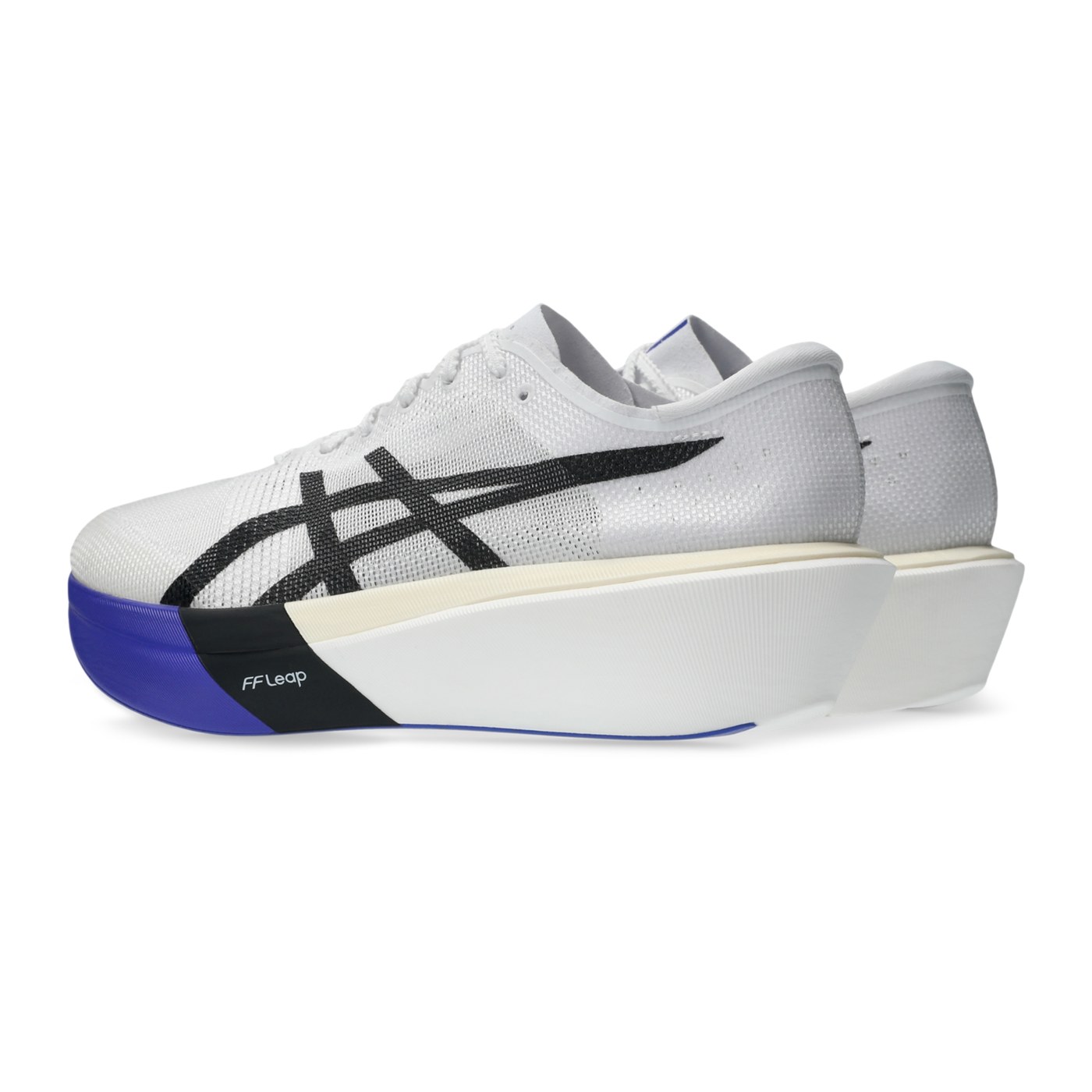
Motion Wrap 2.0 upper: extremely light, but a tight toe box
The Sky Tokyo's only real flaw is its narrow toe box. At 70 mm wide at the forefoot, it's one of the tightest super shoes on the market. For a short race (5 km, 10 km), no problem. For a marathon, when your feet swell after 30 km, some testers report numbness or tingling.
If you have wide feet or are prone to circulation issues in the forefoot, try it on in store before you buy, or look at the Saucony Endorphin Pro 5, which offers more volume.
What French reviewers say
Wanarun calls the Sky Tokyo one of the liveliest super shoes right now, with a foam combo that puts Asics at the top of the category. The review does flag heel instability as the main flaw, something to weigh depending on your stride type.
Lepape-Info highlights the record-low weight (170 g) and the quality of the new FF Leap foam. The verdict is clear: for an elite stride runner, it's one of the three best super shoes on the market right now.
Running Lab confirms the model's premium positioning and points to its consistency with the Asics philosophy of "a shoe for every stride type." Value for money is rated fair given the ultra-premium category and the innovations on board.
Our RunMorph coaching take. The consensus is clear: Asics is doubling down on differentiation by stride type. The Sky Tokyo is probably the best super shoe for an elite stride runner, but it only suits that specific profile. If you're unsure of your stride or want a more versatile shoe, look elsewhere.
Quick comparison
Sky Tokyo vs Asics Metaspeed Edge Tokyo. A sibling matchup. Sky for stride runners (long stride), Edge for cadence runners (high turnover). The Sky has its plate under the FF Turbo+ foam, while the Edge has it on top. Verdict: choose based on your stride, not on looks.
Sky Tokyo vs Maurten Gel 160 review: high-dose marathon fueling
Sky Tokyo vs Saucony Endorphin Pro 5. The Pro 5 is more affordable (€220), more stable and more forgiving of your stride. The Sky Tokyo is faster but more demanding. Verdict: Pro 5 if you're new to super shoes or want something approachable, Sky Tokyo if you're an elite runner in full control of your stride.
Fitting the Sky Tokyo into your training strategy
A €270 super shoe isn't something you wear for just any run. Here's our game plan:
- Your daily base: keep a durable daily trainer like the Nike Pegasus 42 or the Hoka Clifton 10. They soak up your weekly mileage without wearing down your race pair.
- Your fast sessions: for tempo runs and intervals, use a lively super trainer like the Hoka Mach 7, the Asics Superblast 3 or the Adidas Adizero EVO SL. You get the fast feel without burning through your Sky Tokyo.
- Your 2-3 key sessions in the Sky Tokyo: in the 4 weeks before your race, schedule 2-3 goal-pace sessions in your Sky Tokyo to get used to the shoe and dial in your stride. A Sky Tokyo lasts a good 200-300 km of hard running, so save it for races and dial-in sessions.
RunMorph tip: don't underestimate how much your stride needs to adapt to the shoe. A new Sky Tokyo will subtly change your biomechanics over the first 2-3 runs. If you wear it for the first time on race day, you risk injury or blowing up early. Take your dial-in sessions seriously.
The RunMorph coach's verdict
As a coach, I see the Asics Metaspeed Sky Tokyo as an elite shoe, and I recommend it to my sub-3h marathoners and sub-1h25 half marathoners who have a clearly identified long stride. For that profile, it's probably the best super shoe on the market right now: light, lively, with a foam combo that justifies the price gap over the competition.
The jump from the Sky Paris to the Tokyo is significant: new FF Leap foam, 17 g lighter, reworked plate. Asics didn't settle for a cosmetic refresh. The brand is investing in R&D, and you feel it with every stride.
The one real drawback: the target audience is narrow. Tight toe box, heel instability, high biomechanical demands. If you don't fit the target profile, you'll spend €270 on a shoe that won't serve you any better than an Endorphin Pro 5 at €220. Identify your stride before you buy.
RunMorph score: 9.3 / 10. At €270, it's one of the most expensive super shoes on the market, but the price matches the level of R&D and finish. Buy it if you're an ambitious elite stride runner. Look elsewhere if you're unsure of your stride or want more versatility.
Key takeaways for your next race
- A super shoe built for stride runners: long stride, long ground contacts, midfoot strike. If that's not you, get the Edge.
- FF Turbo+ + FF Leap combo: a new dual-layer architecture for maximum energy return, with slight heel instability as the trade-off.
- "Spoon-shaped" carbon plate: placed under the FF Turbo+ foam, tuned to amplify stride propulsion.
- 170 g in size 42: one of the lightest super shoes on the market, 17 g lighter than the Sky Paris.
- 5 mm drop (official) / 6 mm measured: a small gap worth knowing about, and it favors a midfoot strike.
- Narrow toe box: 70 mm wide at the forefoot. Avoid it if you have wide feet or tend to get numbness over the marathon distance.
- 200-300 km lifespan: save it for races and key dial-in sessions.
Frequently asked questions
Is the Asics Metaspeed Sky Tokyo good for beginners?
No. It's an elite shoe that demands a well-developed stride, consistent weekly mileage (50 km/week minimum) and several structured training cycles behind you. To get started with super shoes, go for the Saucony Endorphin Pro 5 instead: it's more forgiving and cheaper.
What's the difference between the Sky and the Edge in the Metaspeed lineup?
The Sky is designed for stride runners (long stride, low to medium cadence). The Edge is designed for cadence runners (high cadence, short ground contacts). On the Sky, the carbon plate sits under the FF Turbo+ foam, while on the Edge it sits on top. Choose based on your cadence: under 175 steps/min → Sky, over 185 steps/min → Edge.
How durable is the Sky Tokyo?
Expect 200 to 300 km of hard running. That's average for the carbon-PEBA super shoe category. For an amateur running 1-2 marathons a year, that adds up to 1-2 full racing seasons if you rotate it with a daily trainer.
Does the Sky Tokyo run large or small?
It's true to size in length, but very narrow at the forefoot (70 mm). If you're between sizes or have wide feet, go up half a size, especially for the marathon, when your feet will swell. If the narrow fit is a deal-breaker, look at the Endorphin Pro 5 or the Adios Pro Evo 3.
What's the difference between the Sky Tokyo and the Sky Paris?
Three major changes: new FF Leap foam under the FF Turbo+ (instead of a single foam), 17 g lighter (170 g vs 187 g), and a reworked carbon plate. The Sky Tokyo is livelier and more expensive (€270 vs €250 for the Paris). If you loved the Sky Paris, you'll love the Tokyo even more, but the Paris is still an excellent option on sale.
Recommended reading
- Asics Metaspeed Edge Tokyo: the full RunMorph review
- Saucony Endorphin Pro 5: the full RunMorph review
- How to prepare for your first marathon in 16 weeks