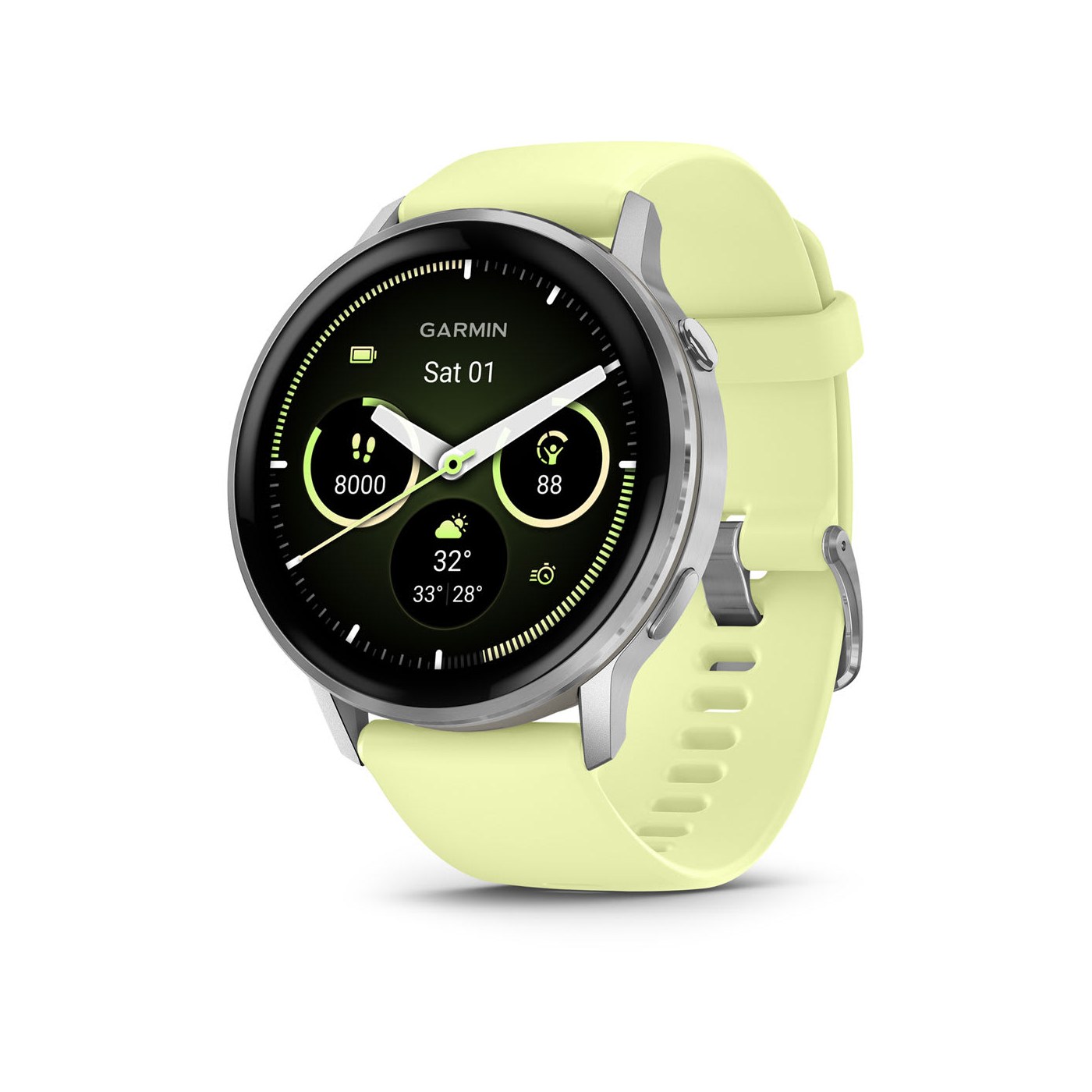
Garmin Venu 4 Review: The Health Watch Gets Serious About Running
7.5/10
The Venu lineup is the Garmin watch you wear to the office and out to dinner, the one that looks like a real watch rather than a wrist computer. With the Venu 4, launched on September 17, 2025, Garmin is no longer content with style and health tracking: the brand adds multi-band GPS, a flashlight, ECG and, above all, running power and running dynamics. The question this review settles: has the Venu 4 become a real running watch dressed up as an elegant one, or is it still a lifestyle smartwatch priced a little high at 549 euros?
The Venu 4 is Garmin's most versatile smartwatch: an elegant metal case, a bright AMOLED display and the brand's best health tracking, now backed by multi-band GPS, ECG and a genuine set of running data. It targets anyone who wants a good-looking, complete everyday watch that can also coach their easy runs seriously. Its high price and the lack of full mapping still keep it from dethroning a true dedicated running watch.
7.5 / 10 · RunMorph overall score
GPS accuracy8.5/10
Battery life8.5/10
Mapping5/10
Metrics9/10
Value for money6/10
Who it is forAnyone who wants an elegant health and lifestyle watch for every day while still tracking their easy runs and fitness seriously.
Who it is not forTrail runners and data-driven runners who want topographic maps and multi-day GPS battery life.
Venu 4: the Garmin smartwatch that gets serious about sport
At RunMorph, we see a clear intent in this generation. The Venu has always been Garmin's mainstream smartwatch, the one that wins people over with its watchmaker design, AMOLED display and complete health tracking, without the technical look of a Forerunner or a fenix. The Venu 4 keeps that lifestyle DNA but adds features so far reserved for the brand's sports watches.
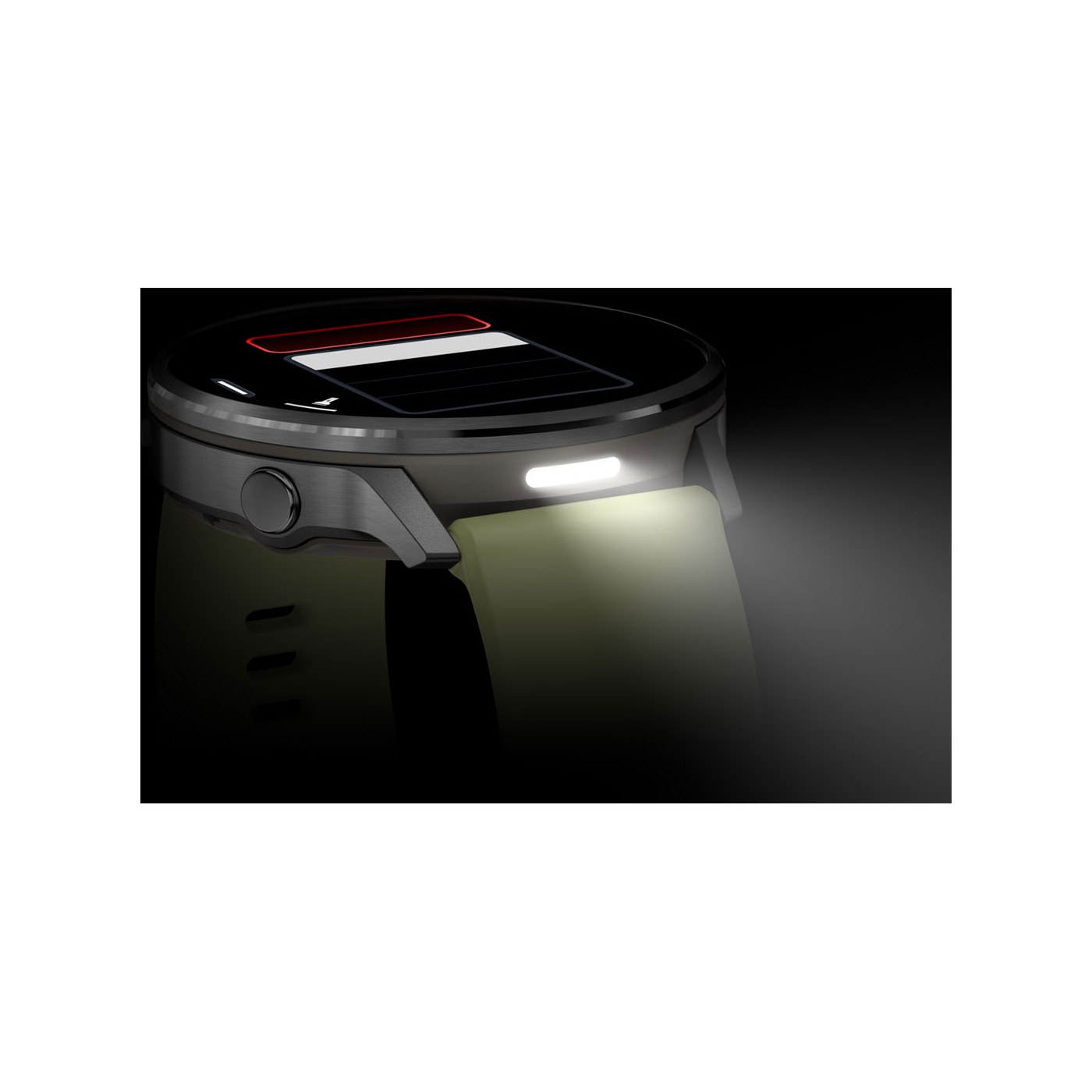
Here is what is new compared with the Venu 3: dual-frequency multi-band GPS for more reliable tracks, a built-in LED flashlight that comes in handy for early morning or late evening runs, wrist-based ECG, and the move to Garmin's unified 2025 software platform, the same one used by the latest Forerunner models and the fenix 8. The watch also gains running power and advanced running dynamics, long missing from the Venu lineup.
The smart move is to keep a cool head about its positioning. The Venu 4 is not a trail watch: it offers no full topographic mapping, and its GPS battery life stays modest next to an adventure watch. What it targets is the everyday runner who wants a single elegant watch for daily life, health tracking and structured running sessions.
Venu 4 specs: health and style packed into one case
Brand
Garmin
Model
Venu 4 (45 mm tested)
Official release
September 17, 2025
Sizes
41 mm (390x390 display) and 45 mm (454x454 display)
Multi-band GPS, flashlight and ECG: what do they change?
The Venu 4's three big new features are not cosmetic. First, dual-frequency multi-band GPS clearly improves track reliability in the city and under tree cover, where the Venu 3 could lose the signal. For an urban runner, that is a real accuracy gain on distance and pace.
Next, the LED flashlight seems trivial until the day you head out before sunrise: a simple gesture lights your path or makes you visible to cars. It is a feature inherited from the fenix that few expected on a Venu, and you get used to it fast. Finally, wrist-based ECG lets you check your heart rhythm for wellness purposes, in line with what the best health smartwatches offer.
Add running power and full running dynamics (cadence, stride length, vertical oscillation, ground contact time), and for the first time in the lineup the Venu 4 delivers a level of running analysis worthy of a running watch. The move to the 2025 platform also unifies the experience with the rest of the Garmin catalog.
Who is the Venu 4 for?
The everyday athlete who looks after their health
This is the core target. If you want an elegant watch to wear from morning to night that tracks your sleep, heart rate variability, stress and energy with Garmin precision, the Venu 4 is among the best on the market. Health tracking is complete and easy to read, and the AMOLED display on a metal case works anywhere, from a suit to running shorts.
Casual runners and beginners
If you run three to four times a week without chasing peak performance, the Venu 4 is more than enough. Multi-band GPS, wrist-based power and suggested workouts give you a serious framework to improve. A more data-driven or more committed runner will look instead at a Garmin Forerunner 170, more focused on running and cheaper.
Anyone looking for an Apple Watch alternative
Against an Apple Watch Ultra 3, the Venu 4 bets on multi-day battery life and the depth of Garmin health tracking, where the Apple runs out of juice faster. The right pick for Android users or anyone who refuses to charge their watch every night.
GPS accuracy and heart rate sensor: how good are the tracks?
With its multi-band GPS, the Venu 4 climbs to the level of Garmin's sports watches for track reliability. In dense city streets as in the forest, the track stays clean and distances are credible, a real step up from the previous generation. It is not expedition-watch level, but for road running and fitness, it is more than enough.
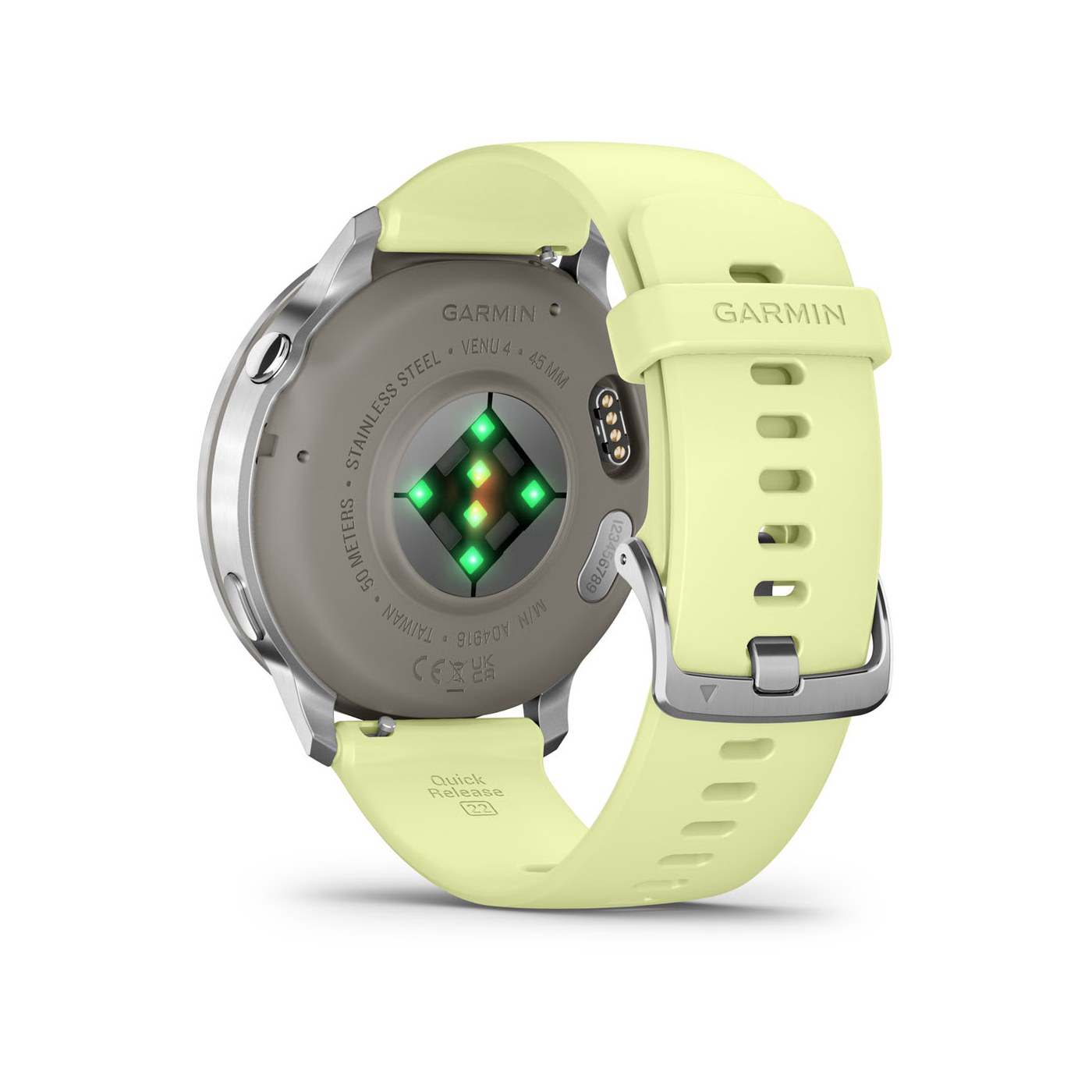
The new-generation optical heart rate sensor delivers reliable tracking during endurance work. As always at RunMorph, we remind you that for intervals and max aerobic speed sessions, a chest strap like the Garmin HRM 600 or an armband like the Coros HR Monitor reacts faster to sudden heart rate changes.
Health tracking and metrics: the real strength
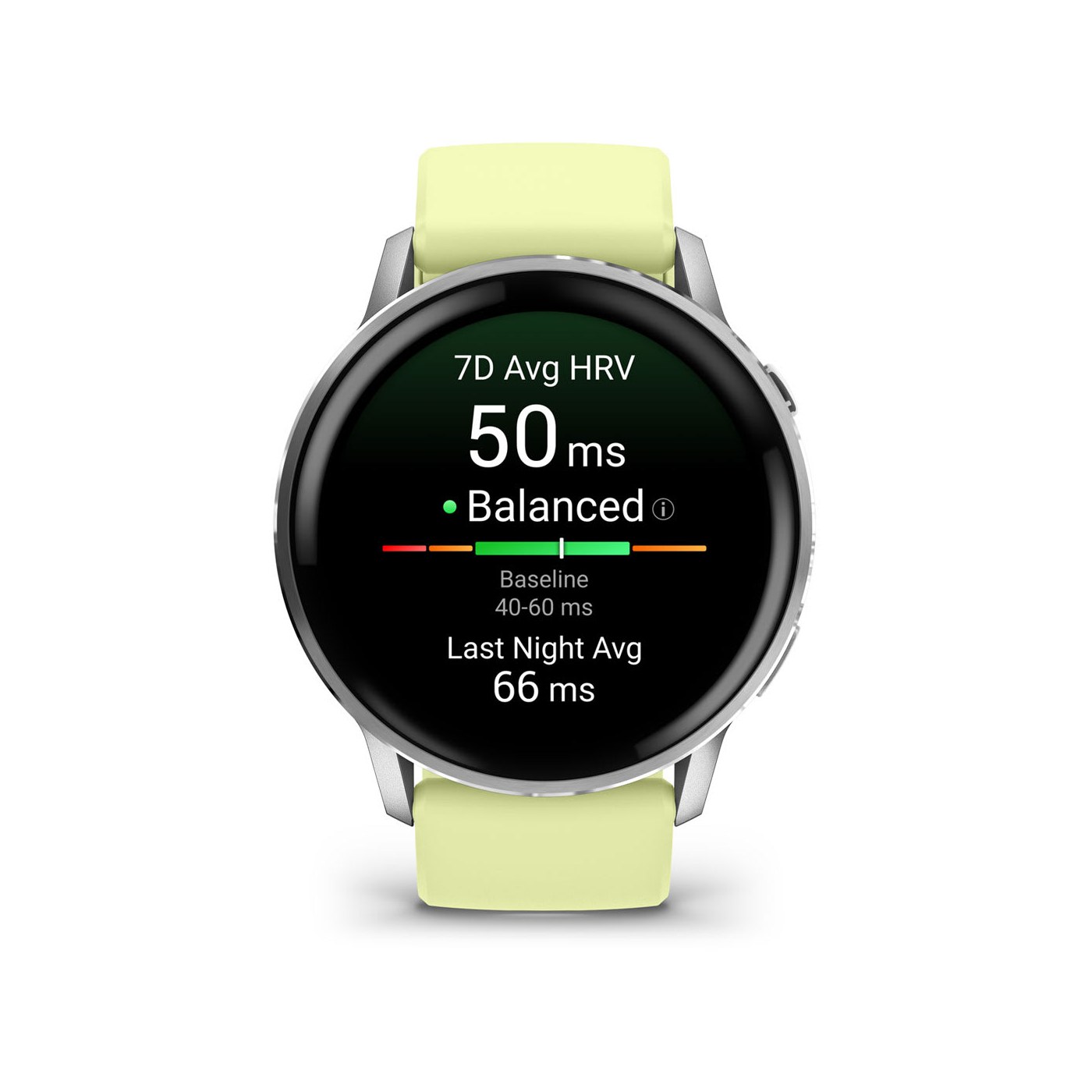
This is where the Venu 4 crushes the lifestyle competition. Detailed sleep tracking with a dedicated coach, HRV Status, Body Battery to gauge your energy, stress tracking, SpO2, fitness age, menstrual cycle tracking: Garmin's health toolkit is one of the richest and most reliable on the market. Add Training Readiness, training load and daily suggestions, and you get a watch that helps you recover as much as it helps you train.
For a runner who wants to understand their body beyond the workout itself, this depth of data is a major selling point, regardless of the watch's style. It is what makes the Venu 4 a natural fit for a planned training approach.
In smartwatch mode, the 45 mm model lasts up to 12 days and the 41 mm about 10 days, very solid figures for an AMOLED watch, especially next to an Apple Watch that needs charging almost every day. With GPS running, expect about 20 hours for the large model and 15 hours for the small one: enough to cover a big week of running, but not an ultra. The always-on display and heavy use of multi-band GPS naturally cut those figures. For everyday use mixing health tracking and easy runs, battery life is a real strength.
Venu 4 vs Venu 3 vs Forerunner 170: the comparison to help you choose
Three Garmin AMOLED watches, three uses. Here is how to decide.
Criterion
Venu 4
Venu 3
Forerunner 170
Focus
Lifestyle and sport
Lifestyle and health
Running first
Multi-band GPS
Yes
No
Yes
Flashlight
Yes
No
No
ECG
Yes
Yes
No
Case
Metal
Metal and polymer
Polymer
Price
549.99 euros
often under 400 euros
about 300 euros
Best pick for
Style plus sport
Lifestyle on a budget
Pure runners
RunMorph's take is simple: if you want the best of both worlds, style and sport, the Venu 4 does it better than ever. But if running comes first, the Forerunner 170 gives you the running essentials for 250 euros less, and the Venu 3 remains an excellent deal if you prioritize health tracking at the best price.
Garmin health tracking among the most complete on the market
Multi-band GPS, flashlight and ECG now on board
Running power and dynamics, a first on a Venu
Multi-day battery life, rare for an AMOLED watch
What we liked less
High price, starting at 549.99 euros
No full topographic mapping
GPS battery life too limited for long trail runs or ultras
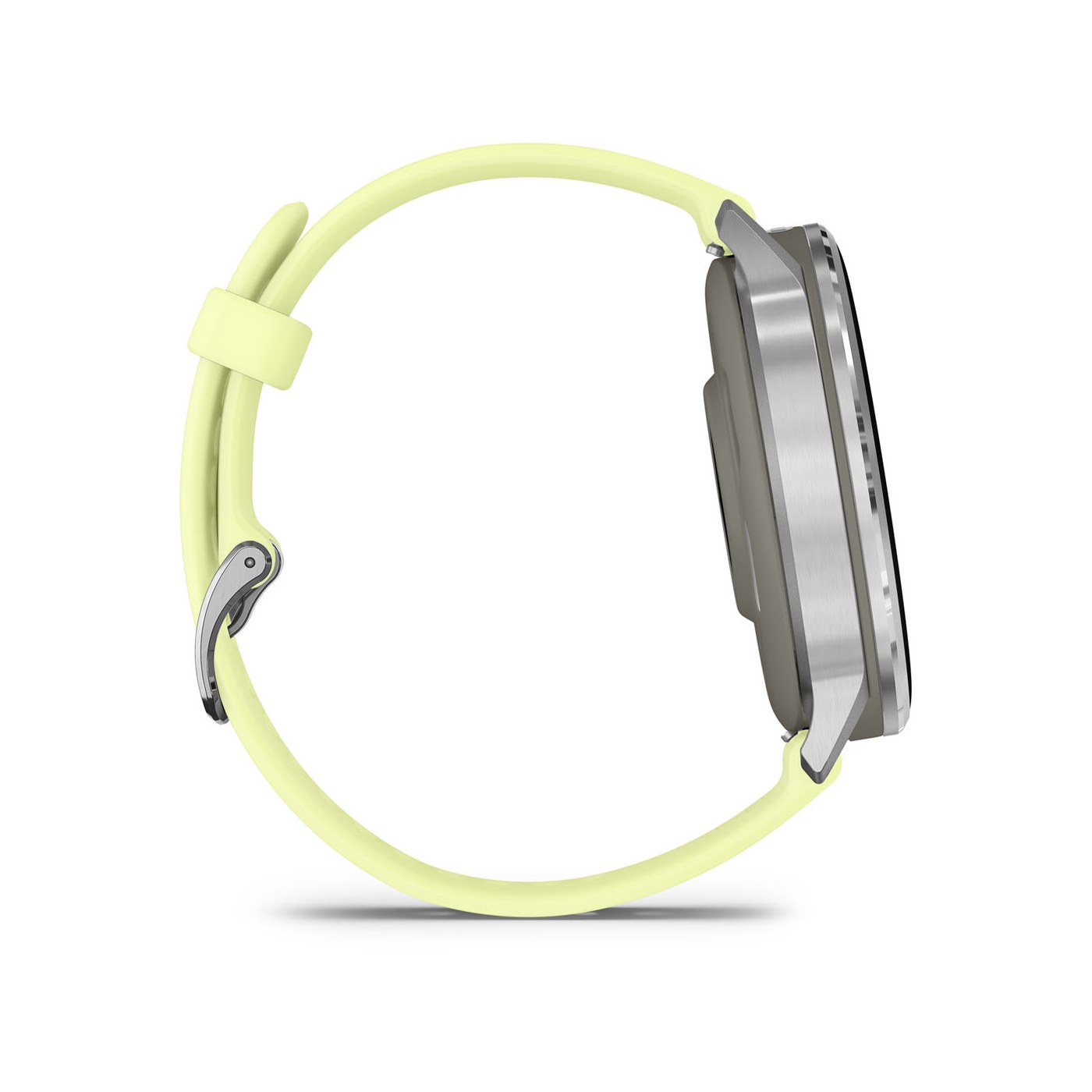
Heavier than the Venu 3
Less specialized than a true running watch at the same budget
RunMorph's advice: choose the Venu 4 if the watch you wear all day matters as much as the one you wear on the run. If you run for performance and looks come second, a Forerunner 970 or a Suunto Run will give you more pure running for your money.
How to fit it into your RunMorph training plan
The Venu 4 shines when you use it to manage both effort and recovery. Its Training Readiness and Body Battery tell you when to push and when to back off, as long as you give them a framework. That is the whole point of a structured plan rather than sessions by feel.
Whether you are preparing a 10K, a half marathon or simply getting back in shape, RunMorph training plans turn your Venu 4 data into concrete sessions, adjusted to your energy on the day.
The RunMorph Coach's verdict
The Garmin Venu 4 is the most polished and sportiest Venu to date. By adding multi-band GPS, the flashlight, ECG and running dynamics to a refined metal design and the best health tracking on the market, it becomes an everyday watch that is truly capable for running. For athletes who want a single elegant, complete watch, it is a success.
The reservation comes down to price and positioning. At 549.99 euros, the Venu 4 costs more than a more specialized Garmin running watch, and the lack of full mapping rules it out for long trail runs. It is an excellent health and fitness smartwatch, to be chosen for what it is, not as a replacement for an ultra watch. RunMorph score: 7.5/10.
Key takeaways for your training
Lifestyle and sport versatility: elegant every day, serious on your easy runs.
Benchmark health tracking: sleep, HRV, Body Battery and ECG at the top of the category.
Useful new features: multi-band GPS, flashlight and running dynamics, a first on a Venu.
Solid battery life: up to 12 days, rare for an AMOLED watch.
Clear limits: no topo maps, GPS battery life too short for ultras.