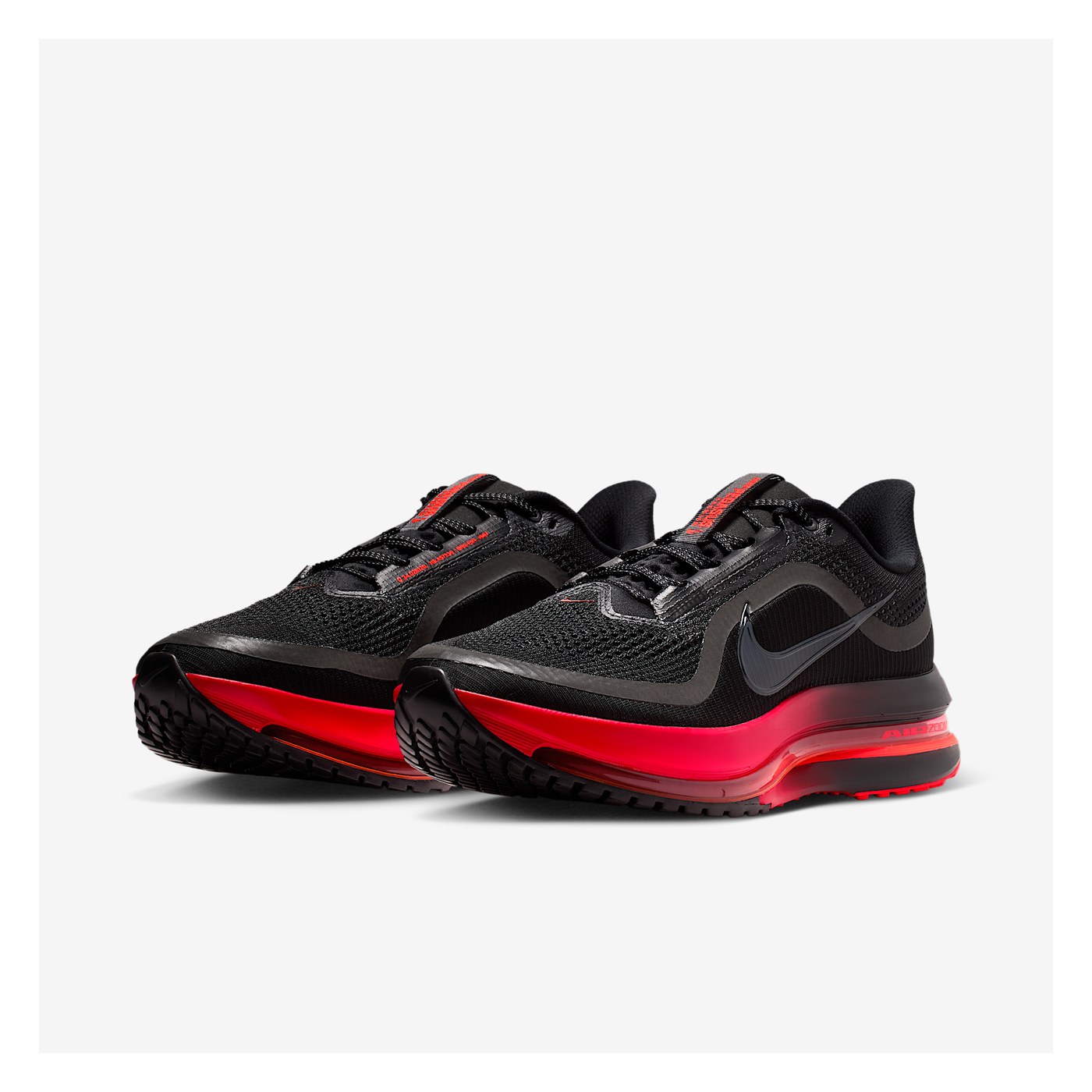
Nike slapped the Pegasus name on a shoe that has little left of a Pegasus. 308 g measured, 42,8 mm of foam under the heel, a full-length Air Zoom unit. On paper, it is the daily trainer of the range. In practice, it is a long-run machine that costs €210. The real question is whether your foot and your budget agree.
© Nike, official photo used for editorial purposes
Nike Pegasus Premium: the Pegasus that no longer plays in the same league
For decades, the Pegasus has been Nike's do-it-all shoe. A sensible price, middle-of-the-road cushioning, a pair you run into the ground. With the Premium, released in France at the end of January 2025, Nike breaks that formula. The brand keeps the name and changes everything else.
The range now has three tiers. The Pegasus 42 remains the workhorse at €145. The Pegasus Plus 2 adds ZoomX for a bit more bounce. The Premium climbs to €210 and borrows the idea behind the Alphafly 3: a big Air Zoom unit underfoot, with no carbon plate.
Nearly two years after launch, there is plenty of hindsight. Real-world reviews are numerous, a lab has weighed, cut and measured the shoe, and the verdict is clear. It is an excellent long-run shoe. It is not a Pegasus in the historical sense.
RunMorph's advice: don't buy it as your only pair. Pair it with a lighter shoe for fast sessions, such as the Zoom Fly 6 or the Adizero Evo SL. The Premium handles the volume, the other one handles the speed.
Pegasus Premium: what Nike claims versus what was measured
| Data | Nike claim | Lab measurement |
|---|
| Heel stack | 45 mm | 42,8 mm |
| Forefoot stack | 35 mm | 31,0 mm |
| Drop | 10 mm | 11,8 mm |
| Men's weight | 309 g | 308 g |
The weight matches the claim. The rest drifts. The forefoot loses 4 mm, the heel a little over 2 mm. As a result, the real drop rises to 11,8 mm, against an 8,4 mm market average. Put simply, the shoe tips you forward more than the spec sheet suggests. For a heel striker, that feels comfortable. For a midfoot striker used to 6 mm, the transition takes a few runs.

© Nike, official photo used for editorial purposes
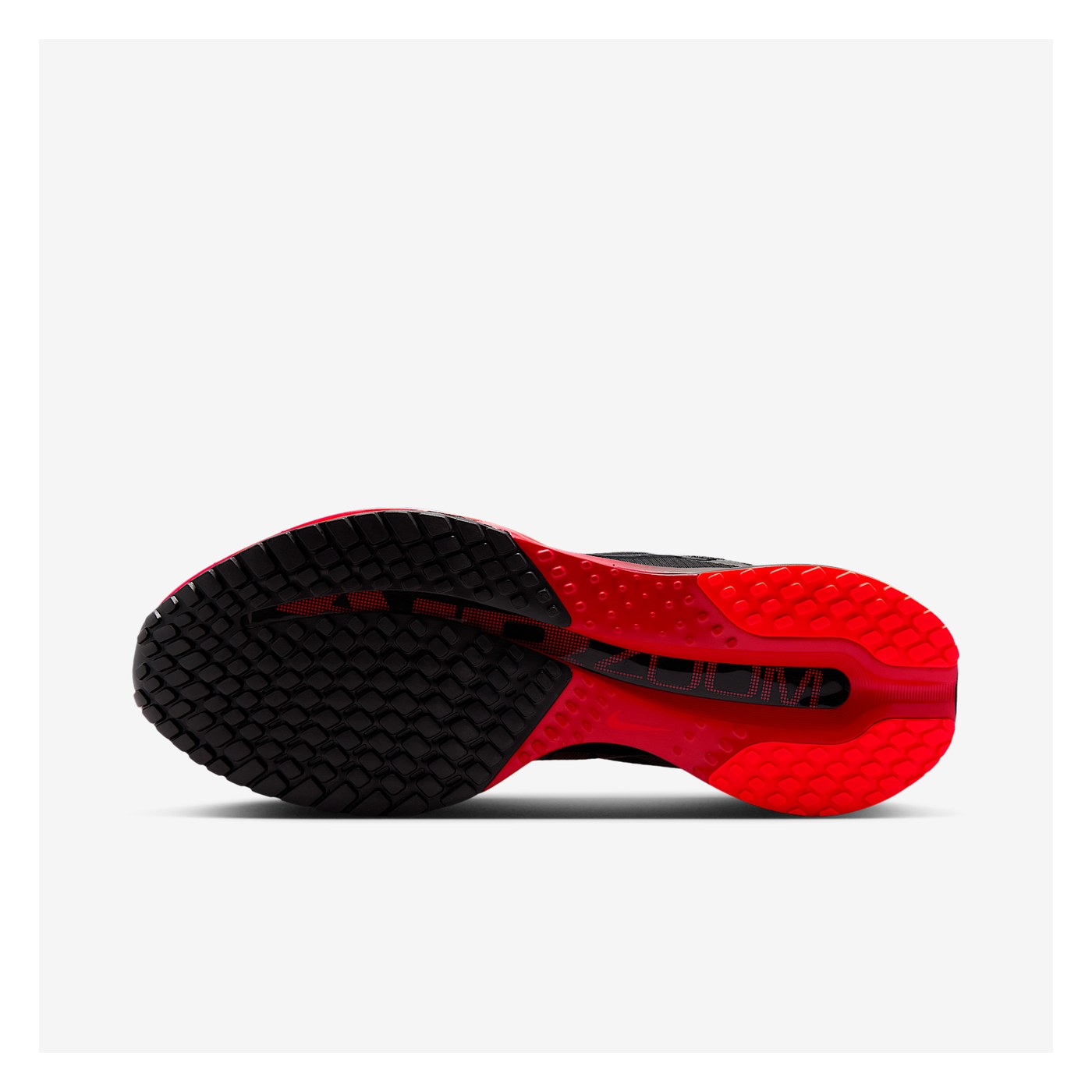
Technology: three layers, and the Air Zoom steals the show
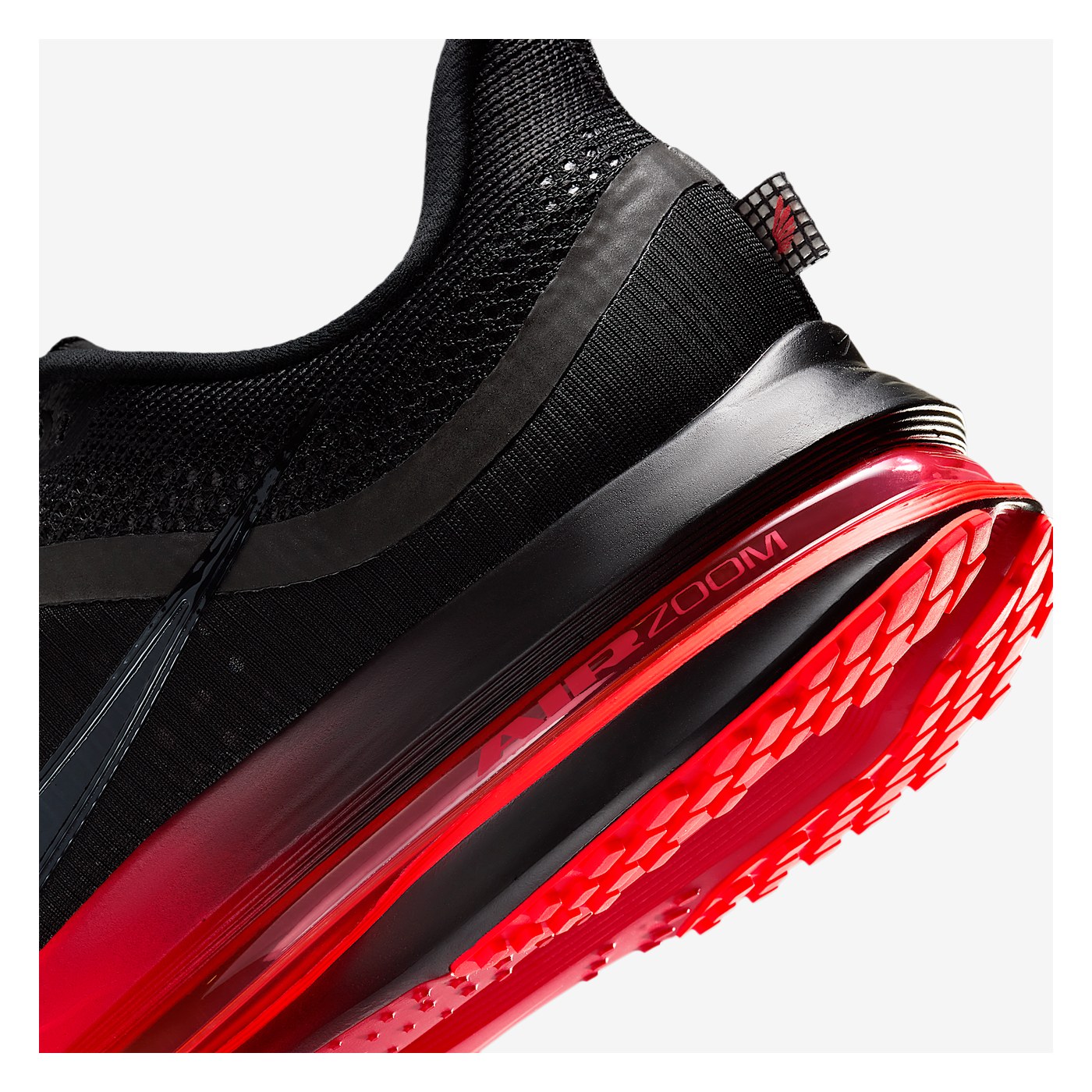
Nike built the midsole like a sandwich. On top, ZoomX, the PEBA foam from the brand's racing shoes. In the middle, an Air Zoom unit running from heel to toe, scooped like a spoon. At the bottom, under the heel and midfoot, firmer ReactX keeps the shoe planted.
The lab puts numbers on it. 155 SA of shock absorption at the heel, against a 131 average. That is a lot of cushioning. Energy return reaches 68,3 %, against a 61,5 % average: the shoe gives back a good share of what it absorbs. The foam sits around average firmness (36,9 AC, against 35,4), and it barely changes in the cold.
The downside is stiffness. It takes 21,2 N to bend the sole, against a 15,6 N average. The shoe rolls through thanks to its shape, not its flexibility. One tester describes a racing-shoe feel in a training model. Another finds it a bit bottom-heavy as soon as the pace picks up.
The fit: narrow for the lab, roomy for French testers
This is where the sources disagree most. The lab measures a 70,3 mm wide forefoot, against a 73,2 mm average, and a 108,6 mm wide midsole at the front, against 115,2 mm. On those numbers, the Premium is a narrow shoe. Most buyers surveyed by the same lab also find that it runs slightly small.
The French reviews tell a different story. Runninglab finds it true to size, with medium to high volume. Runpack finds more room than in the Pegasus 41, with no loss of lockdown. The review on the Alltricks blog, on the other hand, recommends going up half a size.
The key is the height. The toe box rises to 29,1 mm, against a 27,0 mm average. A slim, high-volume foot feels at home. A wide, flat foot hits the sides. Honestly, it depends on your foot shape, and this is a pair to try on in store rather than order blind. If you are between two sizes, take the bigger one.
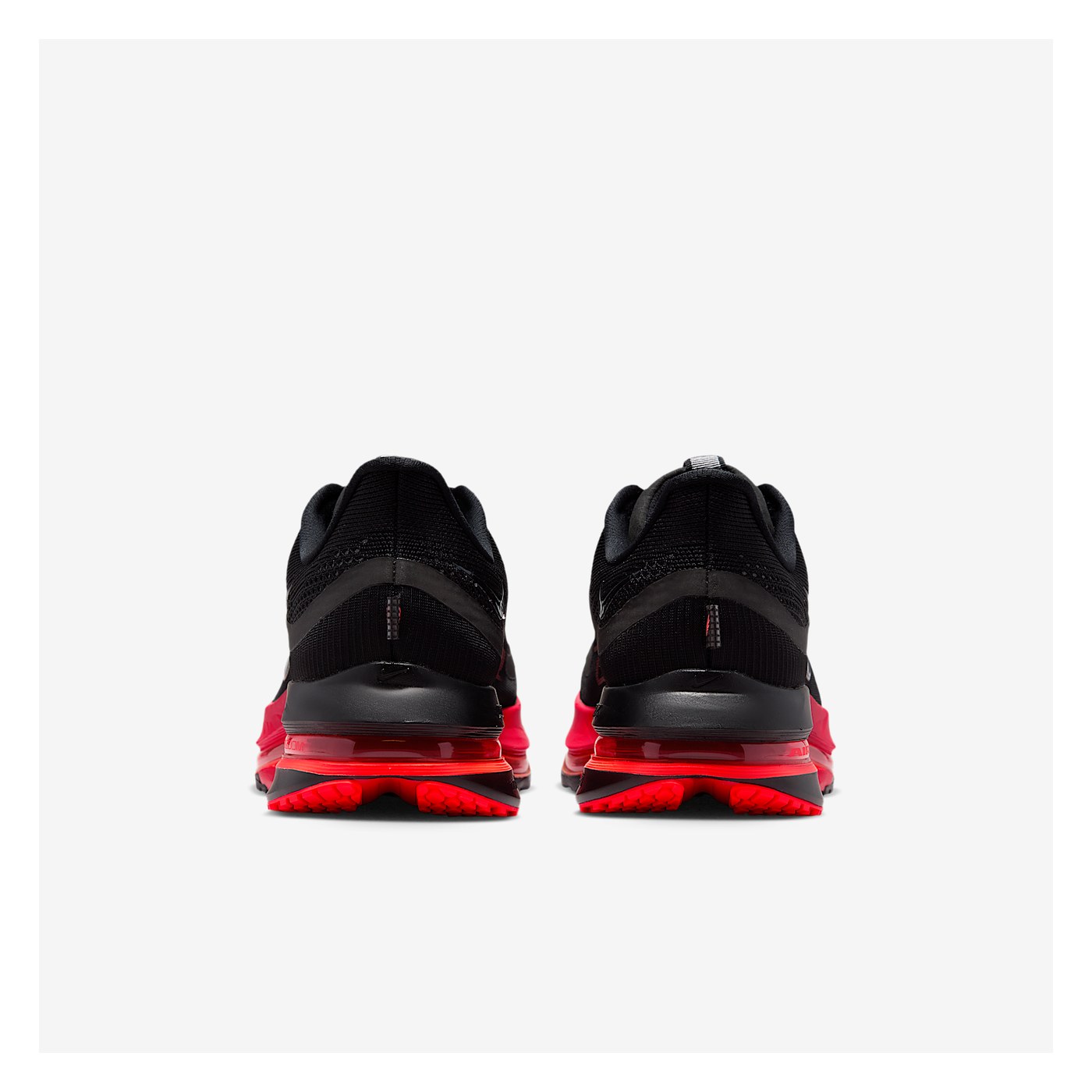
The rest of the upper is less divisive. The tongue is 9,9 mm thick, almost double the average (5,8 mm). It protects the instep, but one tester finds the top part too puffy. The heel counter scores 5 out of 5 for stiffness, the top of the scale. Runninglab still noticed slight heel slip, which the tester puts down to a length difference between their two feet.
© Nike, official photo used for editorial purposes
The real-world test: what five actual reviews say
For this article, RunMorph cross-checked five real reviews of the same model: a full lab breakdown, two French reviews carried out over time, a shorter review published by a retailer, and an American review. None of them questions the cushioning. All of them talk about the weight.
The most thorough test comes from Runpack, over just over 100 km of road and smooth paths. The tester used it for easy runs, a brisk easy run at 4:00/km, and even 30/30 reps under 3:00/km. The verdict is a surprise: no instability at all, even on a tight indoor bend. After 100 km, there is no visible wear.
Runninglab keeps it to slow and moderate paces, for weekend base-endurance runs. The shoe scores 8,9 out of 10 there. The tester recommends the Pegasus Plus for going fast. On wet paving and in the rain, there was no slipping.
The Alltricks review is thinner: 40 km at low intensity, including 10 km on the track. The tester places the Premium between the Invincible 3 and a classic Pegasus. The American review describes forefoot bounce better than any other Air Zoom shoe the author has worn. It also notes a slightly unstable heel and a rubber that does not grip on every surface.
So who is right about speed? Runpack ran fast in it without struggling. The others find it too heavy for that. Both are true. The shoe can go fast on short reps, but it does not help you do it the way a 240 g shoe does.
Which paces it works at, and where it falls short
Easy runs and base endurance: this is its home turf. The 155 SA of heel cushioning and the real 11,8 mm drop make heel striking very gentle.
Long run: its best use. The 68,3 % energy return limits the heavy-legs feeling after 25 km, according to most testers.
Marathon pace: it holds up for a marathoner at 4:45/km or slower. Faster than that, the 308 g and the lack of a plate cost you over the distance.
Threshold and half-marathon pace: doable, but not ideal. The 21,2 N stiffness and the weight hold back your turnover, where a lighter tempo shoe does better.
Short intervals: possible, Runpack proved it on 30/30s. Even so, carrying 69 g more than a Superblast 3 is a real handicap over a full session.
Flaw #1: 308 g, the price of three layers of foam
308 g in a standard men's size. The market average is 261 g. So the Premium carries 47 g more than the average running shoe, and 22 g more than the Pegasus 42 (286 g).
On an easy run, you barely notice it: Runninglab notes that the weight disappears once the shoe is on. On a 30 km long run, it is another story. At 180 steps per minute, every gram gets lifted tens of thousands of times. The testers who tried to speed up in it all describe it as bottom-heavy. For a shoe aimed at long distances, this is the flaw that matters most.
Flaw #2: a neutral, tall shoe on a narrow base
The lab gives it 66 out of 100 for stability. The midsole is only 108,6 mm wide at the front, against a 115,2 mm average, for 42,8 mm of heel height. Tall and narrow, the shoe offers only light guidance, coming from its torsional rigidity (4 out of 5) and slightly raised foam sidewalls.
Runpack felt no instability. The American review mentions a slightly wobbly heel. Both agree on one point: for a neutral runner, it works. For an overpronator, or late in a marathon when your form breaks down, a wider base such as the Brooks Glycerin Max 2 is the better bet.
© Nike, official photo used for editorial purposes
Pegasus Premium vs Pegasus 42: the comparison to make the right choice
| Criterion | Pegasus Premium | Pegasus 42 |
|---|
| Weight | 308 g (measured) | 286 g |
| Heel / forefoot stack | 42,8 / 31,0 mm (measured) | 37 / 27 mm |
| Foams | ZoomX + ReactX | ReactX |
| Air Zoom | Full length, spoon-shaped | Full length, curved |
| Ideal use | Long runs, easy runs | Versatile, from easy runs to tempo |
| Price | €210 | €145 |
The Pegasus 42 costs €65 less and weighs 22 g less. If you want one pair to do everything, it remains the better choice. Only go for the Premium if you already own a fast shoe and want more cushioning for your volume.
Head to head with the competition: Vomero Premium and Superblast 3
| Criterion | Nike Pegasus Premium | Nike Vomero Premium | Asics Superblast 3 |
|---|
| Weight | 308 g | 329 g | 239 g |
| Heel stack | 42,8 mm | 55,5 mm | 46,5 mm |
| Main foam | ZoomX + Air Zoom + ReactX | ZoomX + 2 Air Zoom units | FF Leap |
| Carbon plate | No | No | No |
| Strength | Bounce, build quality | Maximum cushioning | Light for its stack |
The takeaway is simple. For maximum cushioning on recovery days, even if it means going slow, pick the Vomero Premium. For a shoe that handles the long run and accepts marathon-pace blocks, the Superblast 3 does better, at 69 g lighter. The Pegasus Premium sits between the two. It has more bounce than the Vomero Premium, and it stays heavier and slower than the Asics.
Grip and durability: how much does each kilometre cost?
The outsole is 3,2 mm thick and loses only 1,0 mm in the abrasion test, slightly better than the average (1,1 mm). Measured forefoot grip reaches 0,49, against a 0,53 average: decent on dry and wet surfaces, nothing more. Runninglab and Runpack did not slip in the rain. The American review finds the rubber lacking on some surfaces.
The weak spot is up top. The forefoot mesh scores 1 out of 5 in the abrasion test, while the heel padding scores 5 out of 5. If your big toe tends to punch through uppers, that is where the Premium will give out first.
Runninglab estimates a lifespan of at least 600 km. RunMorph works with a 600 to 800 km range, consistent with the measured outsole wear. At €210, that comes to €0,26 to €0,35 per kilometre. The Pegasus 42, at €145 over the same range, works out at €0,18 to €0,24. This is an estimate: no tester has yet worn the shoe out completely.
© Nike, official photo used for editorial purposes
Who is the Pegasus Premium for?
The marathoner who wants a dedicated long-run shoe
You run 50 km a week or more, with a long run of 25 to 35 km. The Premium protects your legs over that volume and keeps some bounce late in the run. That is its best use.
The neutral heel striker with a slim foot
The real 11,8 mm drop and the heel cushioning are made for you. With a slim forefoot, the narrow fit becomes precise lockdown rather than discomfort.
The runner who wants one comfortable pair, whatever the cost
You run three times a week at easy pace and want maximum comfort. The Premium will do the job, but a Vomero 18 offers similar cushioning for less.
How to fit the Pegasus Premium into your RunMorph training plan
In a marathon or half-marathon plan, the Premium takes care of your base-endurance easy runs and the weekend long run. Keep a lighter pair for intervals and threshold sessions. Over a 12-week block, that means about 70 % of your mileage in the Premium.
RunMorph's advice: to rack up the kilometres of your marathon build without wearing out your race shoe, combine the Pegasus Premium with a RunMorph marathon plan or a half-marathon plan. The plan tells you which sessions to run in a cushioned shoe and which ones call for something snappier.
The RunMorph Coach's verdict
The Pegasus Premium is a very good long-run shoe sold under a name that promises something else. Its cushioning and bounce are among the best in its category, with lab numbers to back it up. The weight, the narrow forefoot and the price stop it from being the do-it-all shoe the Pegasus name suggests.
Score: 8,3/10. The score weighs cushioning and responsiveness first (60 %), because that is what the shoe is built for, then stability, durability and price (40 %). If you have wide feet, move on and look at the Glycerin Max 2. If you want to train fast, go for the Superblast 3. If you have slim feet and a fast shoe in your rotation, the Premium will give you very enjoyable long runs.
Nike Pegasus Premium FAQ
Does the Pegasus Premium run small?
Slightly, for most buyers. Its forefoot measures 70,3 mm wide, against a 73,2 mm average. If you are between two sizes, take the bigger one.
Can you run a marathon in the Pegasus Premium?
Yes, if your goal is slower than 3:20, or about 4:45/km. Faster than that, a carbon-plated shoe of 200 to 230 g will be more efficient.
How many kilometres does the Pegasus Premium last?
Between 600 and 800 km according to the available estimates. The outsole loses only 1,0 mm in the abrasion test, but the forefoot mesh scores 1 out of 5.