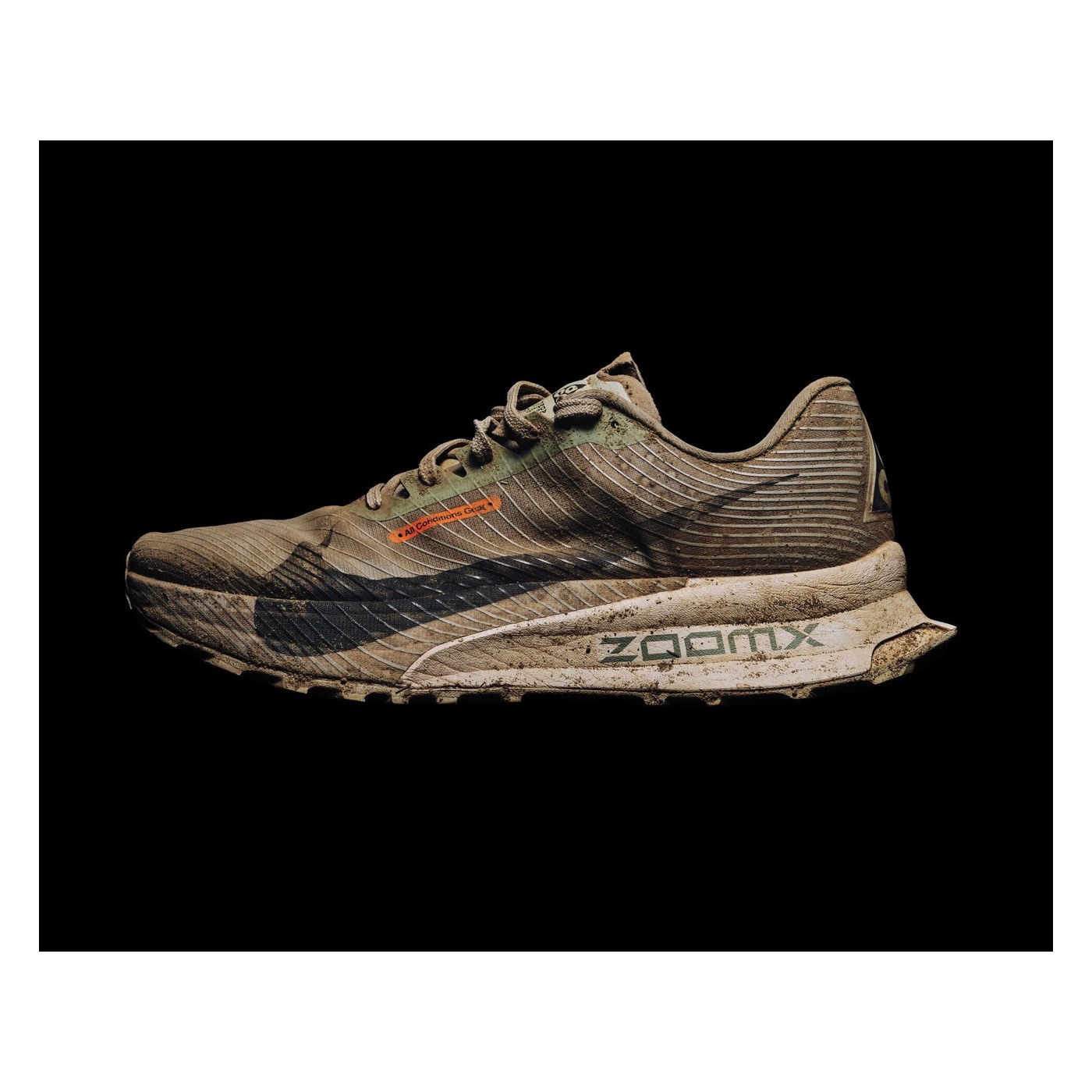
The Nike ACG Ultrafly 2 finally hits the trails in January 2026, after more than two years of development, thirteen rounds of prototypes and 48,000 km of testing across seven countries. Caleb Olson wore it to win Western States 2025. The promise? A Nike trail super shoe that's more stable, more flexible and more breathable than the first Ultrafly. It sells for €260, with an 8.5 mm drop, a weight of 287 g and a full-length carbon plate. Here is the RunMorph Coach verdict, built on a cross-analysis of French reviews and independent lab measurements.
Nike ACG Ultrafly 2 Review: Nike's First Carbon Trail Super Shoe
8.5/10
Nike ACG Ultrafly 2: the trail super shoe gunning for the Tecton X and the Cloudultra Pro
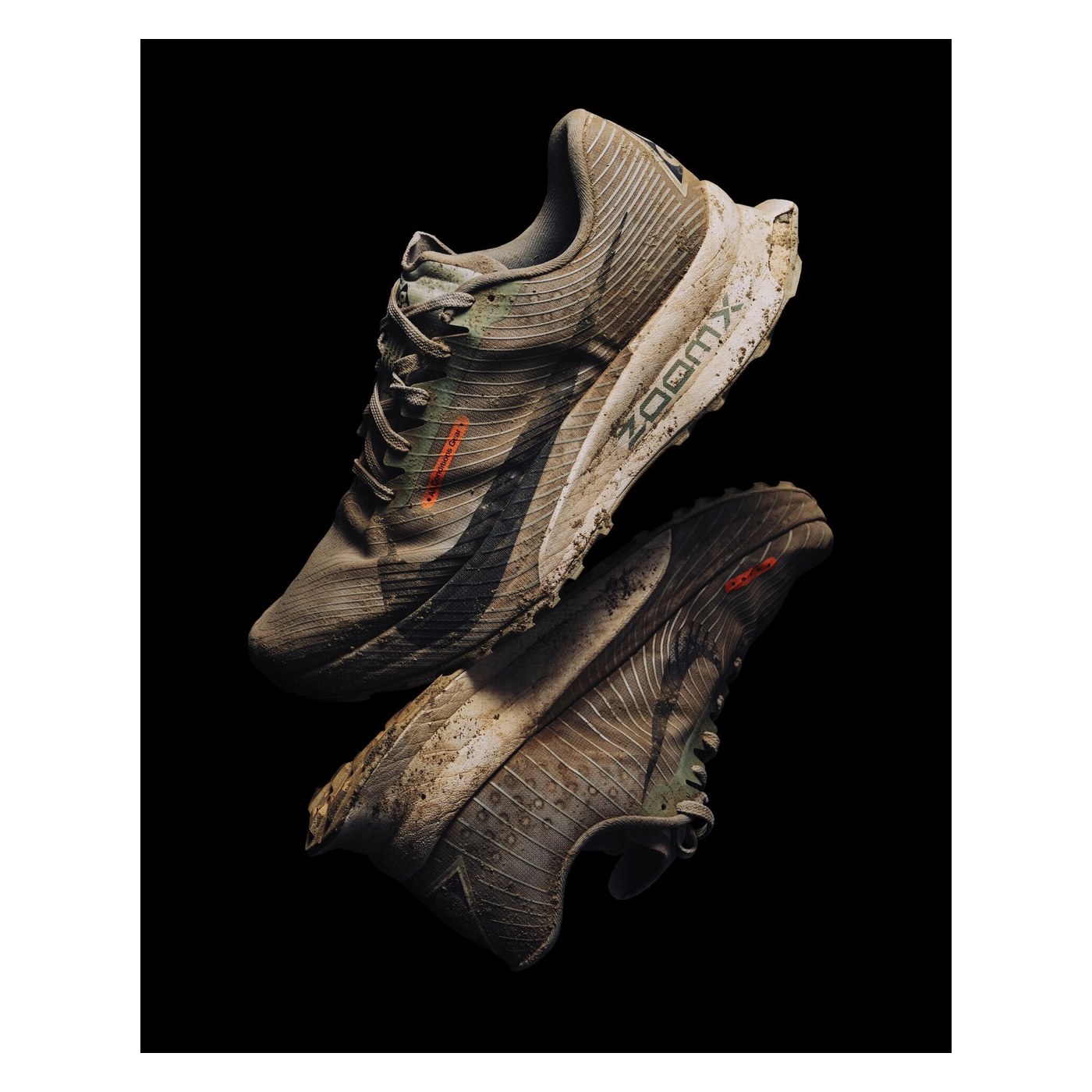
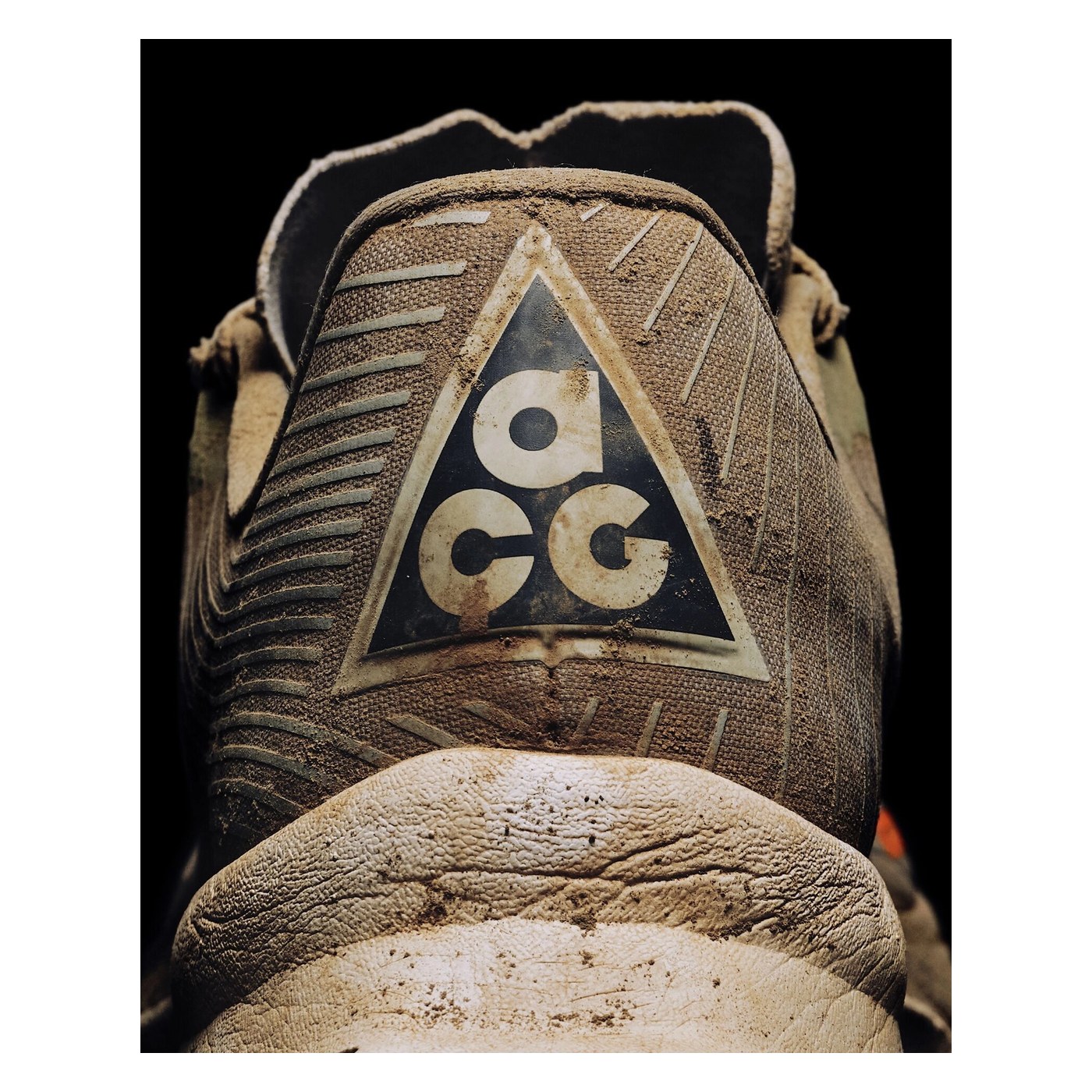
If you follow elite trail running, you've seen that Safety Orange silhouette at the Black Canyon 100k, at Transgrancanaria or at Western States. The Nike ACG Ultrafly 2 (sold as the "Nike ACG Ultrafly Trail", the second generation of the original 2023 Ultrafly) is Nike's first true trail super shoe built for ultras. The pitch is clear: the same ZoomX foam found in the Vaporfly 4, a full-length carbon plate reworked for rough ground, and a Vibram Litebase outsole made to go the distance.
Have you already run in the Nike Pegasus 42 as a daily trainer or the Nike Vaporfly 4 as a road racer? This is the same Nike logic, taken onto the trail. As a coach, I see three target markets: the ultra runner chasing energy return beyond 50 km, the fast trail runner who wants a lively tempo trainer, and the curious runner who wants a taste of carbon propulsion off the tarmac.
RunMorph's tip: before you fall for the ACG Ultrafly 2, ask yourself whether your terrain really suits it. On runnable singletrack and fast forest roads, nothing beats it. On very rough, technical rock or greasy mud, look instead at the Hoka Tecton X 3 or the Salomon S/Lab Genesis, both more at home on sloppy, technical ground.
© Nike, official photo used for editorial purposes
Objective technical data
| Brand | Nike |
| Model | ACG Ultrafly 2 (ACG Ultrafly Trail) |
| Release date | January 29, 2026 (Hyper Crimson colorway) |
| Type | Trail, carbon super shoe, ultra distance |
| Drop | 8.5 mm |
| Stack height (heel / forefoot) | 37 mm / 28.5 mm |
| Weight (men's US 10) | 287 g, about 13 g lighter than the original Ultrafly |
| Foam | ZoomX (PEBA, 85% energy return according to Nike) |
| Carbon plate | Full-length carbon fiber FlyPlate with a split spine, less stiff than on the Ultrafly 1 |
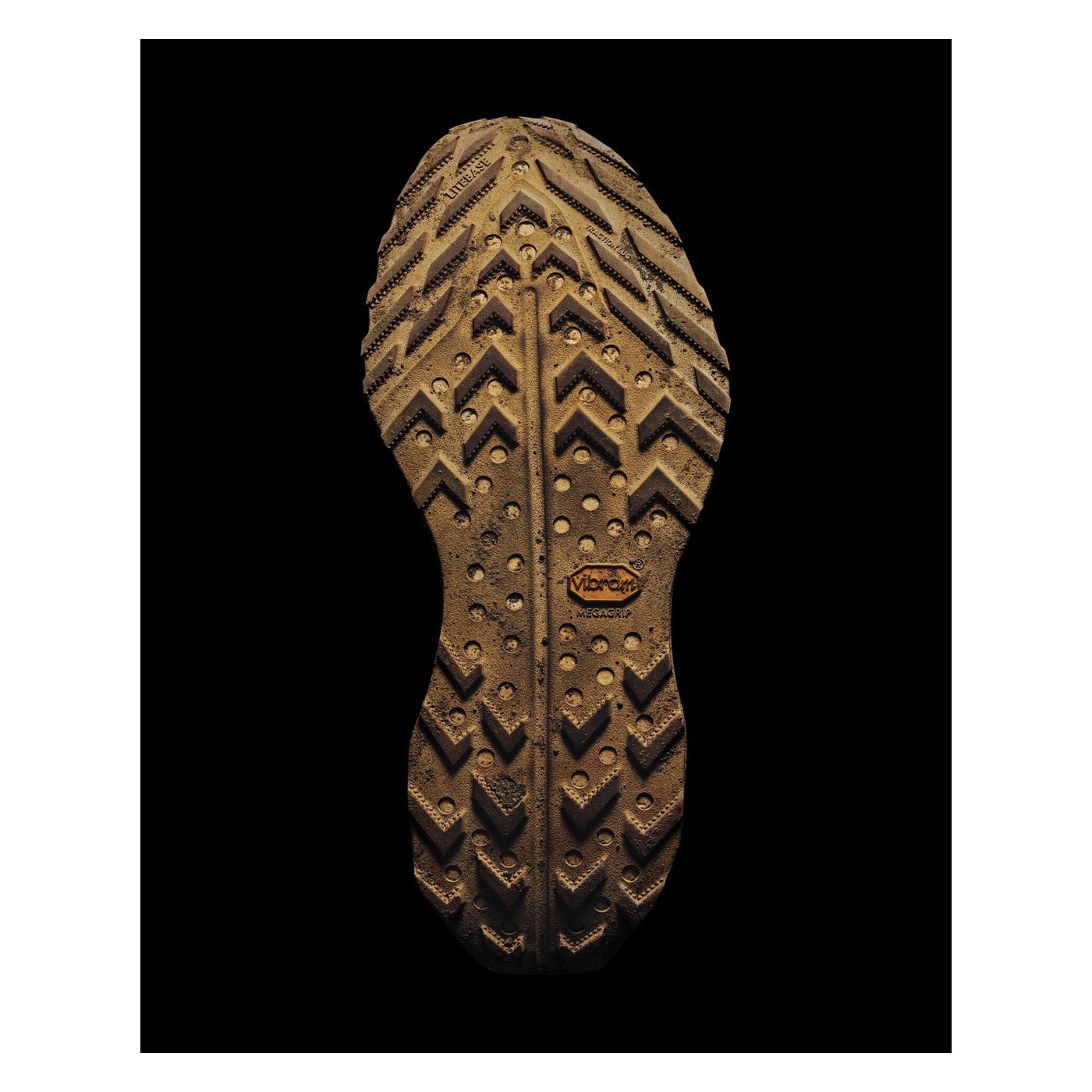
| Outsole | Vibram Litebase, multidirectional lugs |
| Upper | Breathable, fast-draining mesh, trail-specific last, wider toe box, gusseted tongue |
| Recommended distance | 30 km and up, all the way to 100 miles (raced at Western States, Transgrancanaria, Black Canyon 100k) |
| Retail price | €260 (USD 260) |
Who is the Nike ACG Ultrafly 2 for?
The elite ultra runner chasing records
This is target number 1, and the very reason the shoe exists. If you're training for a 100 km, a 100-miler or UTMB, and you want to bank on the propulsion of a carbon plate for 12 to 20 hours, the Ultrafly 2 is built for you. Caleb Olson wore it to win the 2025 Western States Endurance Run. The ZoomX foam is exposed at the heel to keep the responsiveness going mile after mile, and the plate, less stiff than on the first version, soaks up uneven ground better.
The fast trail runner logging long runs
If you already run 60 to 100 km a week on trails and want a pair that makes your 25 to 40 km long runs more efficient, it's a perfect fit. You'll get a real sense of propulsion on the flats and gentle climbs, as long as your pace stays above 12 km/h (that's the intensity where the carbon plate truly kicks in, on trail as on road).
The curious runner discovering trail super shoes
With a €260 budget, you're buying an exceptional shoe, not a daily trainer. Be honest with yourself: if you run three easy runs a week on smooth trails, the Nike ACG Pegasus Trail or the Saucony Peregrine 16 will suit you far better. The Ultrafly 2 is a performance tool, not a Swiss Army knife.
© Nike, official photo used for editorial purposes
Comfort, ride and grip on the trail
Step-in comfort has clearly improved over the Ultrafly 1, which many found too narrow. The new trail-specific last brings a roomier toe box, a better-shaped internal support band and a gusseted tongue that keeps gravel out. The mesh breathes well and drains fast: a real plus if you ford streams or slog through muddy sections.
Underfoot, the feel is unique. The ZoomX foam, exposed at the heel, gives you a plush bounce on landing, and the full-length carbon plate drives you forward at toe-off. It's road super shoe behavior transplanted to the trail: you feel the propulsion when you open up your stride, much less when you shuffle slowly up a steep climb.
The Vibram Litebase outsole works very well on dry ground, runnable rock and forest roads. The multidirectional lugs grip well enough, but this isn't Speedcross 6 territory: on greasy mud or snow, you will slide. Nike owns the trade-off: it chose low weight and durability over maximum bite.
Stability is one of the big strengths of version 2. The sole is wider at both the forefoot and the heel, which broadens the platform. The plate, now less stiff, adapts better to off-camber sections and roots. You feel far more planted than in a Nike Vaporfly 4 worn on singletrack by mistake (yes, some people try).
How it stacks up against the competition
The trail super shoe category is booming in 2026, and the competition is fierce. Here is how the Ultrafly 2 measures up against its direct rivals:
The Hoka Tecton X 3 remains the benchmark on rocks and technical terrain, thanks to its twin parallel carbon plates and higher stack height. The Ultrafly 2 delivers more propulsion on runnable trails, but the Tecton X 3 protects your feet better on long, rocky descents.
The On Cloudultra Pro plays in the same league at €270, with its Helion HF foam and fiberglass Speedboard. The On has a firmer ground feel and comparable energy return, but the Ultrafly 2 handles mixed surfaces better thanks to its more aggressive rocker.
The Adidas Terrex Agravic Speed Ultra 2 at €250 is more affordable and more stable on technical descents, but it lacks the pop of ZoomX at toe-off. On a long run at a solid pace, the Ultrafly 2 makes the difference.
The Brooks Cascadia Elite at €275, with its dual plate, takes a similar approach but weighs more (305 g). If you want the best lightness-to-propulsion ratio, the Ultrafly 2 stays ahead at 287 g.
How to fit it into your RunMorph training plan
As a coach, I don't recommend the Ultrafly 2 for 100% of your weekly mileage. It's a performance shoe, not a daily trainer. Here is how to use it wisely:
For quality long runs (the race-specific long runs), it's the ideal tool: you'll tap into its energy return over 25 to 40 km at goal race pace. For hill intervals on trail (truly fast, above 12 km/h), it comes alive too. For recovery runs and very rough technical outings, keep a more forgiving pair such as the Saucony Peregrine 16 or the Asics Fuji Lite 6.
As a race shoe, it's perfect for a long trail race from 50 km to 100 miles with moderate to big elevation gain on mostly runnable terrain. If you're training for UTMB or the Diagonale des Fous, it's a serious contender for race day. To structure your build, check out the RunMorph trail training plan, which breaks your progression into quality and volume blocks.
© Nike, official photo used for editorial purposes
Coach RunMorph's verdict
The Nike ACG Ultrafly 2 succeeds where the first Ultrafly fell short: it's more stable, more breathable and more forgiving on rough ground, without losing the ZoomX signature that makes Nike's super shoes special. Caleb Olson didn't win Western States 2025 in this shoe by accident, and the consensus among international testers ranks it among the three best trail super shoes on the market in 2026.
Still, at €260 the price of entry is steep, and the shoe demands a clear profile: a fast runner, mostly runnable terrain, long distances. If you tick all three boxes, it's a real weapon. If not, you'll pay €260 for sensations you could get from a €150 pair.
My verdict after weighing the reviews from Wanarun, Lepape-Info, Pacing Trail, u-Trail, RunMag, Mon Coach Running, Tonton Outdoor, Runnea FR and independent lab measurements: 8.5/10. A mature trail super shoe that deserves its place at the top of the category, but will never be a shoe for everyone.
Key takeaways for your training
- Ultras and long, runnable trail races: the ZoomX foam and full-length carbon plate make the difference from 30 km onward at a solid pace.
- Comes alive above 12 km/h: on very slow easy runs or steep climbs, the propulsion fades. Don't pull it out for recovery runs.
- Vibram Litebase grip works on dry ground: for greasy mud, snow or wet technical rock, plan on a pair with deeper lugs such as the Salomon Speedcross 6.
- Wider toe box: version 2 fixes the number 1 flaw of the Ultrafly 1, and the fit is now comparable to a Hoka Speedgoat 7.
- Estimated durability of 600 to 800 km: that's fair for a trail super shoe, but don't make it carry your whole weekly mileage.