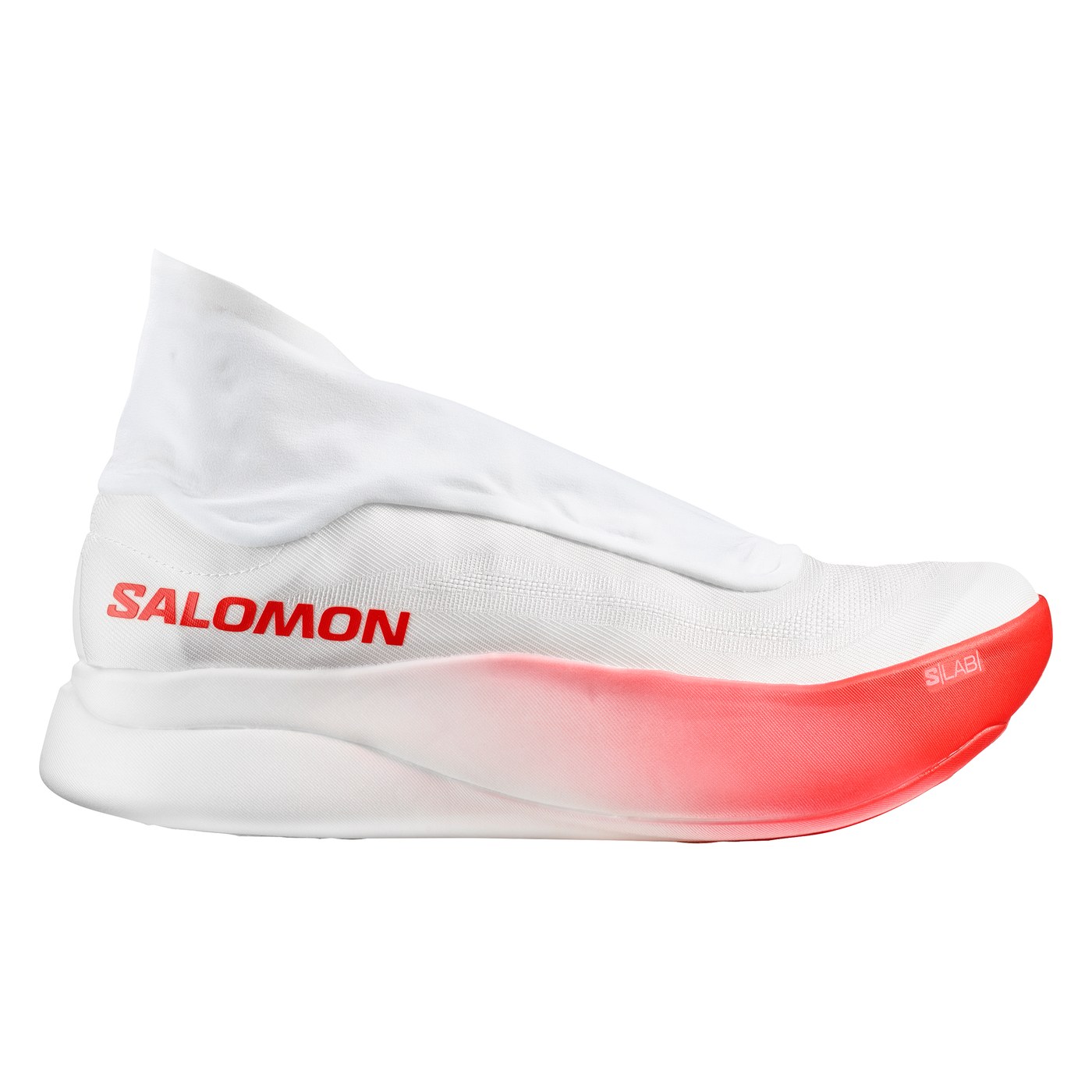
Looking for the most aerodynamic super shoe ever sold? Salomon put its S/Lab Phantasm 3 through the wind tunnel with Swiss Side, the aero engineers behind Formula 1 and pro cycling. The result: 198 g, a full-length carbon plate, PEBA-based optiFOAM+ foam, and a "wrap" gaiter that hides the laces to cut turbulence. Up to 18 seconds saved over a 2:06 marathon. Here is what it's worth on the track, on long runs and on race day.
Salomon S/Lab Phantasm 3 Review: Salomon's Wind-Tunnel Super Shoe
9/10
Salomon S/Lab Phantasm 3: the aero racer rewriting the rules of the marathon
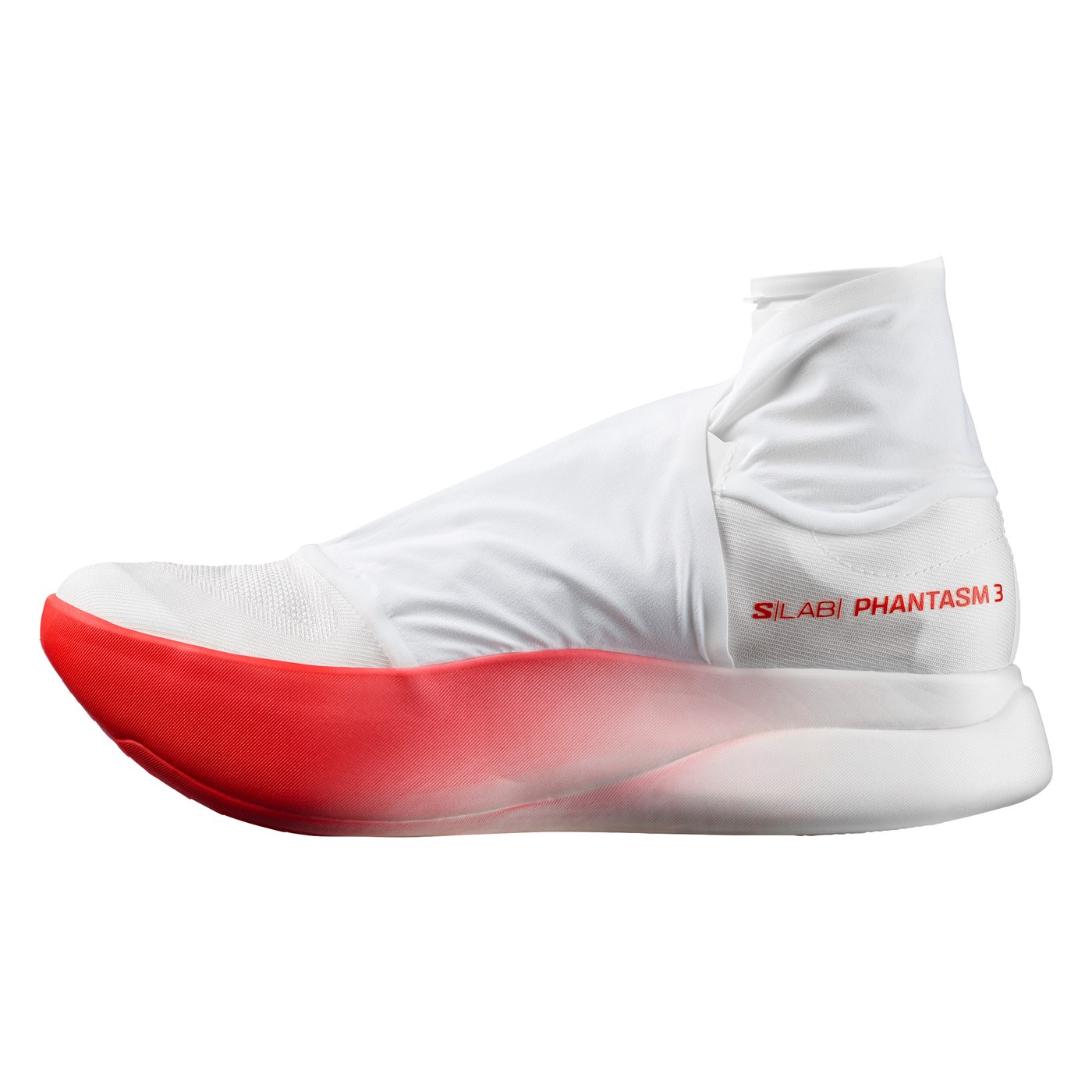
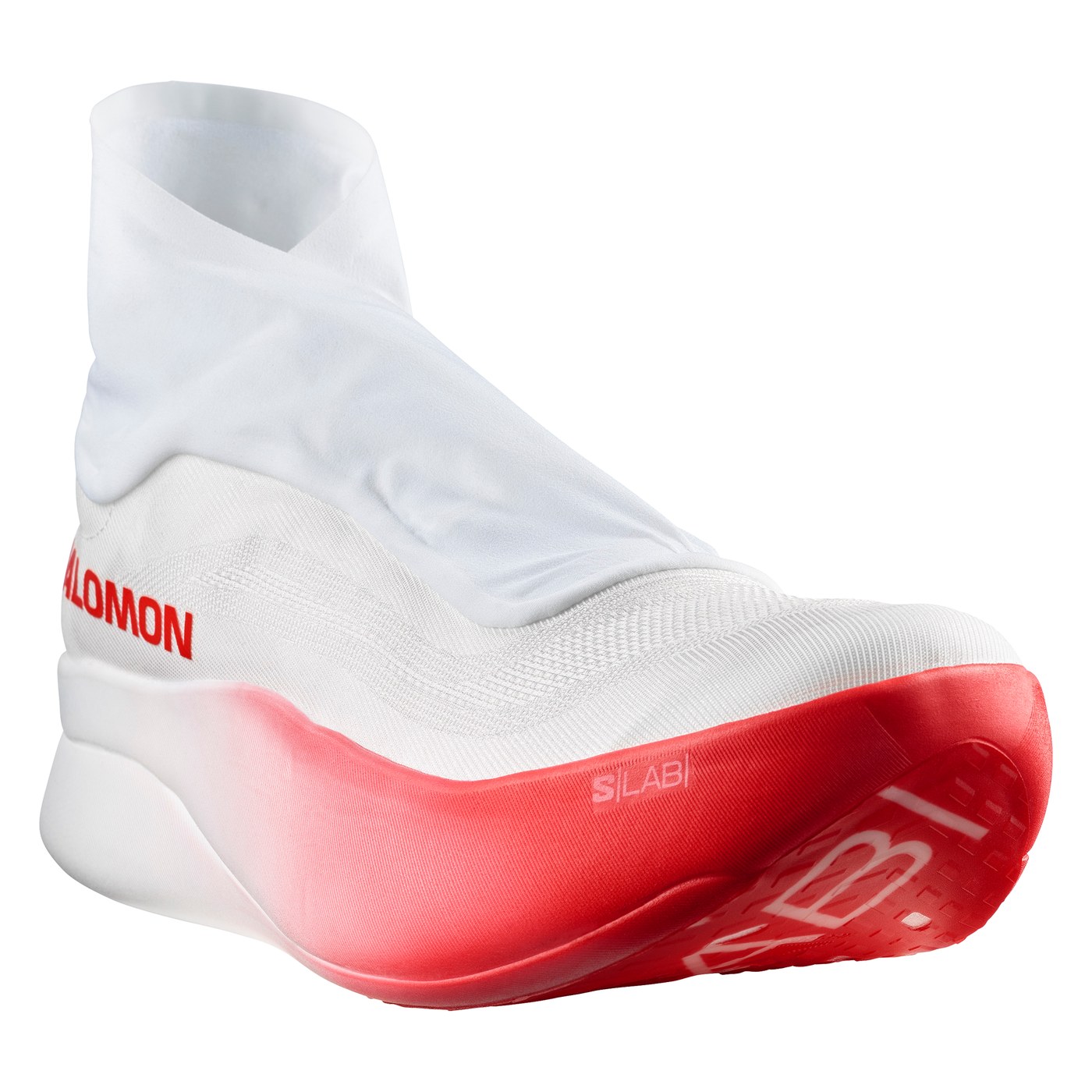
The Salomon S/Lab Phantasm 3, released on January 16, 2026, marks a turning point for the French brand from Annecy. After two generations that bet on low weight without a strong visual signature, the Phantasm 3 takes a radical turn: aerodynamics. Salomon co-developed the shoe with Swiss Side, the Swiss engineering firm that works with Formula 1 teams and the world's best cyclists. You see the result at first glance: a smooth-fabric wrap gaiter covers the laces and upper to keep the airflow unbroken, and the midsole has a rounded profile with no sharp edges.
RunMorph's tip: as a coach, I see the Phantasm 3 as a racer for advanced runners who already know how to work a carbon plate. If you're after your first super shoe, go for the Saucony Endorphin Pro 5 or the Nike Vaporfly 4 instead, both more versatile. The Phantasm 3 needs a snappy stride and a clear time goal to deliver its aero gain.
© Salomon, official photo used for editorial purposes
Objective technical data
| Brand | Salomon |
| Model | S/Lab Phantasm 3 |
| Release | January 16, 2026 |
| Type | Road, aerodynamic racing super shoe |
| Drop | 6 mm |
| Stack height (forefoot / heel) | 33.5 mm / 39.5 mm |
| Weight (EU size 42) | 198 g (10% lighter than the Phantasm 2) |
| Foam | Supercritical PEBA-based optiFOAM+ |
| Carbon plate | Full length |
| Upper | Smooth wrap gaiter + stretch bootie (no visible laces) |
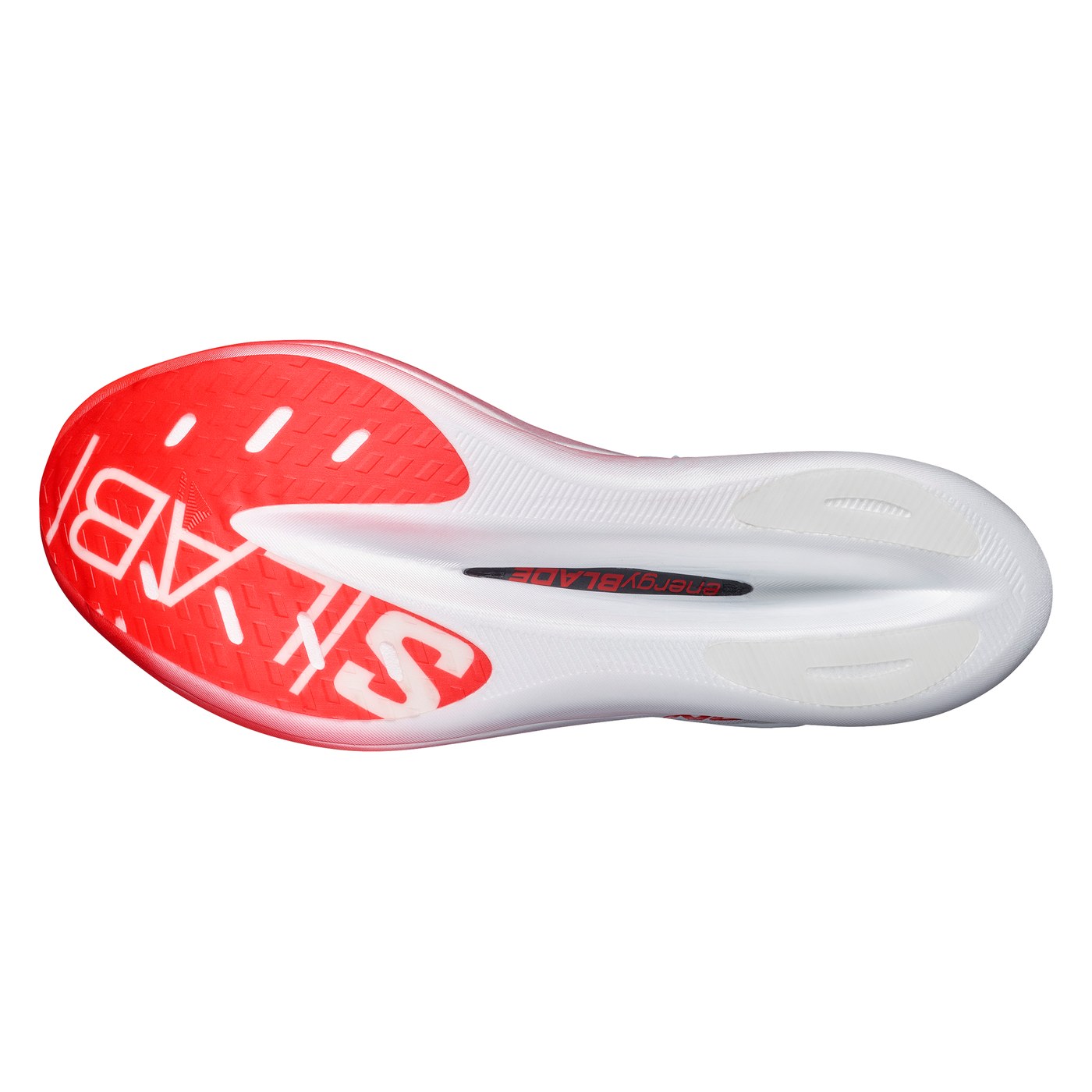
| Outsole | Pared-down Contagrip racing |
| Recommended distance | 10K, half marathon, marathon (at a fast pace) |
| Retail price | €280 (S/Lab pricing) |
| World Athletics compliant | Yes (39.5 mm stack < 40 mm) |
The verdict in 30 seconds
The S/Lab Phantasm 3 is a pure, no-compromise racer for demanding runners. Salomon, long absent from the top tier of road super shoes, is finally playing in the same league as the Vaporfly, Adios Pro and Endorphin Pro. Its pitch is unusual: instead of only chasing the best energy return from the foam, it aims to cut the aerodynamic drag of the runner. On paper, that's 2.5 to 3% less drag, or up to 18 seconds saved over a marathon run in 2:06.
Three strengths stand out: the featherweight build (198 g, 10% less than the Phantasm 2), the highly responsive PEBA-based optiFOAM+ foam, and the integrated bootie feel that removes the usual pressure points of a laced upper. Two drawbacks: the wrap upper takes some practice to get on and drains poorly in wet weather, and the €280 S/Lab price puts it in the ultra-premium segment where only a handful of racing brands dare to go.
We recommend it to runners already comfortable on a carbon plate, chasing a time goal over 10K, the half or the marathon, who know how to run with a forward lean. We advise against it for super shoe beginners and pronounced heel strikers, whose stride won't make the most of its very aggressive rocker.
Who is the S/Lab Phantasm 3 for?
The sub-1:30 half marathoner chasing seconds
This is the main target. If you run a half marathon under 1:30 or a marathon under 3:15, your pace is high enough for the drop in aerodynamic drag to start mattering. As a coach, I see plenty of experienced runners stall on their PR without changing their training. The Phantasm 3 is one of the tools worth trying to claw back that extra 1% that fatigue never forgives.
The marathoner who wants low weight without giving up comfort
At 198 g on the scale, the Phantasm 3 goes head to head with the Saucony Endorphin Pro 5 (210 g) and stays lighter than the Nike Vaporfly 4 (208 g). But unlike a minimalist racer, it keeps a comfortable 39.5 mm of stack height at the heel. For a 12 to 16 week marathon build, you can use it for tempo runs and race-specific blocks without worrying about early breakdown.
The curious runner who wants to test aerodynamics in real conditions
The Swiss Side promise is bold, but it takes a specific stride to pay off. If you run with a forward lean, land midfoot and hold a cadence above 175 spm, the rounded profile and the wrap bootie will genuinely cut your drag. If you're a heel striker, the aero effect is more marginal and you risk paying for the stiffness of the carbon plate without getting anything back.
© Salomon, official photo used for editorial purposes
Comfort, ride and grip
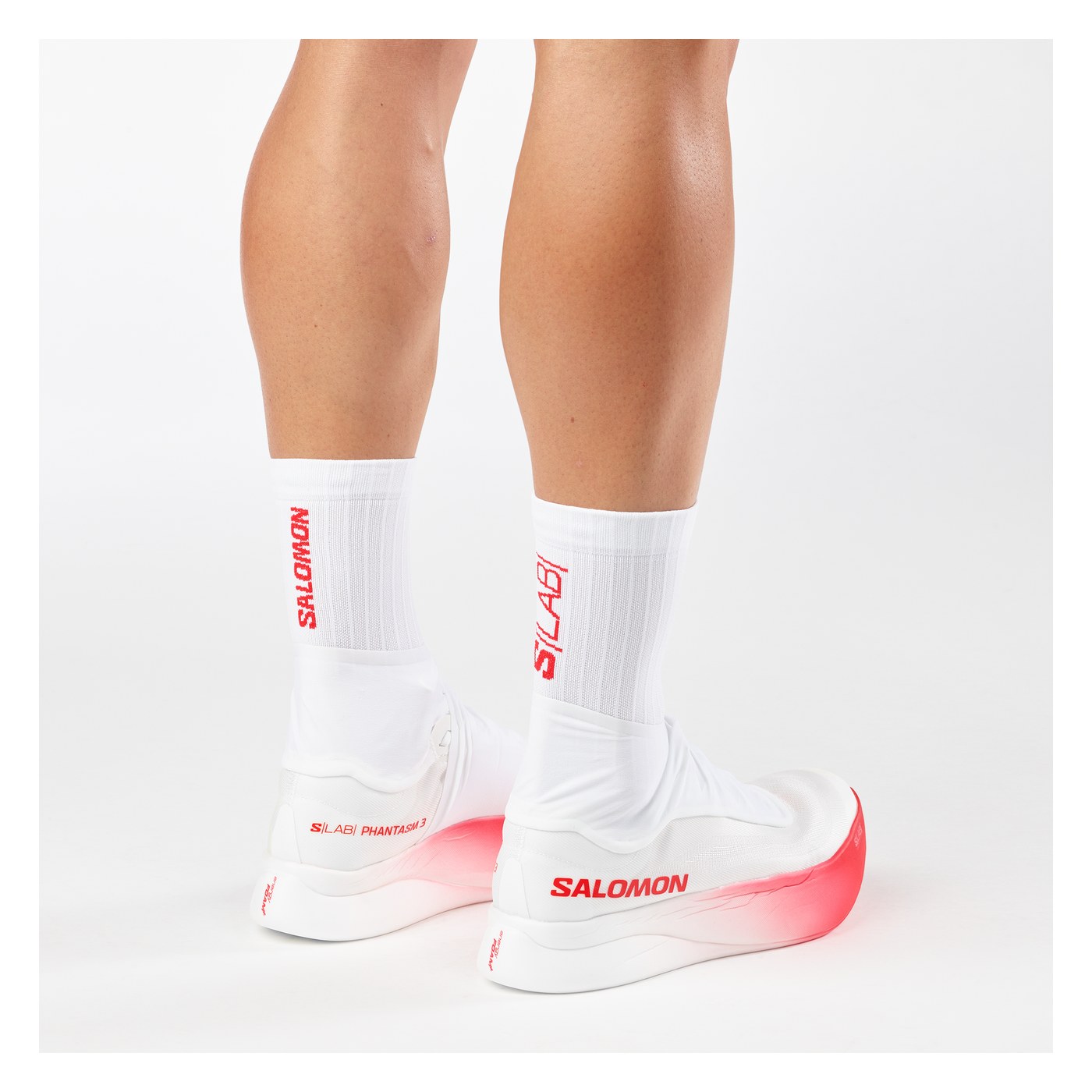
Putting it on is the most unusual part of the Phantasm 3 experience. There are no laces to tighten: the wrap upper is really a stretch bootie that you pull on using the heel tab. Once it's on, your foot is held evenly, with no pressure points, and it feels more like a compression sock than a real running shoe. Give yourself two or three runs to get used to the sensation: it's very different from what the market usually offers.
On the run, the optiFOAM+ foam stands out for its very lively rebound without the harshness some first-generation PEBA foams can show. The ride is dynamic but not brutal: you feel the full-length carbon plate as your foot rolls forward, without it forcing an unnatural stride. The aggressive rocker pitches you forward at fast paces but becomes tiring on slow easy runs: this is clearly not a recovery-day shoe.
The Contagrip racing grip is fine in the dry and less predictable in the rain. The pattern is pared down to save weight: you sometimes feel the road through the sole. For most race paces on clean asphalt, the grip does the job. For a wet cobblestone course or a winter mixed road and off-road outing, forget this shoe and turn to a more traditional racer.
How it stacks up against the competition
The Nike Vaporfly 4 remains the category benchmark, with ZoomX foam that nothing beats for energy return. The Phantasm 3 is 10 g lighter and claims an aerodynamic edge, but the Vaporfly 4 keeps a better perceived cushioning on long runs.
The Saucony Endorphin Pro 5 offers better versatility for the money: €240 versus €280, more forgiving of less efficient strides, and more durable over 400 km. The Phantasm 3 wins on originality (the aero angle) and S/Lab exclusivity, but asks for more commitment.
The Adidas Adios Pro Evo 3 is in a class of its own at 97 g, as a limited elite edition. The Puma Fast-R Nitro Elite 3 at 169 g competes on pure lightness, but its PWRPLATE and its peak instability reserve it for ultra-clean strides.
Against the Asics Metaspeed Sky Tokyo, the Phantasm 3 gives up stability and grip but gains smoothness: the Sky Tokyo is still the more reassuring pick for a first marathon in a super shoe. As for the Brooks Hyperion Elite 5, it sits at the same price (€275) with a more traditional approach (DNA Gold + SpeedVault+ plate), which makes it easier to tame.
How to fit the S/Lab Phantasm 3 into your RunMorph training plan
This shoe is not a daily trainer, it's a sharp racing tool. Here is how to work it into your cycle wisely. During the general phase (weeks 1 to 4), stick with daily trainers such as the Brooks Ghost 18, the Asics Gel-Cumulus 28 or the Hoka Clifton 10. The Phantasm 3 stays in the closet.
During the specific phase (weeks 5 to 10), bring the Phantasm 3 into your tempo sessions and threshold blocks. One session a week is enough: 10 to 14 km at marathon pace or 8 km at threshold. That's where it reveals its aero potential and where your stride adapts to the plate.
During the taper (last 3 weeks), save the Phantasm 3 for one final race-specific rehearsal, then race day. To pick the right plan for your goal, browse all our RunMorph training plans on the training plans page.
© Salomon, official photo used for editorial purposes
Coach RunMorph's verdict
With the S/Lab Phantasm 3, Salomon delivers its most accomplished road shoe in ten years. The French brand has long been confined to trail (with success: see our reviews of the Speedcross 6, the S/Lab Genesis and the Ultra Glide 4). With the Phantasm 3, it makes a big splash in road racing by launching the first shoe on the market designed around aerodynamic drag.
Value for money is up for debate. At €280, you're paying S/Lab "limited product" pricing, justified by the finish, the rare colorways and the Swiss Side R&D. For an ambitious runner targeting a major time goal (championships, the Paris, Berlin or London marathon), the investment holds up. For a recreational runner who can't tell the difference between 25 g and 30 g, you're better off saving and picking an Asics Magic Speed 5 at €180.
RunMorph final score: 9/10. A technically remarkable racer that joins the top 5 super shoes of 2026. It misses out on a 10/10 for one simple reason: the wrap upper, brilliant in aero theory, comes with a learning curve and a maintenance routine (drying the inside almost every time) that may annoy pragmatic runners.
© Salomon, official photo used for editorial purposes
Key takeaways for your training
- Save it for your key sessions: threshold tempo, race-specific blocks, marathon simulation. Not for your Sunday easy run.
- Adapt your stride: the Phantasm 3 rewards runners who lean forward with a cadence above 175 spm. If you're a heel striker, the ROI will be limited.
- Allow 8 to 12 km of break-in before race day: the laceless bootie feel is unusual and takes a few runs to get used to.
- Watch out for moisture: the wrap upper dries more slowly than a traditional laced upper. After a run in the rain, take it off, open it up fully and let it air out for 24 hours.
- Stay realistic about the ROI: at paces slower than 4 minutes/km, the aerodynamic gain stays theoretical. Beyond that, at sub-3 marathon or sub-1:20 half marathon pace, it really counts.